2 May 2026 – Celebrating Village Africa’s 20th Birthday! We are so proud of what has been achieved over the past 20 years & want to celebrate two decades of dedication, hard work and commitment. We would like to thank all staff, volunteers and supporters for their loyalty to the project. We have put together a little video to showcase some of the achievements from 2006-2026. Thank you for being part of this incredible journey. We hope you enjoy watching and listening.
Thank You Video from Yamba – We would also like to share this video made by Maiko Paulo, a Manager at Vyaadahikana Village Africa Tanzania. Maiko comes from Yamba and is passionate about helping his own village. He is well known to many Village Africa volunteers and visitors. Maiko initiated and kindly put together this video with sound from Yamba on behalf of the community to say thank you.
Good News – Village Africa’s New Ambulance Appeal has now reached £52,396 (61% of the £85,000 target). Many thanks to all who have contributed once or more often. All supporters, please help by fund raising or donating. https://www.justgiving.com/campaign/Village-Africa-New-Ambulance-Appeal
x
x
Baby David named after Karen Nivala’s father. Karen was a Village Africa teaching volunteer in Yamba. What a lovely way to remember a volunteer and her family. The boy was born after an emergency trip in Village Africa’s ambulance from Yamba to Magoma Health Centre. He is called David Apolnerius and his mother is Lucy Elias Mpemba from the village.
x
x
Coin collection in aid of Village Africa. Pupils at the Bishops’ C of E and R C Primary School in Chelmsford gathered coins to fill a large map of Africa in their playground. Village Africa is their global focus and they enjoy learning about Yamba and fundraising to help the children and other villagers. Many thanks to the pupils and their families for their generosity. Rebecca Tarplett, former Village Africa teaching volunteer in Yamba, kindly made the introduction to this school in Essex, UK.
x
April 2026
x
Village Africa’s ambulance service – Baby boy born after an emergency trip. Lucia Ludovick from Yamba was referred from Milingano Health Centre to Magoma. The baby is called Goodluck Isic. Many thanks to all Village Africa donors who made this journey possible.
x
x
Suitcases (for storing clothes and personal possessions at home) and umbrellas for Simba Club primary school pupils. Houses in Yamba have limited furniture. The cases will be used to protect personal belongings from dust, insects, rodents etc. Villagers often store their maize crop in the rafters which, unfortunately, can attract rats. Rats also eat clothes, plastic, soap etc! Thank you to their Village Africa Simba Club donors for their on-going assistance.x
x
x
Knitted sweaters and hats for the newest babies in Yamba. Thank you to those in the UK who knitted and posted them.
x
x
x
March 2026
x
Coffee seedlings and fertiliser for Yamba. The seedlings were kindly donated by the Tanzania Coffee Research Institute (TaCRI) in Moshi, Kilimanjaro Region and the fertiliser and transport from Moshi to Yamba for both was generously funded by Village Africa donors in the UK. Five farmers are setting up demonstration farms to see how viable it is to grow coffee in the village. They all attended a coffee growing course at TaCRI first. They will use two methods (fertiliser and organic farming) to compare. Organic coffee beans fetch a higher price at market.
x
x
February 2026
x
Congratulations to the Campbell Family for successfully completing its challenge to walk the Malvern Hill end to end in aid of the Village Africa New Ambulance Appeal.
x
Sean writes
“Challenge complete! Thanks so much for all of the donations and support! We started just after 07:30 in the morning and finished the trail in around 5 hours 45 minutes, Jenny, Primrose and Dylan did amazing! The weather was fantastic bright sunshine but still fairly cold on the tops which kept us cool.”
x
Village Africa thanks Sean, Jenny, Primrose and Dylan for taking on this physically challenging 9.3 mile trail on Valentine’s Day and for their phenomenal fund raising. Many thanks to all who supported them and contributed.
Baby Ben named after Ben Phillips who visited Yamba last year with his mother Fiona Phillips who is a past Village Africa volunteer.
New school uniforms – Primary school pupils in Village Africa’s Simba Club were measured by local tailors. Here is Yuliana Andrea with tailor Veronica Patrick – both from Yamba.
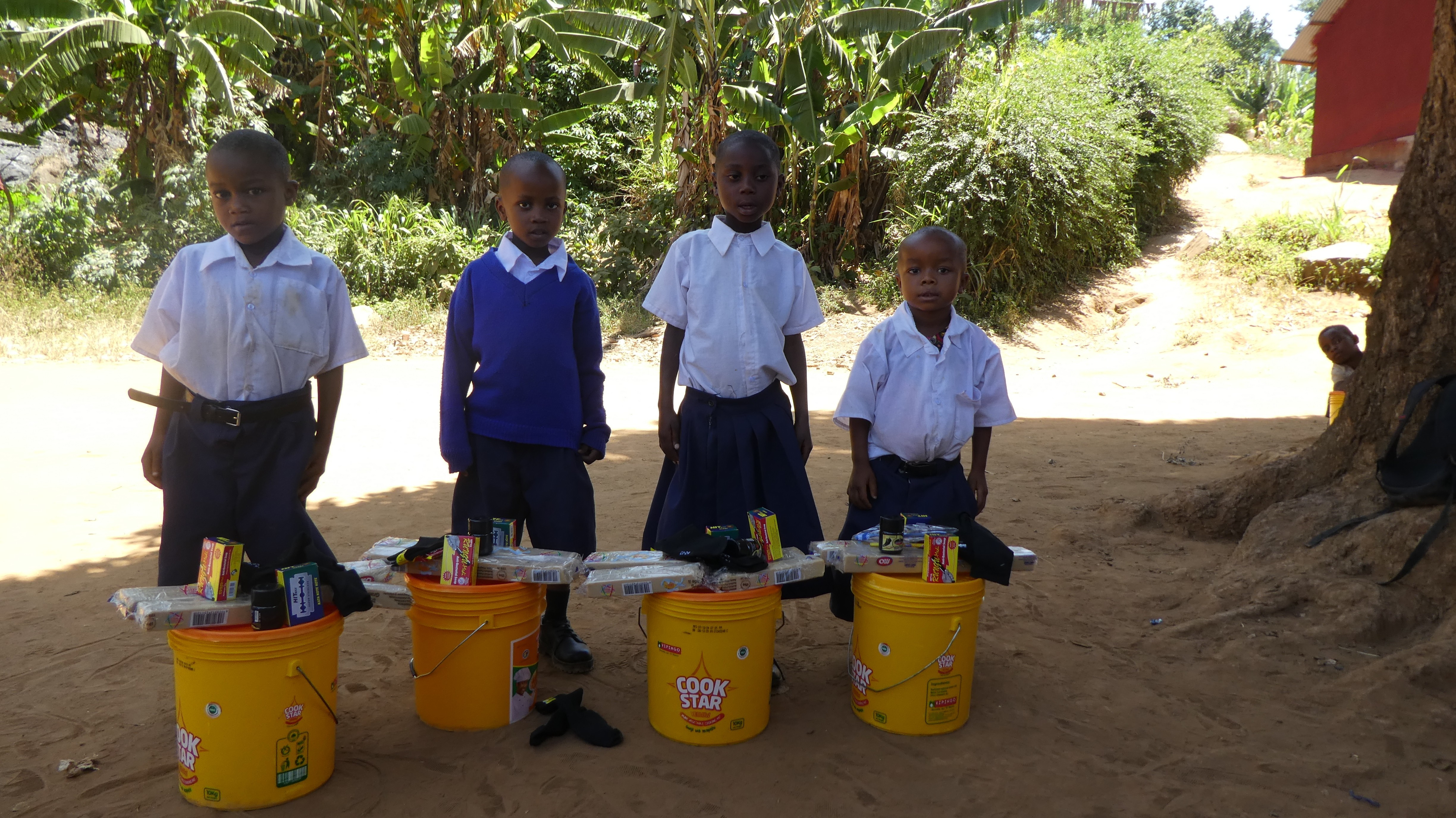
Hygiene kits distributed to primary school pupils in Village Africa’s Simba Club. (Love the little face behind the tree!) The kit included a toothbrush, toothpaste, comb, 2 hand soaps, 2 bars of laundry soap, a bucket, shoe polish and 2 pairs of socks. Thank you to all the sponsors in Village Africa’s Simba Club for their on-going kindness that supplied these and other essential educational and health items.
Tools given to 5 farmers preparing coffee-growing demonstration farms in Yamba. The tools were ropes, special scissors for coffee, shovels, rakes and tape measures. Many thanks to the UK donors.
Photo (left to right) – Mariana Gaudence, Peter Joseph and Zakia Yahaya
January 2026
Village Africa was able to fund different projects at Yamba Primary School, Yamba Dispensary and Mzizma due to a very generous donation from Deltec Citimail.
Yamba Primary School
The following work was completed
Repairing a classroom where a tree had destroyed the roof
Mending classroom floors
Painting 8 classrooms inside and outside plus rooves
Repairing 3 cupboards and 3 desks
Varnishing 3 cupboards and 69 desks.
A desktop computer and printer were also donated to Yamba Primary School before the renovation work. We hope the teachers and pupils will enjoy their new learning environment.
New Equipment
A sterilising machine and gas cylinder were donated to Yamba Dispensary. This machine will help to ensure that reusable medical devices are safe to use on patients, preventing the spread of infections.
A 1000 litre water tank was bought and installed at the Dispensary.
Electricity
Electricity has been installed at Vyaadahikana Village Africa Tanzania’s visitor area called Mzizma in the houses, kitchen, toilets, bathrooms and stores.
x
Congratulations to Sarah Mayne, Village Africa’s Chair (pictured centre), who won the Individual Volunteer Award at the Lloyd’s Market Charity Awards for her work with Village Africa. The Award came with a large donation to Village Africa. Thank you to the Lloyd’s of London Foundation for its generosity.
x
Thank you to Waterlooville Baptist Church for choosing Village Africa as one of its two Christmas charities 2025. We are extremely grateful for the generous donations to the Village Africa New Ambulance Appeal.
x
x
Good luck to 5 Yamba boys who have just started university to read the following:
Anthony Edmund – Bachelor of Arts with Education, University of Dar es Salaam
Richard Daniel – Bachelor of Arts with Education, St Augustine University of Tanzania (SAUTI) in Mwanza
Onesmo Richard, Bachelor of Arts with Education, Mwenge Catholic University (MWECAU) in Moshi
Peter Richard, Bachelor of Science with Applied Biology, Mwenge Catholic University (MWECAU) in Moshi
Moses Francis, Bachelor of Arts in Sociology, University of Dar es Salaam.
A big Thank You to those who came forward to sponsor them through Village Africa’s Simba Club.
November 2025x
Congratulations to Bernard Charles, Peter Laurent and Salum Ramadhani on passing their university degrees. A big thank you to all their Village Africa Simba Club sponsors in the UK.
Benard Charles passed a Bachelor of Arts in Education at St Augustine University of Tanzania (SAUT). He went to Mhanko Primary School, Mgwashi Secondary School and Pugu Secondary Centre in Dar es Salaam (Form 5 and 6).
Peter Laurent passed a Bachelor of Arts in Education at St Augustine University of Tanzania (SAUT). He went to Yamba Primary School, Mibukwe Secondary School, Mgwashi Secondary School (Form 4 exams) and Coastal High School (Form 5 and 6).
x
Salum Ramadhani from Kwembalazi passed a Bachelor of Arts (Education) at the Muslim University of Morogoro (MUM). He went to Mkurumuzi Primary School, Ivumwe Secondary School (Forms 1-4) and Matema Beach Secondary School in Kyela District, Mbeya Region (Forms 5-6).
October 2025x
Five Yamba farmers attended a 5-day coffee growing course at the Tanzania Coffee Research Institute (TaCRI) in Moshi, Kilimanjaro Region. They will set up demonstration farms to show how viable it is to grow this cash crop in Yamba. This new coffee project is being funded by Village Africa supporters in the UK.
Janet and Paul Sleath from the USA visit Malomboi Primary School. This was the 26th school where Village Africa and Kids Helping Kids have worked together to build school toilets and water tanks. The community welcomed Janet and Paul and presented them with gifts, including bananas and potatoes.
Team from Ramsey Grammar School on the Isle of Man researches Village Africa for the One World Charity Challenge. The initiative gives students the opportunity to speak out for people in the developing wolrd, through creating a presentation examining the work of a charity and the impact it has had on a young person.
Maiko Paulo and children at one of the water sources in Yamba
September 2025xxxx
x
Emma Southcombe (a Village Africa Director), Moe Brazenall (Child Sponsorship Coordinator) and Doug Brazenall (Fundraiser) visit Yamba (at their own cost) to see the latest work.
x
John Shekuamba fractured his knee. He had a fall when walking to the office in Yamba. He had a splint (due to severe swelling) before the hospital fitted a full plaster cast.
John Shekuamba leads the Vyaadahikana Village Africa Tanzania team based in Yamba. It is funded by Village Africa (We are a UK-registered charity).
x
x
x
Maiko Paulo joins the team in Yamba as a Manager. His English, computing, teaching, volunteering and people skills will be invaluable. Maiko comes from Yamba and is passionate about helping his own village. Maiko is well known to many Village Africa volunteers and visitors.
x
x
Sponsorship needed for 4 Yamba boys to go to University
x
Village Africa is looking for sponsorship for them. They have all passed Form 6 (A levels) and have qualified for university to start in October this year. Two of the boys are already in Simba Club and the others are not in Simba Club yet. It is our policy to look for sponsorship for all students who went to Yamba Primary School and qualify for uni. This is highly motivating for students as they go through the different education levels.
x
x
Yamba is a remote village and the students have done so well to reach this point. We hope they will be able to take up this amazing opportunity to study at university and go on to help their family, community and country.
x
We have been able to support a number of students through university in the last few years thanks to many generous sponsors. It costs £100 a month to sponsor each university student and a few incredibly kind people sponsor at that level. However, for most students we put together a group, each sponsoring at £20 or more a month.
x
Can you kindly sponsor a student at £20, £25, £50 or £100 per month to enable them to go to university?
x
Please contact info@villageafrica.org.uk if you are able to help.
x
Baby Jessica named after Jessica Broughton, Village Africa past volunteer. She was born in Milingano Health Centre after an emergency trip from Yamba in Village Africa’s ambulance. Her mother is Veronika Patrick and her father Jacobo.
x
x
Congratulations to David Julius from Kishimai who has passed his 2-year certificate in Nursing and Midwifery. David is a former pupil of Yamba Primary School and studied at Korogwe School of Nursing. Thank you to his UK sponsor who supported him through Simba Club, Village Africa’s student sponsorship scheme.
x
x
Congratulations to Mariana Casmiri from Yamba who has passed her 3-year certificate in Livestock. She started at Kiwanda College near Amani but moved to Handeni FDC due to a shortage of teachers in this subject. Many thanks to her sponsor in the USA who supported her through Simba Club.
x
x
Congratulations to Simoni Charles from Yamba who has passed his 3-year Secretarial and Computer Application course at VETA (Vocational Education and Training Authority) in Tanga. Thank you to his Simba Club sponsor in the UK for supporting him.
x
x
Baby Tom named after Tom Dickin, Village Africa past volunteer. He was born after a Village Africa ambulance emergency trip from Yamba to Milingano Health Centre. His parents are Maiko Paulo and Scola. Congratulations to all the family and of course to Tom Dickin – what an honour to have a baby named after you.
x
x
Yamba road reaches Lutheran Church – Using hand tools, local volunteers extend the road by 1km to reach the church.
xL
August 2025x
xx
Congratulations to Ombeni Emmanuel who has completed his 3-year certificate course in Domestic and Industrial Electricity at Bigwa College. Many thanks to his sponsor in Australia for supporting him through Simba Club, Village Africa’s student sponsorship scheme.
x
Fiona Phillips (past Village Africa volunteer) returned to Yamba with her son Ben for a visit. She wrote “It was wonderful to see the village growing and thriving, and to witness the children’s eagerness to learn and blossom.” Ben enjoyed answering questions from pupils at Yamba Primary School about his schooling in the UK.
Fiona and Ben with Melania Edimundi
Congratulations to William Tadei from Yamba who has completed a 3-year Masonry course at Kiwanda College, near Amani, Tanga region. He did this after passing Form 4 (O levels) at secondary school. Many thanks to his Village Africa sponsor in the UK for helping him to attain these skills.
July 2025x
Meeting Needs makes a generous grant to help Village Africa’s life-saving ambulance service. Emergency trips are provided day or night to help seriously sick patients and women having complications during labour. Many thanks to those in the Events Industry and their partners.
June 2025x
Dianne Ellis visited Yamba for the first time and was warmly welcomed by the community. She wrote “I was delighted to visit and meet the V V Africa team but I was very surprised at the level of poverty in the village. There is much more needed to give them a just basic standard of living – Village Africa is amazing in working towards this. My thanks to all the team.”
Young members of Simba Club with their drawings for their kind sponsors.
Left to right Back – Joseph and Joakim. Front – Kilian, Deborah and Richard
May 2025
Village Africa’s ambulance service – Baby girls
Jackline Kundael born after her mother Helena Michael took an emergency trip from Yamba to Milingano.
Amina Omary with her mother Zalika Rajabu from Kwembalazi who was driven from Milingano Health Centre to Magoma.
Many thanks to the generous donors who made these journeys possible.
Blankets distributed to pupils in Simba Club, Village Africa’s child sponsorship scheme. It is cold at night in the mountains in July and August.
Yamba Primary School (Front left to right) Joseph, Kilian, Deborah, Richard (Back left to right), Emily and Ginzela
Milingano Primary School (left to right) Resma, Mwenjuma and Salome
March 2025
Sweaters and hats given to newborn babies in Yamba. Thank you to the knitter in the UK and her daughter who sent them.
Babies Janet Simon and Prosper Peter
December 2024
x
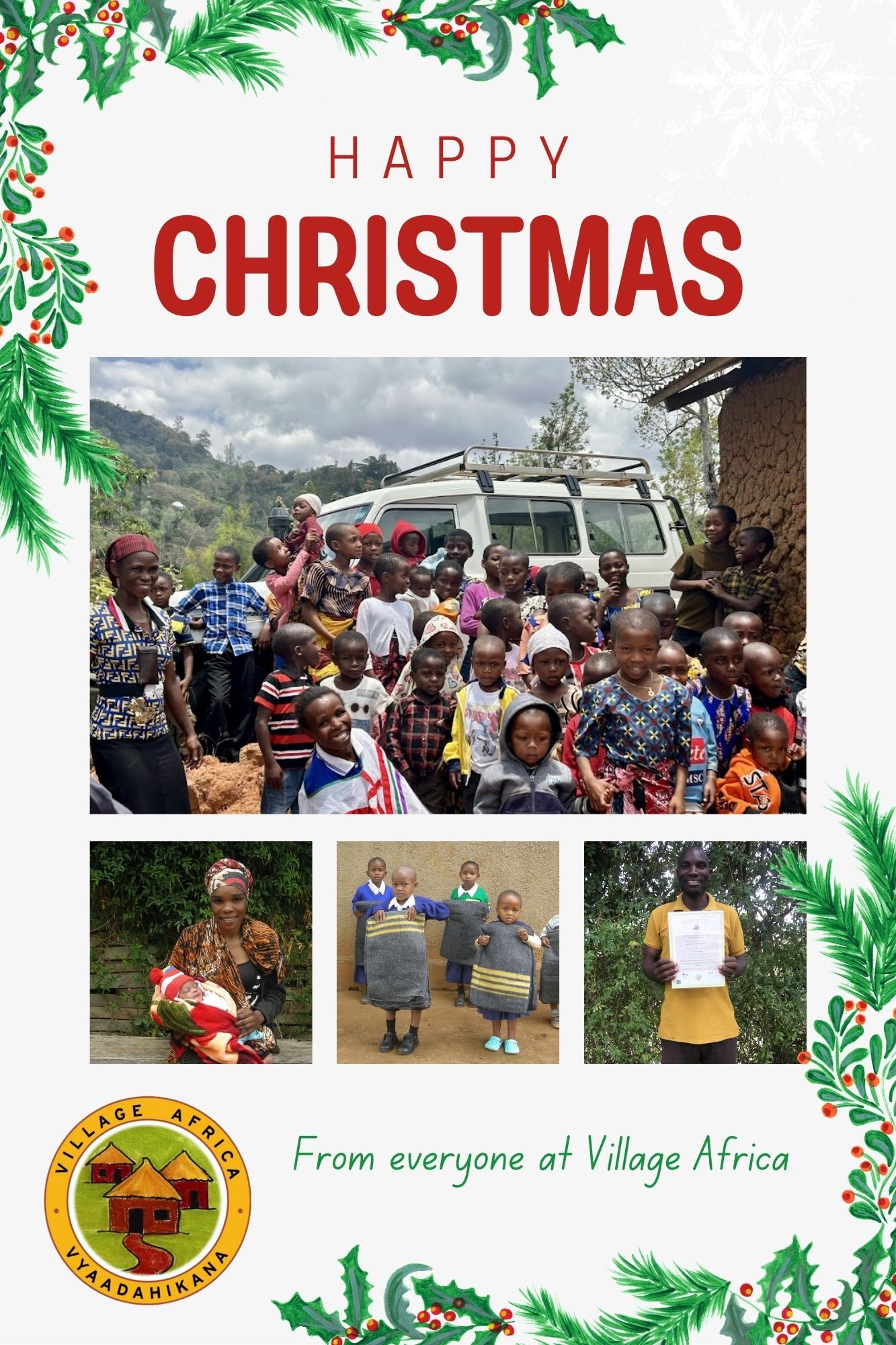
Happy Christmas from everyone at Village Africa. We are extremely grateful for your love, kindness and continued support this year.
x
Thank you to everyone who has donated towards the New Ambulance Appeal.
x
We are also delighted with the academic progress the students are making. Education is the future. As ever, thank you again to all our Simba Club sponsors.
x
Thank you to all of you who have helped the villagers of Yamba, Milingano and the surrounding area in different ways.
x
We wish you and your loved ones a very Merry Christmas and Happy New Year.
The Village Africa team
x
Make a Christmas Donation to the Village Africa Ambulance Service
FUND FUEL FOR AN EMERGENCY TRIP
Donate £6 – To fund a round trip from Yamba to Milingano Health Centre
Donate £13 – To fund a round trip from Yamba to Magoma Health Centre
Donate £30 – To fund a round trip from Yamba to Tanga (Bombo Hospital or Tumaini Health Centre).
Thanks to your support and generosity, we have reached a quarter of the way to the target for our new ambulance. This is an incredible achievement and we say a big THANK YOU to those who have donated online and offline. We are striving to reach the target but we really need your help.
x
The ambulance we bought in 2012 will soon reach the point where it could become unreliable for emergency transport. The community greatly values and appreciates this assistance and the ambulance service is saving many lives young and old.
x
Please donate, share the appeal news online or in person, recommend us and make contacts for us. Are you able to do an event and fundraise for the ambulance to help us to reach the target? Thank you for whatever you can do to assist (Asante sana).x
x
x
Congratulations to Agatha James from Yamba who has passed her BA with Education at the University of Dar es Salaam. Village Africa is very proud of her. Agatha studied at Yamba Primary School, Jaila Secondary School and Mkingaleo High School. She now has a job at a private school in Dar es Salaam. Many thanks to her Village Africa sponsors in Australia and the UK for supporting her. What a gift!
x
x
Congratulations to Samueli John who passed his Certificate in Information and Communication Technology at St Augustine University of Tanzania (SAUT) in Mbeya. Village Africa is proud of his achievement. Samueli went to Yamba Primary School and then Capuchin Boys Secondary School. Many thanks to his Village Africa Simba Club sponsors in the UK for helping him.
x
Village Africa’s ambulance service – Morini Anthon took an emergency trip from Yamba to Milingano Health Centre due to complications during childbirth. She gave birth to a baby boy called Faizal Iddi. Many thanks to those who donated to Village Africa to make this urgent journey possible.
Selemani Shemweta cut his leg badly and needed an emergency trip from Milingano to Tanga in Village Africa’s ambulance. Thank you to all Village Africa donors who made this journey possible.
x
Malaria – Regina James needed an emergency trip in Village Africa’s ambulance from Yamba to Tanga where she was admitted to hospital. Fortunately, she recovered and is back in the village. Regina is known to some Village Africa supporters as she sometimes works as a cook at Mzizima, the visitor accommodation. Many thanks to all the Village Africa donors who enabled Regina to get to a big hospital when she needed urgent life-saving treatment.
x
November 2024
Naifat Hassani born after an emergency trip from Milingano to Maramba in Village Africa’s ambulance. She is pictured here with her mother Shakila Ayubu. Thank you to Village Africa donors who made this possible.
x
Congratulations to Epimack Francis from Yamba who has passed his Bachelor of Science with Education at Mkwawa University College of Education (a 3 year course). We are so proud of him. Many thanks to his Village Africa sponsors in the UK, France and Ireland for their generosity.
x
Epimack went to Yamba Primary School, Mibukwe Secondary School in Milingano, Maweni Secondary School in Kange (just outside Tanga) and Usagara Secondary School in Tanga. After passing Form 6 (A levels), Epimack was selected to do three months National Service in the army and successfully completed this work before doing a 2-year Diploma in Education in Science Subjects specialising in biology and geography at Tukuyu college in Mbeya, the southern part of Tanzania.
x
x
Good luck to six Yamba students starting university. Many thanks to their Village Africa sponsors in Australia, France, Ireland, Germany and the UK for supporting them so generously.
(left to right Edward, Yohana, Alfred, Francis, Anthony and Jerome)
Edward Francis, BA with Education, St Augustine University. He studied at Yamba Primary School, Mibukwe Secondary School (Forms 1-4) and Mombo Secondary School (Forms 5-6).
Yohana Fidelis, Bachelor of Science with Education, University of Dar es Salaam. He studied at Yamba Primary School, Mibukwe Secondary School (Forms 1-4) and Handeni Secondary School (Forms 1-5).
Alfred John, BA with Education, University of Dar es Salaam. He studied at Yamba Primary School, Mhanko Primary School, Mgwashi Secondary School and Galanos Secondary School.
Francis Peter, Bachelor of Transport and Logistics Management, College of Business Education, Dar es Salaam. He studied at Yamba Primary School and Mgwashi Secondary School and Mombo Secondary School.
Anthony Richard, BA in Education, University of Dar es Salaam. He studied at Kito Primary School, Mazumbai Secondary School (Forms 1-4) and Mombo Secondary School (Forms 5-6).
Jerome Mathias, BA with Education, St Augustine University, He studied at Yamba Primary School, Mgwashi Secondary School (Forms 1-4) and Mombo Secondary School (Forms 5-6).
x
Primary school pupils in Simba Club receive watches, bags, buckets and toiletries (hand soap, comb, body lotion and soap for washing clothes). Thank you to their sponsors for year round support.
Tailors from Milingano measure Simba Club primary school pupils for new uniforms ready for the start of the academic year in January.
x
Baby girl born after an emergency trip from Milingano to Magoma. Her name is Irham Ramadhani and she is pictured here with her mother Zainabu Mahamudu.
x
x
Good luck to the 3 students below who have started 3-year Technical certificate courses. Village Africa is delighted that they all passed Form 4 (O levels). Thank you to their Village Africa Simba Club sponsors in Italy and the UK.
x
Swahibu Salele is studying Human Resources and Management at Tengeru College in Arusha. He went to Kwembalazi Primary School and Mgwashi Secondary School.
x
Joanna Edmundi is studying Business Administration at the College of Business Education CBE in Dar es Salaam. Joanna went to Yamba Primary School, Kongoi Primary School and St Theresia Secondary School in Moshi, Kilimanjaro Region.
x
Zikiri Mohamedi is studying Banking and Finance at the Institute of Accountancy Arusha (IAA). He went to Kwembalazi Primary School and Mibukwe Secondary School in Milingano.
October 2024
Six school toilets and three water tanks for Malomboi Primary School. Many thanks to Kids Helping Kids in the USA for this initiative and funding.
This is the 26th school where Village Africa and Kids Helping Kids have worked together to build school toilets and water tanks.
Ten student nurses from Italy and Austria visit Yamba to see the work of the charity and to experience village life.
x
Left to right at the office in Yamba
Back row – Caroline, Martina, Simon, Melanie, Lara, Jana, Madeleine
Front row – Hanna, Daniela, Luis
x
Harry and Tilly from the UK enjoy time in Yamba and the surrounding area exploring and learning more about Village Africa’s work and the communities it serves.
x
Baby boy born after an emergency trip from Yamba to Milingano in Village Africa’s ambulance. He is called Praygod Togolai and is pictured here with his mother Agnes Marko.x
x
Good luck to the following Yamba students who have just started Form 5 (A levels). Village Africa is delighted that they passed Form 4 (O levels). Victoria Richard has gone to Kipingo Secondary School in Morogoro and Kelvin Richard to Soni Seminary in Lushoto. Both went to Yamba Primary School and Mgwashi Secondary School. A big Thank You to their Village Africa Simba Club sponsors in the UK.
Team from QE2 High School, Isle of Man studies Village Africa for the One World Charity Challenge. The initiative sets out to give Year 12 students a greater understanding of the developing world through researching the work of a charity working overseas.
Library photo – Children in Yamba
September 2024
Electricity comes to Yamba. This is a Tanzanian government project. Homeowners were advised to wire their houses, register with the government and then the engineers made the connection live. Many took up this offer, with others to follow in October.
Village Africa’s ambulance service – Agatha Peter gives birth to a baby girl called Angel Fabiano after an emergency trip from Yamba to Milingano and then Magoma. Thank you to Village Africa donors who enable us to run the ambulance day and night.
Ultra Challenge 2025 Calendar announced. Walk, jog or run to raise money for Village Africa (see Events tab).
Sponsorship needed for University Students
x
Village Africa is looking for sponsorship for 6 students from Yamba who have qualified for university. They are all boys who come from this remote and very poor location. This is an incredible achievement and we want them to reach their full potential, pursue their dreams and go on to get good jobs and help support their families and community. They are high-flyers and have applied for three-year courses (some may be four years) which start in October 2024.
x
We have been able to support some students through university in the last few years, thanks to a number of generous sponsors. It costs £100 a month to sponsor each university student and a very few incredibly kind people sponsor at that level. However, for most students we put together a group, each sponsoring at £20 or more a month.
x
Anything you can give will help the university education of these students who all started out in the primary schools in and near Yamba.
x
Can you kindly sponsor a student at £20, £25, £50 or £100 per month to enable them to go to university?
x
Please contact info@villageafrica.org.uk if you are able to help.
x
x
Congratulations to Fredy Dominic from Yamba who has passed his BA in Sociology at Saint Augustine University of Tanzania. What an achievement! We are very proud of him.
x
Many thanks to his Village Africa Simba Club sponsors in the UK for helping to make this happen. An amazing gift to a young person.
x
His graduation ceremony will be in December.x
Eight student nurses from Austria and Italy visit Yamba to see Village Africa’s work and be immersed in the local culture.
Above (Left to right) – Joseph, Samantha, Katharina, Jasmin, Linda, Lea, Anastasia and Clemens at Yamba Primary School
August 2024
Baby boy born after an emergency trip from Milingano to Magoma in Village Africa’s ambulance. He is called Kasimu Juma and is pictured here with his mother Fatuma Vicent. Thank you for donations to Village Africa that made this journey possible.
Wheelchairs were custom made in Tanga for three men in the villages. Thank you to the UK donor for funding these.
Left to right – John Philipo (Yamba), Hassani Yusuph (Kwembalazi), Nuru Athumani (Kwemikame – just outside Milingano)
July 2024
x
Stationery and school sweaters distributed to Simba Club students (Village Africa’s student sponsorship scheme). Thank you to all student sponsors for their kindness throughout the year. More information about Simba Club can be found here.
X
X
June 2024
x
Village Africa’s New Ambulance Appeal reaches £20,812. Many thanks to those who have made recent donations online or offline.
x
Others, please DONATE to help us reach the £85,000 target. FUNDRAISERS also needed please.
Malaria – Christina Kipoliti needed an emergency trip in Village Africa’s ambulance from Yamba to Milingano Health Centre. Many thanks to all Village Africa supporters who made possible this urgent journey to help an elder of the village.x
x
Paul Hewitt is taking part in the Saucony London 10K on Sunday 14 July 2024 in aid of Village Africa. Please read his motivation below. Please donate on the link shown.
x
“I have wanted to support Village Africa for a couple of years now but took a while to get going. I am so impressed with the great work you do as a charity and think it is vital we in the rich North help developing countries and especially in Africa where the UK has a long history of intervention. I lived in Africa for many years and want to give a little back through raising the awareness of the projects you support.”
Are you a keen walker or runner looking for a challenge? Perhaps you want to get in shape and re-energise & fundraise for Village Africa? Why not consider signing up for an Action Challenge event? Whether it’s along a stunning coastline, or on trails in the best of Britain’s countryside, your Ultra Challenge® will be unforgettable – with full support, new friends made, and an amazing sense of achievement. More information can be found on our Events Page or on the Action Challenge website.
x
Baby girl born after an emergency trip in Village Africa’s ambulance. Her name is Sara and she is pictured here with her mother Beatrice Yohana. Many thanks to Village Africa donors who made this urgent trip from Milingano to Tanga possible.
x
x
Congratulations to Michael Eliasi from Yamba who has passed his 2-year VETA (Vocational Education and Training Authority) Masonry and Bricklaying course at Maramba, (halfway between Yamba and Tanga). He did this course after Form 4 (O levels) at Mibukwe Secondary School. Many thanks to his Village Africa Simba Club sponsor in the UK for supporting him.
x
Michael now has the skills to find work. There is a lot of building still going on in Tanzania (eg houses, schools, hospitals, bridges and roads).
Sweaters and matching hats for newborn babies in Yamba. Kindly knitted and posted to Tanzania by Village Africa supporters in the UK. Thank you (‘Asanteni sana’).
x
Collect and Recycle printer cartridges. Help the environment and Village Africa at the same time! Simply print a label from recycle4charity.co.uk, collect cartridges and post free of charge in an envelope or box. Village Africa will receive a donation for every suitable cartridge you send. Eligible cartridges raise up to £2 per cartridge. See recycle4charity.co.uk to see which cartridges are eligible. Selling ink cartridges in this way stops them from going to landfill or being incinerated.
x
Please recycle your own cartridges.
x
Can you even go one step further and collect cartridges from your family and friends, school, college, work, church, gym or social club and send them off please? Some charities have raised hundreds and even thousands of pounds doing this. Village Africa needs to find new sources of funding and this is one way.x
x
Raise money for Village Africa when you shop at Amazon!
x
Amazon doesn’t show up when you search for it on easyfundraising but if you type ‘easyfundraising amazon’ into Google or follow the link below, you can still raise 0.5% every time you shop at Amazon.
Waterlooville Baptist Church has adopted the New Village Africa Ambulance as the cause for their latest appeal and they raised the magnificent sum of £948.35! This now brings the total raised to £19,590 – 23% of our target. Running an Ambulance service in the Usambara mountains requires rugged four-wheel drive vehicles which, sadly, don’t come cheap.
Congratulations to Lucy, Freya and Dora who came FIRST in the advocacy category in the One World Charity Challenge. The Year 12 students from Castle Rushen High School on the Isle of Man won an amazing donation of £2000 for Village Africa. This is appreciated more than ever due to the current cost of living crisis and will help us to continue our vital work. Thank you, Lucy, Freya and Dora for your hard work and for supporting Village Africa.
x
Student nurses from Austria and Italy visited Yamba. Anna, Emanuel, Hannah, Isabell, Linus, Magdalena and Sophia enjoyed a warm welcome and loved learning about the culture. They kindly brought exercise books and pens for all pupils at Yamba Primary School.
Village Africa’s ambulance service – Shabani Omari broke his leg and needed an emergency trip from Kwembalazi to Tumaini Health Centre in Tanga. Thank you to all Village Africa supporters who made this journey possible.x
March 2024
Good luck to the Year 12 students from Castle Rushen High School on the Isle of Man who have made it through to the final of the One World Charity Challenge which takes place on 26 March 2024. Lucy Sloane, Freya Gelling and Dora Giummri (pictured below) are hoping to raise £1,000 towards Village Africa’s new ambulance appeal and have been promoting the charity challenge on Manx Radio.Thank you for your hard work and for supporting Village Africa.
Congratulations and a huge thank you to Sean Campbell and all his supporters. His 110km walk raised a fantastic £1,778.75 towards the Village Africa new ambulance appeal. We are extremely grateful to Sean and everyone who sponsored him.
x
Jango’fua had a fall and broke both his shoulders. He was rushed to hospital in Village Africa’s ambulance from Yamba to Tanga. Many thanks to all Village Africa supporters who made this emergency trip possible. Mzee Jango’fua (Fidelis Edimund) is the Office Watchman for Vyaadahikana Village Africa Tanzania, funded by Village Africa.x
February 2024
Many thanks to staff, pupils and parents of Queens Inclosure Primary School in Waterlooville for raising much needed funds for Village Africa through their Christmas collection. These funds will help us to continue our work in Yamba and surrounding villages.
x
Exercise books, pens and pencils distributed to primary school pupils in Simba Club, Village Africa’s child sponsorship scheme. Here are Milingano pupils Mwenjuma, Salome and Rasma (left to right). Thank you to all student sponsors for their kindness throughout the year.
x
x
January 2024
Happy New Year from Village Africa. May 2024 be kind to you and your loved ones wherever you are!
x
Cost of living crisis – The cost of living crisis is hitting Village Africa. Prices have gone up around the world, including Tanzania. We are prioritising the ambulance service as it saves lives but the ambulance is expensive to run. Fuel prices are up, tyres need replacing frequently due to the rugged terrain and maintenance costs are high as the vehicle is 11 years old. Please Donate and Fundraise for Village Africa so we can be there when seriously ill patients need urgent help.
December 2023
The Boxing Day sales have started! If you’re looking for a bargain online, please use #easyfundraising to raise a donation for Village Africa at the same time. It doesn’t cost you anything extra and thousands of brands will donate for FREE. If you’re not supporting us on easyfundraising yet, now is the perfect time to get involved. Please sign up here: https://join.easyfundraising.org.uk/villageafrica/B079SN/c2s/J38IK64z/CE785/facebook/
We are extremely grateful for your loyalty and continued support this year, especially during these difficult times.
x
Six school toilets and three water tanks for Makanya Primary School kindly funded by Kids Helping Kids and built by Vyaadahikana Village Africa Tanzania, our local partner.
x
x
All six Simba pupils at Yamba Primary School passed their Standard VII school leavers’ exams and qualify for secondary school. Simba Club is Village Africa’s student sponsorship scheme. Many thanks to their sponsors for helping to make this happen.
x
x
Baby Joanna named after Joanna Leigh (nee Elgar) who was a Village Africa teaching volunteer in Yamba and Milingano primary schools. The baby was born in Bombo Hospital in Tanga after an emergency trip in Village Africa’s ambulance. Her parents are Mary Spriani from Maramba (pictured here) and Paulo Charles from Yamba. Maramba is about halfway between Yamba and Tanga. Many thanks to all Village Africa donors who make our life-saving ambulance service possible. You helped to save two lives in this case!
x
One World Charity Challenge – Dora, Lucy and Freya from Castle Rushen High School on the Isle of Man have taken on this challenge. They are researching Village Africa and will make a presentation about our charity in a competition. They have also kindly decided to fundraise for Village Africa too. This is their GoFundMe link gf.me/u/49xhm5
x
This Christmas bake sale is one of their first ventures, along with selling Village Africa stickers. They are Year 12 students. Village Africa thanks them for choosing our charity and hopes they get lots of valuable experience and fun from doing the challenge. https://www.oneworldcharitychallenge.com
x
x
Heavy rain made the Yamba road impassable to all vehicles, including Village Africa’s ambulance. Fortunately, local volunteers helped Edmundi Senkunde (Village Africa’s driver in the Colorado T-shirt) to clear the route.
x
x
Malaria – Teresia Joseph fell unconscious. The family called Village Africa and our ambulance rushed her from Yamba to Milingano Health Centre. Fortunately, Bibi Teresia made a full recovery and is back to her usual cheerful self. Teresia lives in Kwemshi, near Village Africa’s old garage. Many thanks to all Village Africa donors who made this particular emergency trip possible.
x
xx
Making new school sweaters for primary school pupils in Village Africa’s Simba Club. Mama Ade and Anjella Edmundi make them on their knitting and sewing machines. Thank you to all the sponsors.
x
x
Good luck to Bilhuda Rashidi from Milingano who is starting a Technician Certificate in Clinical Medicine course at Hisani Institute of Health and Allied Sciences in Korogwe. It is a 2 year course. Bilhuda passed Form 6 (A levels) and is excited to have the opportunity to do this vocational course. Thank you to her Village Africa Simba Club sponsor in the UK and Bilhuda’s parents for supporting her.
x
x
x
Please remember to use #easyfundraising when you do your Christmas shopping. Over 7,500 brands will donate to Village Africa at no extra cost to you – so you can raise donations when you buy gifts, decorations, your festive food shopping or anything else! https://www.easyfundraising.org.uk/causes/villageafrica
x
November 2023
x
Waterlooville Baptist Church chooses Village Africa’s New Ambulance Appeal as one of its two Christmas charities 2023.
x
x
Baby Diana named after Village Africa supporter Dianne Larsen of Skynet. The baby is pictured here with her mother Sophia Charles in Yamba. Baby Diana was born in Milingano after an emergency trip in Village Africa’s ambulance.
x
Stationery kits given to pupils in Simba Club (Village Africa’s child sponsorship scheme). Many thanks to sponsors who support the children throughout the year.
Emergency trip – Daniel Fedrick needed an urgent trip in Village Africa’s ambulance to the health centre in Milingano. He had been involved in a motorbike accident in Yamba and injured his leg. Thank you to all Village Africa donors who made this possible.
Robert and Eva, tailors from Milingano, measuring Simba Club pupils for new school uniforms. Thank you to all the Village Africa sponsors.
October 2023
Good luck to Bonifasi Ludovick from Yamba who has just started his Bachelor of Education at the University of Dar es Salaam. It is a 3 year course. Many thanks to those in the UK and Belgium who have come forward to sponsor him via Village Africa’s student sponsorship scheme called Simba Club.
x
Baby Petro Joseph born in Milingano health centre after an emergency trip in Village Africa’s ambulance. His parents, Flora Joseph and Joseph Michael, live in Yamba. Many thanks to all Village Africa donors who make the life-saving mountain ambulance service possible.x
September 2023
x
Congratulations to four students from Yamba in Village Africa’s Simba Club who have passed university. We are so proud of them and hope them will go on to help their families, community and country for many years to come. Many thanks to their sponsors in the USA, UK, Belgium, and previously Canada, for their kindness and generosity.
x
Alfred Vicent passed his Bachelor of Education at Mwenge University. Alfred went to Yamba Primary School, Mibukwe Secondary School, Mgwashi Secondary School (Form 4) and Shambalai Secondary School in Lushoto (Forms 5-6).
x
x
Jackline John passed her degree in Accounting and Finance in the Public Sector at Mzumbe University. Jackline attended Amani Kindergarten, Yamba Primary School, Kongei Secondary School (Forms 1-4) and Machame Girls Secondary (Forms 5-6).
x
x
Petro Dastani passed his Bachelor of Education degree at the University of Dar es Salaam (UDSM). Petro studied at Yamba and Milingano Primary Schools, Ilboru Secondary School (Forms 1-4) and Lindi (Form 5-6).
x
x
Stanislaus Richard passed his Bachelor of Education course at St Augustine University of Tanzania (SAUT). Stanislaus went to Yamba Primary School, Mgwashi Secondary School (Forms 1-4) and Rangwi Secondary School in Lushoto (Forms 5-6).x
x
x
Congratulations to two students in Village Africa’s Simba Club who passed Form 6 (A levels). A great achievement. Thank you to their Simba Club sponsors in the UK for their generosity.
x
Bilhuda Rashidi went to Milingano Primary School, Mibukwe Secondary School and Coastal High School in Tanga.
x
x
Bonifasi Ludovick went to Yamba Primary School, Mibukwe Secondary School, Mgwashi Secondary School and Sokoine Memorial High School in Morogoro.
July 2023
Emma and Adam Mayne held a cake and jumble sale in aid of Village Africa. They baked cakes and sold many of their old games and toys. A big ‘Thank You’ to them and everyone who bought items.
May 2023
Second week of farming seminars and farm visits in Milingano (including Kwagogo) organised by Village Africa and kindly funded by Kids Helping Kids in the USA.
Peter Shemweta answered follow up questions about livestock and crops, arising from the first week of training in March 2023. He also discussed additional crops (eg cabbage, carrots, cucumber, avocado, papaya and passion fruit). Training included how to keep livestock and crops healthy, how to increase livestock and yields and how to market produce.
April 2023
Village Africa’s New Ambulance Appeal was launched on Easter Sunday.
Please see this link for details and give generously.
Please also fundraise if you can. Can you take part in a sponsored event, sell cakes or rope in your company, school, place of worship, gym or club?
x
Please share this news widely (including our Facebook post) to help us gather support.
x
We REALLY need your help on this one. The target is £85,000 to cover the cost of the vehicle, modifications and inflation. This is a big challenge at this time and for a small charity but the need for the ambulance is great. The community values and appreciates this assistance and the ambulance service is saving many lives young and old.
x
Thank you for whatever you can do to assist (Asante sana)
Caroline (Makihiyo) and the Village Africa team
x
New library in Yamba built by Village Africa and put into immediate use. It has a large room for the primary school children and two smaller rooms for the secondary school boys and girls when they are home during school holidays. There is also a room that will store local history information. There are two water tanks (another to be added soon) and two toilets. We no longer have to rent a mud hut! More furniture will be made when funds allow. Thank you to the many donors in the USA, Austria, Italy and the UK who so generously funded the building work.
x
March 2023
x
One week of farming seminars and farm visits in Milingano were organised by Village Africa and kindly funded by Kids Helping Kids in the USA.
x
Topics covered included livestock (modern diary cows, traditional cows, sheep, goats and chickens) and crops (sisal, sunflowers, cashew nuts, maize, beans, cassava and banana). The subsistence farmers were encouraged to use modern methods in order to generate income.
x
The training and discussions were led by Charles Emmanuel and Peter Shemweta.
x
x
Three student nurses from Italy visit Village Africa in Yamba for the weekend. They are doing their internships at Tumaini Catholic Health Centre. A warm welcome was put on for Daniela, Kathrin and Nadia by Yamba Primary School.
x
x
Scorpion bite – Baby Moe Jacob needed an emergency trip in Village Africa’s ambulance from Yamba to Milingano Dispensary when bitten. Fortunately, she has made a full recovery. Thank you to all Village Africa donors who made this urgent journey possible.
x
x
February 2023
x
Lorry accident – Imanuel Fedrick broke his leg and needed an emergency trip in Village Africa’s ambulance from Milingano to Bombo Hospital in Tanga. The accident happened between Mashewa and Milingano. A big thank you to Village Africa donors who made this emergency trip possible. Your kindness is much appreciated by the whole community.xx
x
Maize crops are failing for the third time in Yamba, Kwembalazi and Milingano due to poor rainfall. Tough times for the villagers.
x
The improved maize seeds donated by a Village Africa supporter did a little better. These seeds can be bought in Soni near Lushoto (Yamba villagers need to take 3 buses each way).
x
A farmer in the valley between Yamba and Milingano is using a water pump and his maize has flourished.
x
Most villagers are subsistence farmers. They need to grow enough food to store for their own family’s use until the next harvest and keep some seeds to sow. If there is any surplus crop, it is sold to get cash for all other expenses (eg food and groceries they cannot grow, medicine, clothes, school fees and transport).
x
Coping with climate change is a real challenge on a daily basis.
x
x
Good luck to the following students who passed Form 4 (O levels) and have started vocational training. Thank you to their Village Africa Simba Club sponsors in Denmark, the USA and the UK and their families for continuing support.
x
William Tadei has started a 3 year Masonry course at Kiwanda College, near Amani, Tanga Region. William went to Yamba Primary School, Mibukwe Secondary School and Mgwashi Secondary School.
x
x
Simon Charles has started a Secretarial and Computer Application course at VETA (Vocational Education and Training Authority) in Tanga. It is a 3 year course. Simon went to Yamba Primary School and Mibukwe Secondary School.
x
x
Aloisi Philipo has started a 3-year Electricals course at Kiwanda College. Aloisi went to Yamba Primary School and Mibukwe Secondary School.
x
x
Simba Club – Ramadhani Issa and Karimu Ramadhani from Kwembalazi Primary School with their latest gifts from sponsors (shoe polish, a bar of soap for washing clothes, hand soap and body cream). These will help them to look smart at school and stay healthy. Thank you to all Simba Club sponsors for their help throughout the year. It encourages the students to do their best and reach their true potential.
x
x
Teak – Village Africa plants 26 more teak trees at Kwemshi in Yamba (where our old garage is). They will be watered as necessary to make sure they flourish. They take 16-18 years to mature. When harvested, they should fetch a high price as teak can be used for furniture, boat building etc. The saplings cost 1,000 tsh (approximately 38p). Thank you to the donors who contributed. Photo – Teak trees Village Africa planted a few years ago and which are thriving.
x
x
Baby girl born in Milingano Dispensary after her mother, Regina Leo, took an emergency trip in Village Africa’s ambulance. Many thanks to all Village Africa donors who made this journey possible. The ambulance is greatly valued by the whole community. It saves lives.
x
x
Avocado trees – Village Africa has 35 planted avocado trees. They are the new variety that only grow to ceiling height so are easy to harvest. They take 3 years to mature and then fruit can be sold. Trees are good for the environment and help to protect the water sources. The saplings cost 4,000 tsh each (approx £1.50). Thank you to the donors who contributed.x
x
x
Photo – Sheki (Edmundi Maiko)
x
Alli Shaw held a Birthday Fundraiser on Facebook. She asked her family and friends to donate to Village Africa to celebrate her special day. Thank you to all who so kindly contributed, giving us much needed funds to continue our work in Milingano, Yamba and the surrounding remote villages. Alli was a Village Africa teaching volunteer in Milingano and is now one of our Directors.
x
x
Village Africa’s ambulance service – Denis Elias broke his leg playing football in Milingano. He needed an emergency trip to a big hospital in Tanga to get a plaster cast. Thank you to all Village Africa donors who made this journey possible.
x
x
Looking for something special for yourself or a loved one? Unusual gifts for sale in aid of the charity on Village Africa’s eBay page. Thank you to the supporters helping us in this way.
x
x
AmazonSmile is winding down by 20 Feb. Thank you to all Village Africa supporters who collected donations for us through this scheme. Thank you also to Amazon for its generosity over many years. Amazon knows times are difficult for everyone, including charities, so it will give an additional one-time donation to participating charities equivalent to six months of what they earned through the programme in 2022.
x
x
January 2023
x
Congratulations to three students sponsored by Village Africa who have graduated from university. We are very proud of them.
x
William Ng’wanyemi passed his BA in Sociology and Social Work at Mwenge Catholic University in Moshi. William went to Yamba Primary School, Mibukwe Secondary School in Milingano and Coastal High School in Tanga. Thank you to his Village Africa Simba Club sponsors from the UK, Australia and Canada.x
x
Adelina John Samweli passed her BSc in Food Science and Technology at the University of Dar es Salaam. It was a 4 year course. Ade studied at Amani Primary School, Yamba Primary School, Mibukwe Secondary School in Milingano, Kongei Secondary School in Lushoto (Form 1-4), St Christina Girls’ Secondary School in Tanga (Form 5-6) and the Ministry of Agriculture Training Institute Uyole in Mbeya (Diploma). Thank you to her Village Africa Simba Club sponsors in the UK for their kindness and generosity.
x
Rojas Ismail Ndeha passed a BA in Education at the University of Dar es Salaam. Rojas is from Yamba but went to Milingano Primary School. Many thanks to his Simba Club sponsors in Australia.
x
Congratulations to Magda Baruti who has a son. Baby Nick is named after Nick Broughton, a Village Africa supporter. Magda worked for Village Africa as a translator/manager. She was then sponsored through our Simba Club to do the Montessori Kindergarten teacher training course in Lushoto. She passed and then Village Africa seconded her to Yamba Primary School where she worked to gain experience.
x
x
Village Africa’s ambulance service – Paulina Kipoliti needed an emergency trip from Yamba to Tanga due to a bad back. She received treatment and has returned to the village. Thank you to all the kind donors who make urgent trips possible day and night. Thank you also to our drivers, John Samweli and Edmundi Senkunde, for their long and faithful service.
x
x
Saturday Club for girls watching health DVDs. They are interactive DVDs in Kiswahili from a UK charity called Education Saves Lives. Hilda Shemzigwa (pictured) runs Saturday Club in Yamba during term time. Hilda is Village Africa’s Village Health Worker. Saturday Club covers life skills, sports, crafts and lots of other fun activities.
x
x
New sweaters for primary school children in Village Africa’s Simba Club. They are in the colours of the Tanzanian flag. They were knitted by Veronika John (Mama Ade) and Anjella Edmundi on their knitting machines in Yamba. Blue or Tanzanian flag colour sweaters are uniform in government primary schools. Thank you to all Simba Club sponsors for their kindness and generosity.
x
x
December 2022
x
Six school toilets and three water tanks for Mgwashi Primary School built by Village Africa and generously funded by Kids Helping Kids. Thank you to everyone involved in this project.
x
xx
x
x
Eric Thomas back home after an emergency trip in Village Africa’s ambulance from Milingano to hospital in Tanga due to malaria. Thank you to all the generous donors who keep the ambulance running.
x
x
x
November 2022
v
Fatina Zayumba and Zaharia Kaniki from Milingano attended the Organic Agriculture Basic course at SAT in Morogoro. They learnt many things, including how to do budding with mango, avocado and orange seedlings, how to control insects on crops without using chemicals, how to make compost and how to know which type of land is suitable for which crops. Thank you to Kids Helping Kids in the USA for the funding.
X
x
Bubble machines for Yamba. Thank you to the supporter in the UK for sending them. The children love them!
x
x
Wool for Yamba Knitting Group. Thank you to the Village Africa supporter for sending it. The group is meeting once a week again (after the worst of the Covid19 pandemic). Photo (left to right) – representatives Veronika John (Mama Ade), Sophias Mathias, Hilda Shemzigwa and Julieta Richard.
x
x
October 2022x
x
Village Africa is pleased that another four students are being sponsored through Simba Club to go to university.
x
Paulo Edward is studying for a Batchelor of Laws at the University of Dodoma. It is a 4 year course. Thank you to his sponsors in Ireland and Canada. Paulo went to Yamba Primary School, Mibukwe Secondary School, Mgwashi Secondary School (Form 4 exams) and Coastal High School (Form 5 and 6).
x
x
Benard Charles is studying for a Bachelor of Arts in Education at St Augustine University of Tanzania (SAUT). Thank you to his sponsors in the UK. Benard went to Mhanko Primary School, Mgwashi Secondary School and Pugu Secondary Centre in Dar es Salaam (Form 5 and 6).
x
Salum Ramadhani from Kwembalazi is studying for a Bachelor of Arts (Education) at the Muslim University of Morogoro (MUM). Thank you to his sponsor in the UK. Salum went to Mkurumuzi Primary School, Ivumwe Secondary School (Forms 1-4) and Matema Beach Secondary School in Kyela District, Mbeya Region (Forms 5-6).x
x
Peter Laurent is studying for a Bachelor of Arts in Education at St Augustine University of Tanzania (SAUT). Thank you to his sponsors in the UK. Peter went to Yamba Primary School, Mibukwe Secondary School, Mgwashi Secondary School (Form 4 exams) and Coastal High School (Form 5 and 6).
x
x
Malaria – Zaina Hassani needed an emergency trip in Village Africa’s ambulance from Milingano to Tanga. Thank you very much to all our donors who made this journey possible. Fortunately, Zaina recovered and returned to the village.
x
x
Nursing – Good luck to David Julius from Kishimai as he starts a course at Korogwe nursing college. He was selected by the Tanzanian government to do this 3 year nursing diploma. David attended Yamba Primary School and then Coastal High School in Tanga where he sat Form 4 (O levels). Thank you to his Village Africa sponsor in the UK.x
x
Congratulations to Riziki Yusufu and Salimina Waziri from Kwembalazi who successfully completed the Organic Agriculture Basic course at the SAT (Sustainable Agriculture Training) Farmer Training Centre in Morogoro. They learnt many things, including how to make tree nurseries, vegetable plots and compost from food waste (eg banana skins, bean pods, leaves of sweet potato and spinach leaves). Thank you to Kids Helping Kids for funding for Riziki and Salimina to attend and implement some of the ideas on their return.
x
x
x
Measuring for new school uniforms – Robert Mswaki and Eva Lukas, tailors from Milingano, came to Yamba to measure primary school pupils in Simba Club. Many thanks to all their kind hearted sponsors in Village Africa’s Child Sponsorship Scheme.
x
x
Mzee Bernard Kihiyo, Village Africa’s watchman, took a trip to Tumaini hospital in Tanga in our ambulance due to stomach problems. He is now back at work. Thank you to all Village Africa donors who made this 3 hour journey on rough terrain possible.
x
x
Photo – under the sambia tree in Village Africa’s office garden
x
New school sweaters – Anjella Edmund and Veronika John (Mama Ade) measuring Simba Club primary school pupils. They will make the children blue sweaters on their knitting machines in Yamba. Thank you to all the sponsors for their kindness.
x
x
x
x
September 2022
x
Exciting news – Four more local students have qualified for university. The young people continue to smash our expectations! Can you kindly sponsor a student at £20, £25, £50 or £100 per month please to enable them to go to university? Village Africa will put together a number of sponsors where necessary to enable the students to take up places in October 2022.x
x
A large number of Yamba students have excelled since Village Africa started working in the village in 2006. Eighteen have now qualified for university (of whom 8 have graduated and 8 are currently studying). We are so proud of them and want them to reach their full potential, pursue their dreams and go on to help their families, community and country.
x
x
x
Village Africa’s ambulance service – Twins, Stanslaus and Stephan Zakaria, had malaria and needed an emergency trip from Yamba to Milingano Dispensary. Fortunately, they got medicine quickly and have fully recovered. Many thanks to all Village Africa donors who make this life-saving service possible. Your help is greatly appreciated by the community.x
x
x
x
Baby Yuliana named after Julia Haselberger, a student nurse from Austria, who visited Yamba this year. Anjela Ludovick needed an emergency trip from Yamba to Milingano Dispensary due to complications in childbirth. She was then referred to Tanga and was heading for Tumaini Health Centre but had the baby girl on the way, after Mashewa! Fortunately, mother and child are doing well.x
x
x
August 2022
x
Congratulations to Kundael Laurent from Yamba who has passed his primary school teacher training course at Sahare Teachers’ College in Tanga. It was a two year course which he started after passing Form 4 (O levels) at Mgwashi Secondary School. Thank you to Kundael’s Village Africa Simba Club sponsors in the UK and his family for supporting him to make this possible.
x
School stationery for primary school pupils in Village Africa’s student sponsorship scheme called Simba Club. Here are some of the Yamba girls with the gifts. Thank you to all sponsors for their ongoing support despite difficult times in the world.
x
Left to right
Front row – Hellena Richard, Erika Daniel, Salome Vicent
Back row – Salome Charles, Agnes Clement and Cristina Denisi
x
Village Africa’s ambulance service – Paulo Abrahamu was rushed to hospital with stomach pains and had an operation for appendicitis. The emergency trip started in Yamba, called at Milingano Dispensary and continued to Tumaini Health Centre in Tanga where the operation took place. It was a three hour drive on rough terrain. A big thank you to all Village Africa donors who made this life-saving journey possible.
x
July 2022
x
Six school toilets and three water tanks for Tuliani Primary School built by Village Africa. Thank you to Kids Helping Kids in the USA for this initiative and for providing all the funding. Two tanks harvest water from the new school toilets and one can be filled by hand from the river when there is no rain. Thank you to everyone involved in making this happen.
x
x
x
Congratulations to Paulo Edward from Yamba who has passed Form 6 (A levels). We are very proud of him. A big thank you to his Village Africa Simba Club sponsor in Ireland. Paulo went to Yamba Primary School, Mibukwe Secondary School, Mgwashi Secondary School (Form 4 exams) and Coastal High School (Form 6 exams). He hopes to go to university in October.
x
x
Congratulations also to Peter Laurent from Yamba who has passed Form 6. A great achievement. Thank you to his Village Africa Simba Club sponsors in the UK who stepped in to help him. Peter studied at Yamba Primary School, Mibukwe Secondary School, Mgwashi Secondary School (Form 4 exams) and Coastal High School (Form 6). He also hopes to go to university in October.
x
x
Farming course – Subira Almasi and Zakia Rashidi from Kwembalazi attended the 5 day Organic Agriculture Basic course at Sustainable Agriculture Tanzania (SAT) in Morogoro, the neighbouring region. They are pictured with their SAT T-shirts and certificates. They look forward to implementing lots of the ideas. Thank you to Kids Helping Kids in the USA for the funding to make this possible. Kwembalazi is a sub-village of Mweni-Yamba, down the mountain. Nearly all the villagers (men and women) are subsistence farmers.x
x
x
x
Tough times ahead. Yamba had a good harvest in March but the current crops (beans and maize) are dry and will give little, if any, yield. The farmers will plant again (hopefully) in August/September.
x
x
Good luck to Juma Zuberi from Milingano as he starts at Korogwe teacher training college. Juma passed Standard VII at Milingano Primary School and Form 4 (O levels) at Mibukwe Secondary School. He was then selected by the government for this 3 year Diploma course to train as a primary school teacher. Thank you to his family and Village Africa Simba Club sponsor in the UK for supporting him.
x
.
x
Baby Lukas named after Luke Dacres-Cogley who was a Village Africa volunteer. Congratulations to the proud parents Richard Anthoni (Village Africa builder) and Esturida (former Village Africa housegirl). The baby boy was born after an emergency trip in Village Africa’s ambulance from Yamba to Milingano.
x
x
Congratulations to Martin Michael from Yamba who has completed the VETA 3 year certificate course in Livestock at Kiwanda College near Amani. Thanks to Kids Helping Kids in the USA for sponsoring him through Village Africa’s student sponsorship scheme called Simba Club. Martin went to Yamba Primary School and then Mibukwe Secondary School where he passed Form 4 (O levels), before joining Kiwanda. VETA is the Vocational Education and Training Authority.
x
x
x
Village Africa ambulance service – Debora Maiko Paulo needed an emergency trip for her shoulder. She was in great pain and was crying. Fortunately, the doctor at Tumaini Health Centre in Tanga managed to push the bone back into place. Thank you to Village Africa donors who enable us to run the ambulance service day and night to help those in remote villages. It is a three hour drive to a big hospital such as Tumaini. It is only possible because of your support.
x
x
June 2022 x
Sad news – Monsignor Baruti (formerly Father Baruti) has died. He will be greatly missed by all at Village Africa. He was our Co-founder and advised until his sudden death on 13 June 2022. Many condolences to all his family, friends, colleagues and everyone who knew him. This is a very big loss for us all.
x
x
Baby girl born in hospital after an emergency trip in Village Africa’s ambulance. Her name is Zahara Ayubu and she is pictured here with her mother Amina Hemed. Amina was driven from Milingano to Bombo Hospital in Tanga. The ambulance route (from Yamba where it is stationed) is 3 hours on rough terrain. A 4-wheel drive vehicle is essential. Thank you to all Village Africa donors who help to keep the ambulance on the road day and night to save lives.
x
x
Run in the 2022 ASICS London 10K – Sunday 10 July 2022. Exciting event – famous location – great atmosphere! Charity places available now. Please email us on info@villageafrica.org.uk if you wish to take part for Village Africa and raise much needed funds to help the villagers in Yamba and Milingano. We can then book you a place before they get snapped up.
Rebecca Stagg took on the Lake District Triple Challenge on 11 June 2022 in aid of Village Africa. A fun event in very beautiful English countryside (trekking, cycling and kayaking). Many thanks to Rebecca and all who so kindly donated. To donate too, please see
Rebecca was a Yamba Primary School teaching volunteer and returned to see many of her pupils who had passed their exams and gone on to Mibukwe Secondary School.
x
x
Village Africa’s ambulance service – Martin John needed an emergency trip to Tanga after a fall when pruning trees in Kwemshi in Yamba. As you can see, he broke one arm and injured the other too.
May 2022
x
Baby Tom Omary born after an emergency trip from Yamba to Milingano in Village Africa’s ambulance. He is named after Tom Dickin who was a Village Africa teaching volunteer in Yamba. The baby is pictured here with his mother Winifrida Hokelai.
x
x
Yamba pupils replying to their penfriends at Kingfisher Primary School in the UK. The children love having friends overseas. They learn about a different culture and practise their English, handwriting and drawing in an authentic way.
x
April 2022
Six school toilets and three water tanks for Kwetonge Primary School built by Village Africa and kindly funded by Kids Helping Kids in the USA.
x
Baby girl born in hospital after an emergency trip in Village Africa’s ambulance. Her name is Regina Imanuel and she is pictured here with her mother Lucia Richard. A big thank you to Village Africa supporters who have made donations and enabled this journey to go ahead. It is a 3-hour trip on rough terrain in a 4-wheel drive vehicle to reach a hospital.
x
x
Simba Club pupils with their new watches and bars of soap. Thank you to all Village Africa student sponsors for their amazing on-going help.
x
x
New jack for Village Africa’s ambulance service. Punctures are frequent. Thank you to all who donate to Village Africa and help keep this life-saving mountain ambulance service going day and night.
March 2022
x
Two classrooms built by Village Africa for Kishimai Primary School. Thank you to the Zoe Carss Education Trust for generously funding this construction project. We hope the teachers and pupils will enjoy their new learning environment.
x
st foning environment.
Sean Campbell completes his 1000 sit-ups in March 2022 challenge in aid of Village Africa. Sean was a Village Africa building volunteer so experienced how hard village life is in Yamba. Mathias and Sophia named their baby after him and ‘Baby’ Sean is now at school. Part of the money will help Baby Sean’s education and the rest will go to Village Africa’s ambulance service. Many thanks to all who donated.
x
x
x
Congratulations to Detiva Joseph who has passed her Design, Sewing and Cloth Technology course. It was a 2-year course at Huduma Vocational Training Centre in Dar es Salaam. It is registered with VETA (Vocational Education and Training Authority). Topics included tailoring, field practice, mathematics, English and communication skills, engineering science, technical drawing, life skills, computer application and entrepreneurship. Detiva is now in Yamba working on her family’s farm to earn money for a sewing machine.
x
A very big thank you to her Village Africa Simba Club sponsor in Australia who supported her education for many years.
x
x
Belts given to primary school boys in Village Africa’s Simba Club. Two uniforms per year are made locally for the children. Sponsorship also includes other education and health essentials. Thank you to all the sponsors for their kindness.
x
x
Coconut tree accident – Ramadhan Musa fell, was badly injured and was rushed to hospital in Village Africa’s ambulance. Although the situation looked very serious, fortunately Ramadhan has recovered. Thank you to Village Africa donors who meant this emergency trip was possible. Your kindness is greatly appreciated by the villagers in Yamba, Milingano and Makanya.
x
February 2022
x
Congratulations to Raymond Msumari who has passed his BA in Education, St Augustine University of Tanzania in Mwanza. Raymond studied at Yamba Primary School, Mibukwe Secondary School (Form 1-4) and then Mwanga Secondary School (Form 5-6).
x
Thank you to his Village Africa Simba Club sponsors in the UK for their amazing support. Together with help from his family, it enabled Raymond to reach his potential and fulfil his dream.
x
Congratulations to Francis Marko who has passed his BA in Social Sciences at Mwenge Catholic University in Moshi (Kilimanjaro Region). Francis studied at Yamba Primary School, Mibukwe Secondary School in Milingano and then Shambalai High School in Lushoto.
x
A big thank you to his Village Africa Simba Club sponsors in Germany and the UK who supported him to reach this goal.
x
x
Second distribution of flour and beans to all Mweni-Yamba villagers following another very generous donation from a UK business woman. She also kindly donated two water tanks for Village Africa.
x
Yamba Primary School pupils write to their friends at Wickford Church of England School in the UK.
x
January 2022
x
Good luck to Innocent Charles who has started at the Law School of Tanzania in Dar es Salaam. He is attending a one year course which includes practical training.
x
Last year Innocent graduated with a Bachelor of Law at Mzumbe University (Mbeya campus) after 3 years of study. Innocent went to Yamba Primary School and passed Form 6 (A levels) at Tabora Boys.
x
Many thanks to his Village Africa Simba Club sponsors in the UK for their continued sponsorship.
x
x
Congratulations to Zaina Mohamed who was First in Mathematics in Lushoto District in the Standard VII primary school leavers’ national exam. Zaina went to Kwembalazi Primary School and has just started secondary school. Kwembalazi is a sub-village of Yamba.
December 2021
Seeds, maize flour and beans generously donated by a UK business woman for all villagers in Mweni-Yamba village, following recent crop failures.x
Waterlooville Baptist Church chooses Village Africa as one of its two Christmas charities. Thank you to everyone who kindly contributed. The large gift will help us to continue our work into 2022.
Thank you to the Brazenall family members for their donations to Village Africa in lieu of Christmas presents to each other.
Village Africa Christmas auction on Facebook was a great success. Thank you to Bee Taylor for organising it and to everyone who made a bid.
Sweaters and hats sent to Tanzania from the UK for babies. Many thanks to those who knitted and posted them.
November 2021
x
A warm welcome for Caroline Johnston, Village Africa’s Director, as she returns to Tanzania after an extended stay in the UK due to Covid.
x
Caroline was received by the new District Commissioner (DC) of Lushoto, members of his team and the villagers in Milingano. She was then driven up the mountain to Yamba where she was greeted by Yamba men, women and children. The pupils had prepared songs and a traditional Sambaa dance.
x
x
x
Village Africa takes part in Giving Tuesday (30 Nov 2021) for the second year running. Giving Tuesday is one wonderful day in the year where so many people around the world fund raise or donate to charities close to their heart.
October 2021
x
Village Africa’s ambulance service – Baby boy born after an emergency trip from Milingano to Bombo Hospital in Tanga. He is called Michael Hamidu and is pictured here with his mother Patricia Godfrey. A big thank you to Village Africa donors who made this urgent trip possible. Your kindness and generosity are greatly appreciated.
x
September 2021
Four more Yamba students have qualified for university and wish to pursue this dream. There are two boys and two girls. Village Africa is looking for sponsors at £20, £25, £50 or £100 per month and will put together a number of sponsors where necessary to enable the students to take up university places in October 2021.
x
Yamba students have smashed all expectations since Village Africa started working in the village in 2006. Sixteen have now qualified for university (of whom 2 have graduated and 10 are currently studying). We are so proud of them and want them to reach their full potential and go on to help their families, community and country.
x
Please email us at info@villageafrica.org.uk if you can help in this way. Times are hard in the world due to the pandemic so all assistance is appreciated more than ever.
x
xxx
Crop failures in Yamba and Milingano – Sadly, the rains did not come when expected and bean crops in Yamba have failed twice in a row and maize in Yamba and Milingano has been lost. This is very dispiriting for the villagers who are subsistence farmers and it is causing much hardship.
x
x
Malaria – Lucia Peter was seriously ill with malaria. She took an emergency trip in Village Africa’s ambulance from Yamba to Milingano Dispensary where she received treatment. Lucia was too weak to walk 2 hours down the steep mountain to the nearest medical facility and medicine. Rapid treatment is so important if you get malaria.x
Thank you to all our supporters who made this urgent trip possible.
x
x
Yamba pupils receive their first letter and artwork from St Breward Primary School in Cornwall, UK and enjoy writing a reply. Thank you to Hannah Simpson who works at St Breward and who was a Village Africa volunteer in Tanzania for starting this link. We hope both schools will benefit from this new friendship and learn lots about each other and schooling and life in the different countries.
x
August 2021
Village Africa’s ambulance service – Edimund Petro needed an emergency trip from Yamba to Tumaini Health Centre in Tanga due to malaria. He was seriously ill but, thankfully, has now recovered. Many thanks to all Village Africa donors who made this journey possible. Edimund is a shopkeeper in the village. He is also a subsistence farmer.x
x
Six school toilets and three water tanks completed for Sagara Primary School. Built by Village Africa and kindly funded by Kids Helping Kids in the USA. Good school toilets encourage good school attendance and teenage girls are less likely to drop out of school. Primary school pupils in Tanzania are 4 – 14 years old. Two of the tanks harvest water from the roof and the other can be filled by hand from the river if there is no rain. Thank you to Kids Helping Kids for its generosity in helping another school in a remote setting.
xx Sad news – Aloisia Joseph has died. Aloisia was a tailor. She did sewing for Village Africa and was also a cook for the charity during the volunteer programme (2006-2012) when there were large groups of visitors. She was a member of the Yamba Knitting Group and taught the women how to use a sewing machine. She was always so cheerful, polite and welcoming. Aloisia moved away from Yamba a few years ago as she was finding the mountainous terrain too difficult but was buried in the village. Many condolences to her son, the rest of her family, her friends and the whole community. She will be greatly missed by us all.
x
July 2021
x
Village Africa’s Chair, Sarah Mayne, ran the ASICS London 10K on 25 July 2021 to raise much needed funds for us. Sarah was a Village Africa teaching volunteer in Milingano Primary School in 2006. She became a Board member and is now our Chair which is a voluntary position. She does hours of important and difficult work for the charity every year and has now run for us as well!
Congratulations to Roman Peter who is now Head teacher at St Benedict Parochial School.
x
Roman was a pupil at Yamba Primary School (so is well known to many of our teaching volunteers) and sponsored at university through our Simba Club.
x
St Benedict Parochial School is in Lushoto. It has Pre-unity (Kindergarten), Standard I-VII and Pre-Form One. It is English medium so all classes (except Kiswhaili!) are taught in English.
x
Roman has been the Head teacher for one year. He also teaches English and Social Studies to Class 7 and Pre-Form One which prepares pupils for secondary school.
x
The school has an excellent reputation and was second out of 169 schools in the District in exams.
x
x
Twins named after Babu Doug and Bibi Moe!
x
Doug and Moe Brazenall volunteered in Yamba Primary School and then Village Africa’s office in the village. They now volunteer in the UK. Moe is Village Africa’s Child Sponsorship Coordinator (Simba Club) and her husband Doug regularly fund raises for the charity. He has twice trekked from Tanga to Yamba (110 kms).
x
Congratulations to the parents of the twins Winifrida Mathias and Yakobo Malwa. The twins were born in Bombo Hospital Tanga on 19 June 2021 and live in Yamba.
X
x
Farming – Two weeks of seminars and visits to farms to give advice were organised by Village Africa in June/July.
x
Charles Emmanuel and Hamza Saidi, who have recently passed the 3-year VETA farming course at Kiwanda College, were pleased to share their knowledge of crops and livestock with locals. Peter Shemweta, who has taught agriculture for many years, guided and assisted them.
x
The work was extremely well received by the farmers (both men and women) and was kindly funded by Kids Helping Kids. Kwemikame is where Kweulasi Primary School is located, between Milingano and Mashewa.
x
x
Congratulations to Agatha James from Yamba who has passed Form 6 (A levels). What an achievement.
x
Agatha went to Yamba Primary School, secondary school in Kilindi (Form 1-4) and did her A level course in Dodoma and then Mkingaleo near Maramba, Tanga Region.
x
Thank you to her Village Africa Simba Club sponsor in Australia and her own family for supporting her.
x
x
x
Exam success – Congratulations to Fredy Dominic from Yamba who has passed Form 6 (A levels).
x
Fredy studied at Yamba Primary School, Mibukwe Secondary School in Milingano , Eckernforde Secondary School in Tanga (till Form 4) and then Engutoto Secondary School in Manyara Region for Form 5 and 6.
x
Thank you to his Village Africa Simba Club sponsors in the UK and to his family for supporting him.
x
We are very proud of his achievement.
x
x
x
Congratulations to Jacqueline Charles who has passed her A levels (Form 6).
x
Jacqueline went to Yamba Primary School, Mbelei Secondary School (near Soni, Lushoto) for Form 1-4 and Mlongwema Secondary School (near Mlola) for Form 5 and 6.
x
Thank you to her Village Africa Simba Club sponsors in the UK and her family for supporting her.
x
x
x
Greg Wiley took on the 2021 Dixons Carphone Race to the Stones (100km) on Saturday, 10 July in aid of Village Africa and two other charities. A big thank you to Greg and all who generously sponsored him. https://uk.virginmoneygiving.com/gregwiley
x
x
Congratulations to Epimack Francis from Yamba who has passed his Diploma in Education in Science Subjects, specialising in biology and geography. He is now qualified to teach in secondary schools.
x
Epimack took this two year course at Tukuyu college in Mbeya, the southern part of Tanzania. He went to Yamba Primary School, Mibukwe Secondary School in Milingano, Maweni Secondary School in Kange (just outside Tanga) and Usagara Secondary School in Tanga. After passing Form 6 (A levels), Epimack was selected to do three months National Service in the army and successfully completed this work, before starting teacher training.
x
Many thanks to his Village Africa Simba Club sponsors in the UK and France for supporting his education.
x
x
Yamba pupils write to their pen pals at Chapel Allerton Primary School in the UK.
x
The Tanzanian pupils love communicating with children abroad and learning about another culture. They practise their English, handwriting, letter writing and drawing skills into the bargain!
x
x
Latest News
Village Africa celebrates 20 years. Check out videos on Achievements page.
New Ambulance Appeal reaches £52,396 (61% of target)
Baby David named after the father of past Village Africa volunteer Karen Nivala
Bishops’ C of E and R C Primary School fundraise in aid of Village Africa
The Campbell Family completes the Malvern Hills end to end challenge in aid of the New Ambulance Appeal
Sarah Mayne, Village Africa’s Chair, wins the Individual Volunteer Award at the Lloyd’s Market Charity Awards. It came with a generous donation to Village Africa from the Lloyd’s of London Foundation.
Deltec Citimail funds renovation work at Yamba Primary School, equipment for the school and Yamba Dispensary and electricity for Mzizma (the visitor area)
Sponsorship found enabling 5 Yamba boys to start university in Nov 2025
Seedlings and fertiliser donated for the new coffee demonstration farms in Yamba
Benard Charles, Peter Laurent and Salum Ramadhani pass their university degrees
David Julius passes his Nursing and Midwifery course
Mariana Casmiri passes her Livestock course
Simoni Charles passes his Secretarial and Computer Application course
Ombeni Emmanuel completes his Domestic and Industrial Electricity course


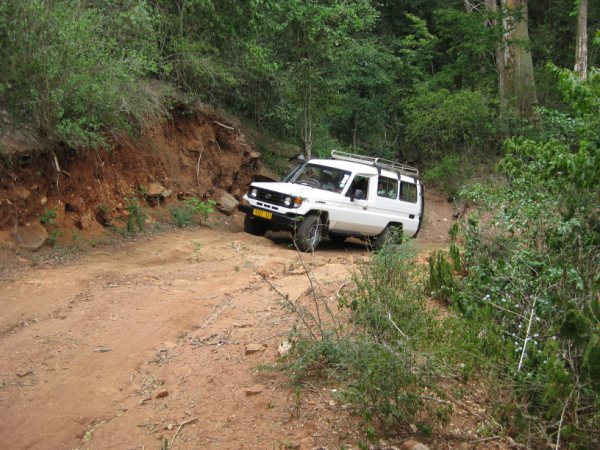
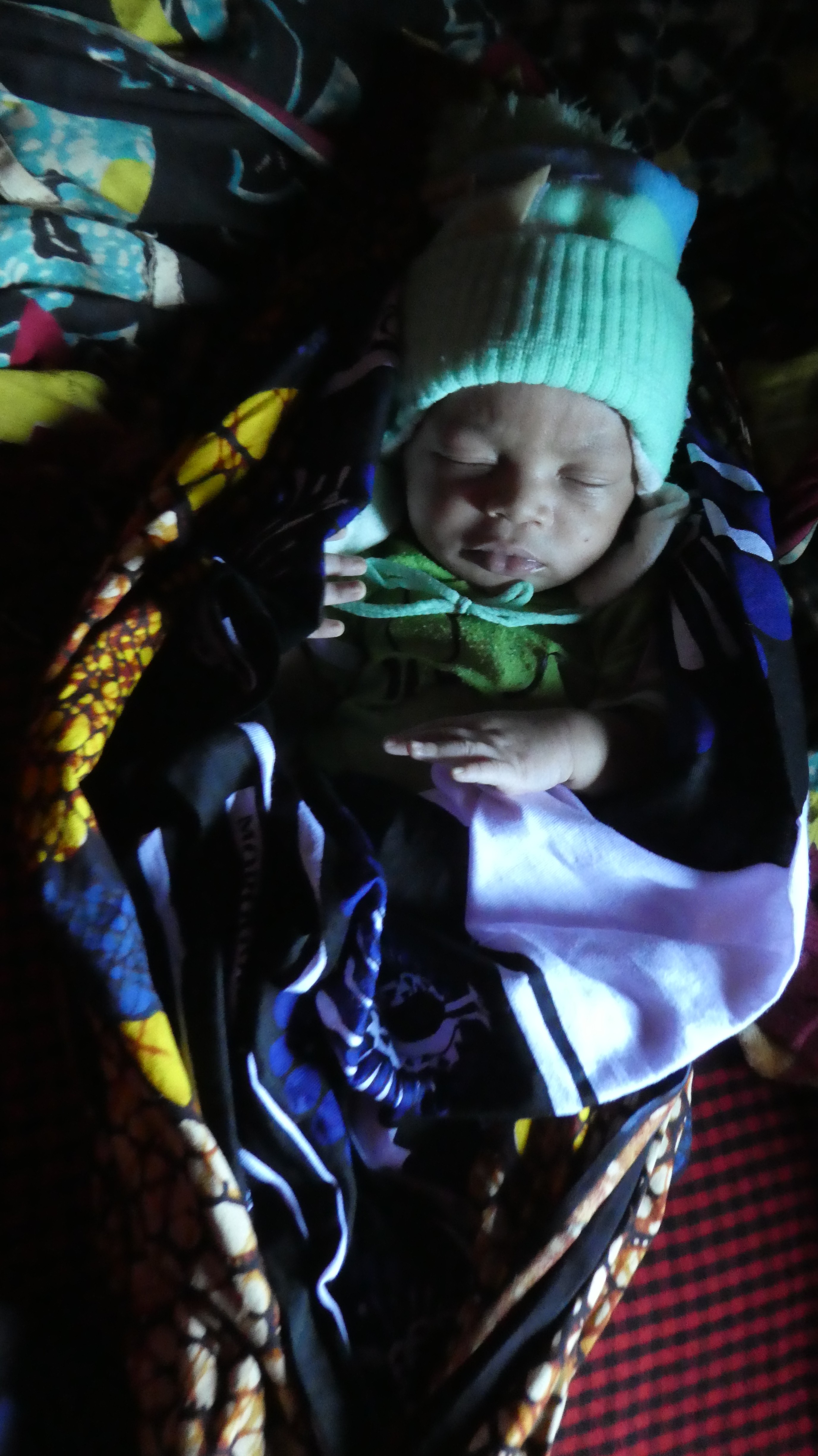
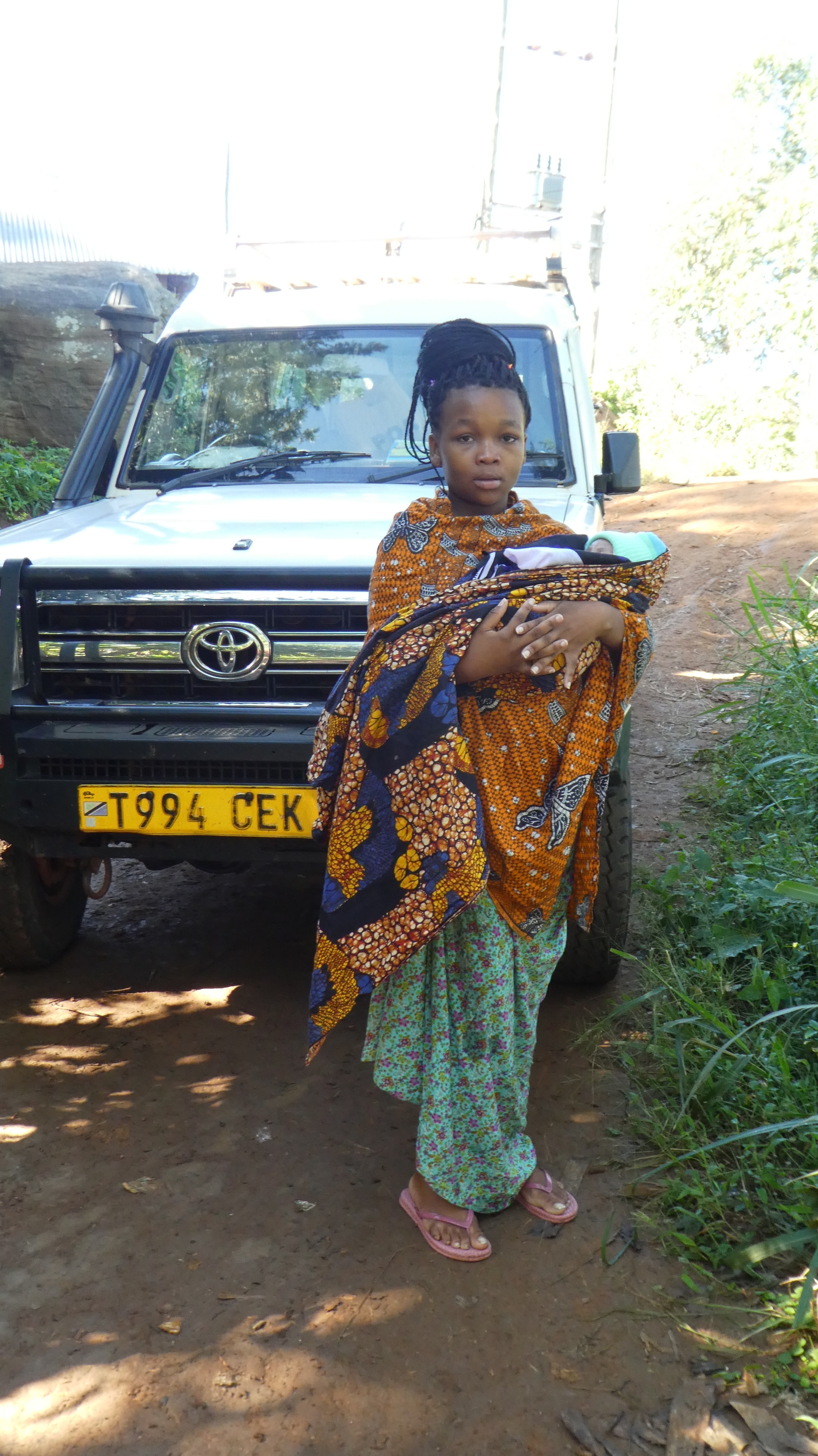
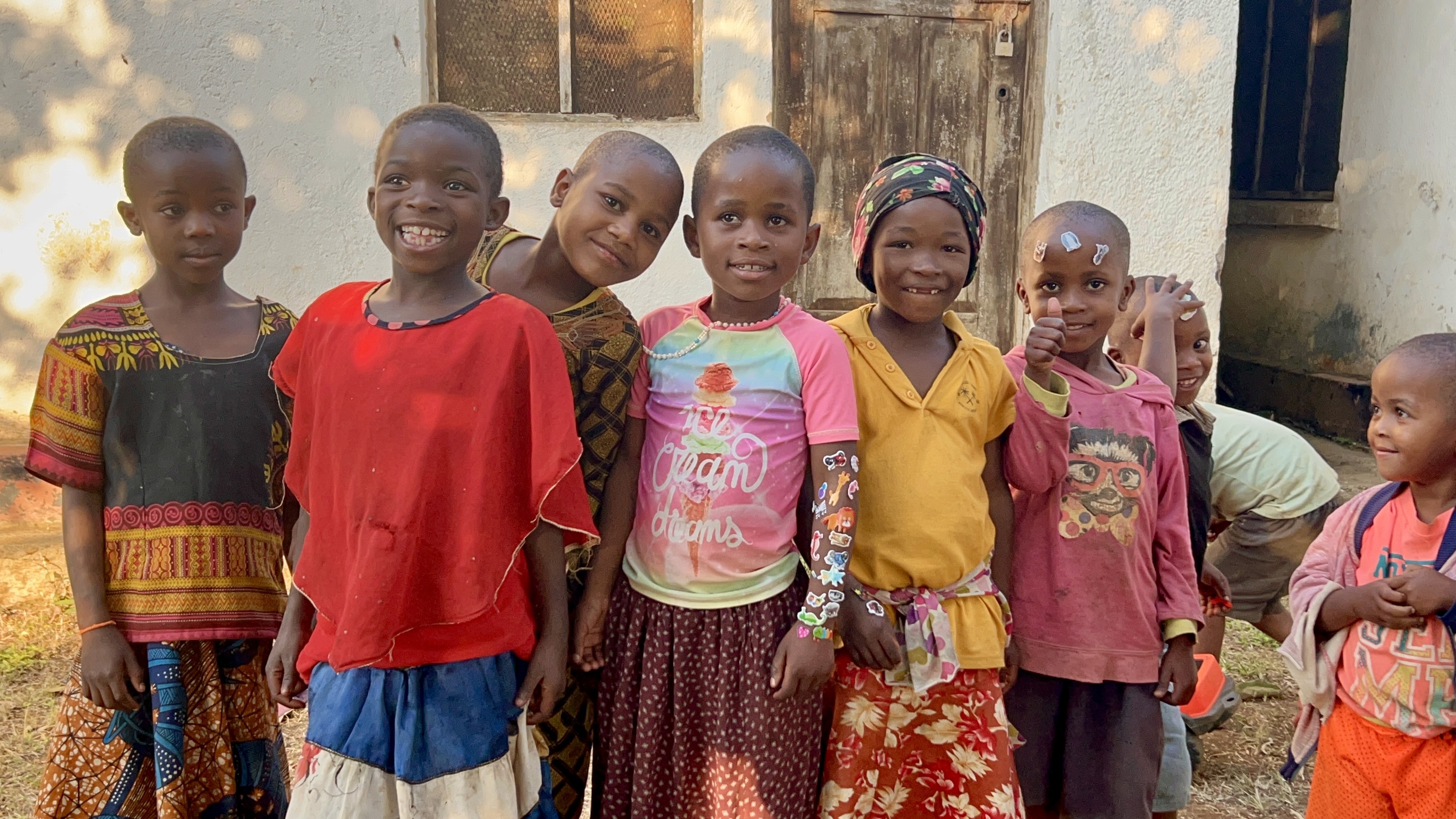
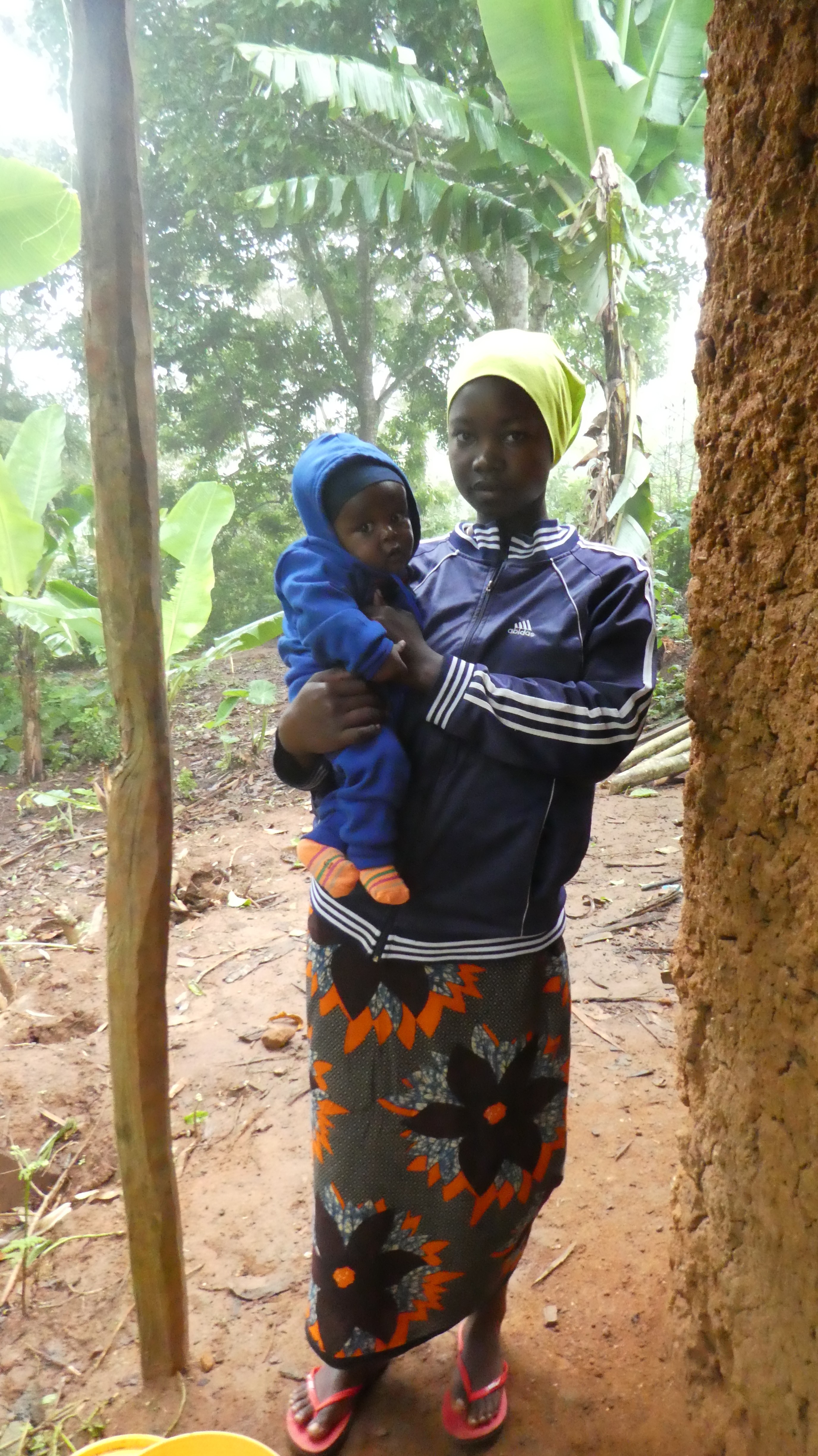
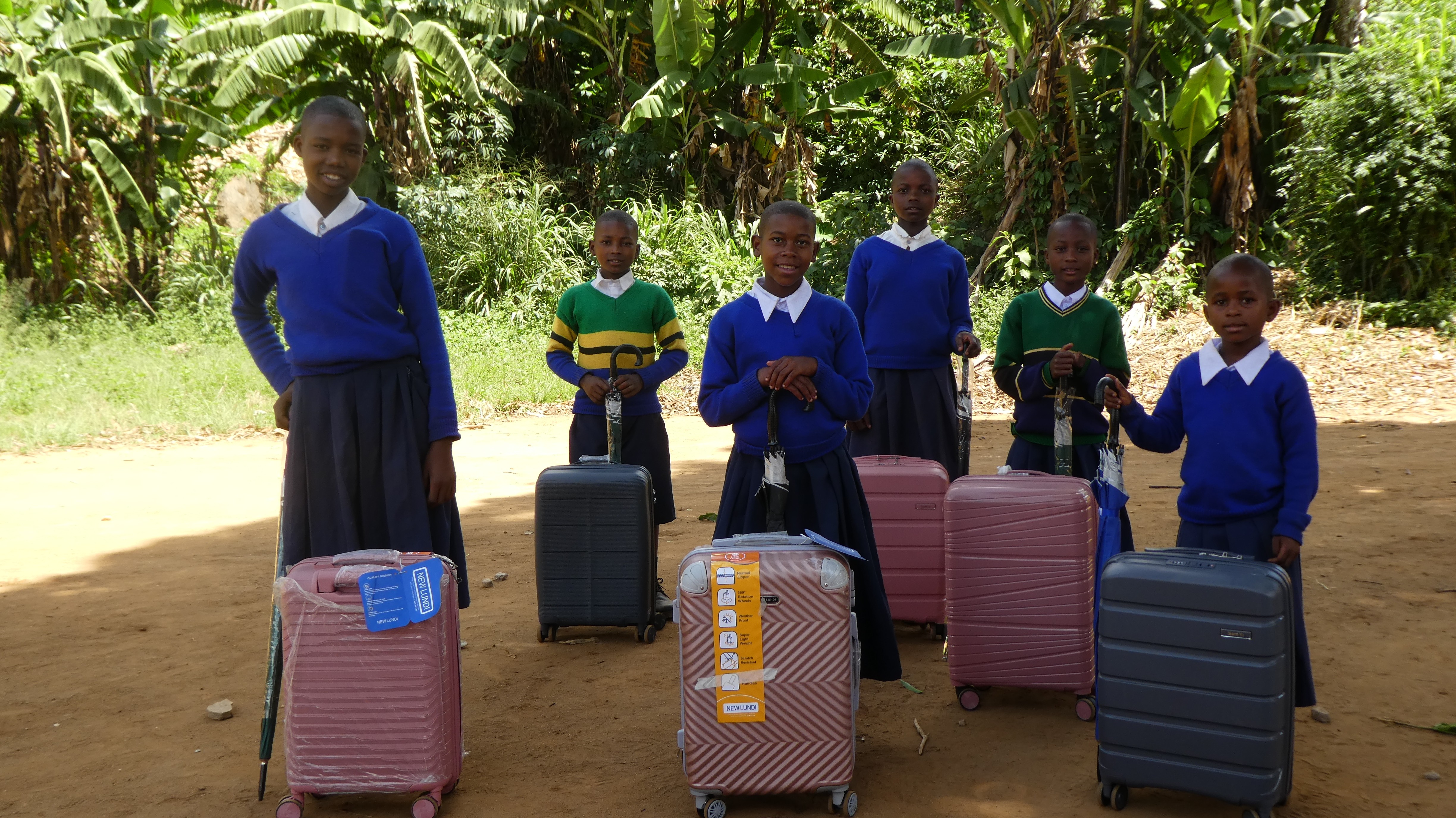
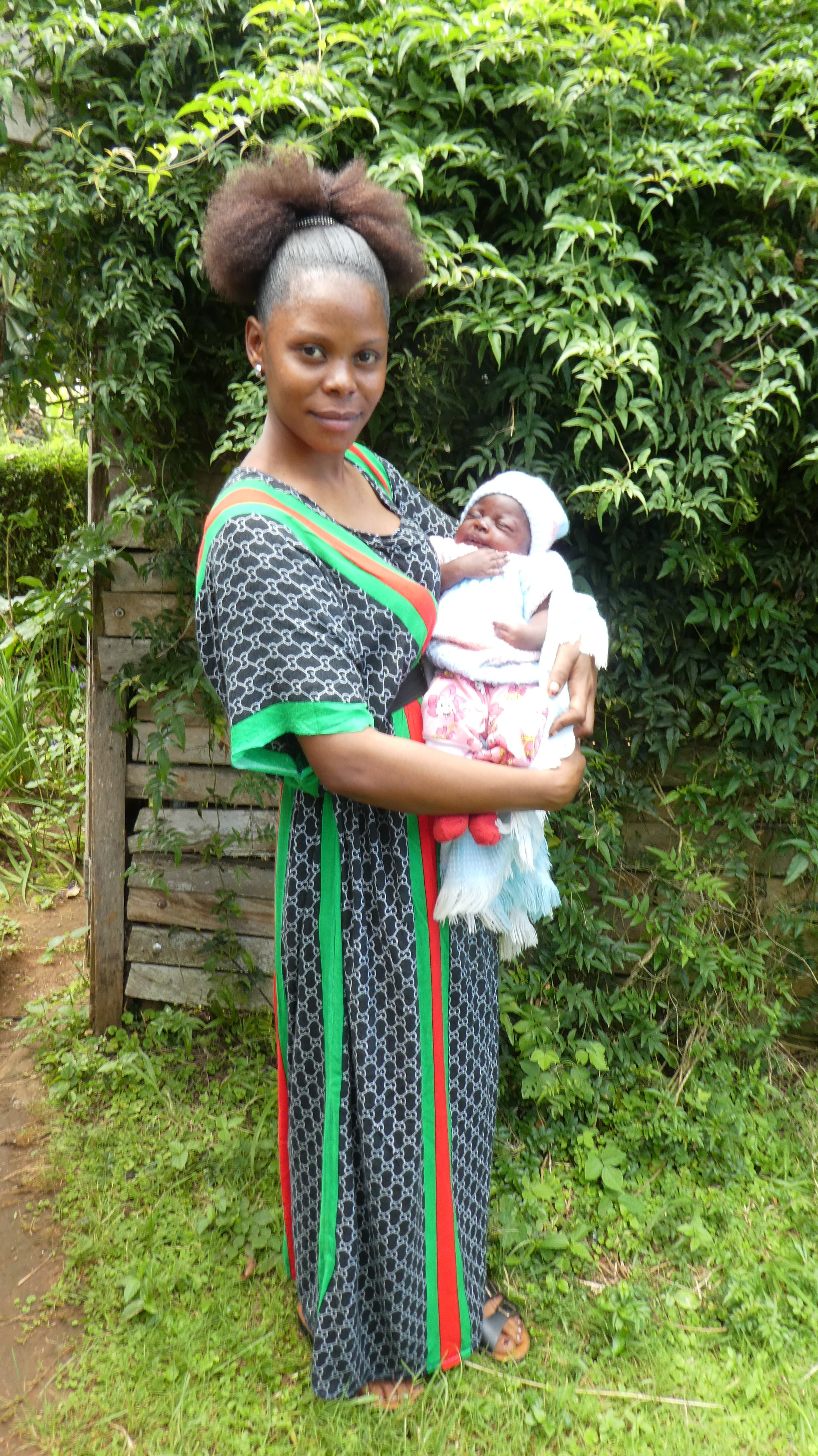
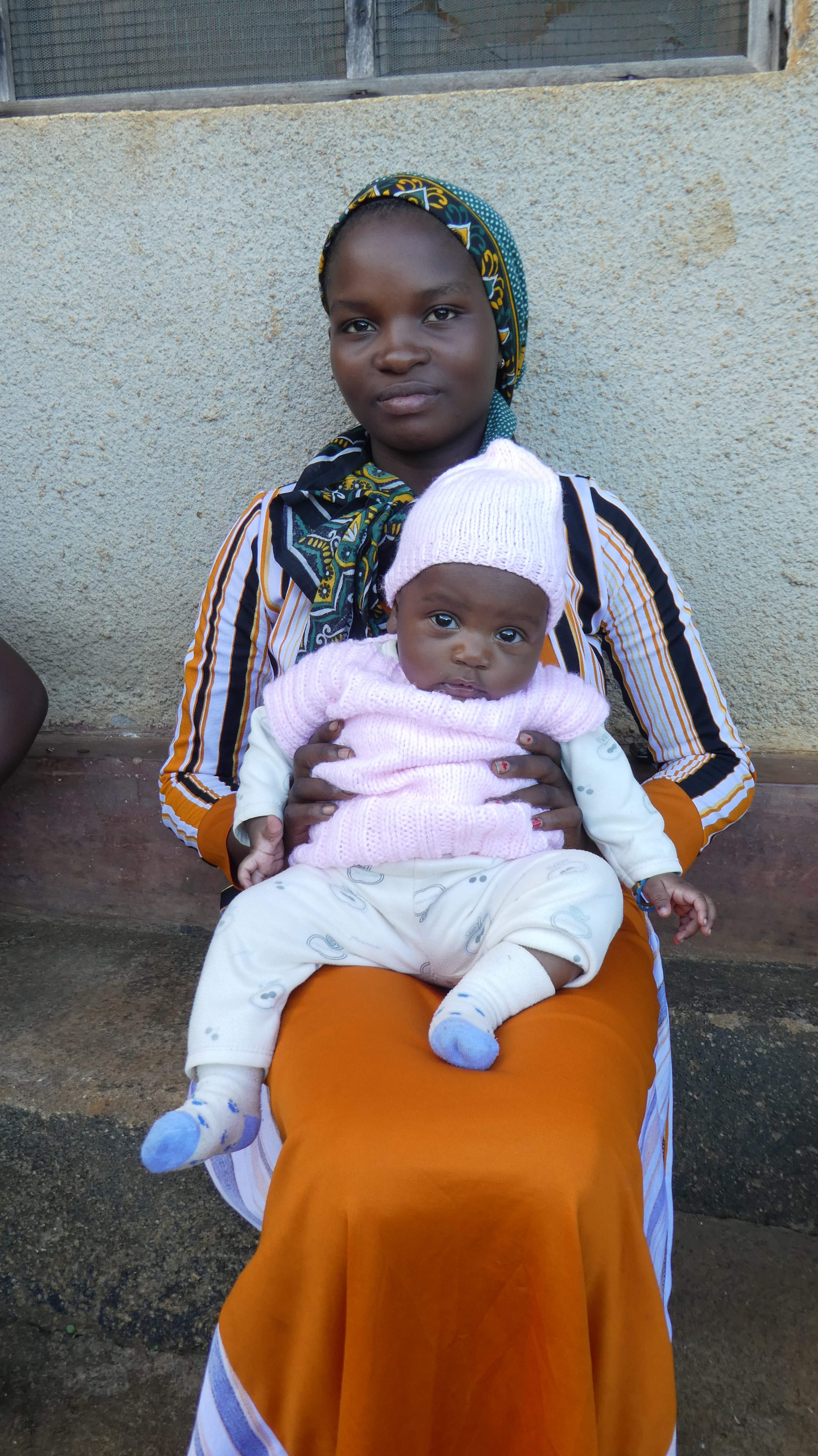
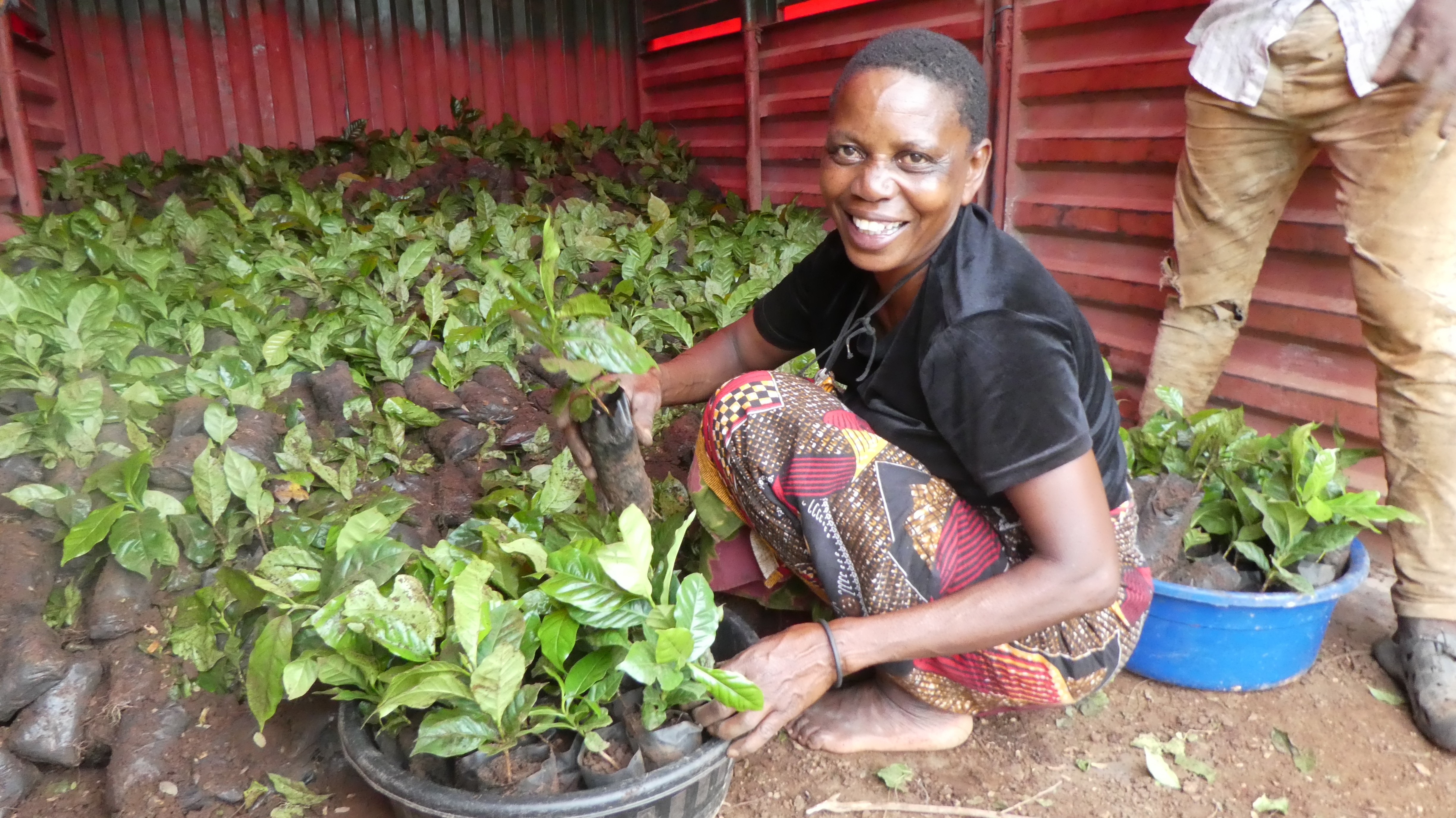
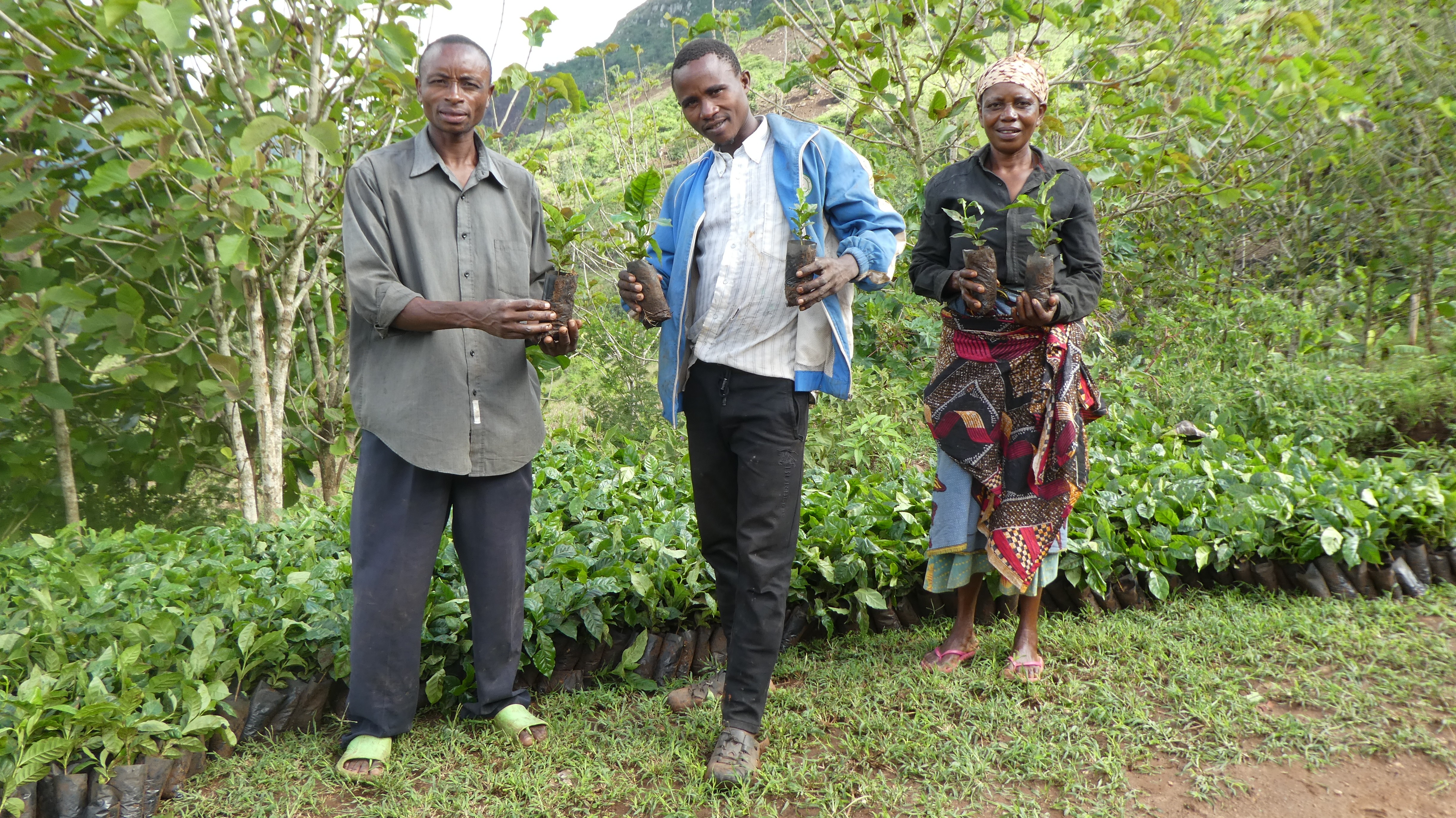
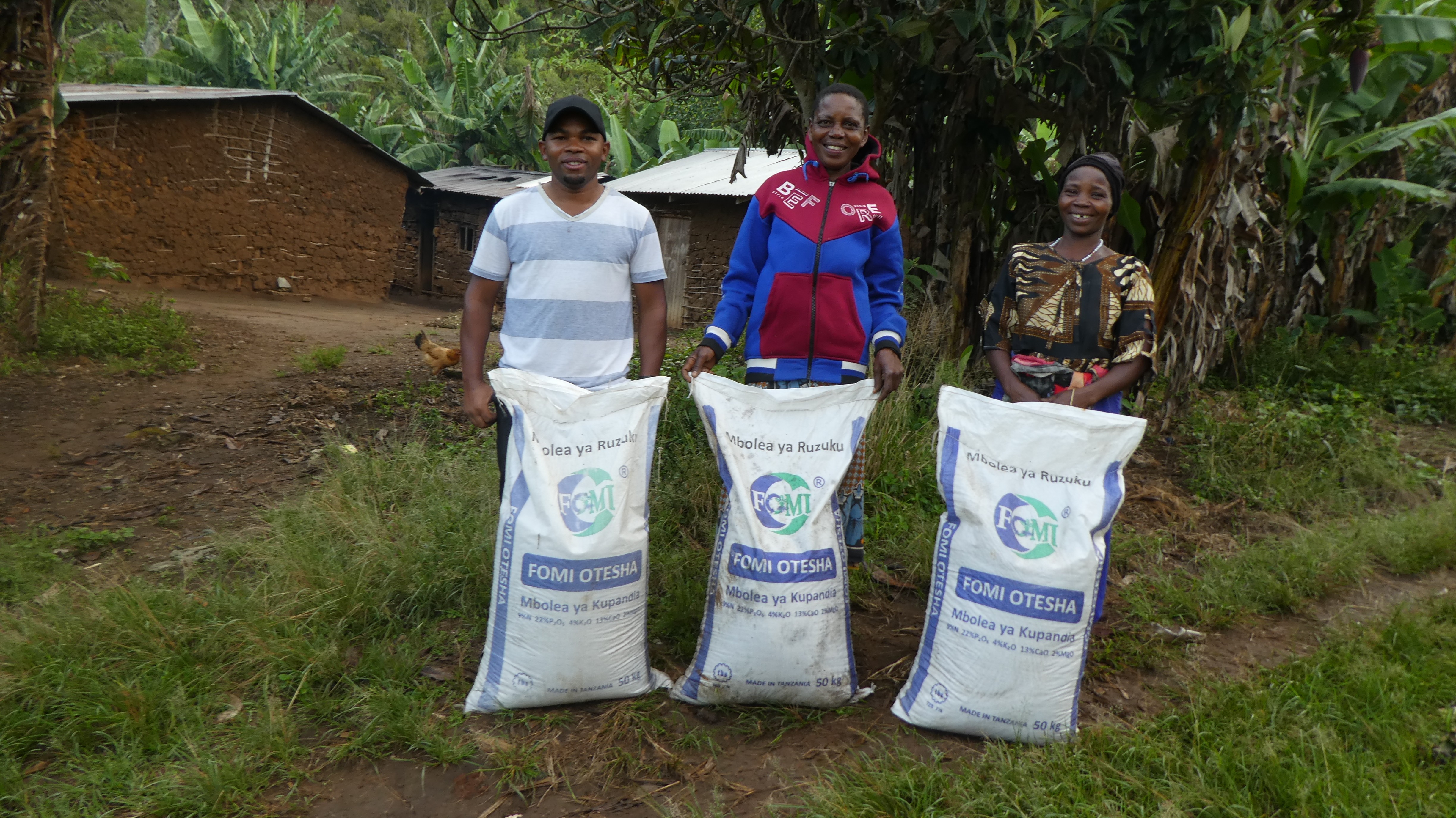
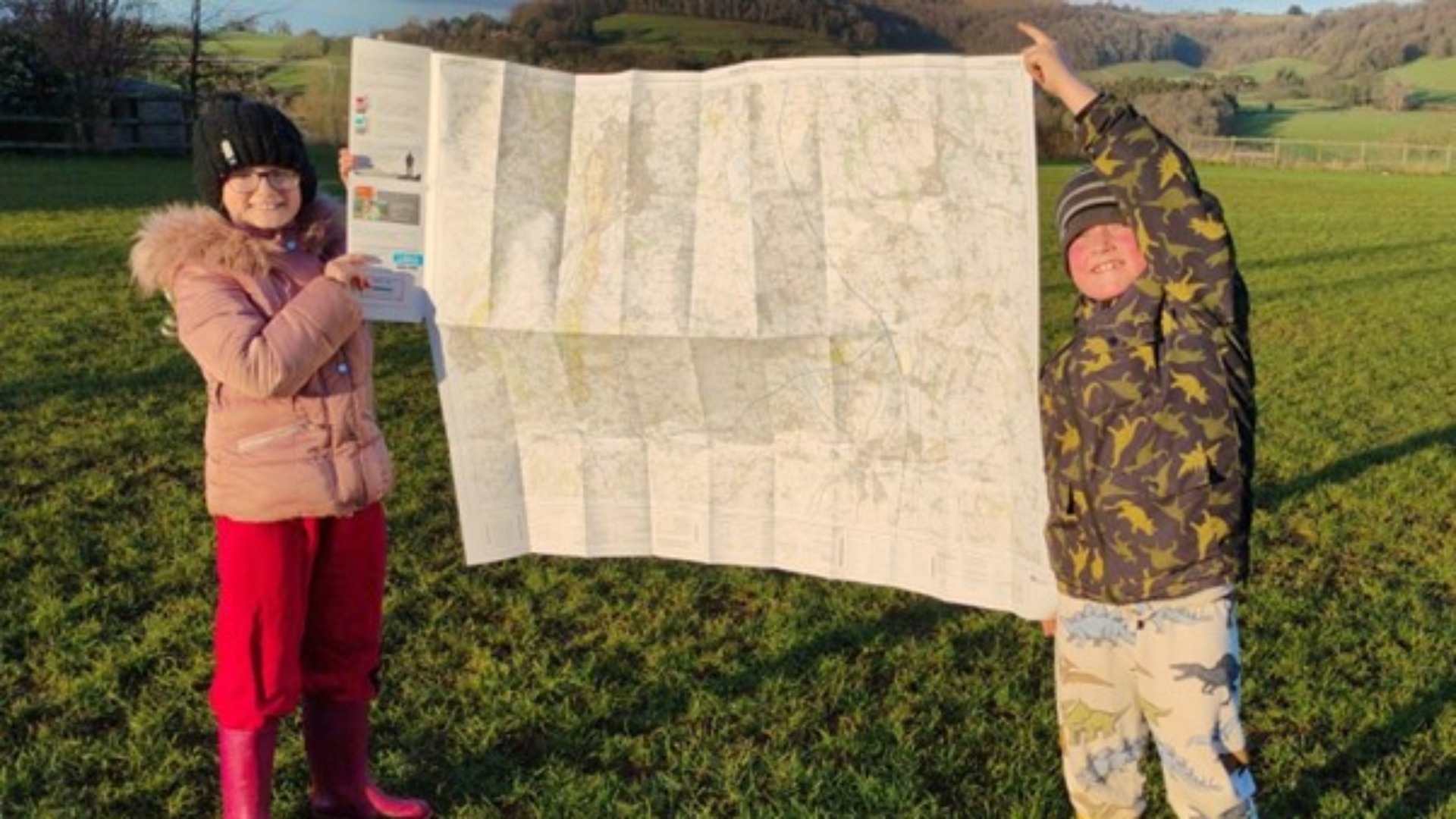
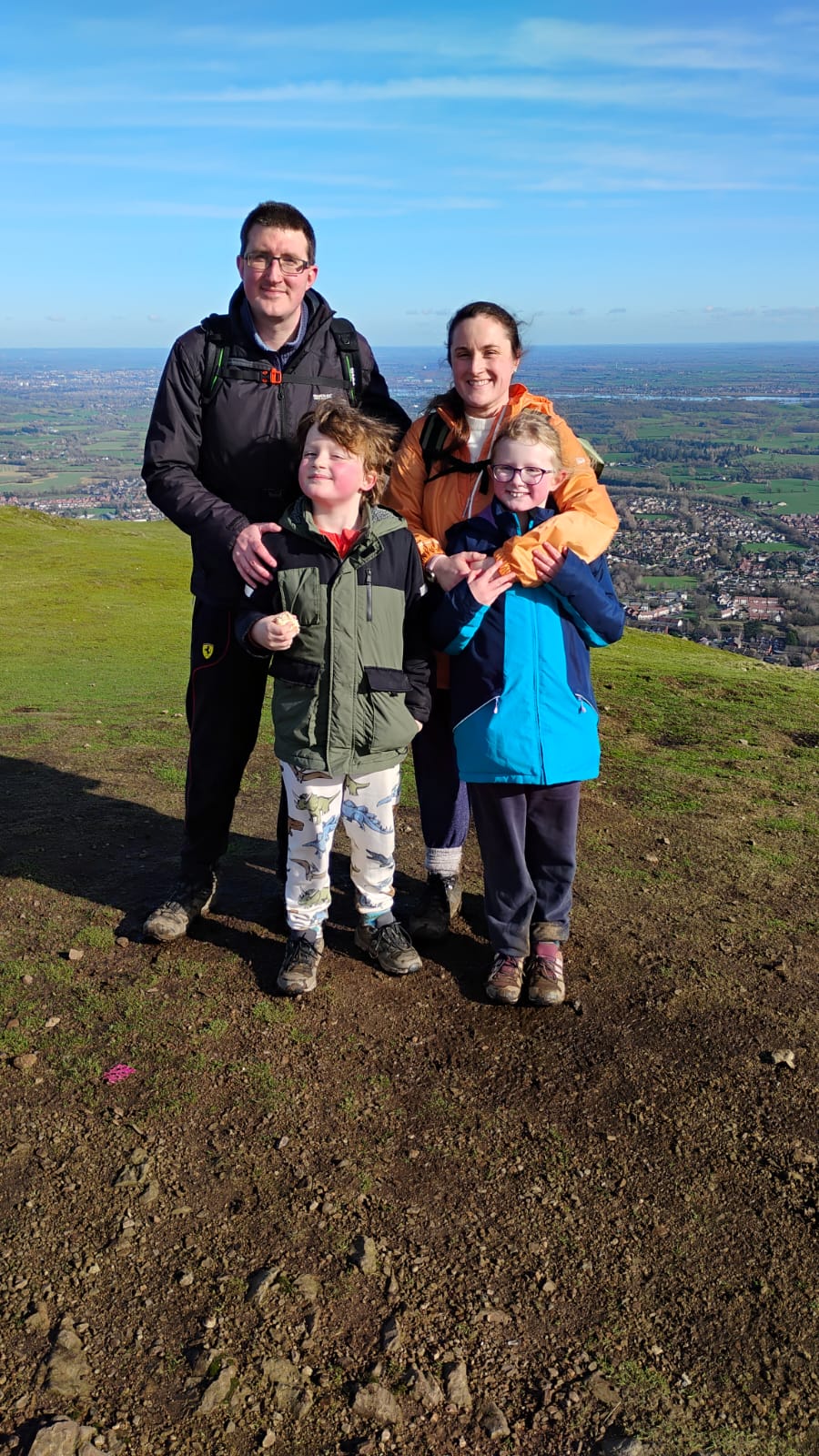
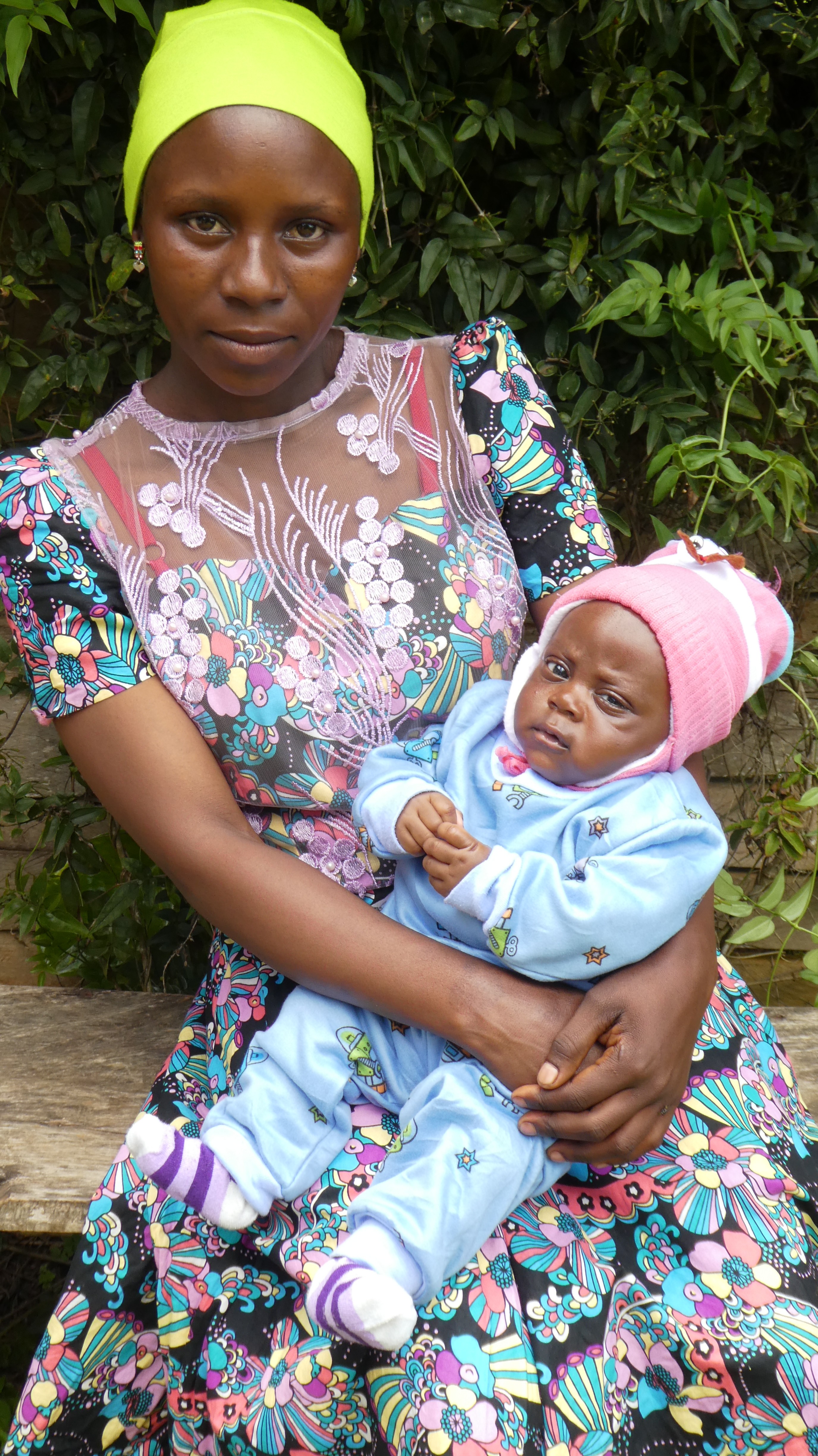
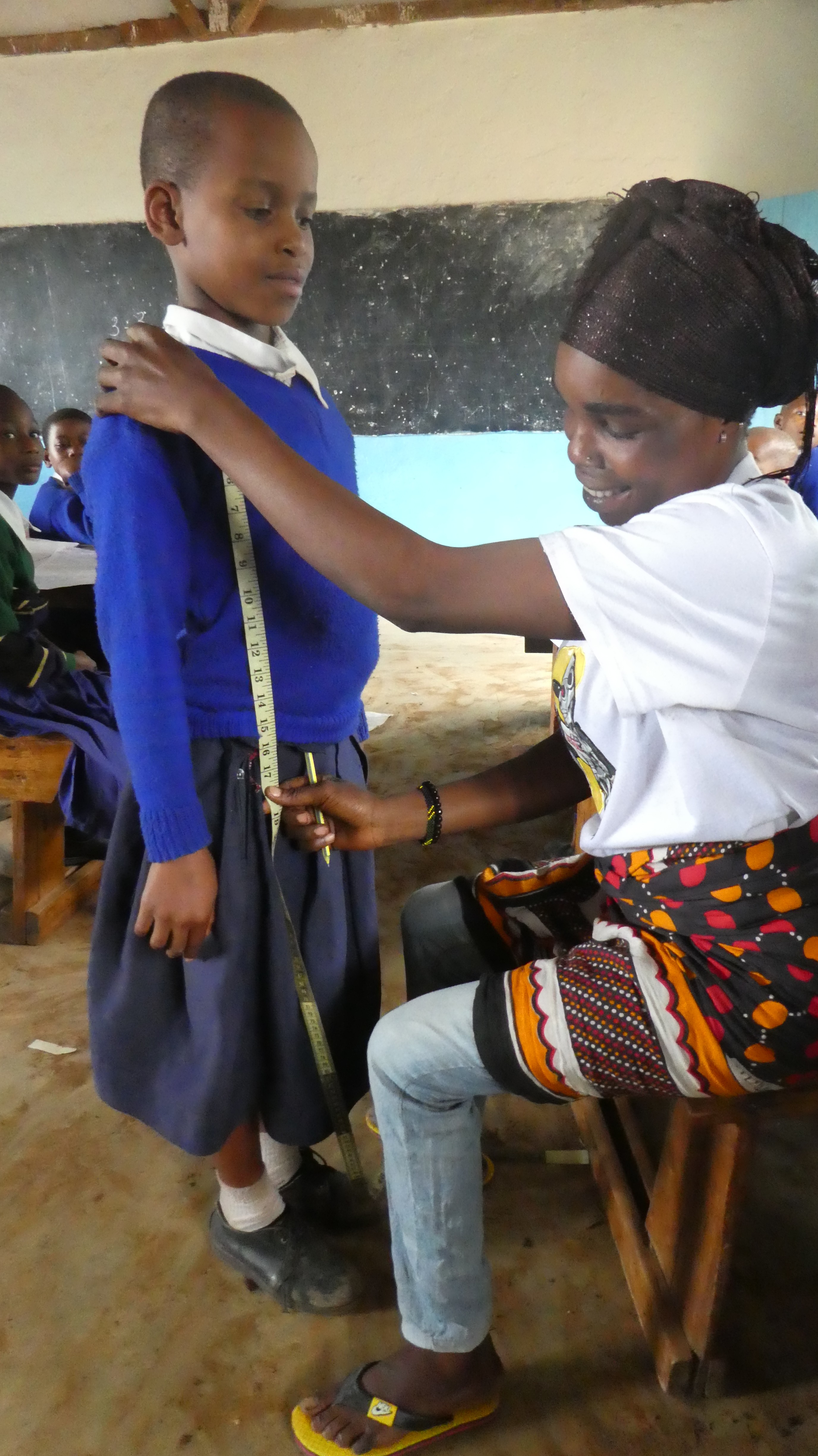
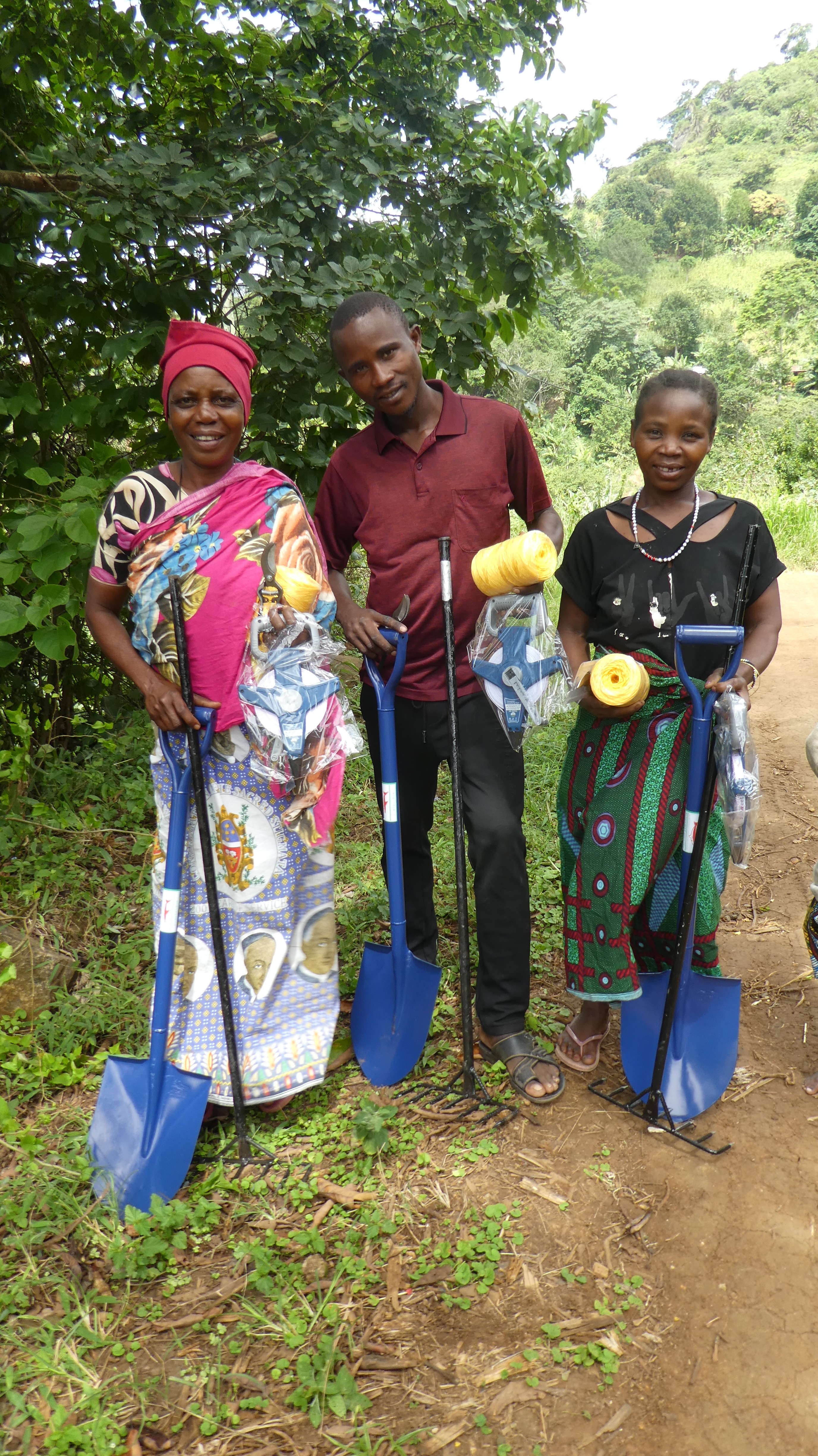
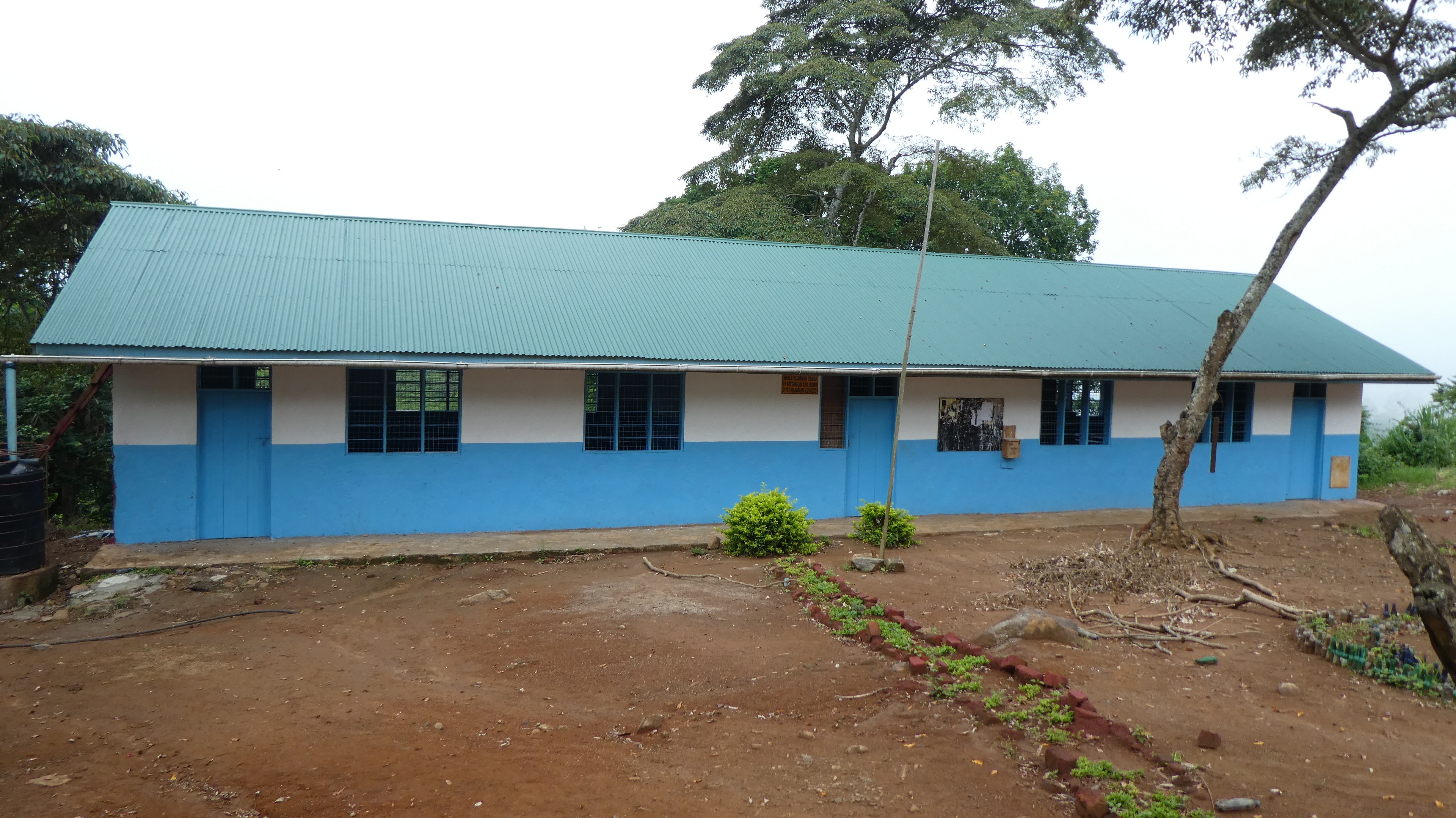
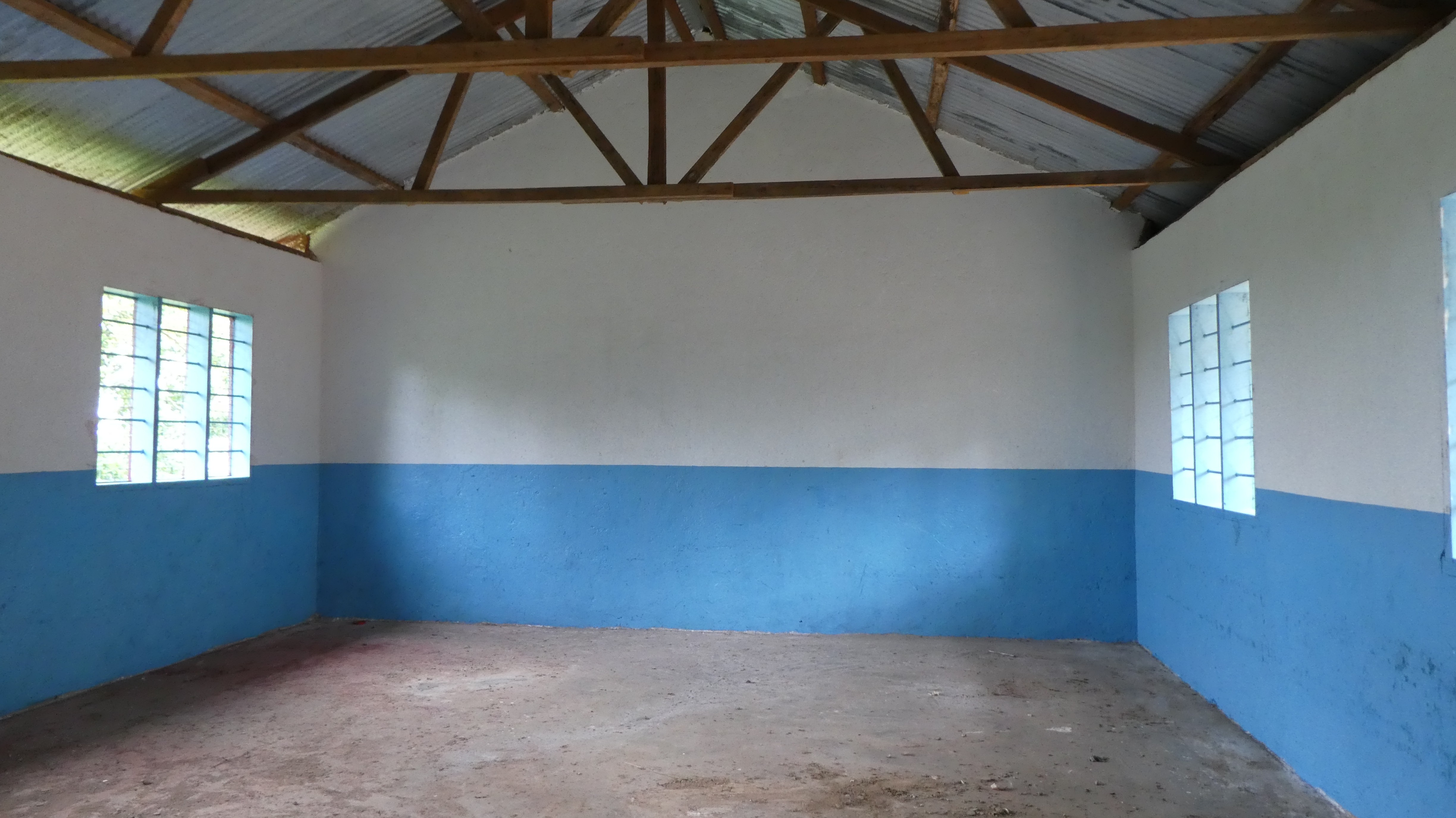
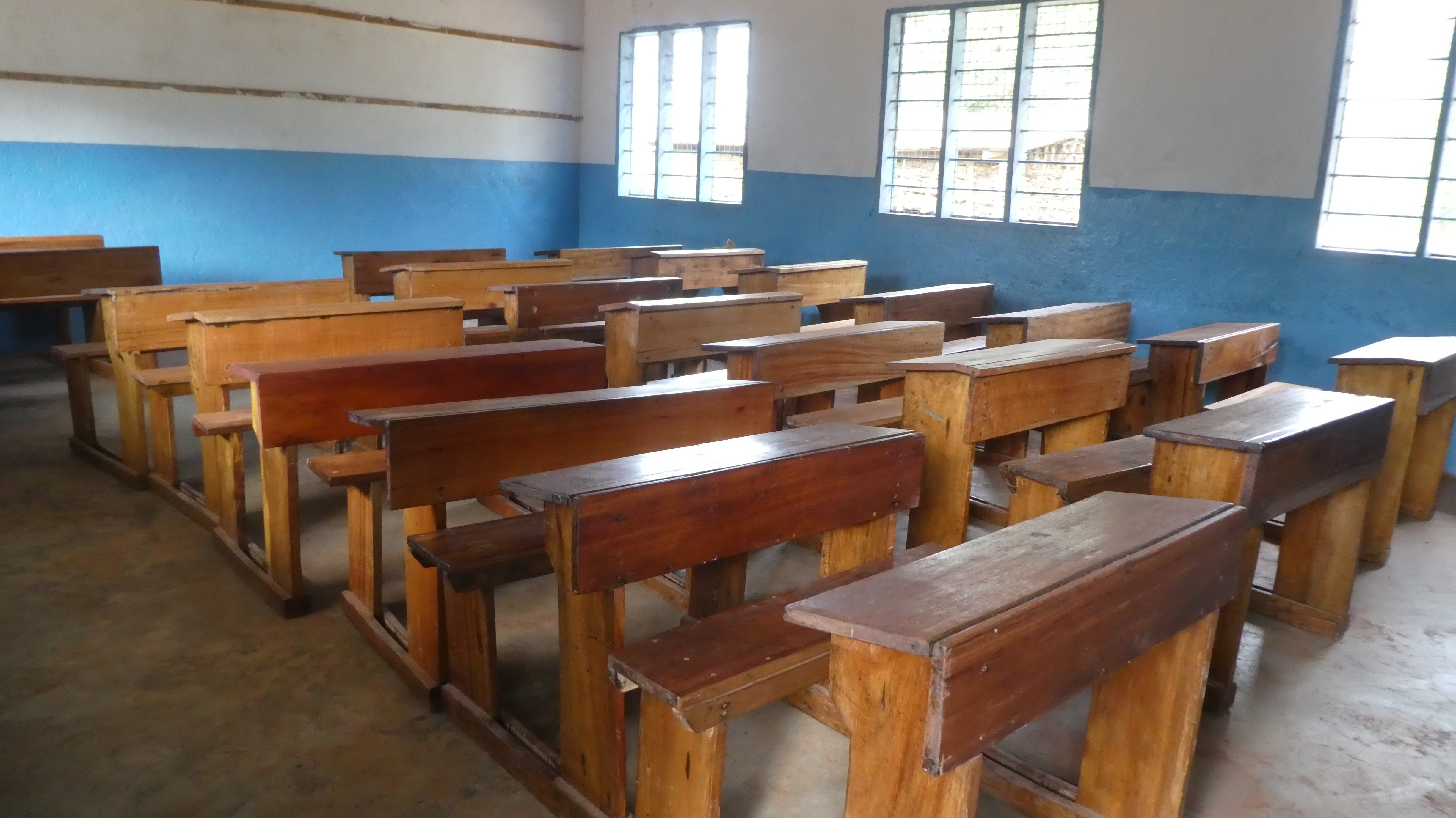
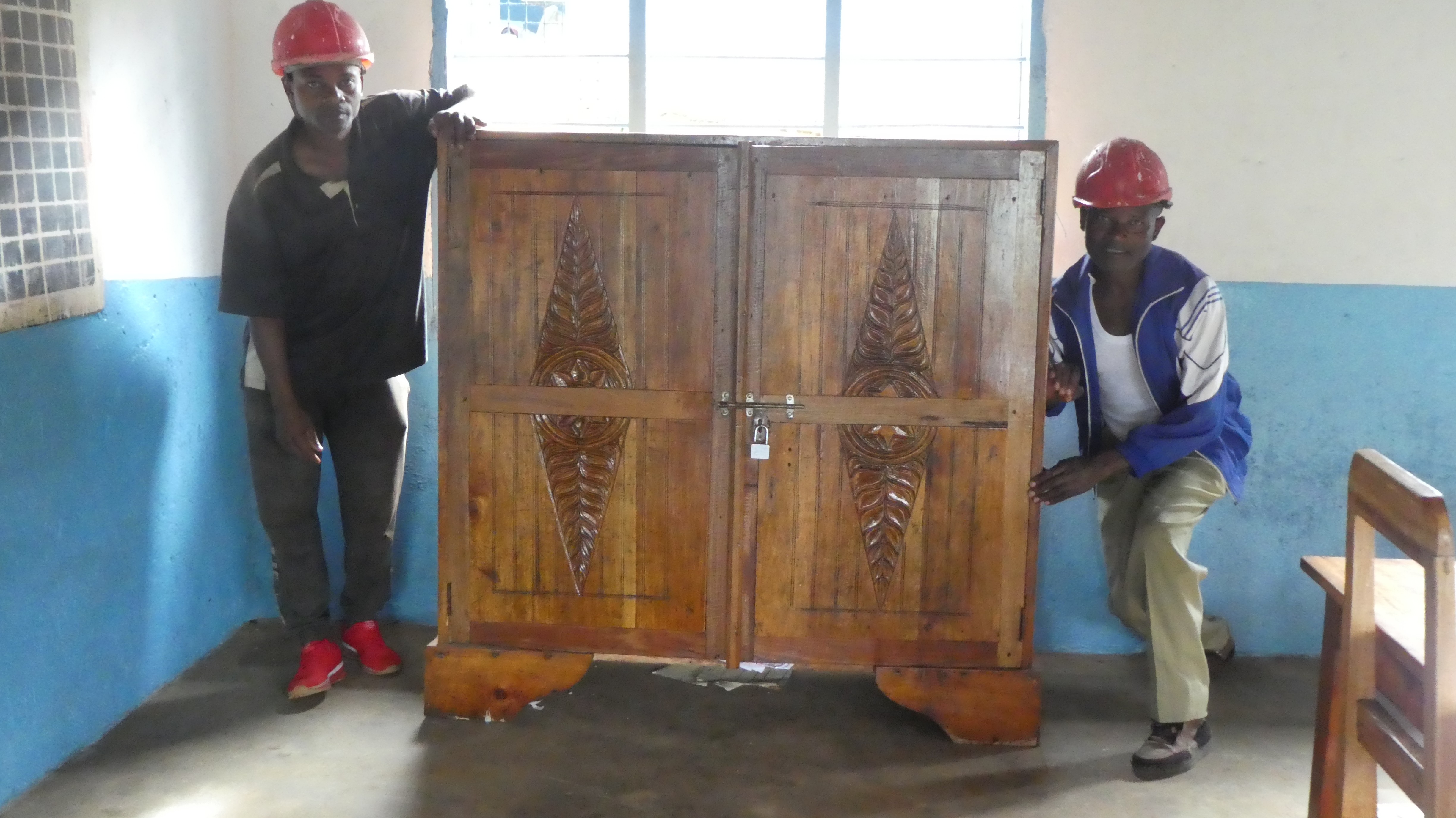
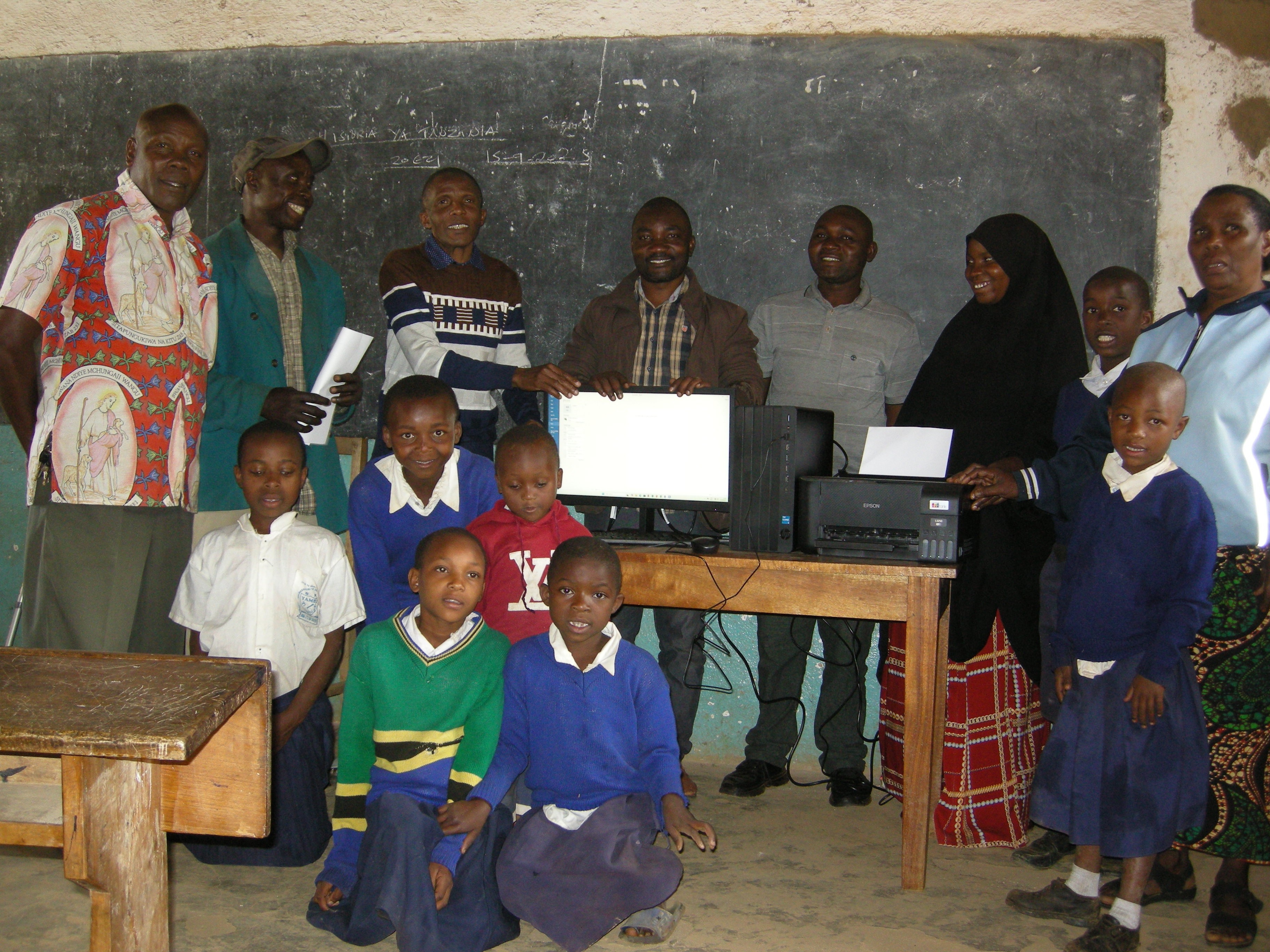
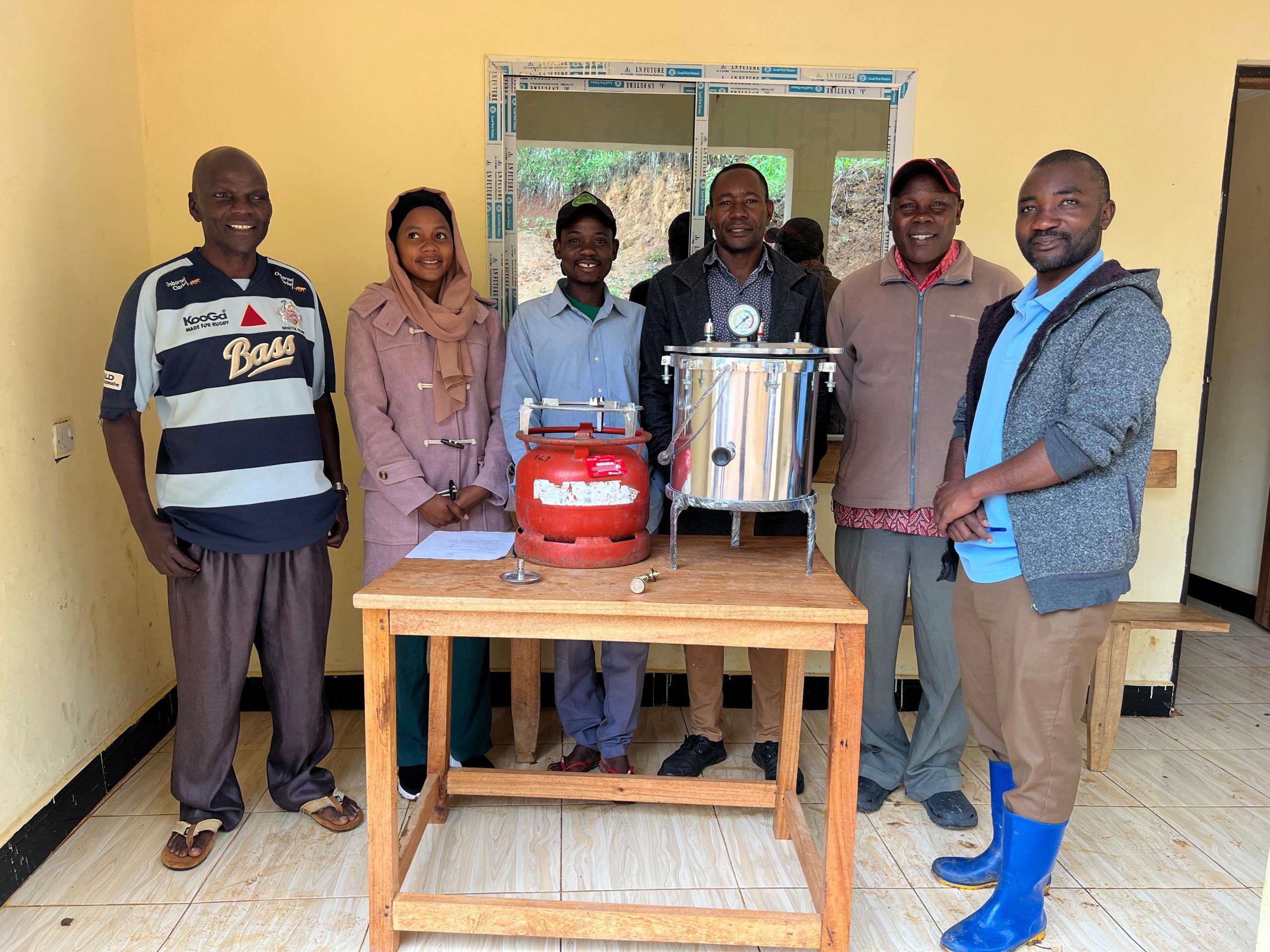
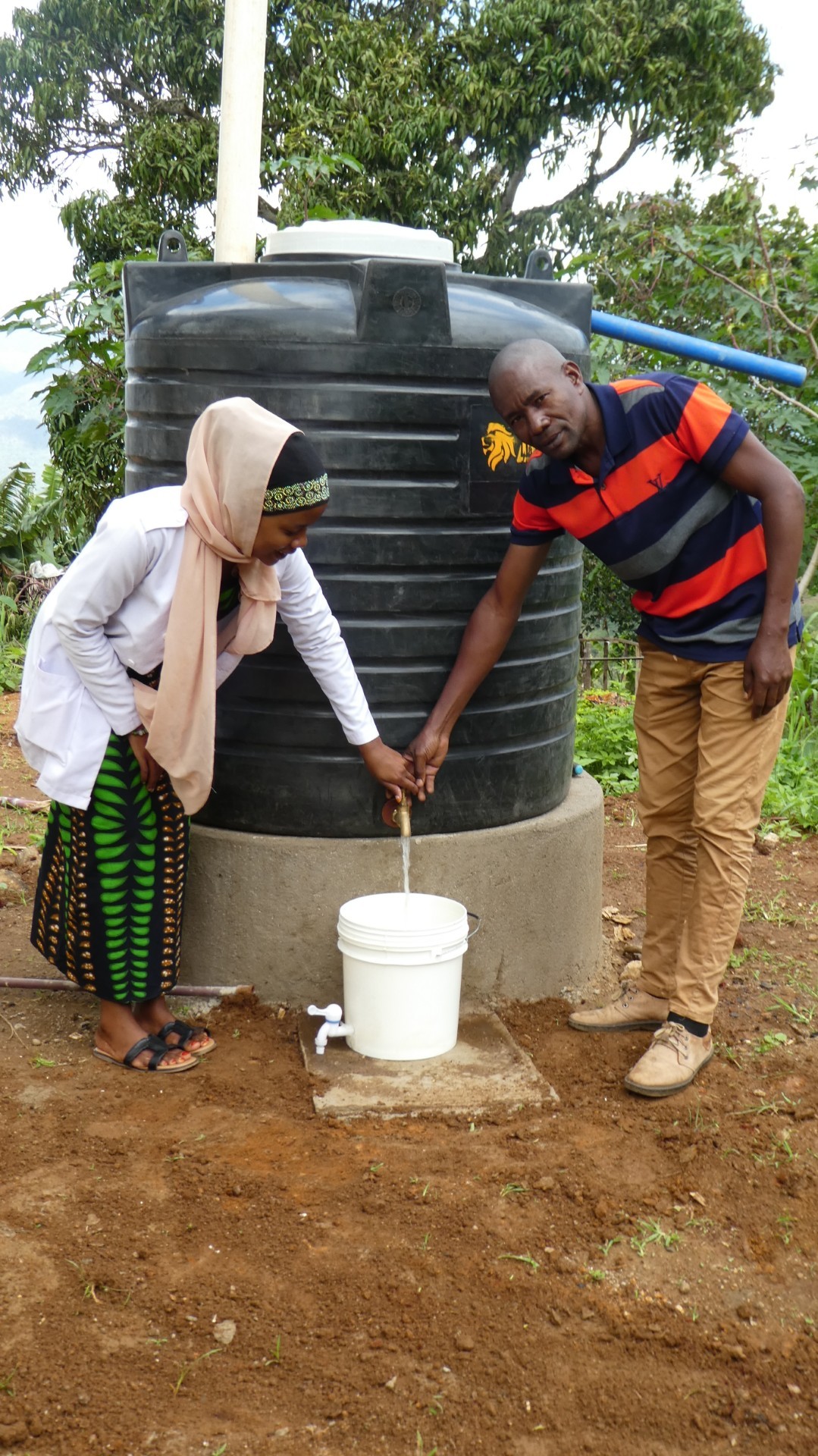
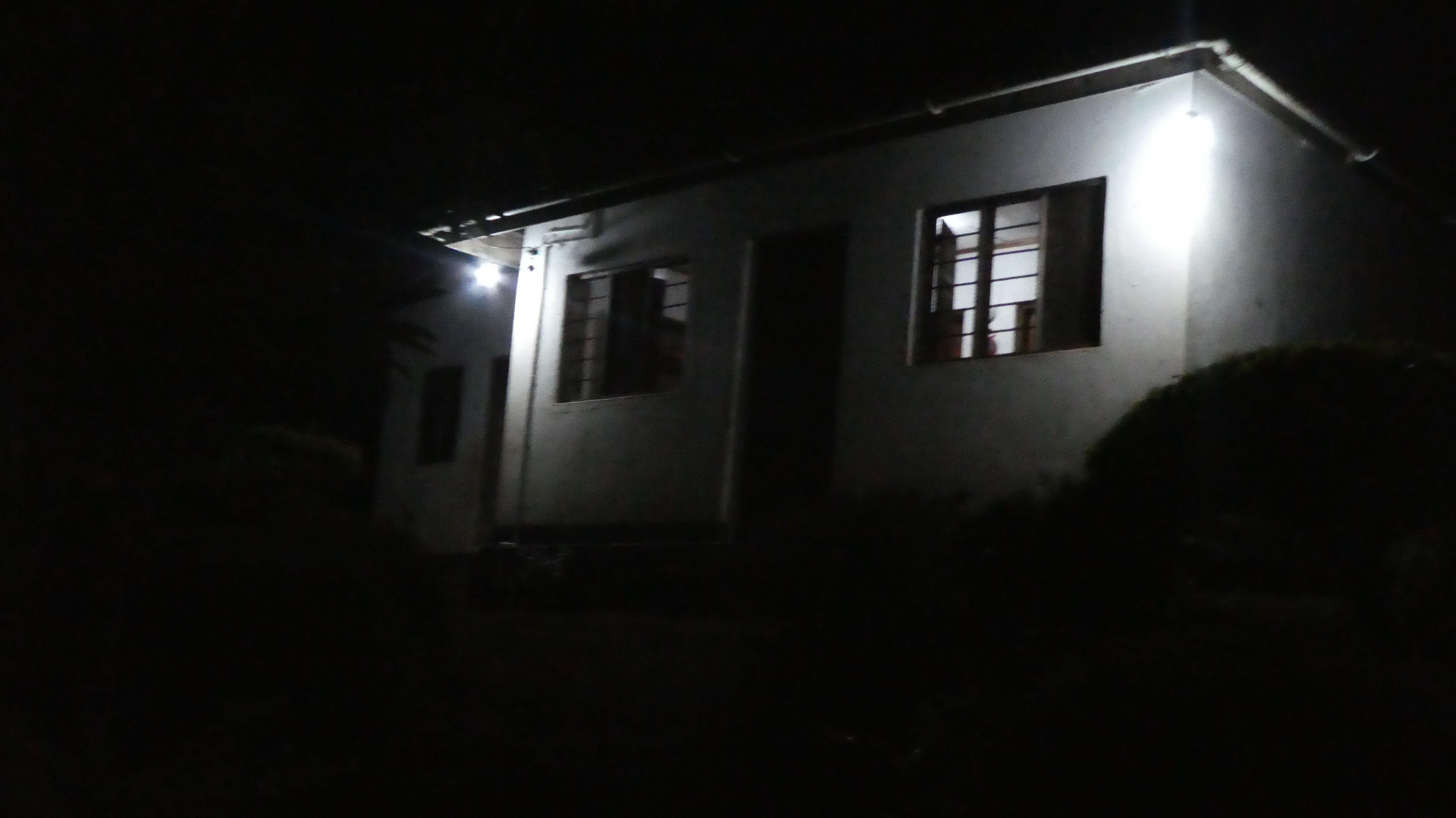
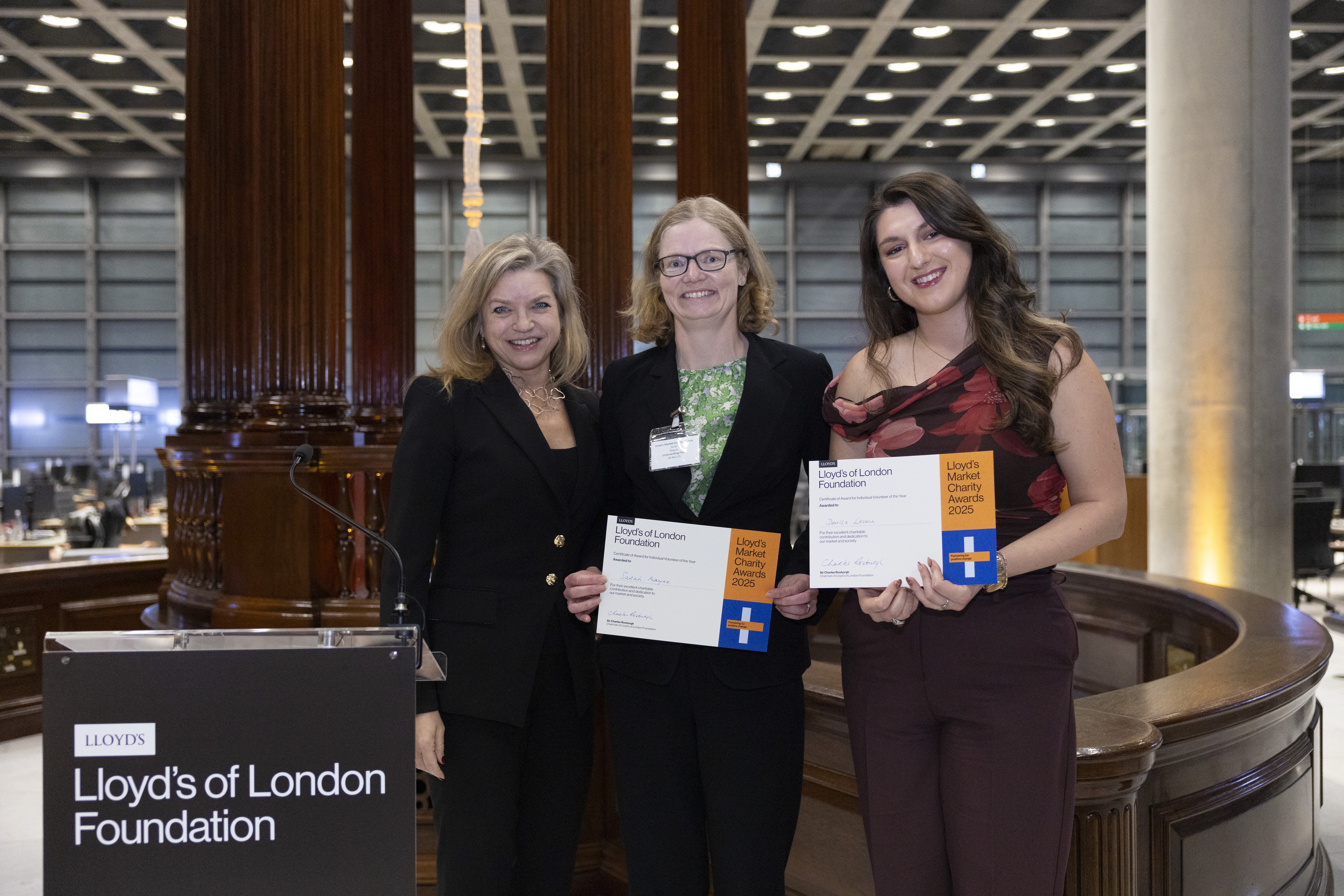
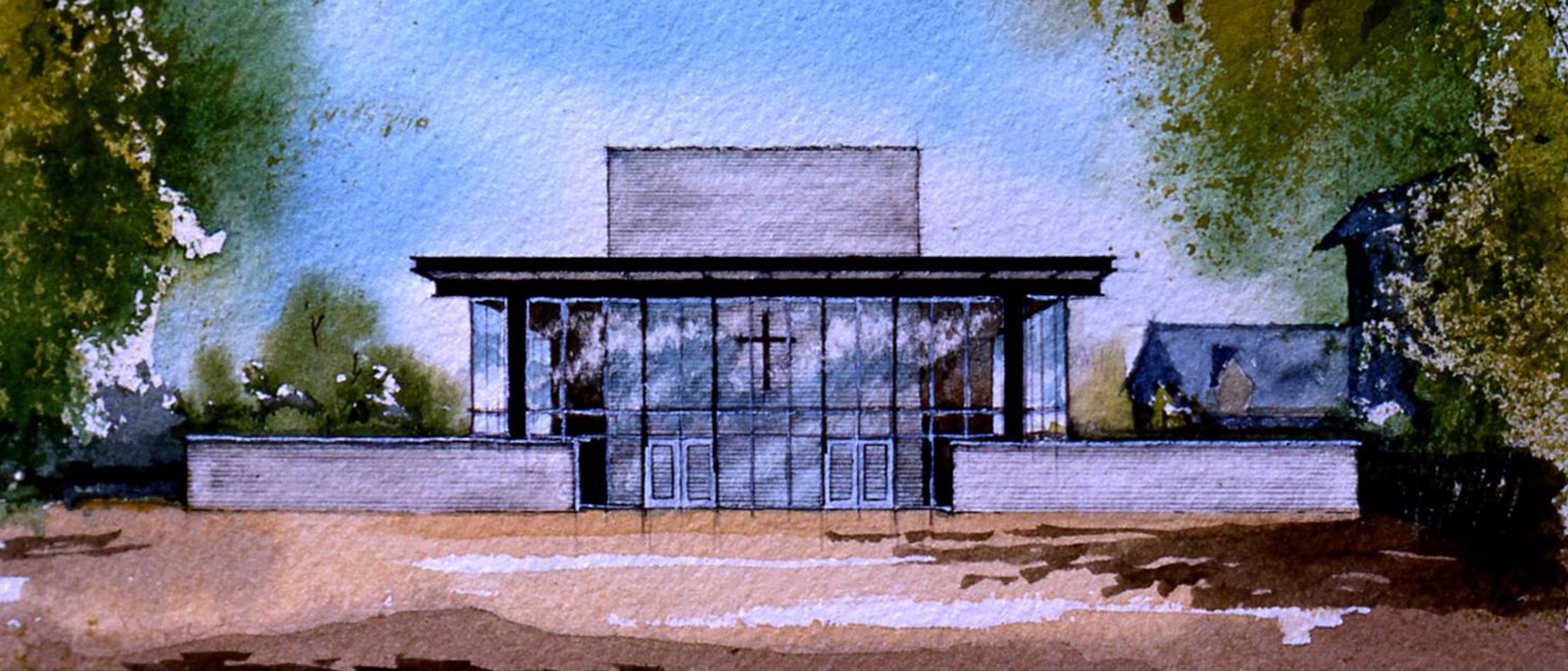

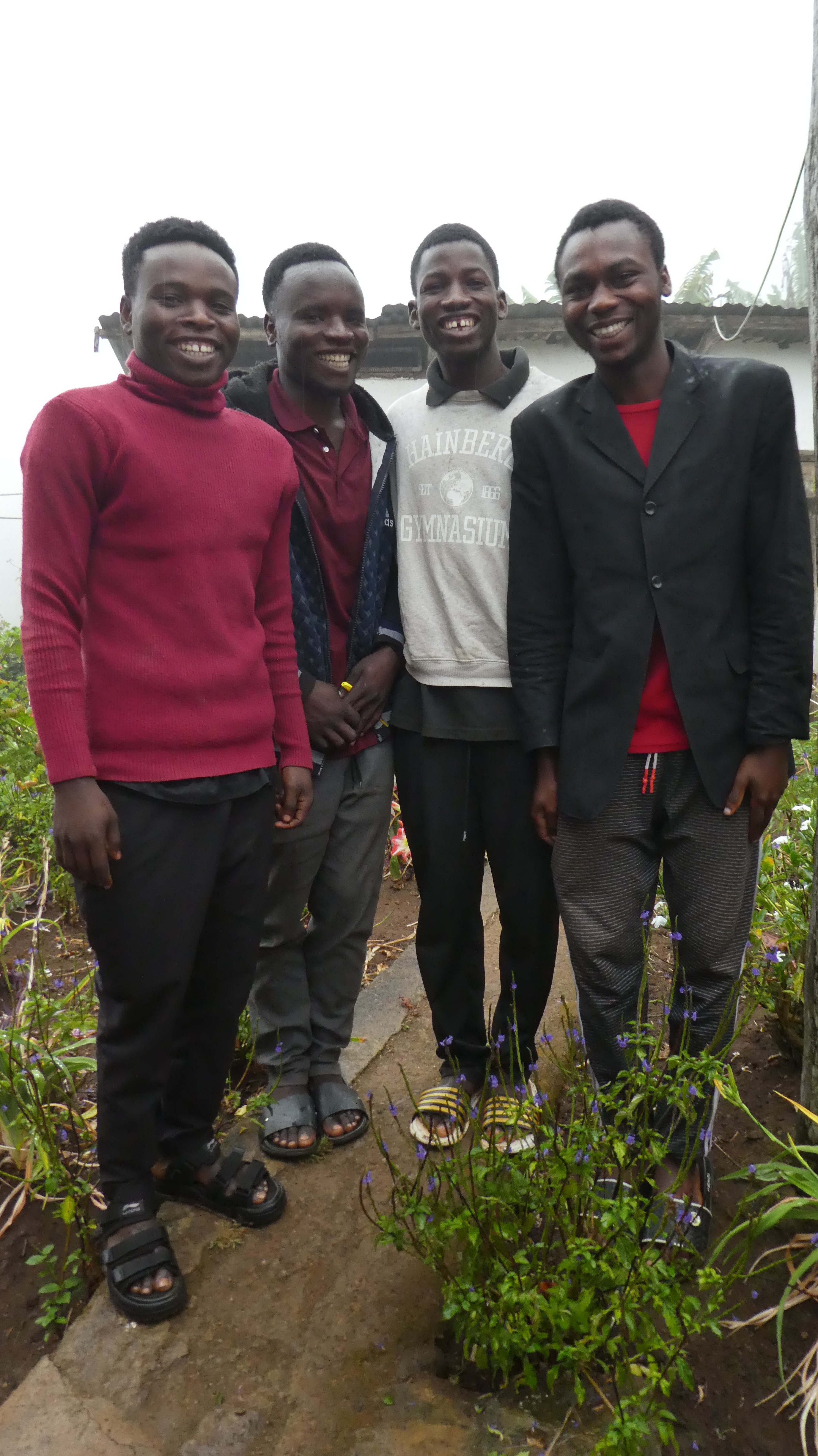
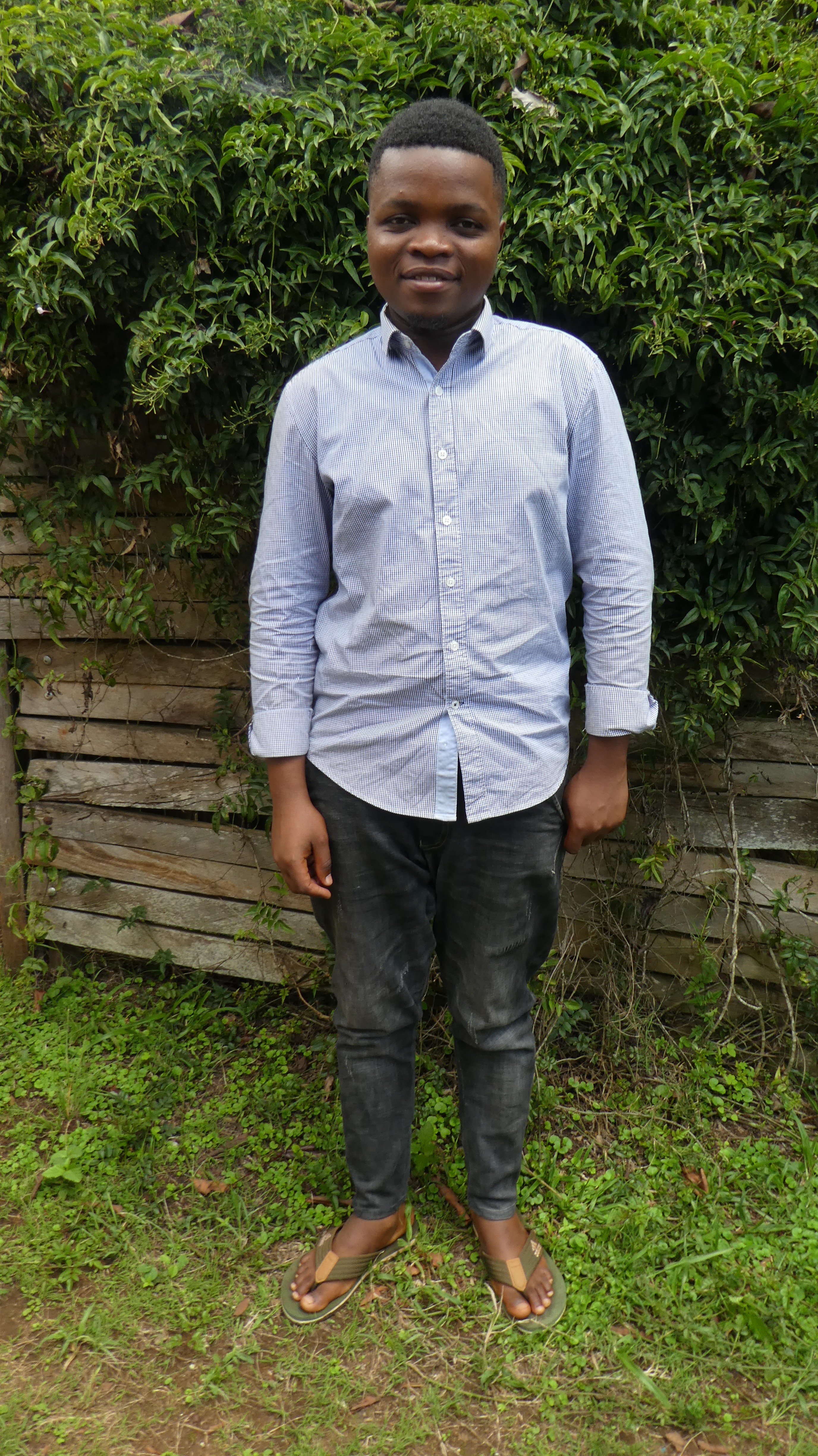
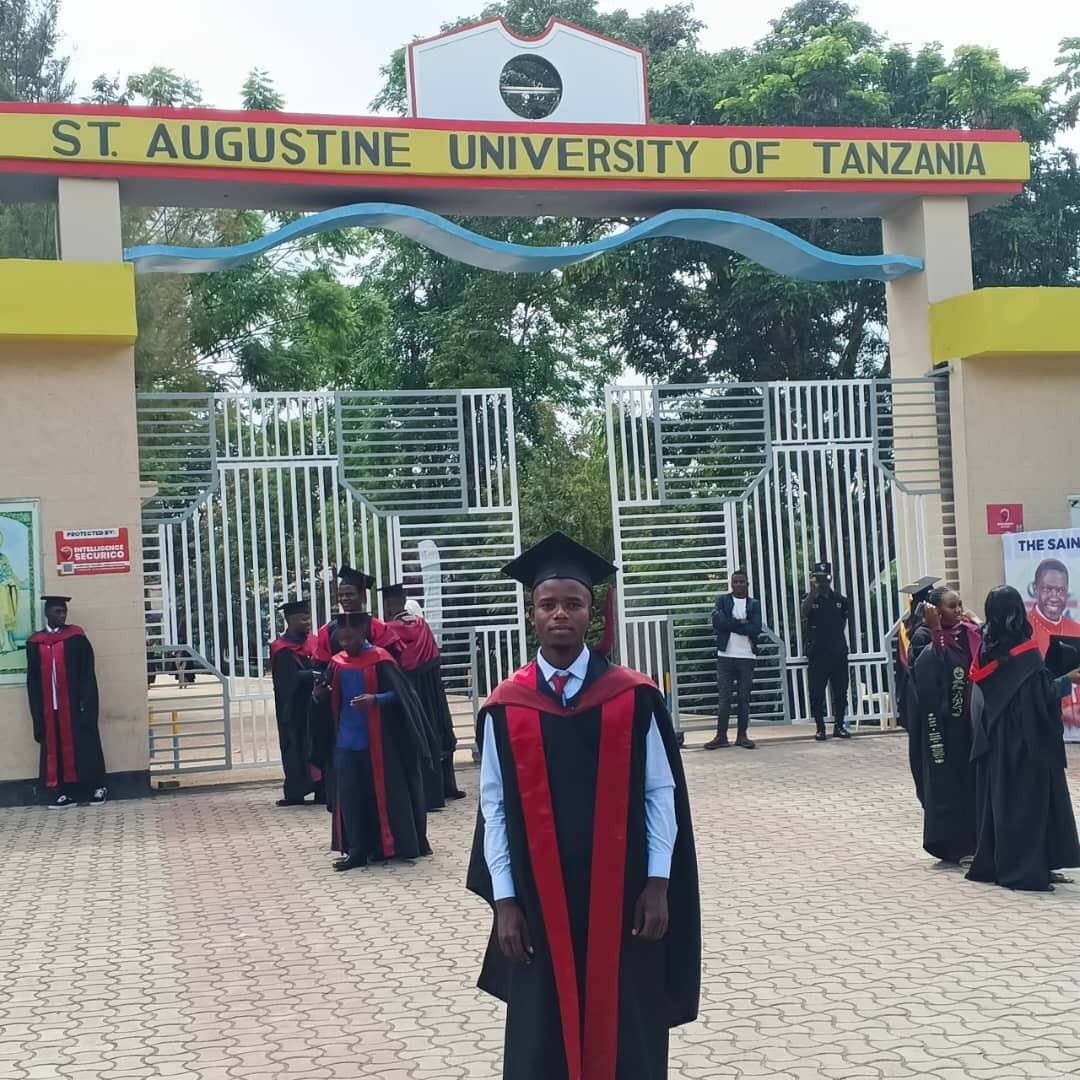
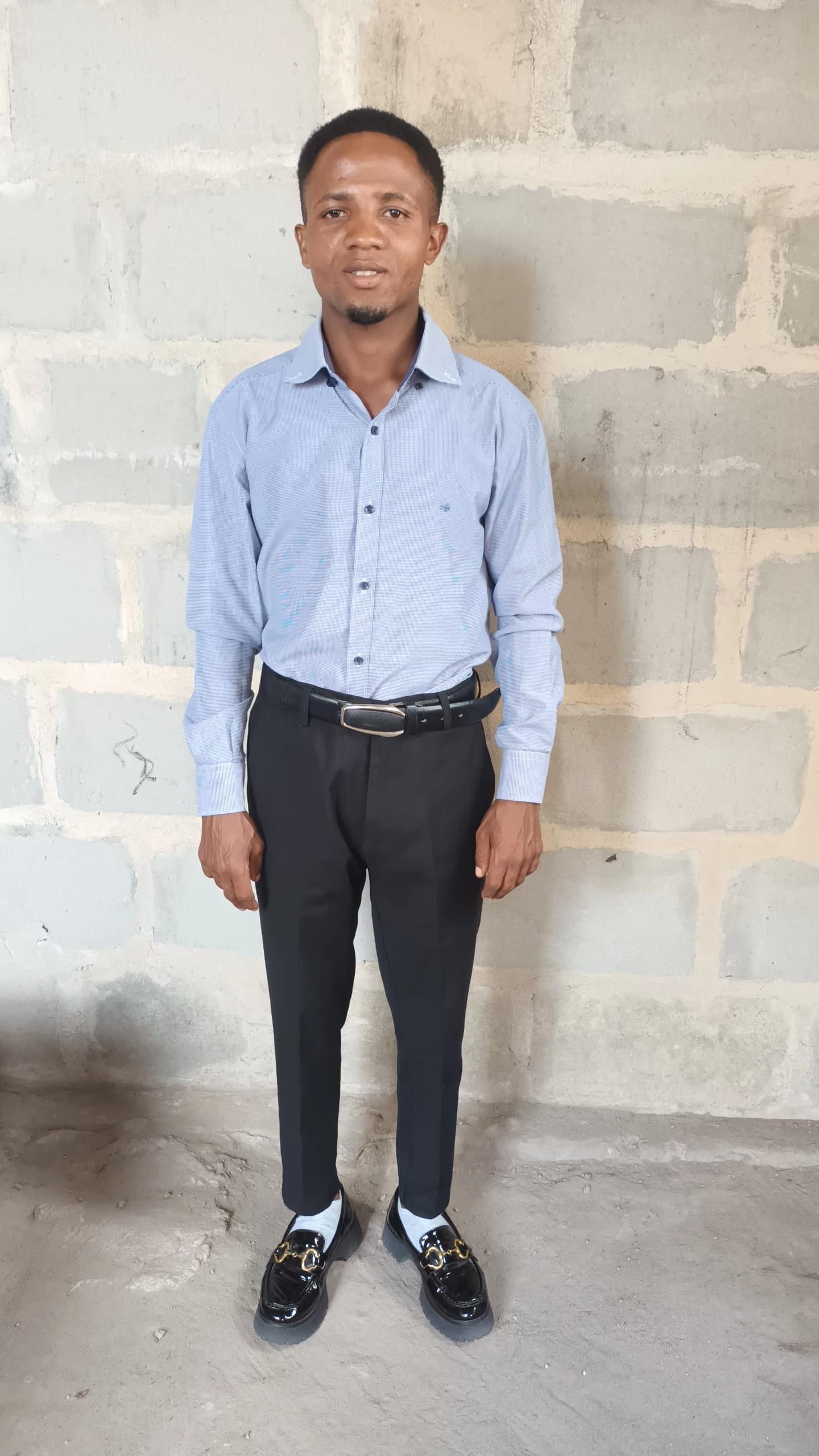
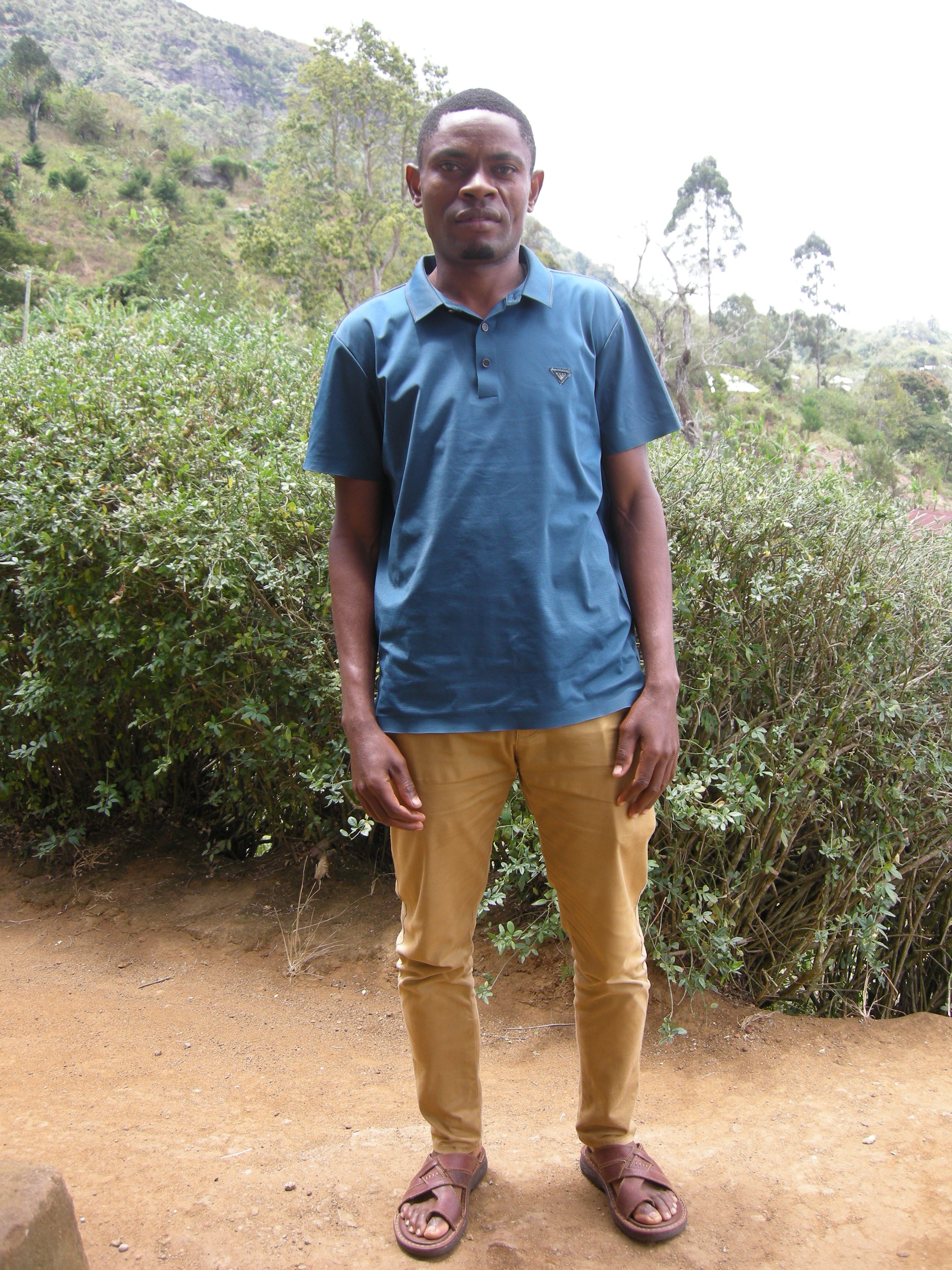
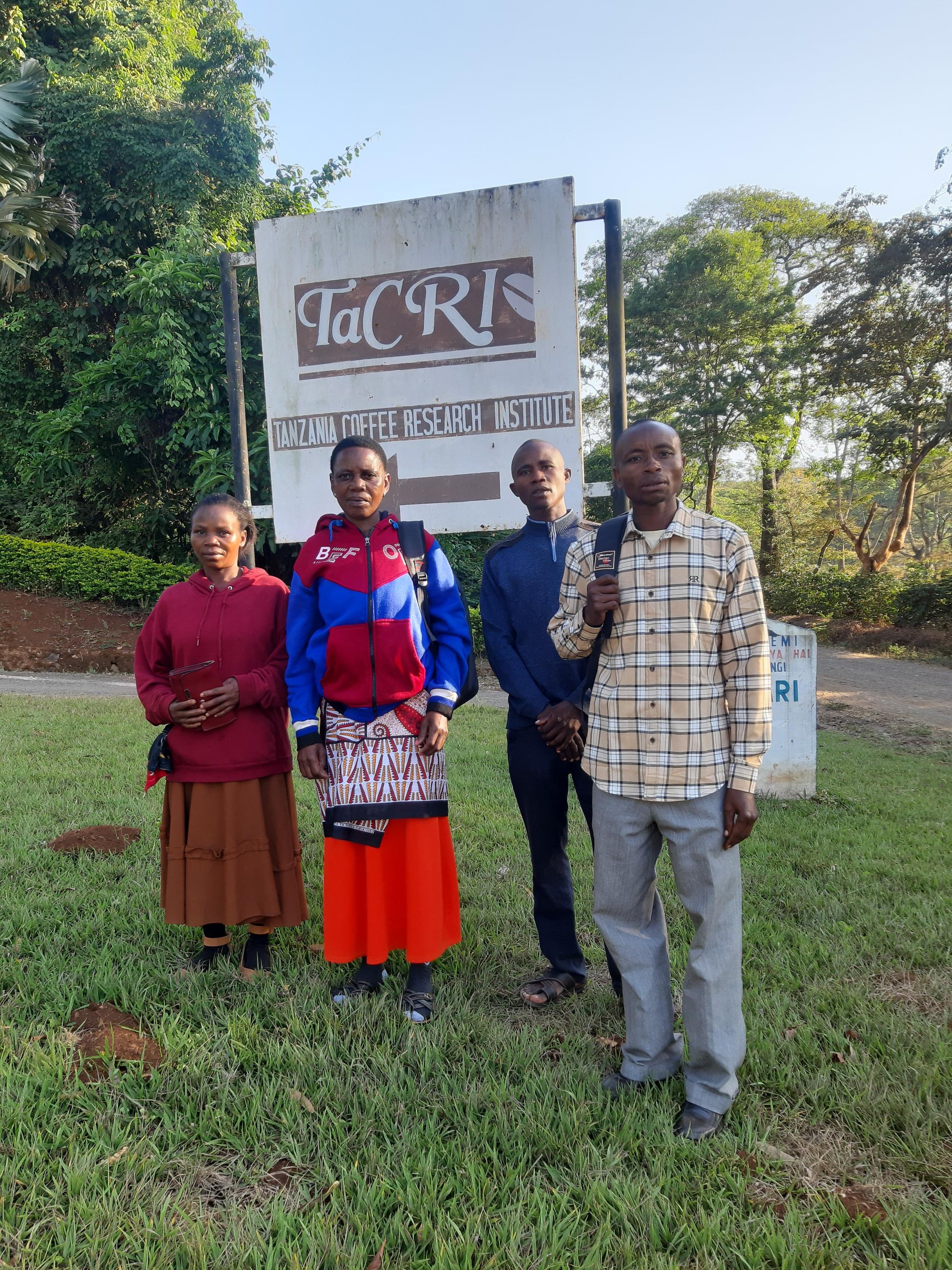
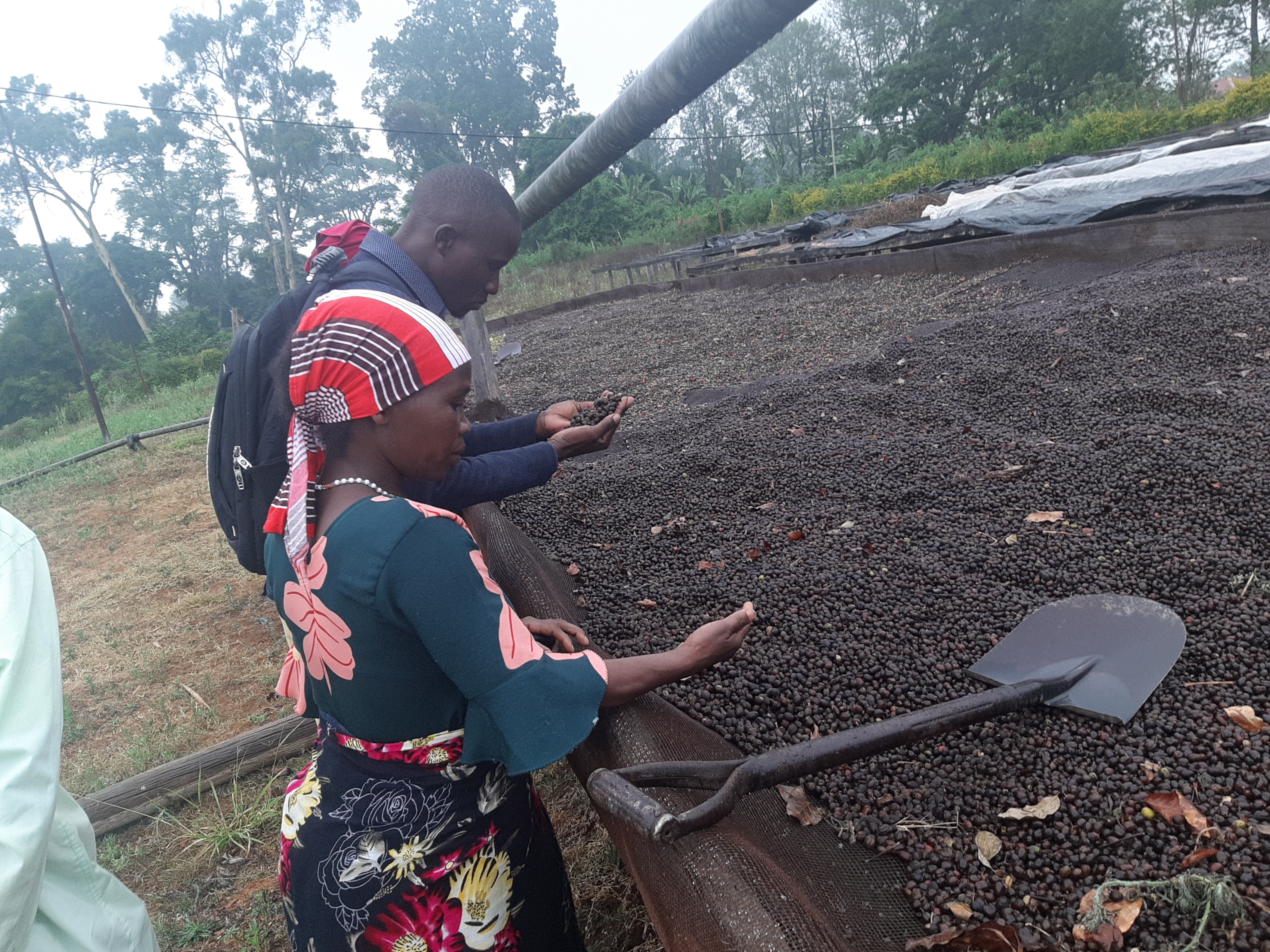
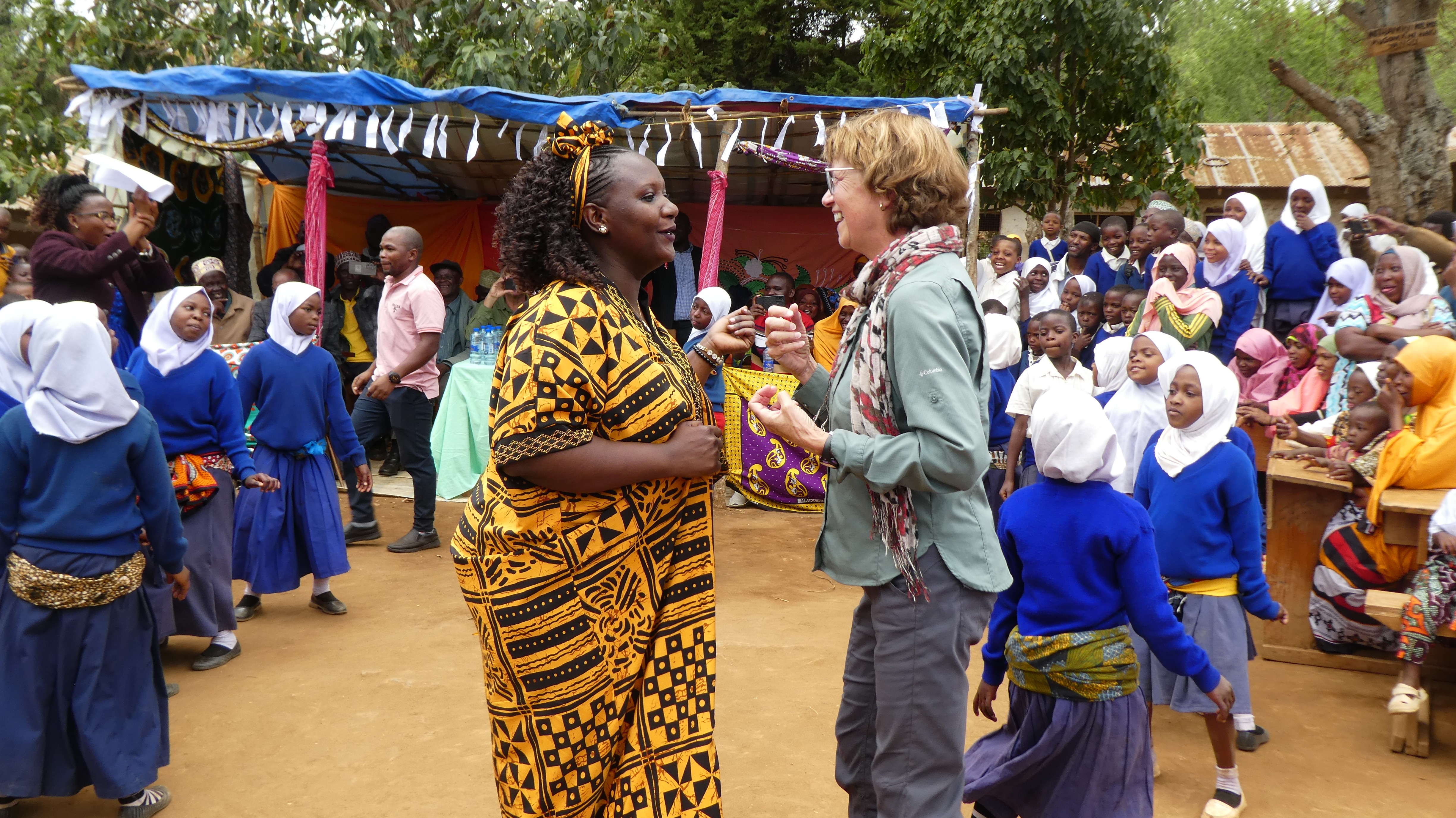
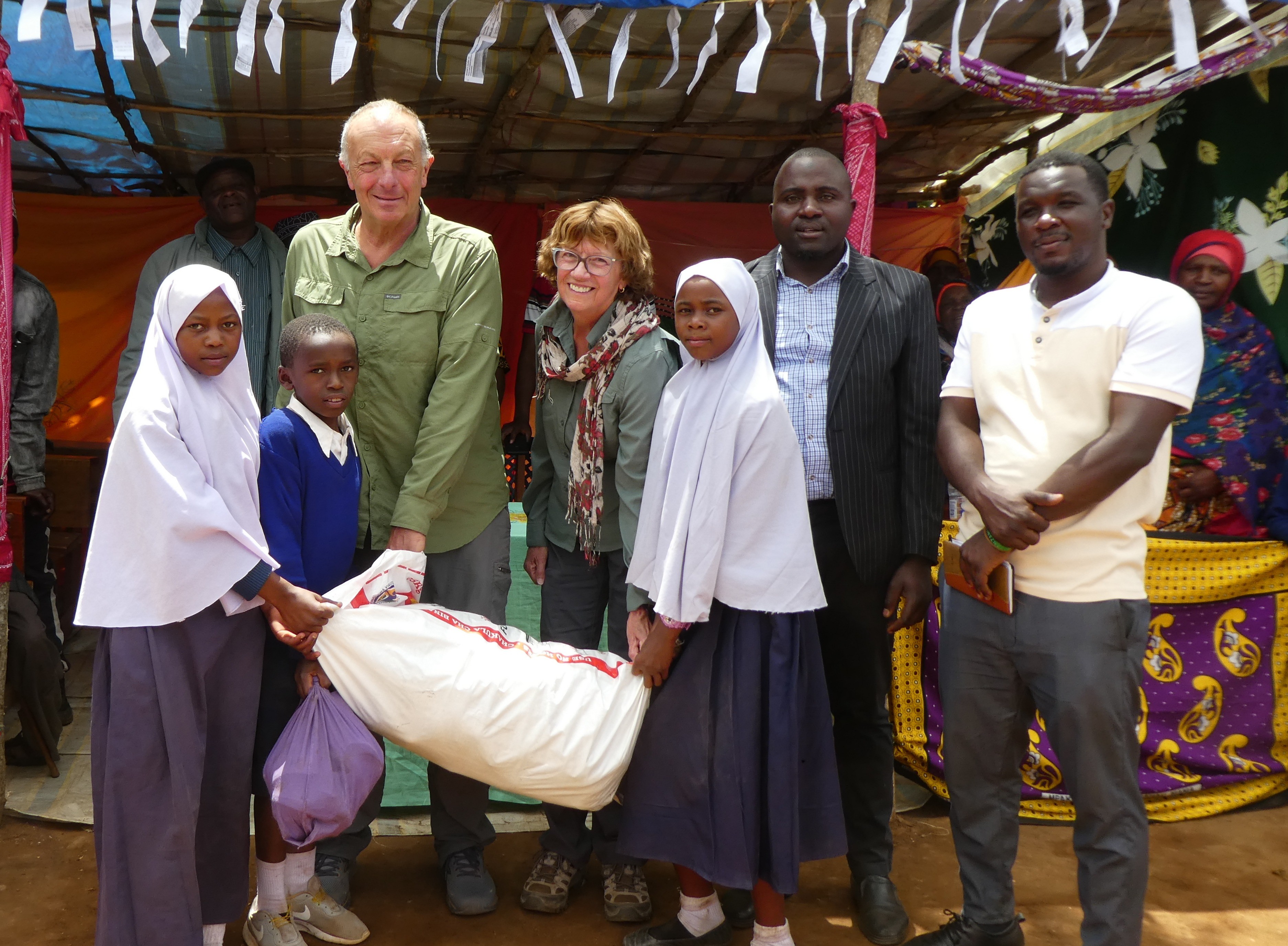
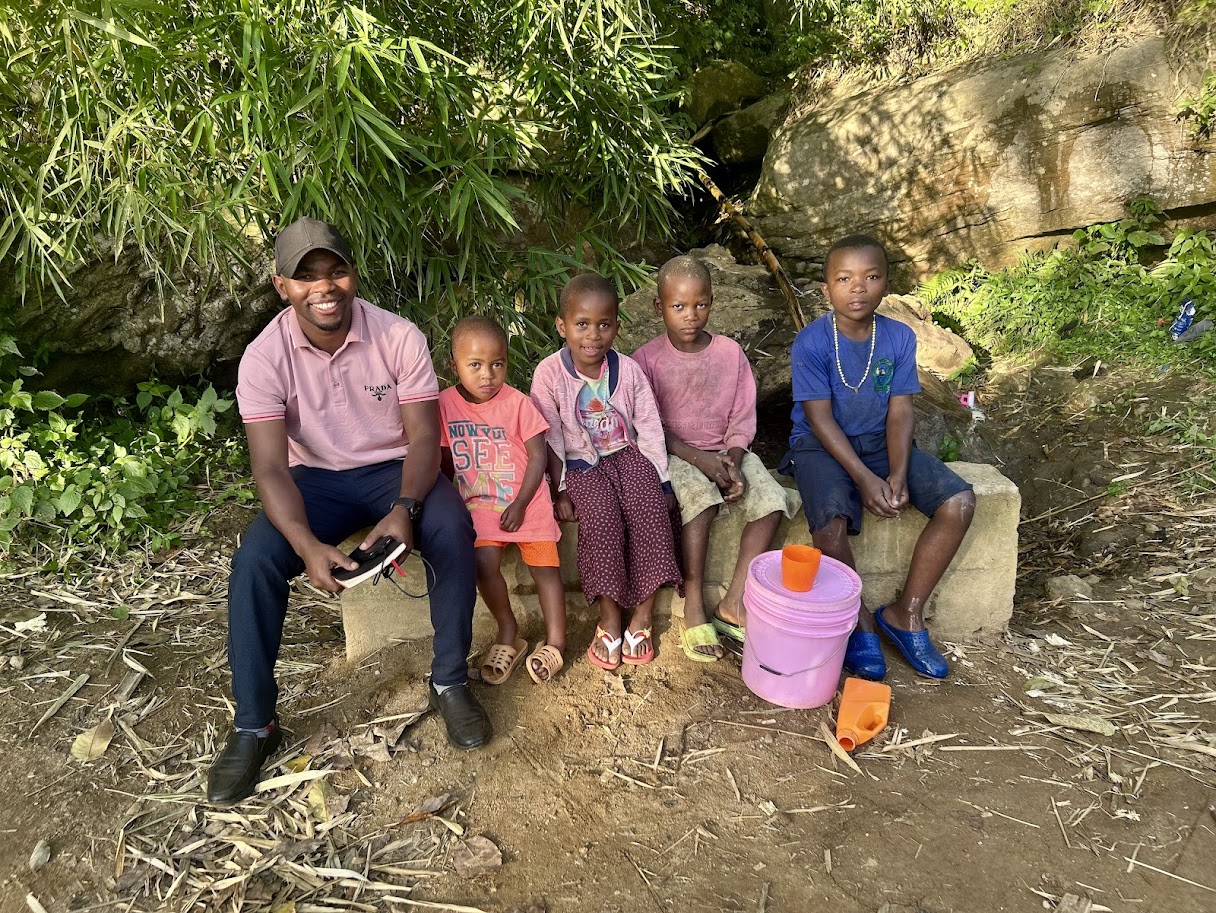
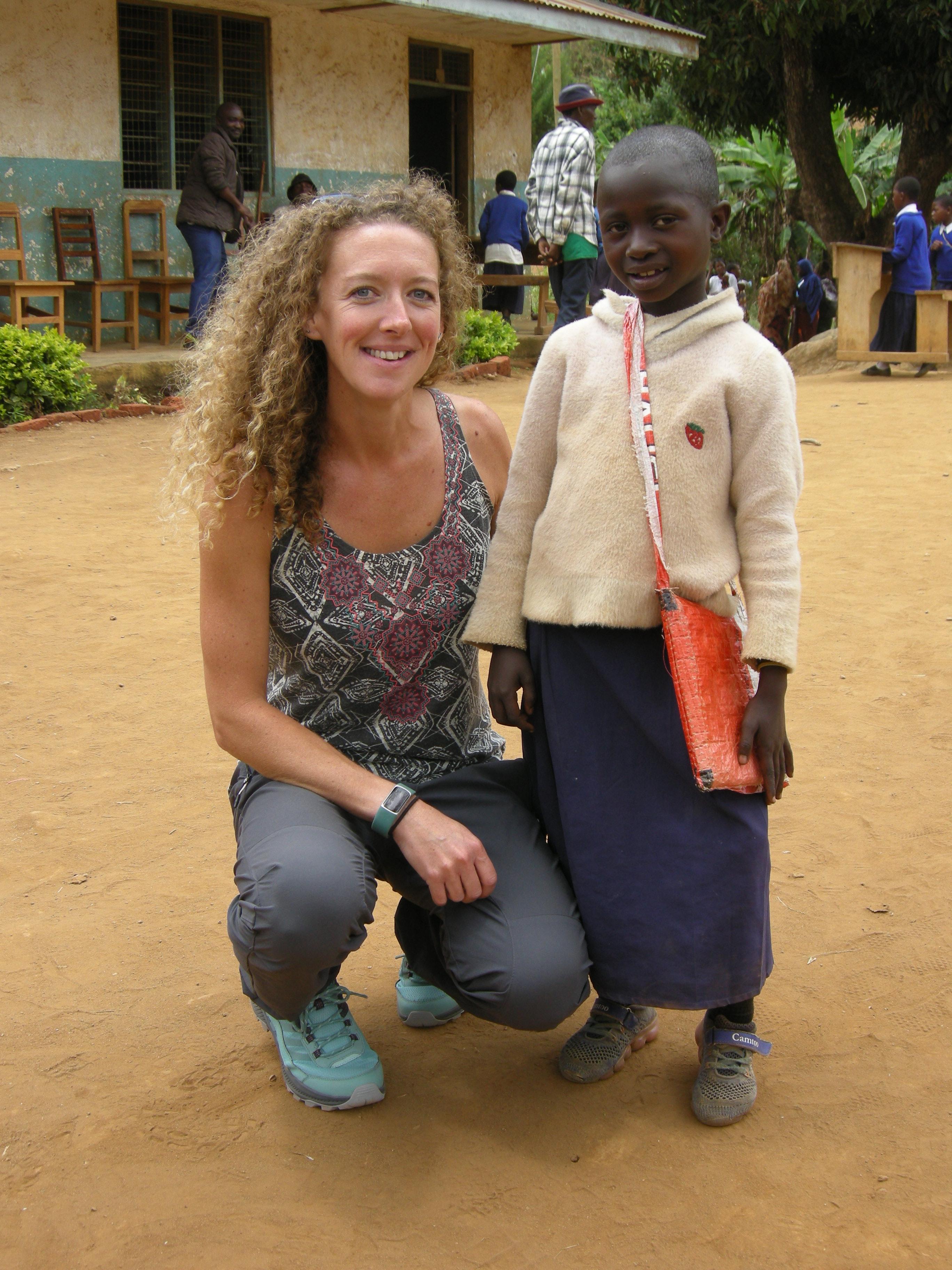
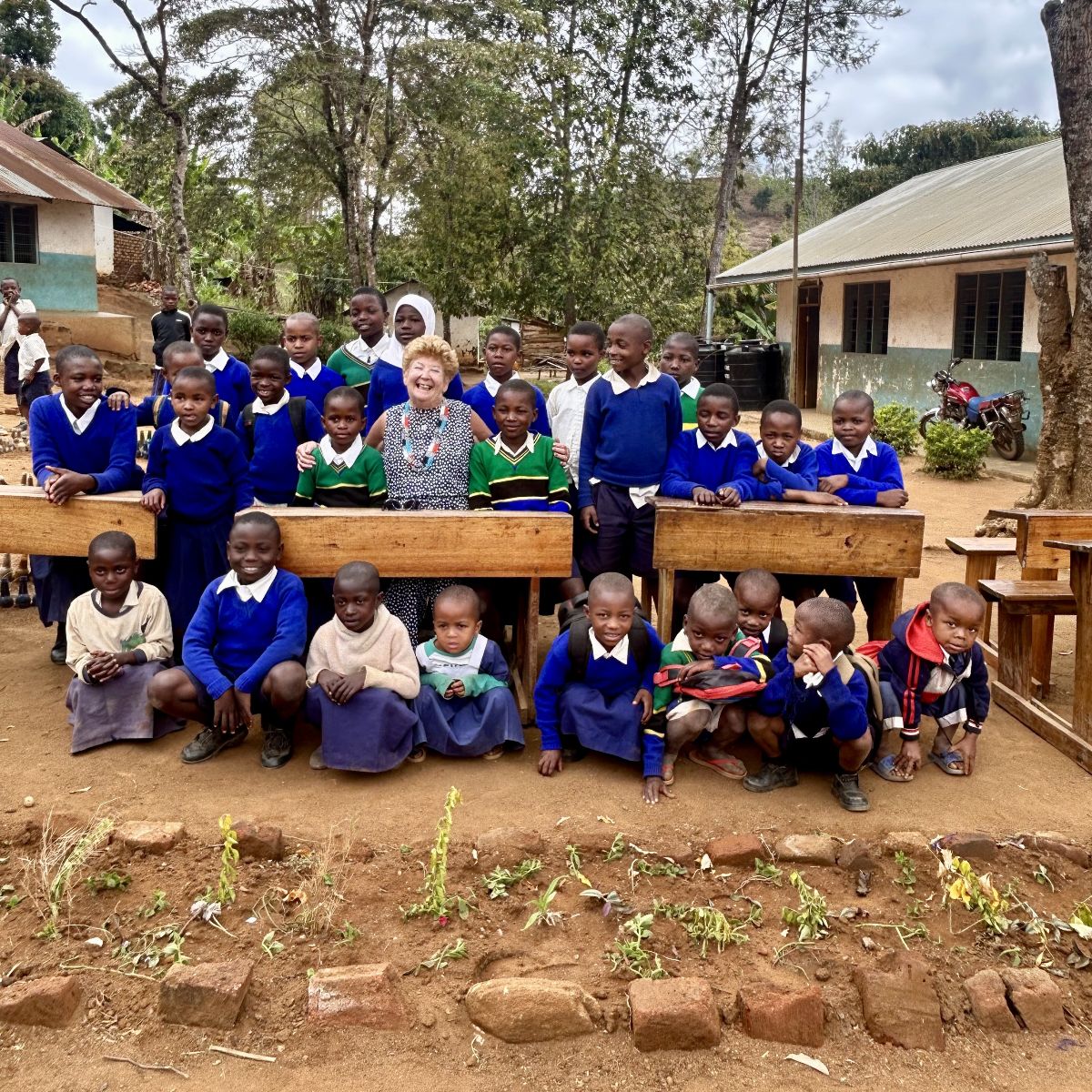
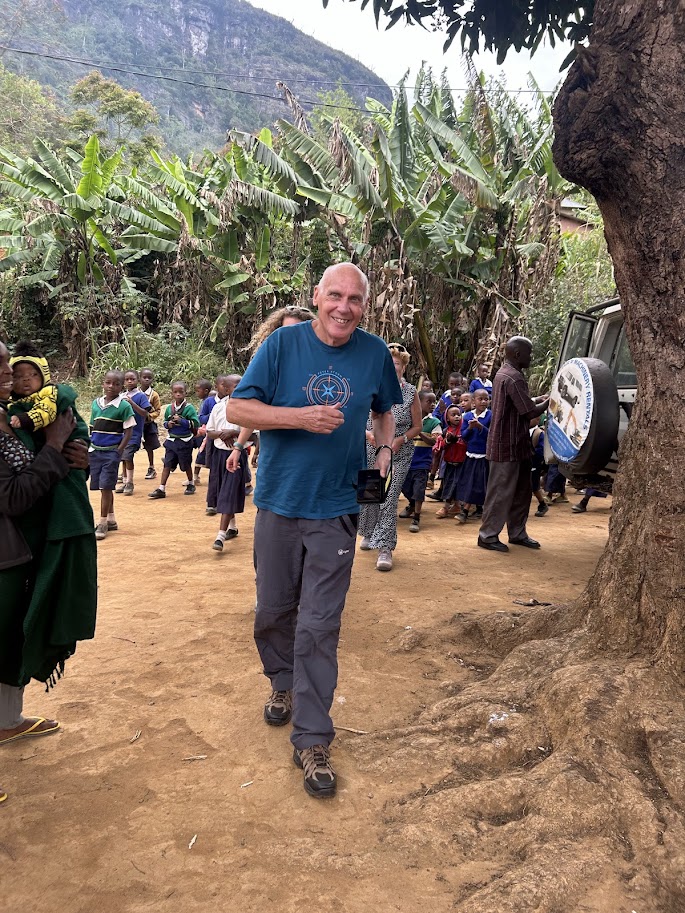

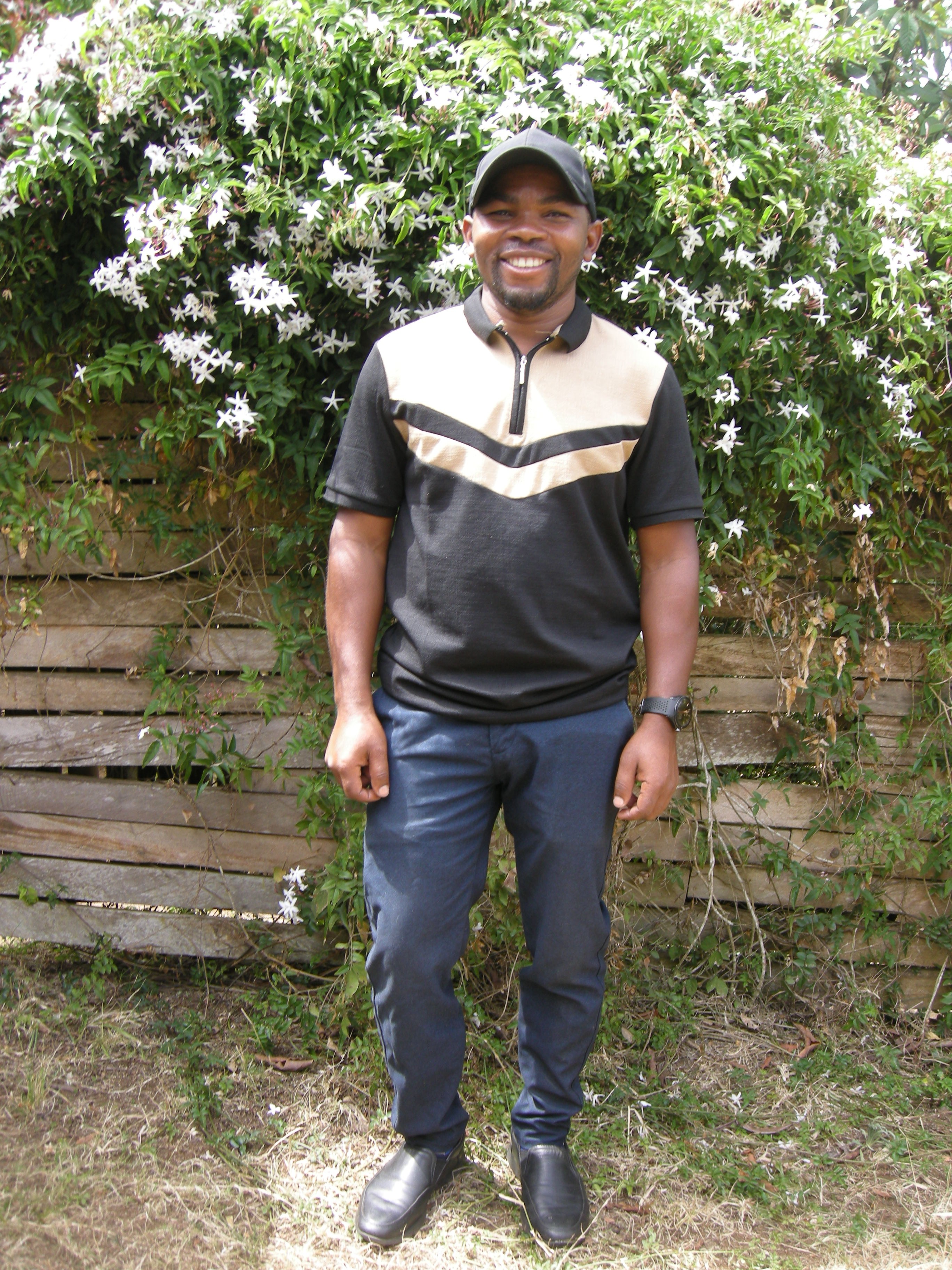
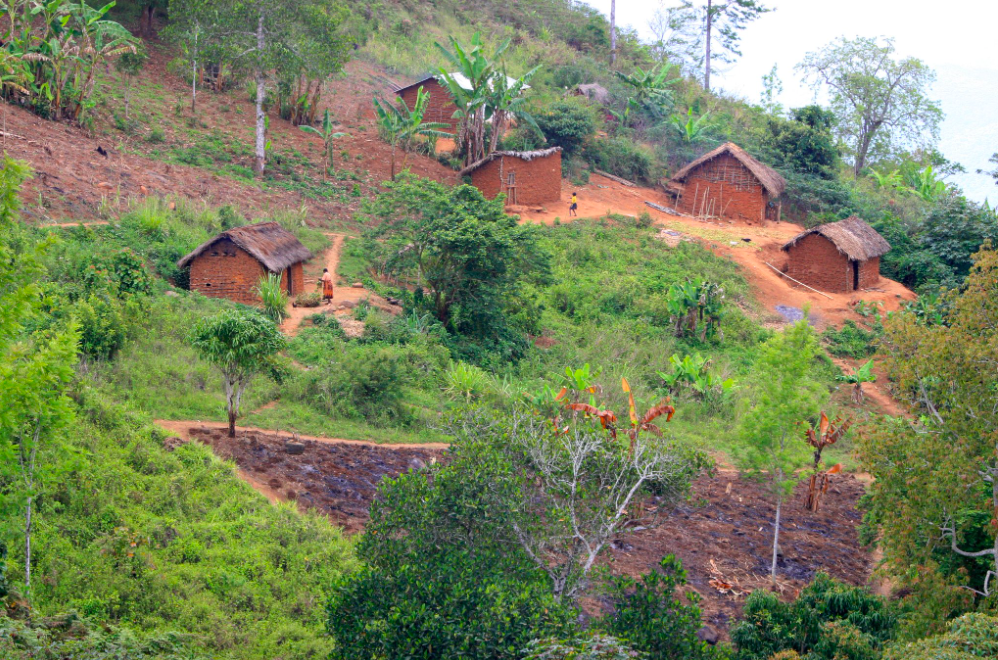
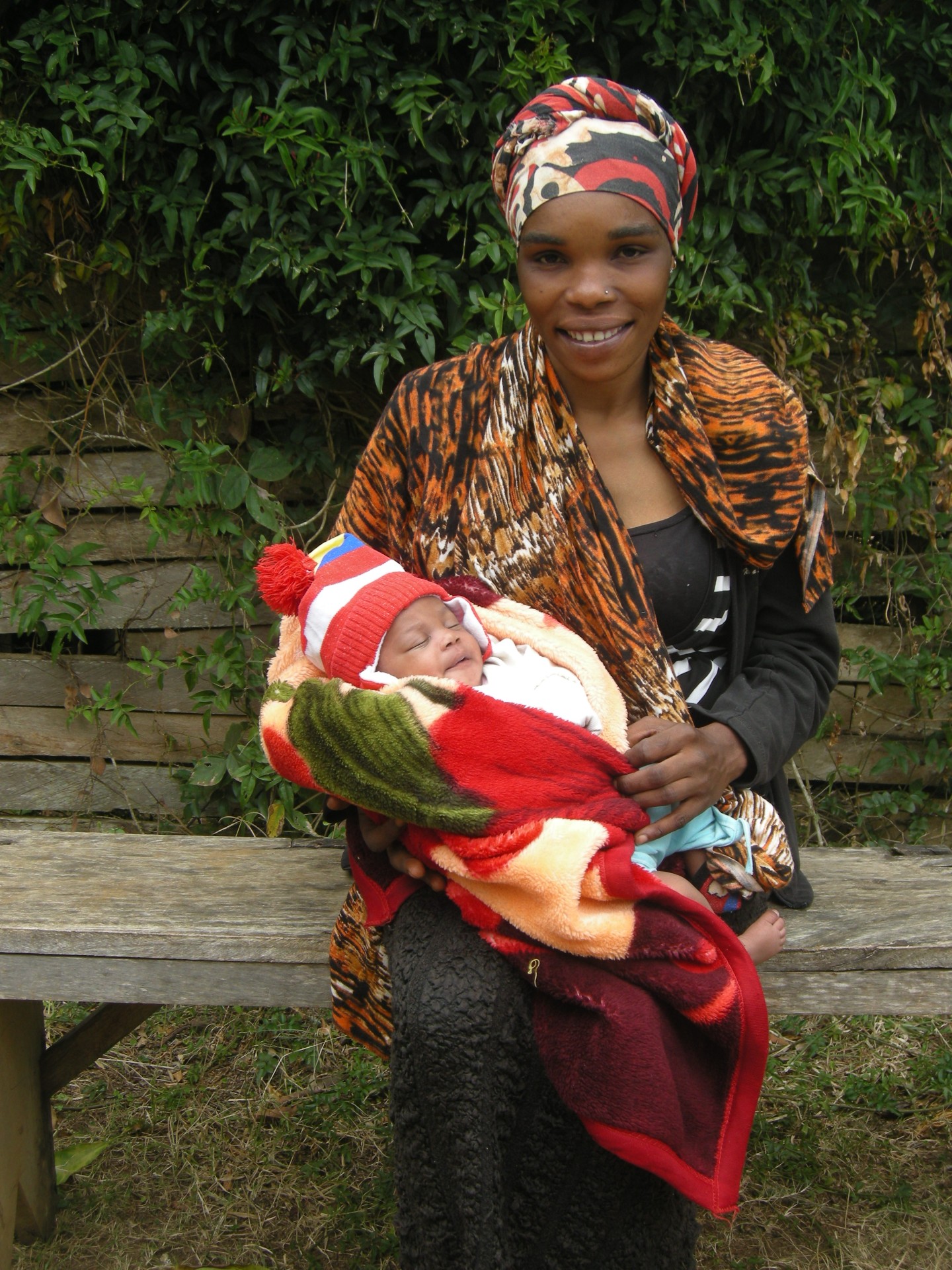
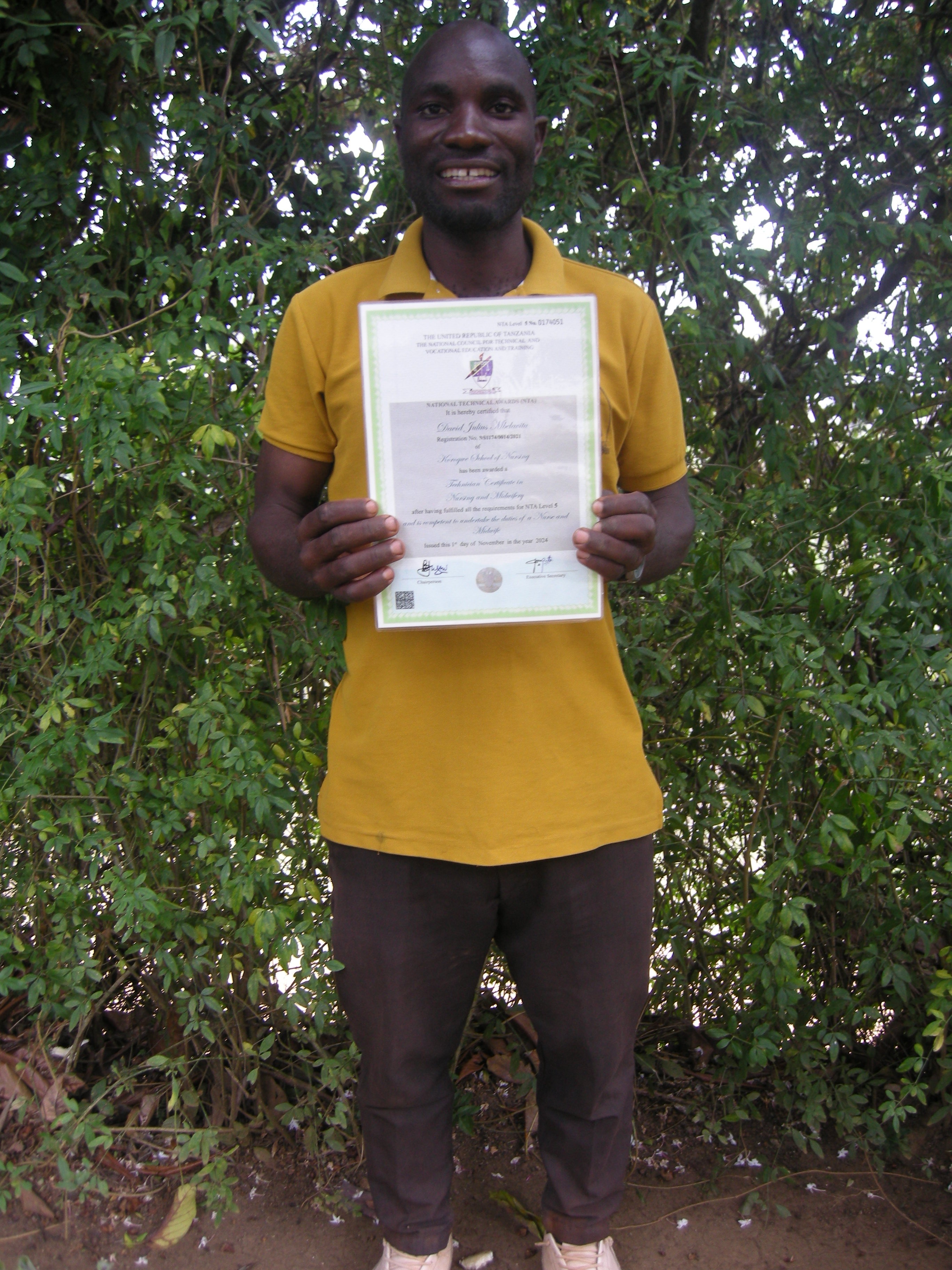

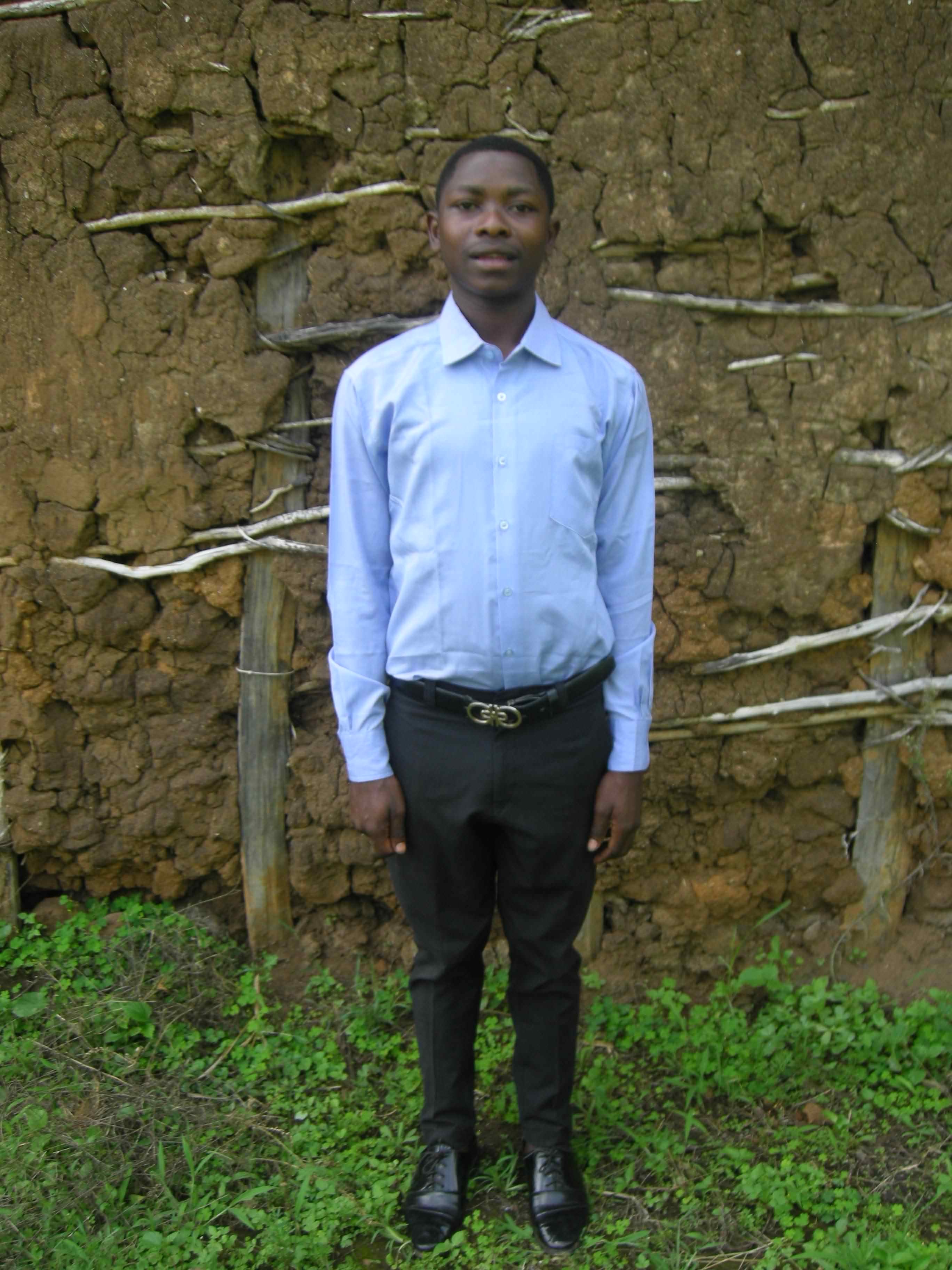
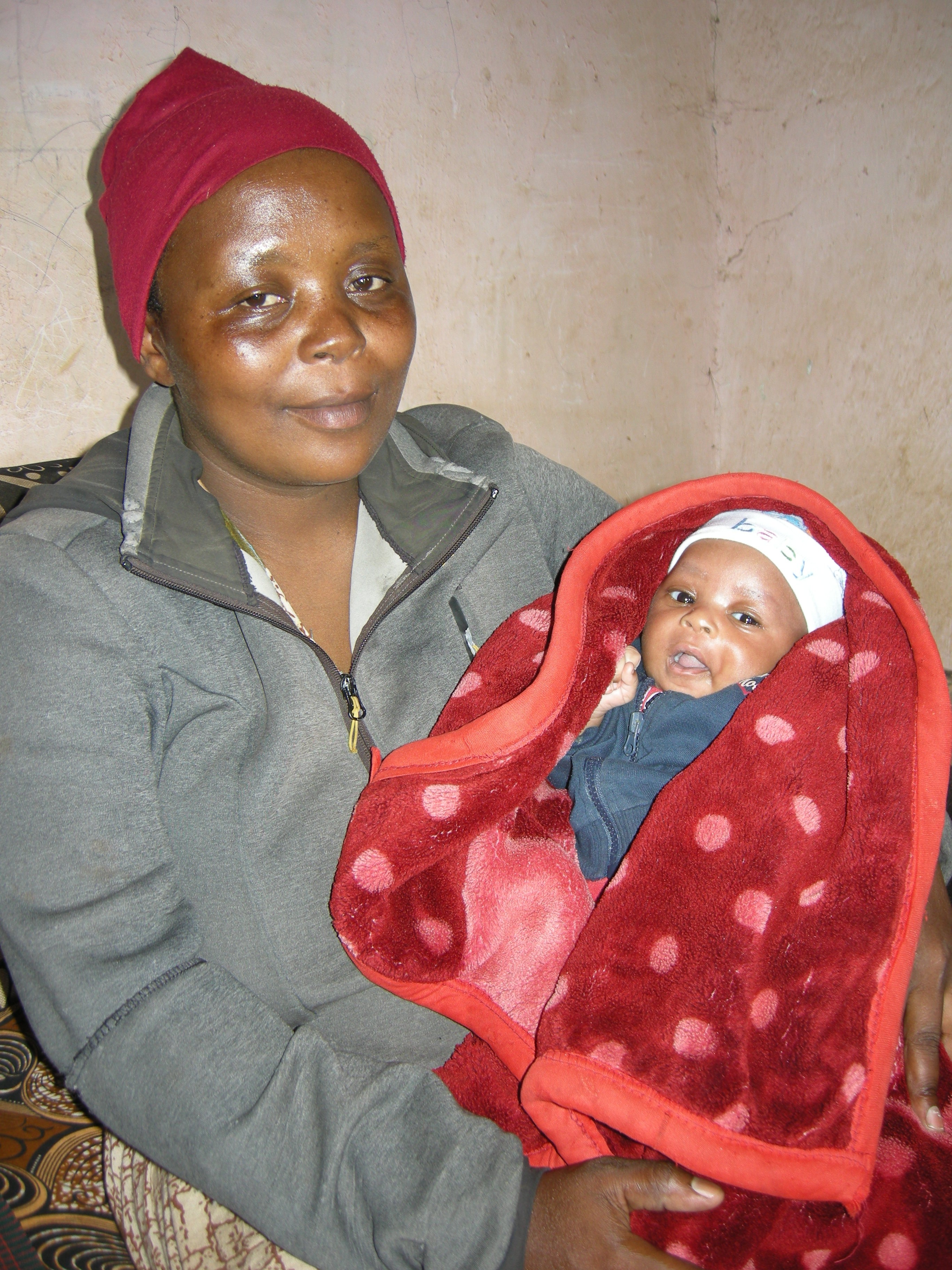
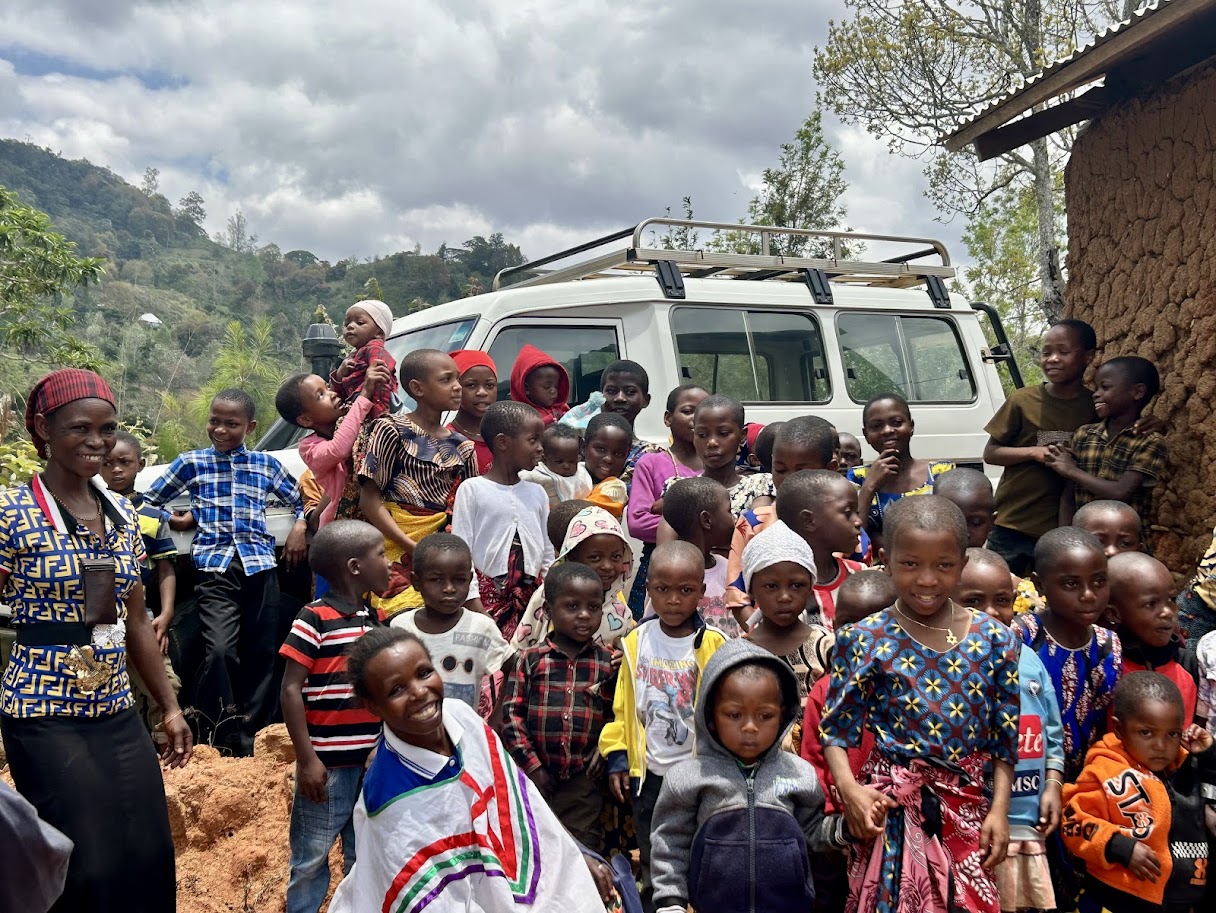

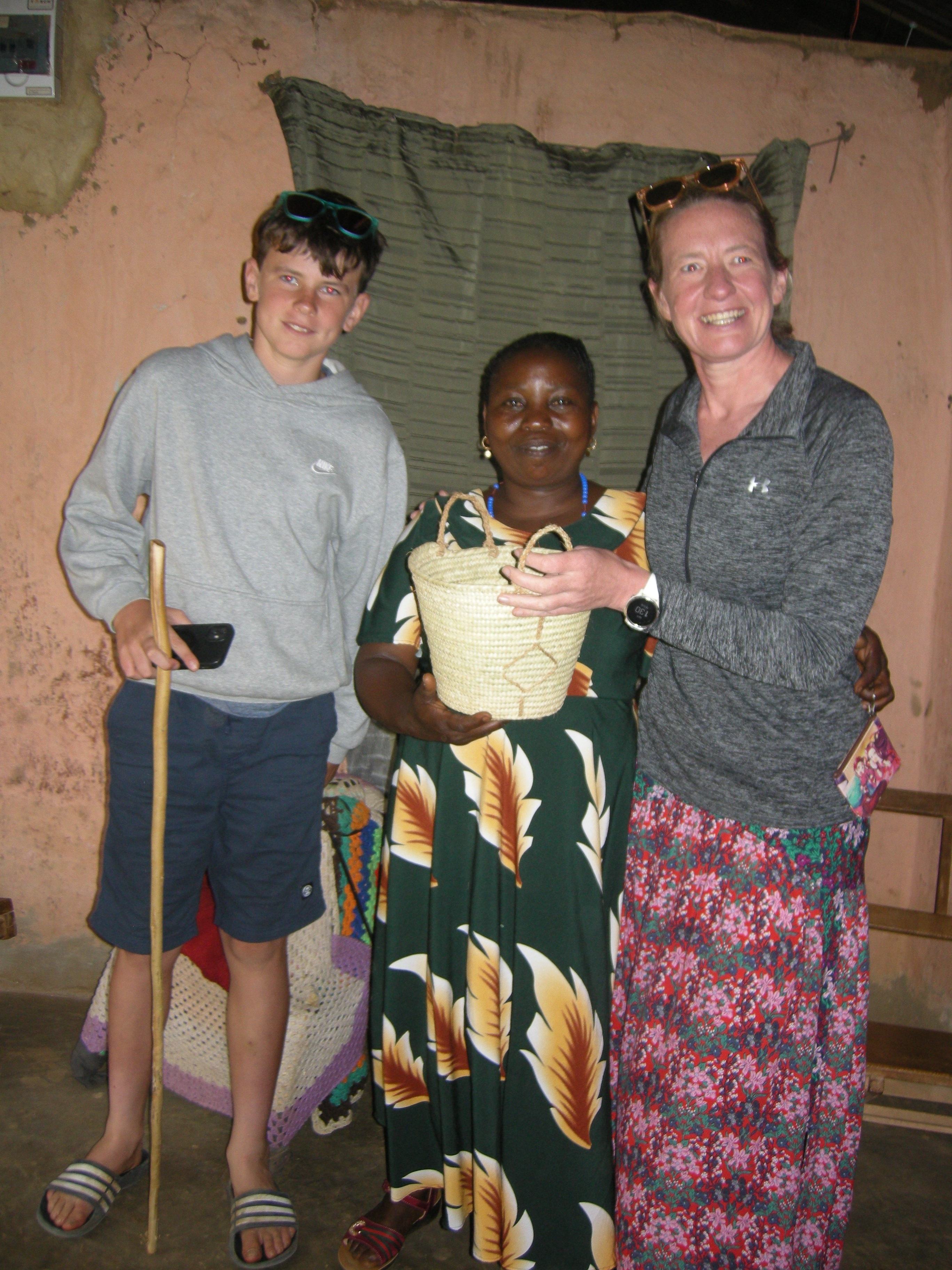
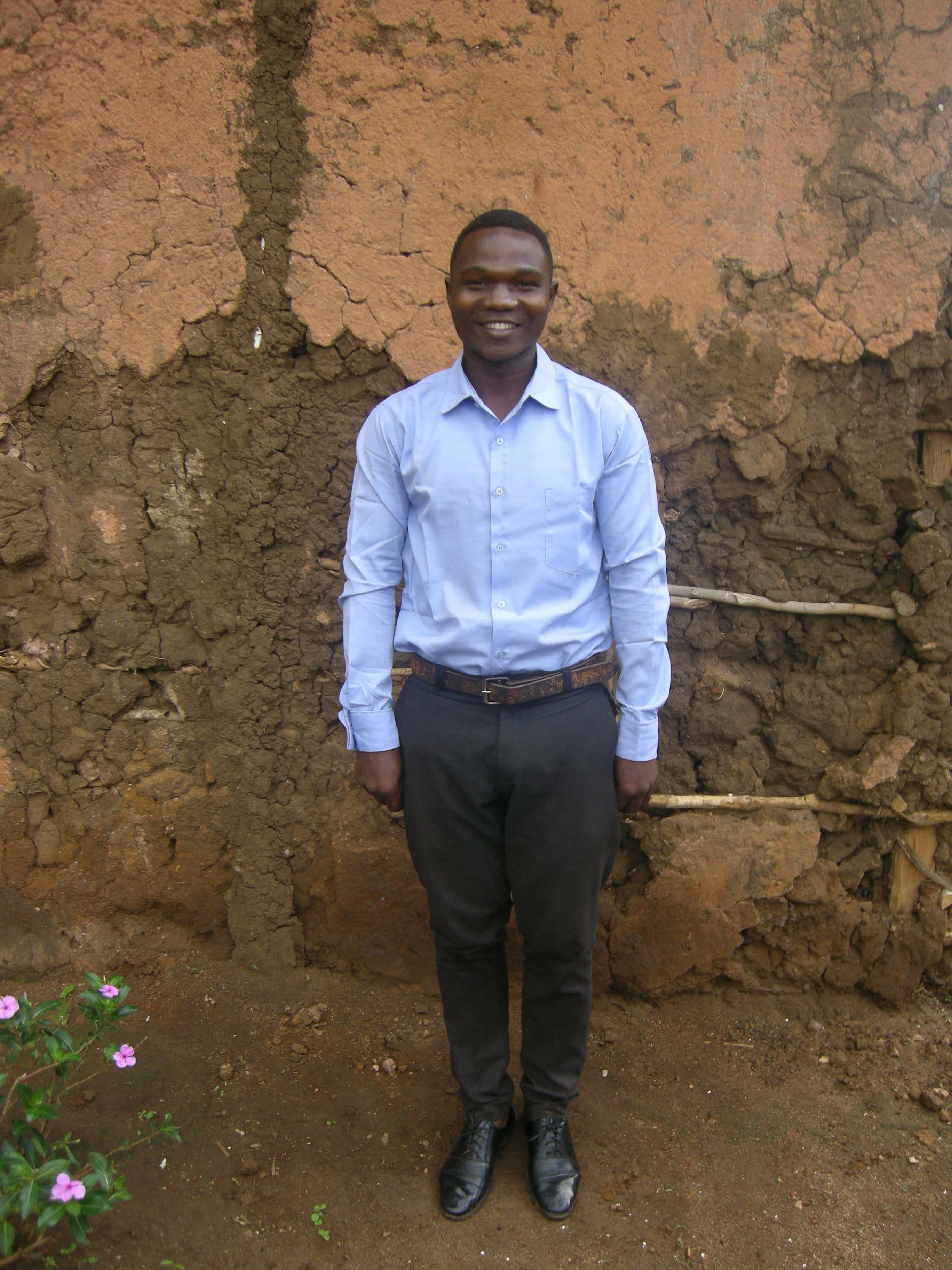
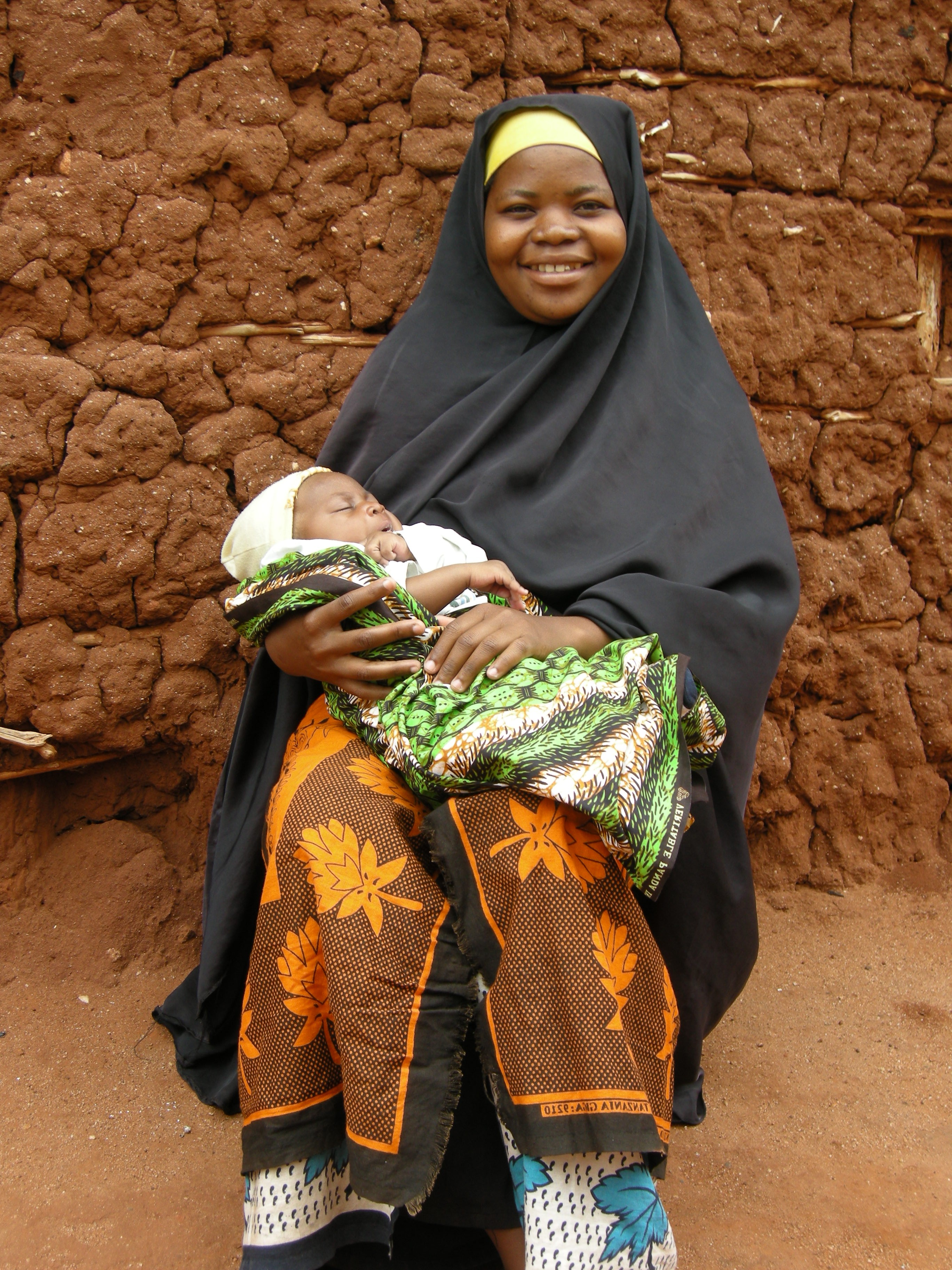
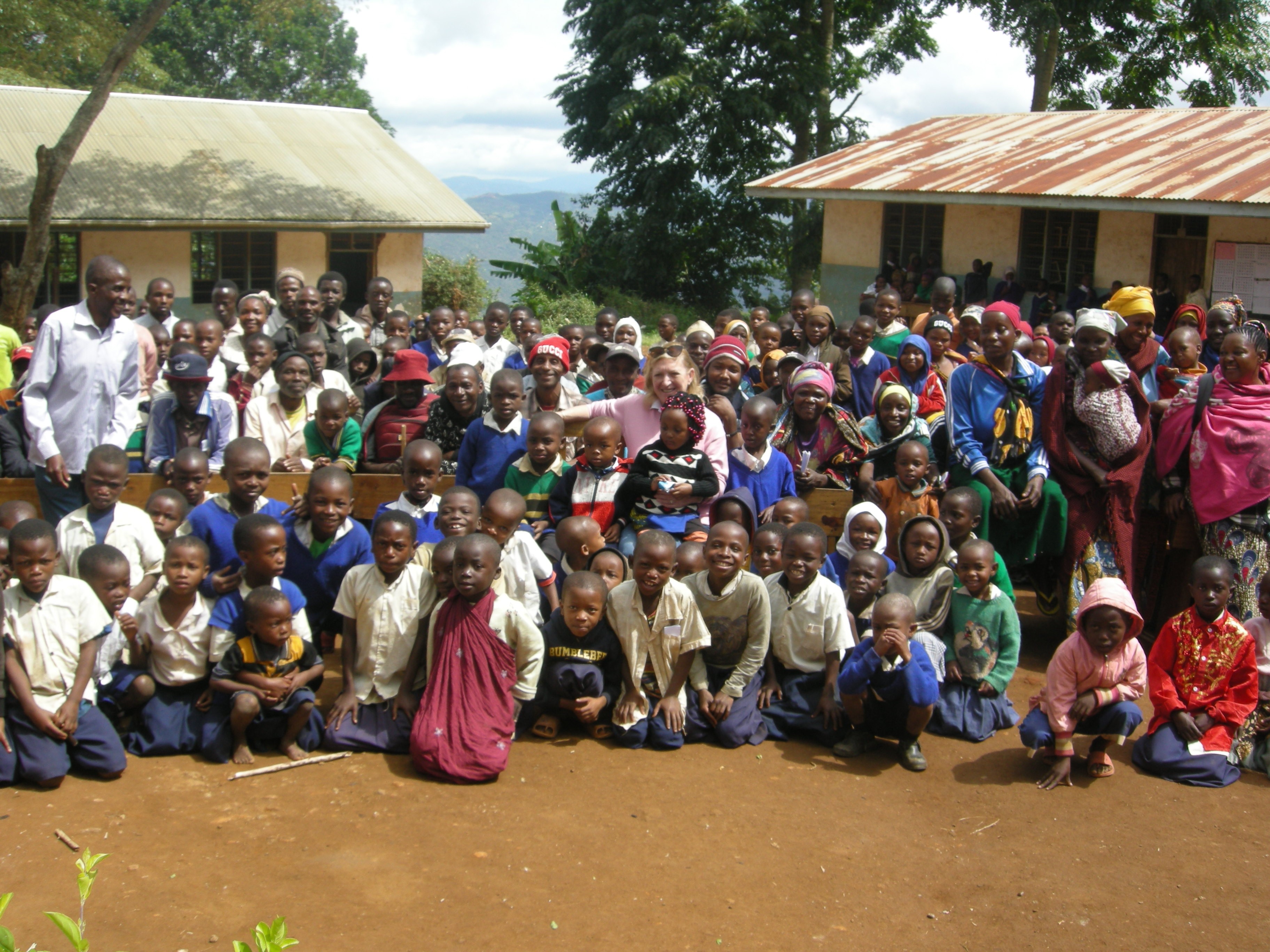
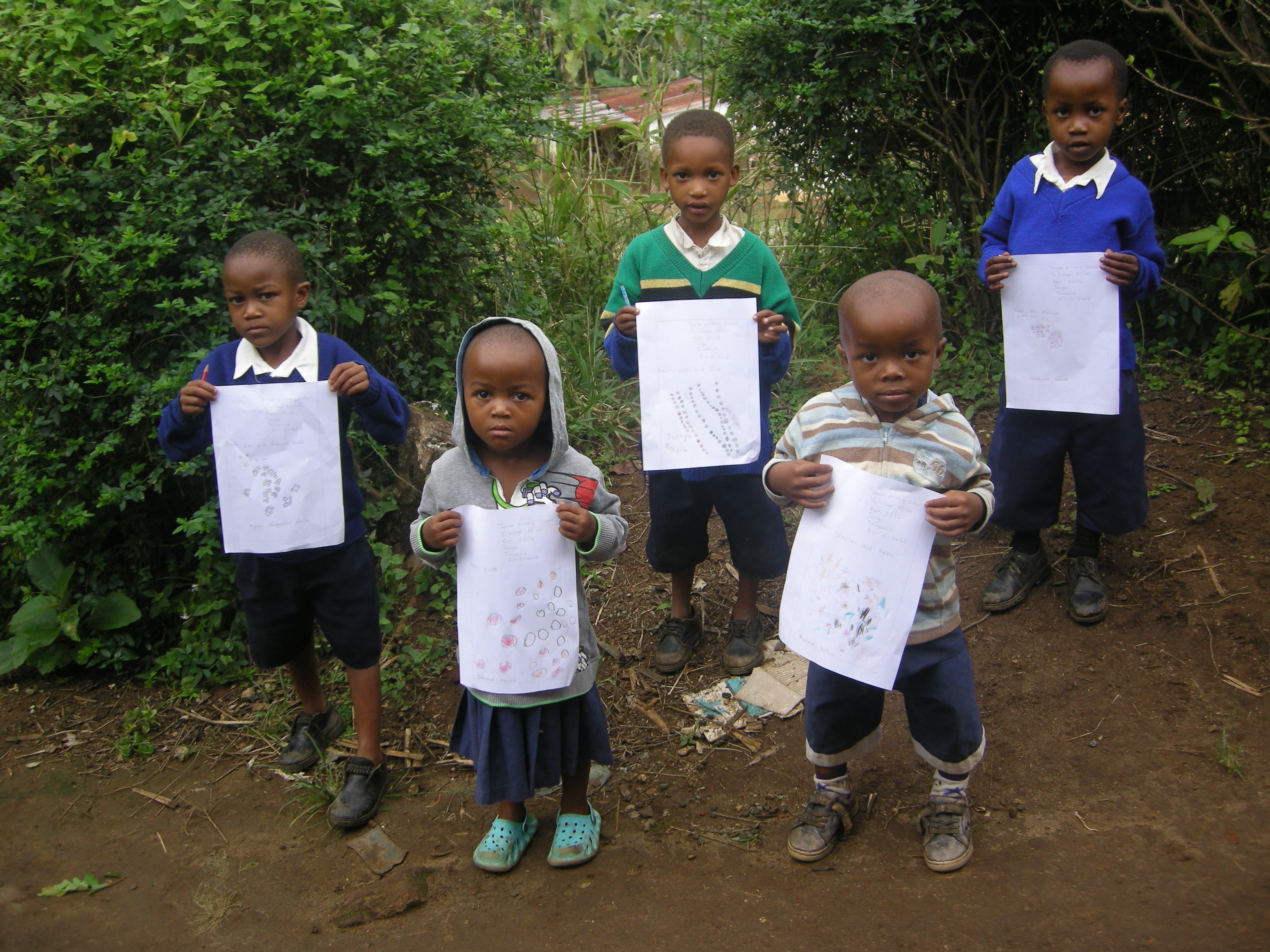
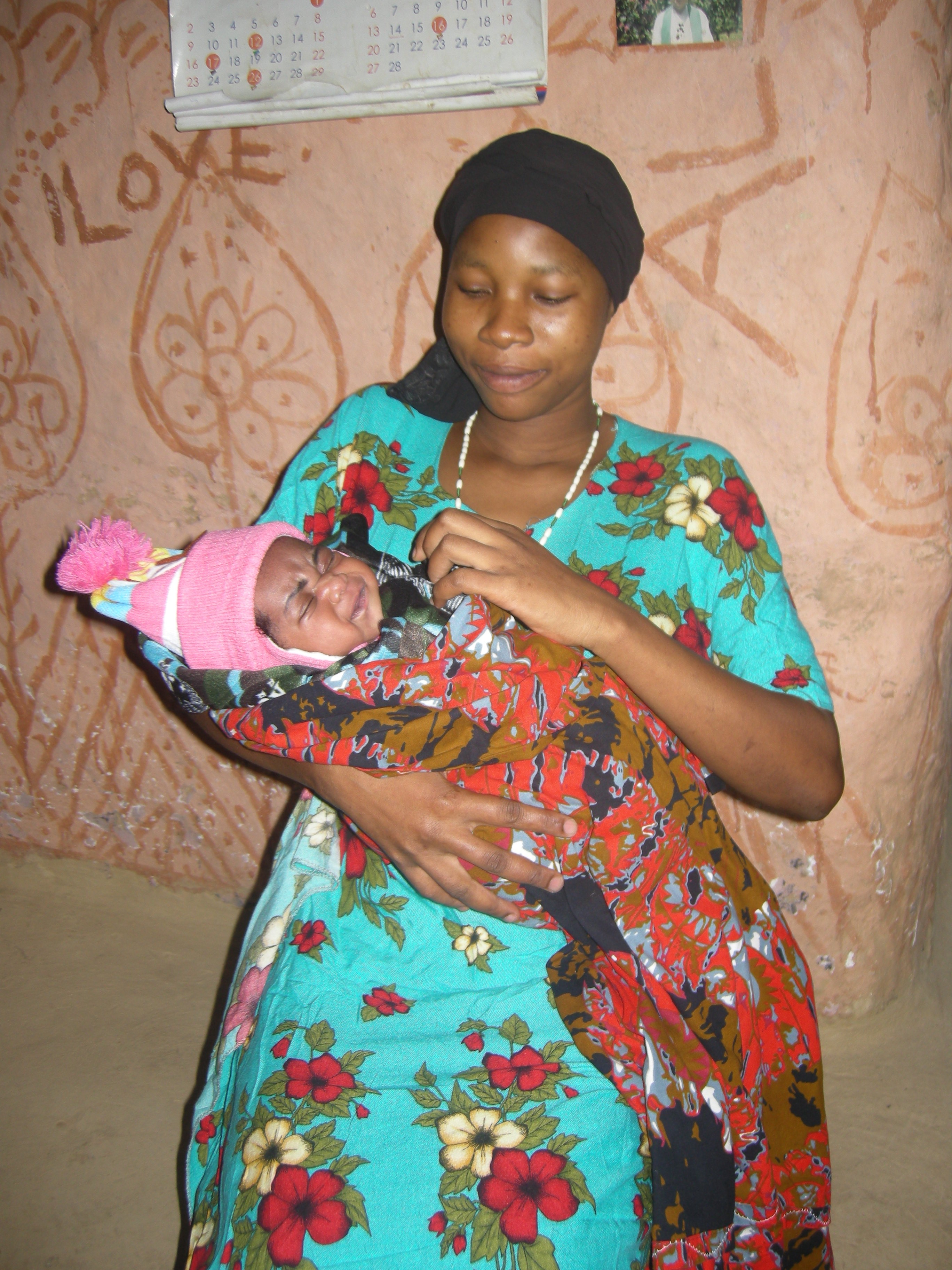

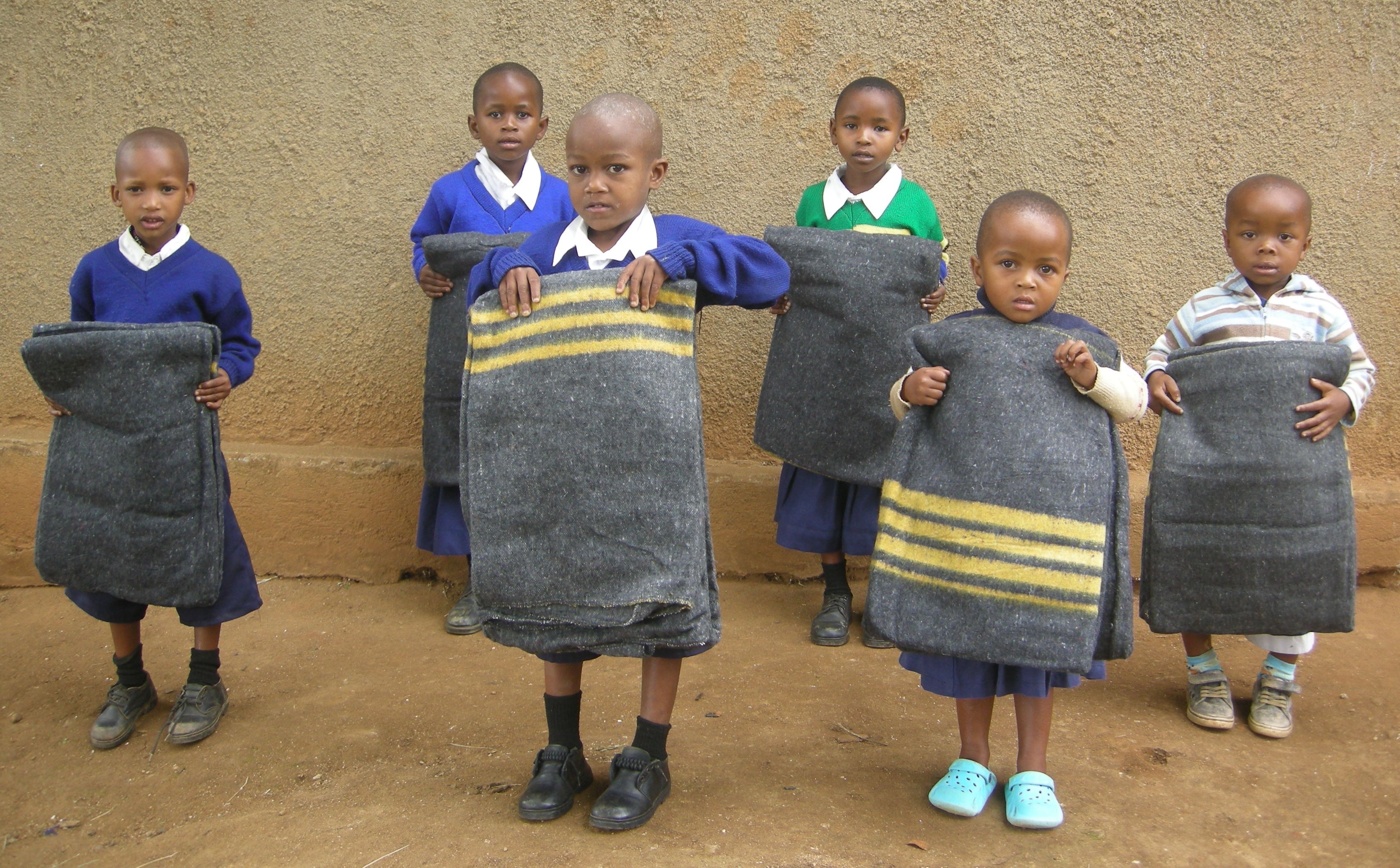
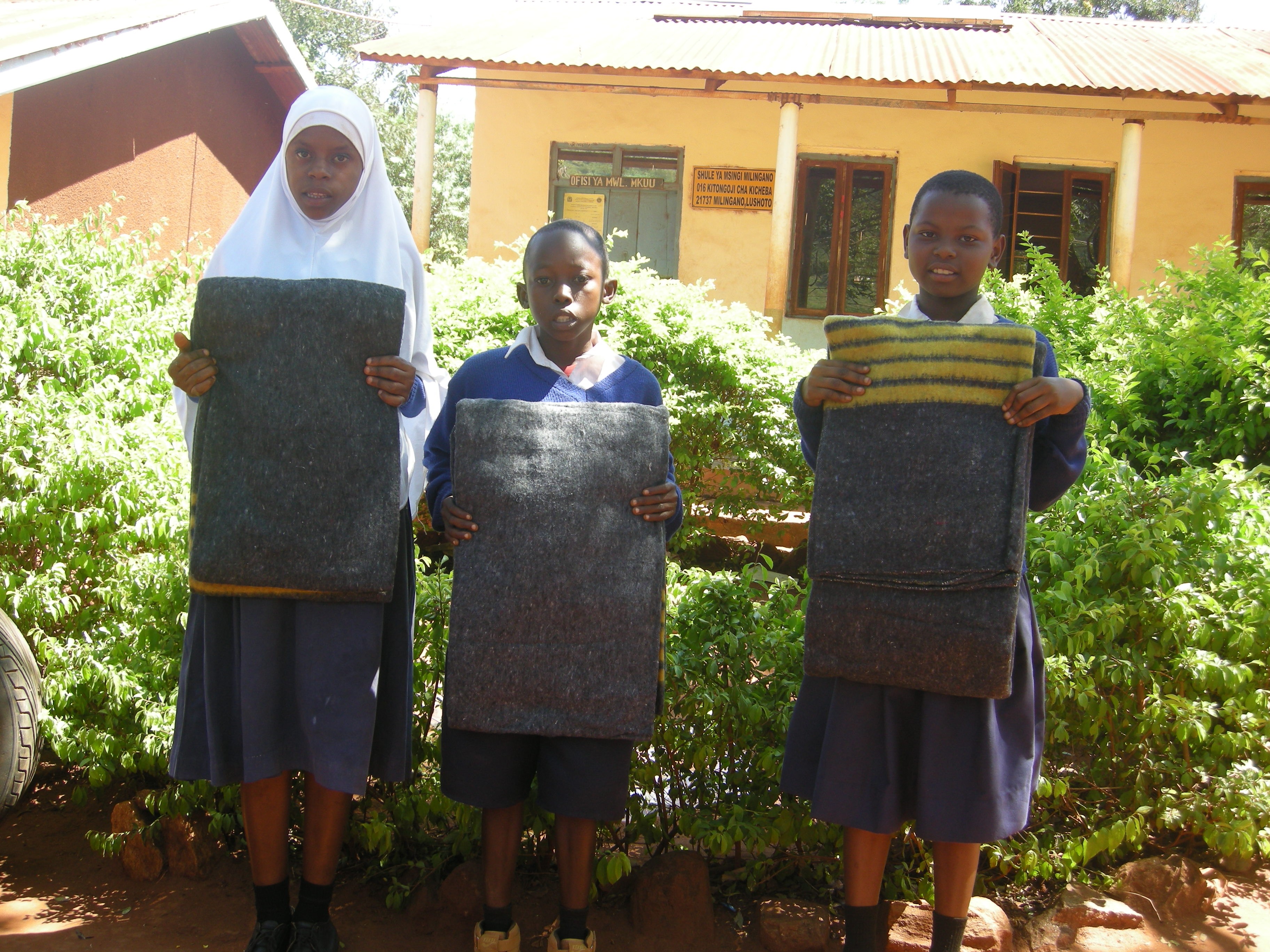

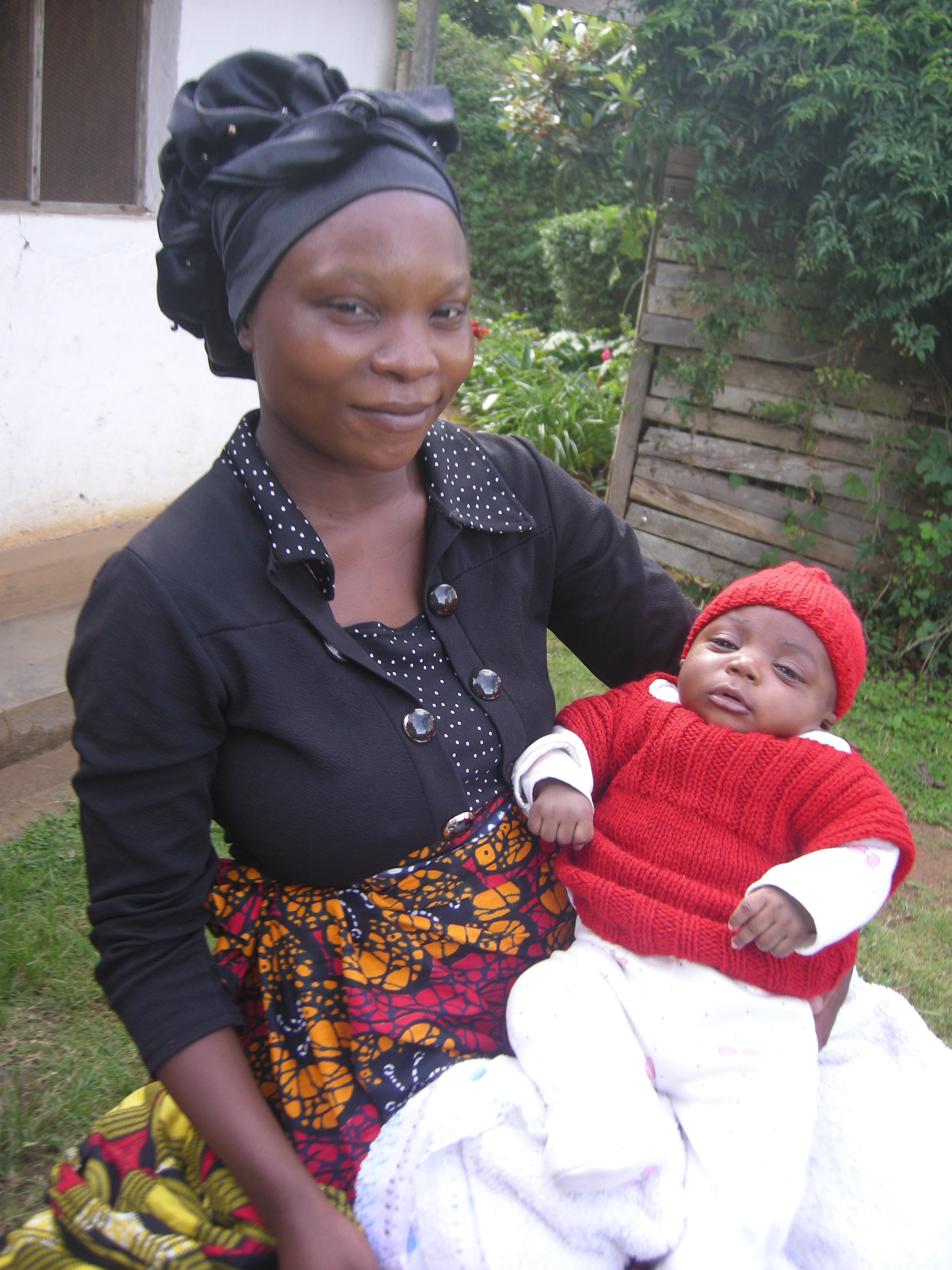


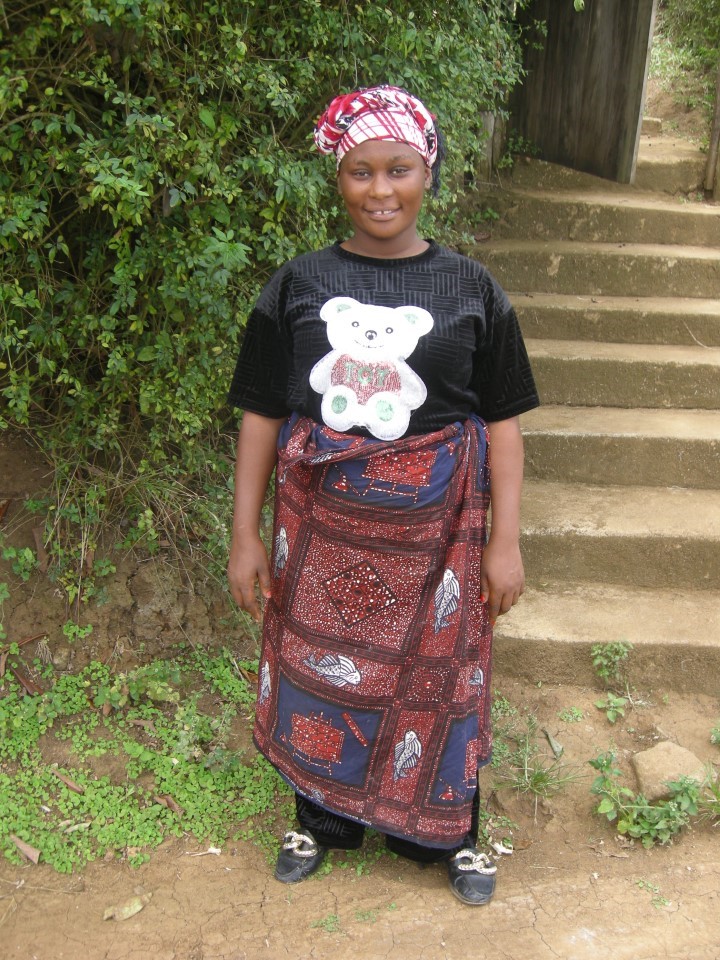
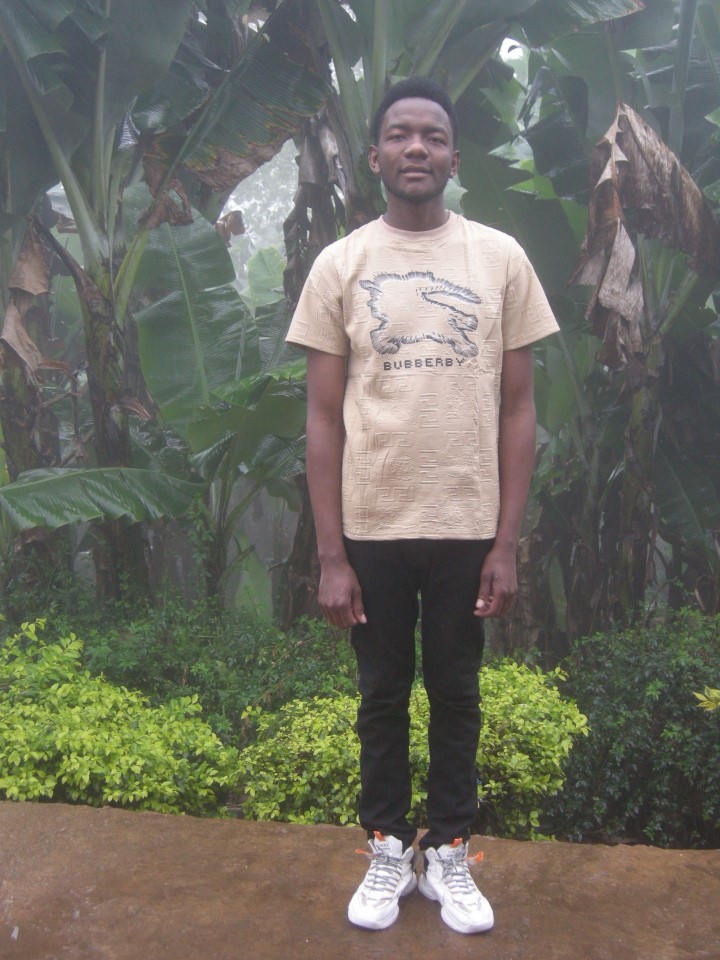
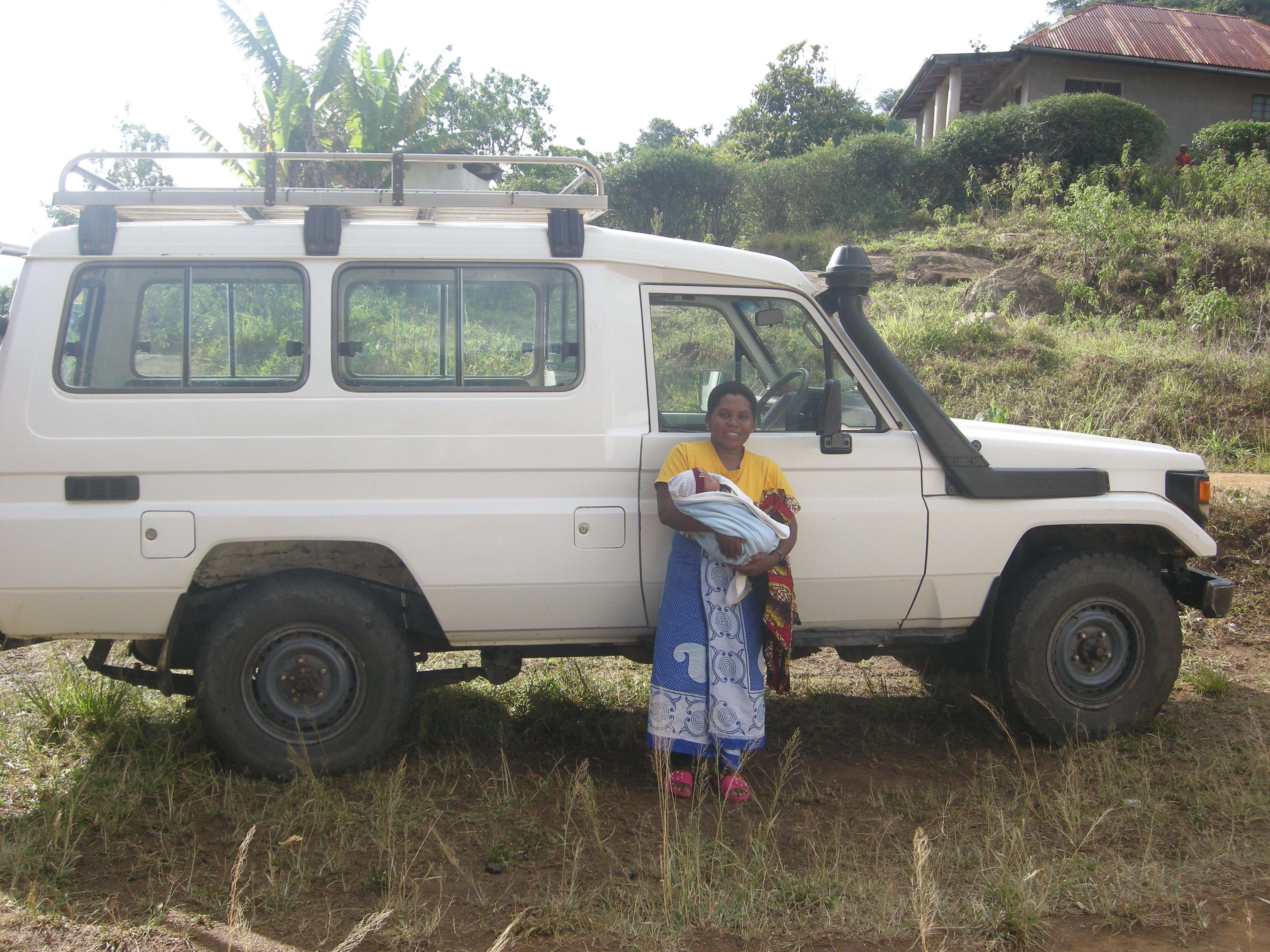
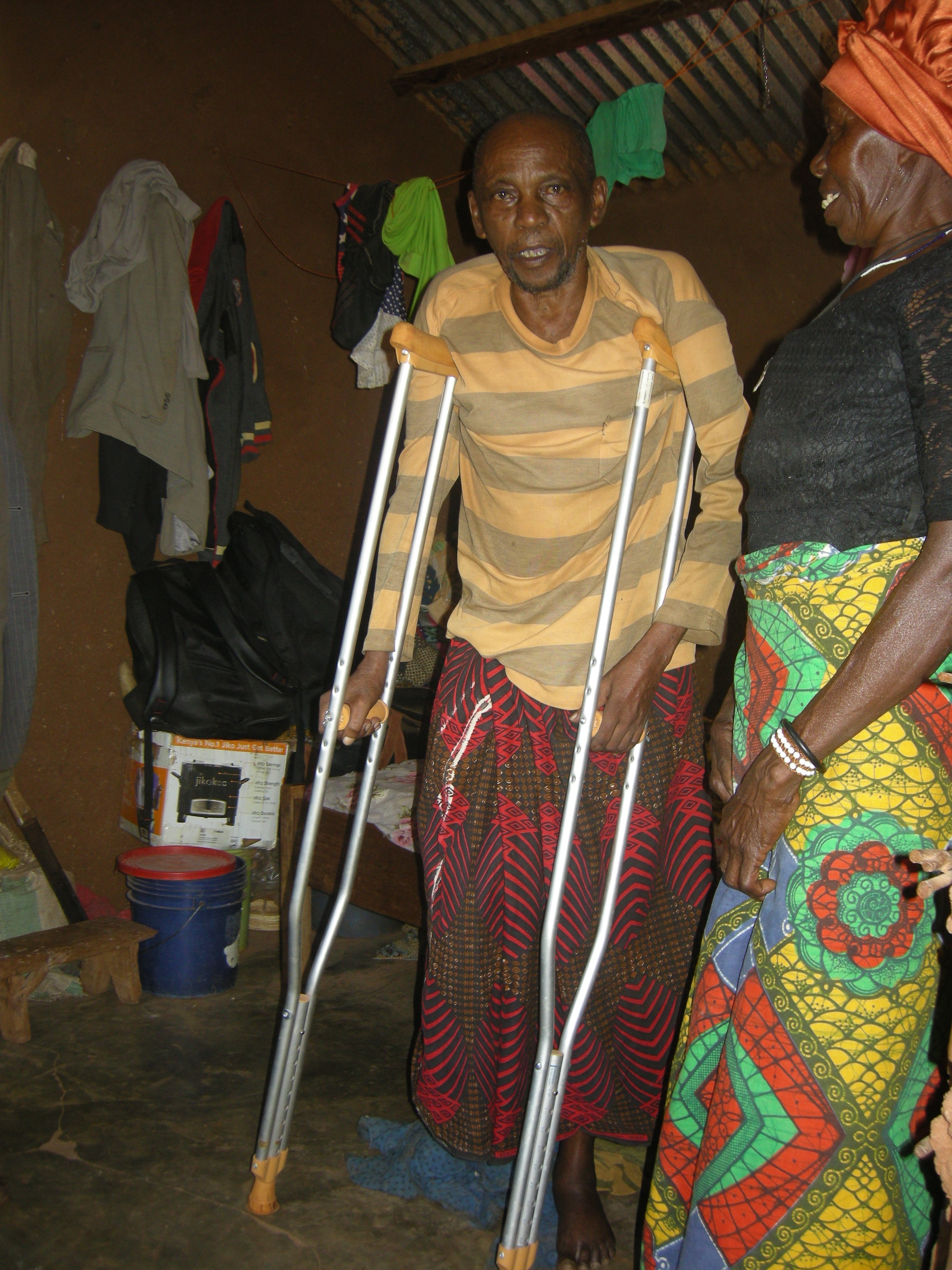
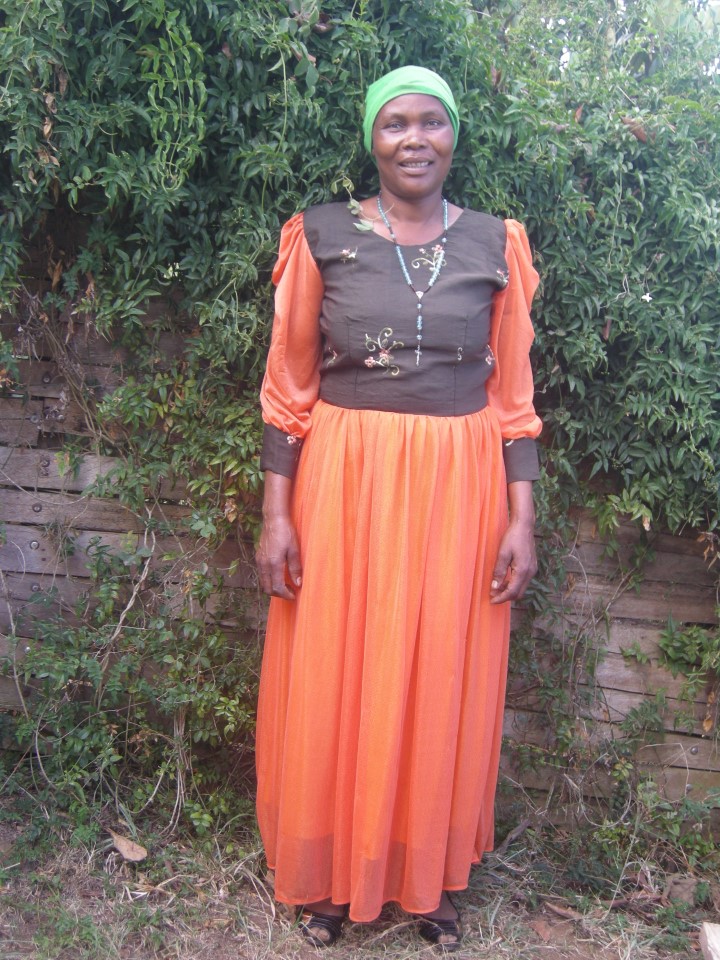
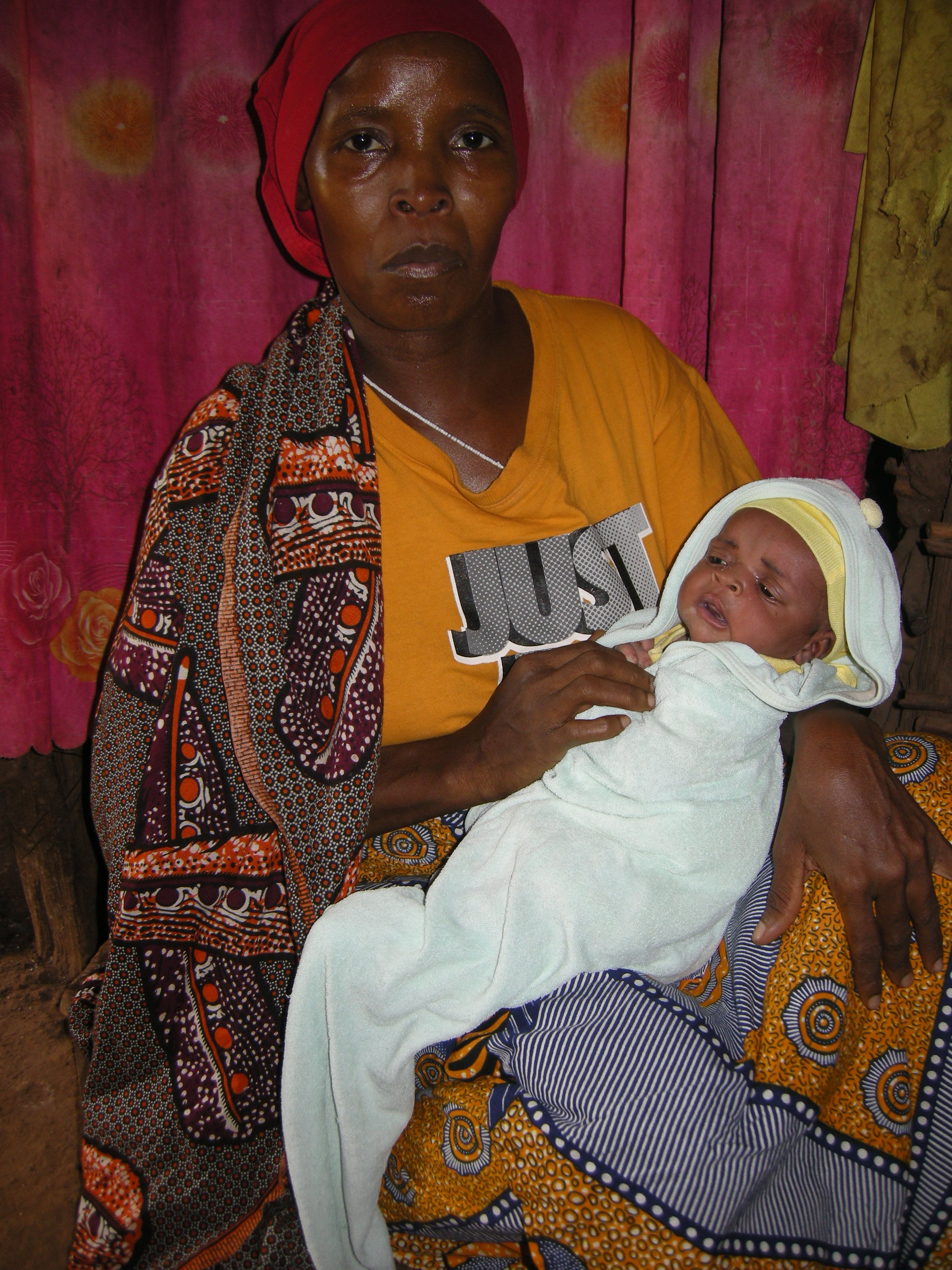
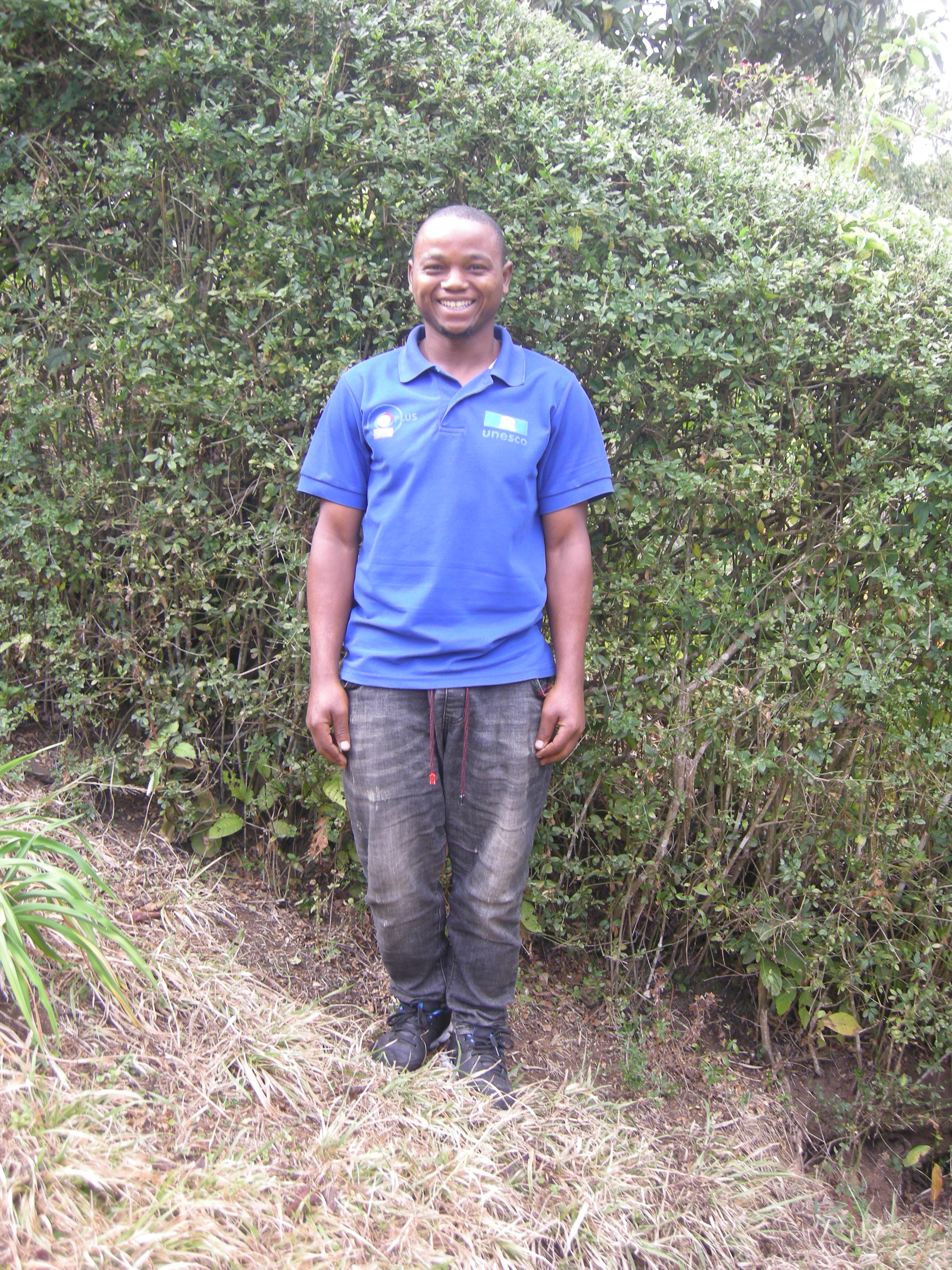


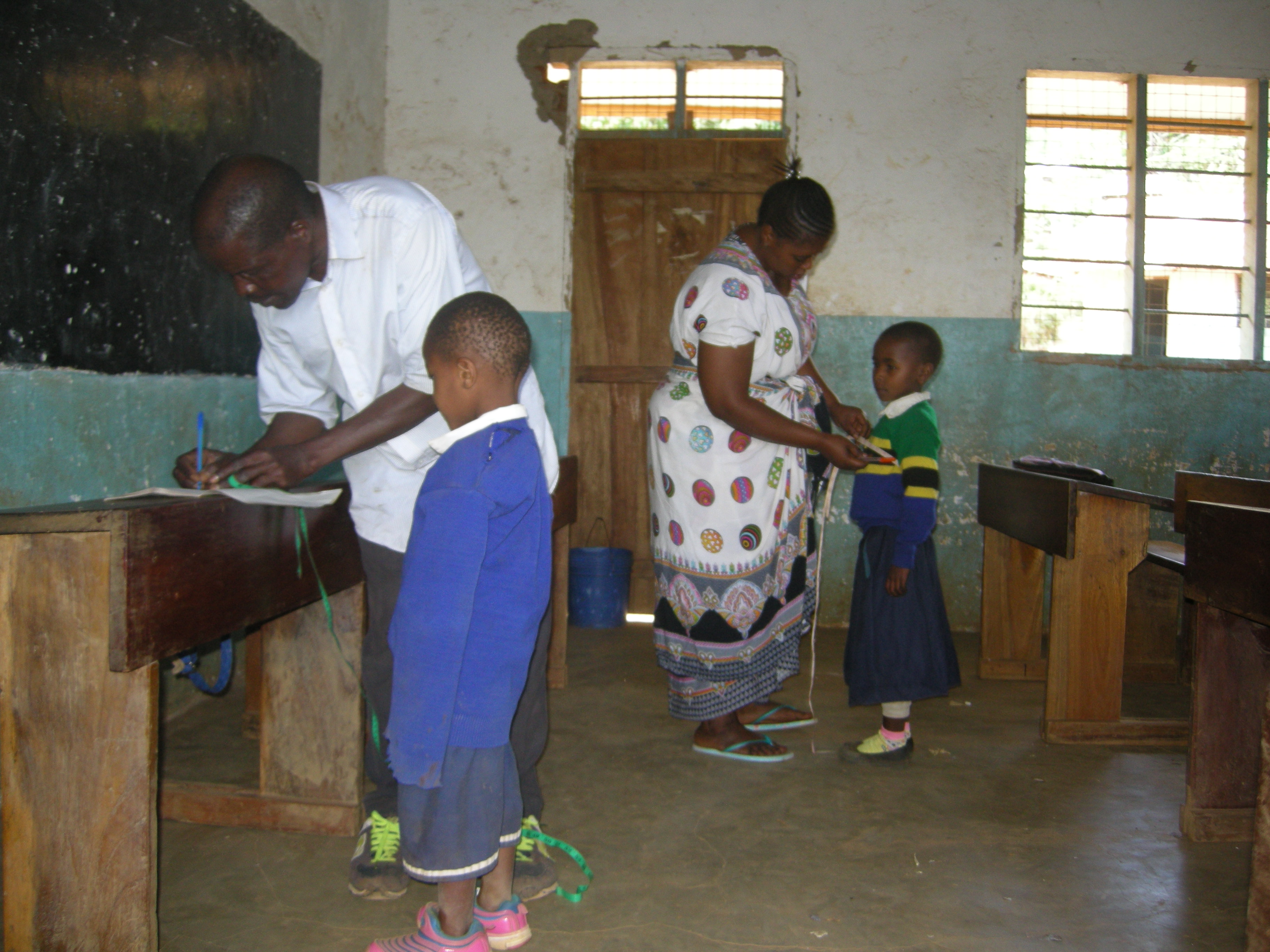
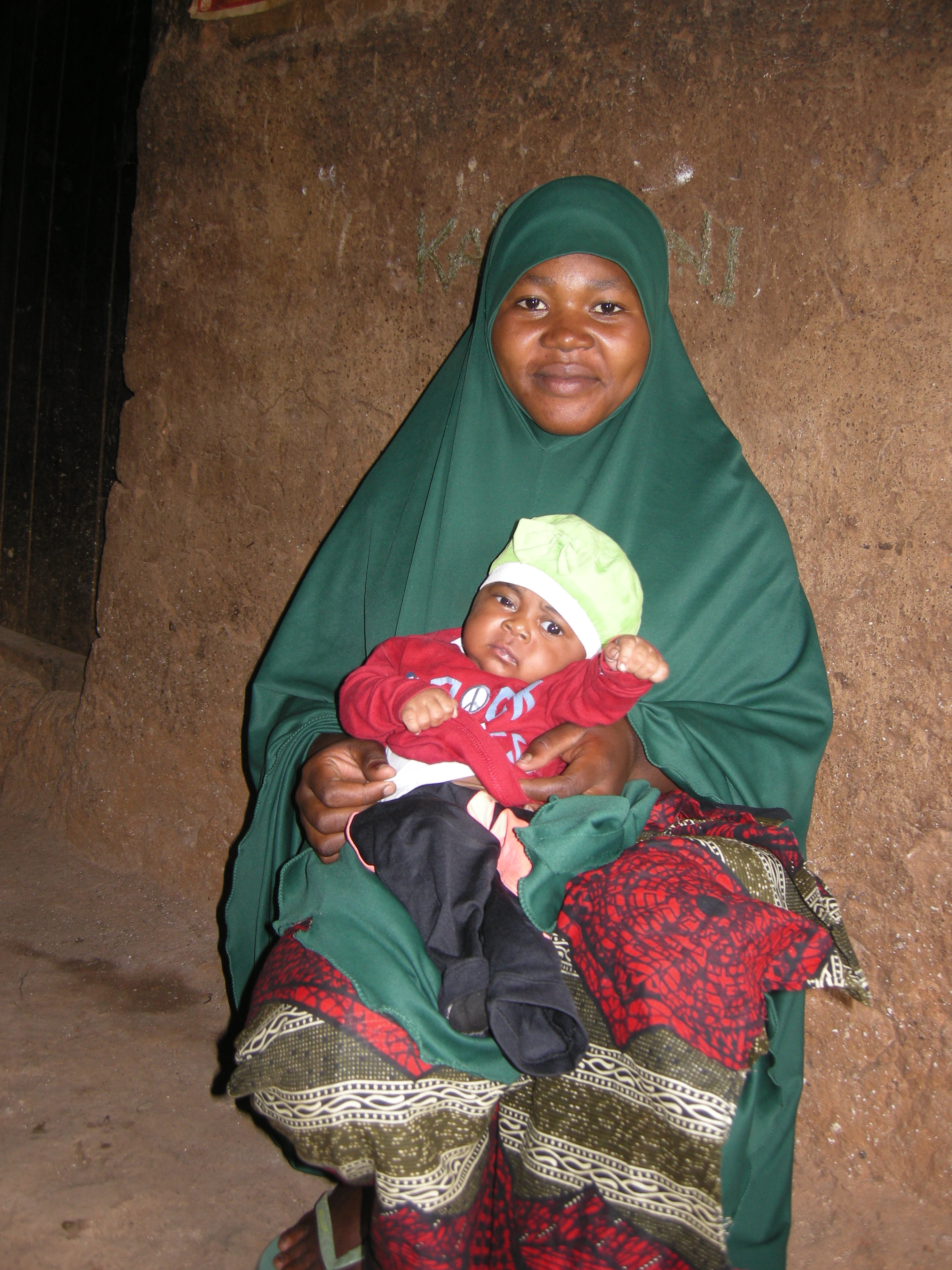
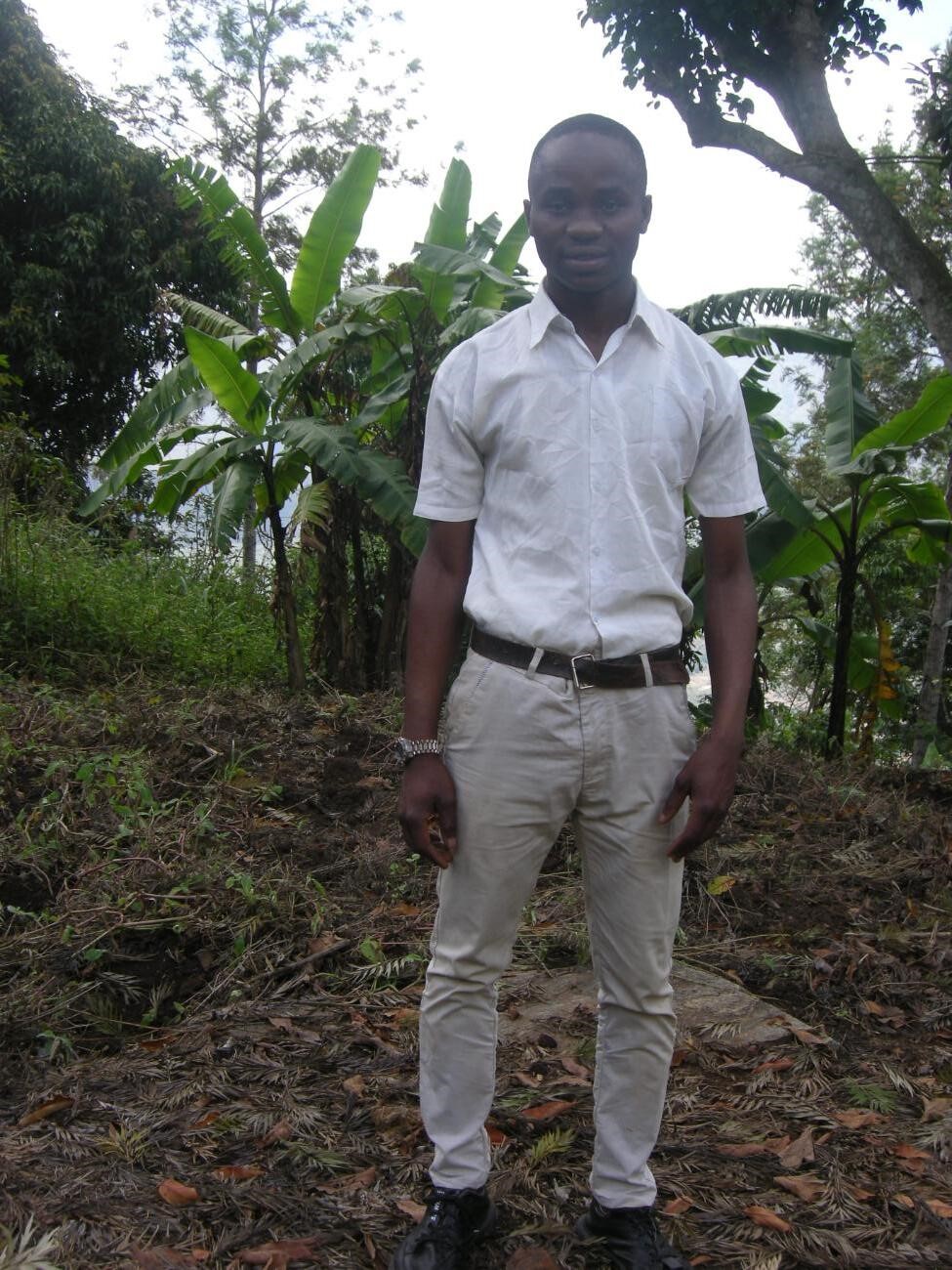
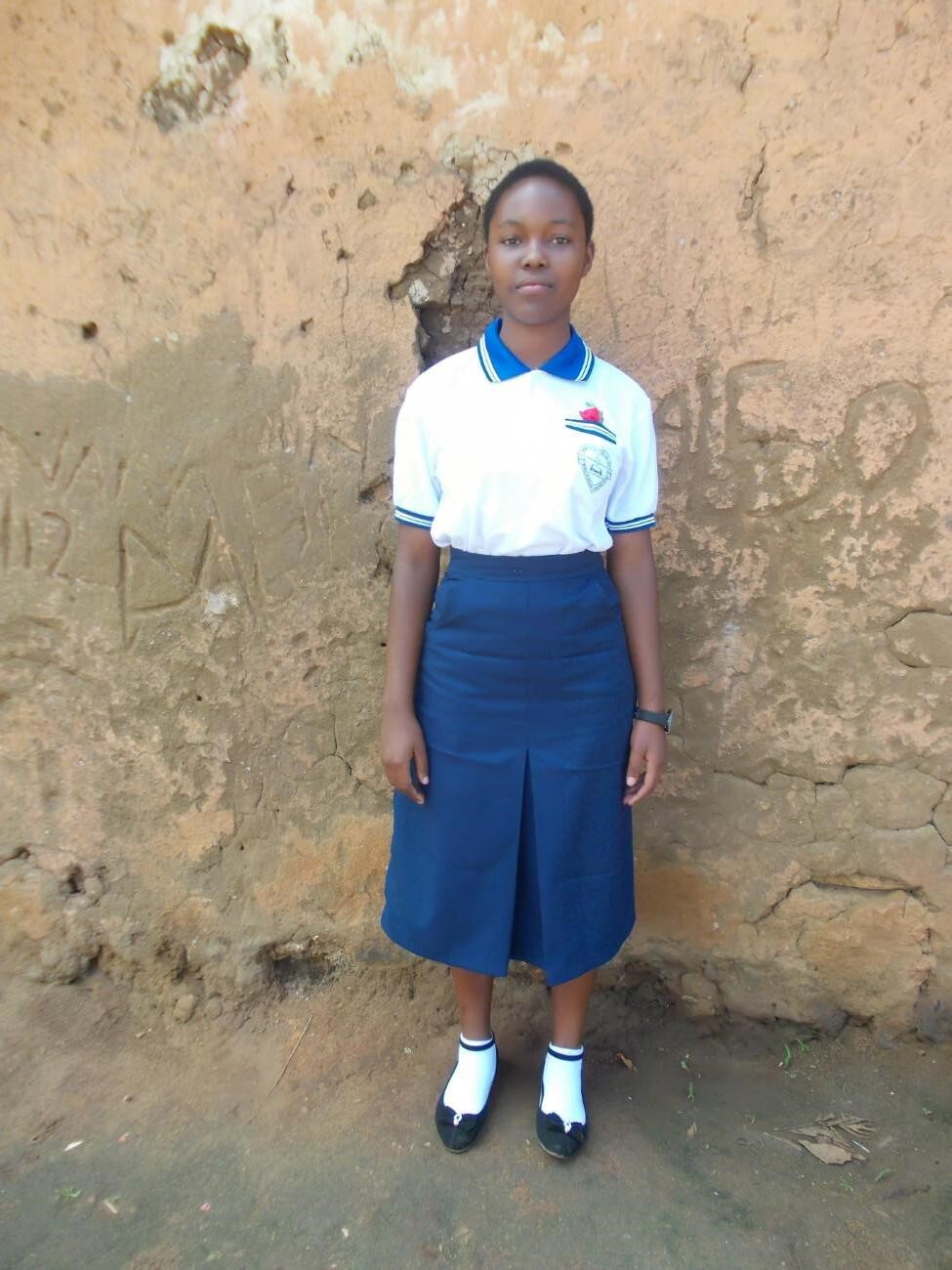
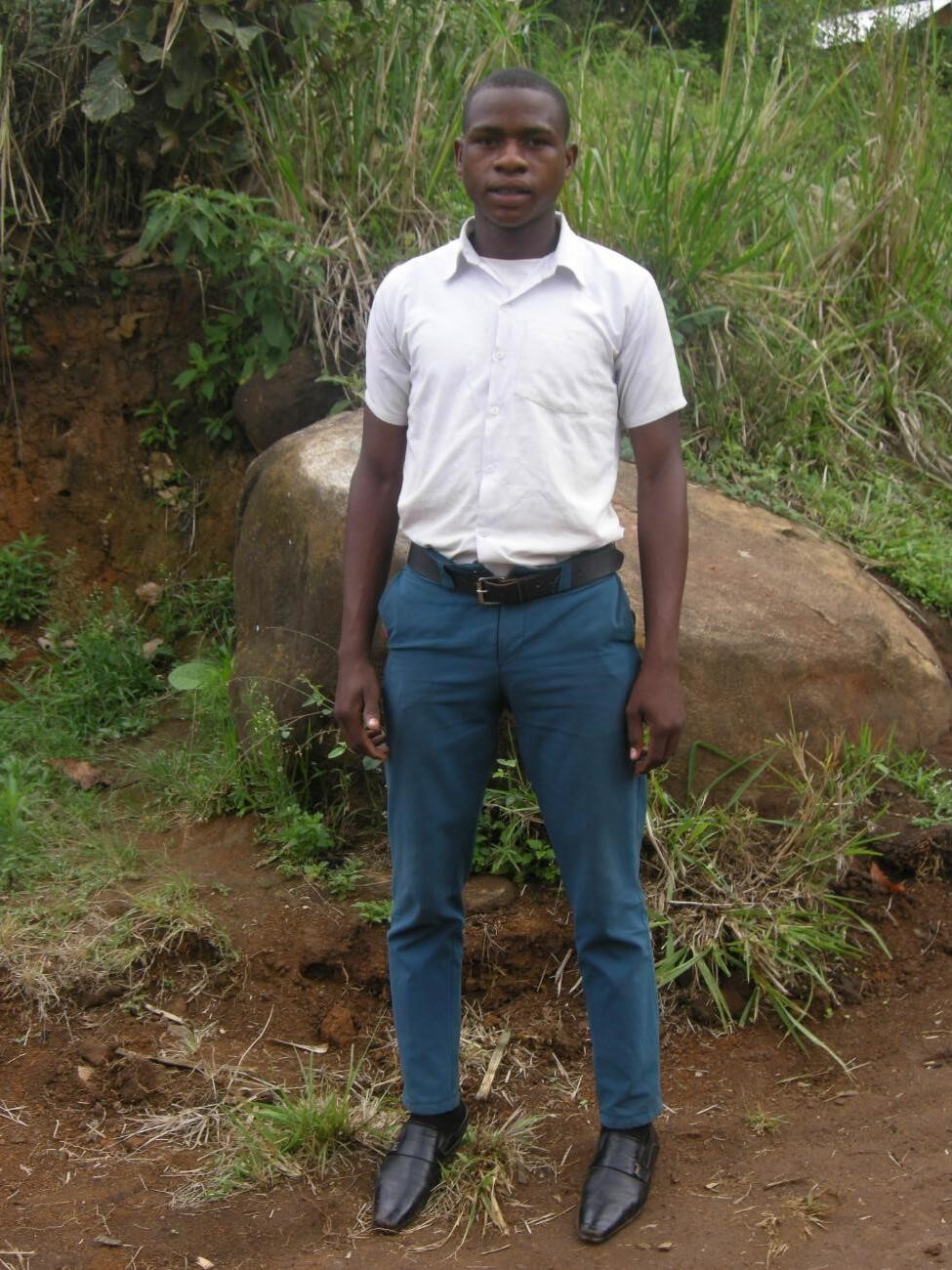
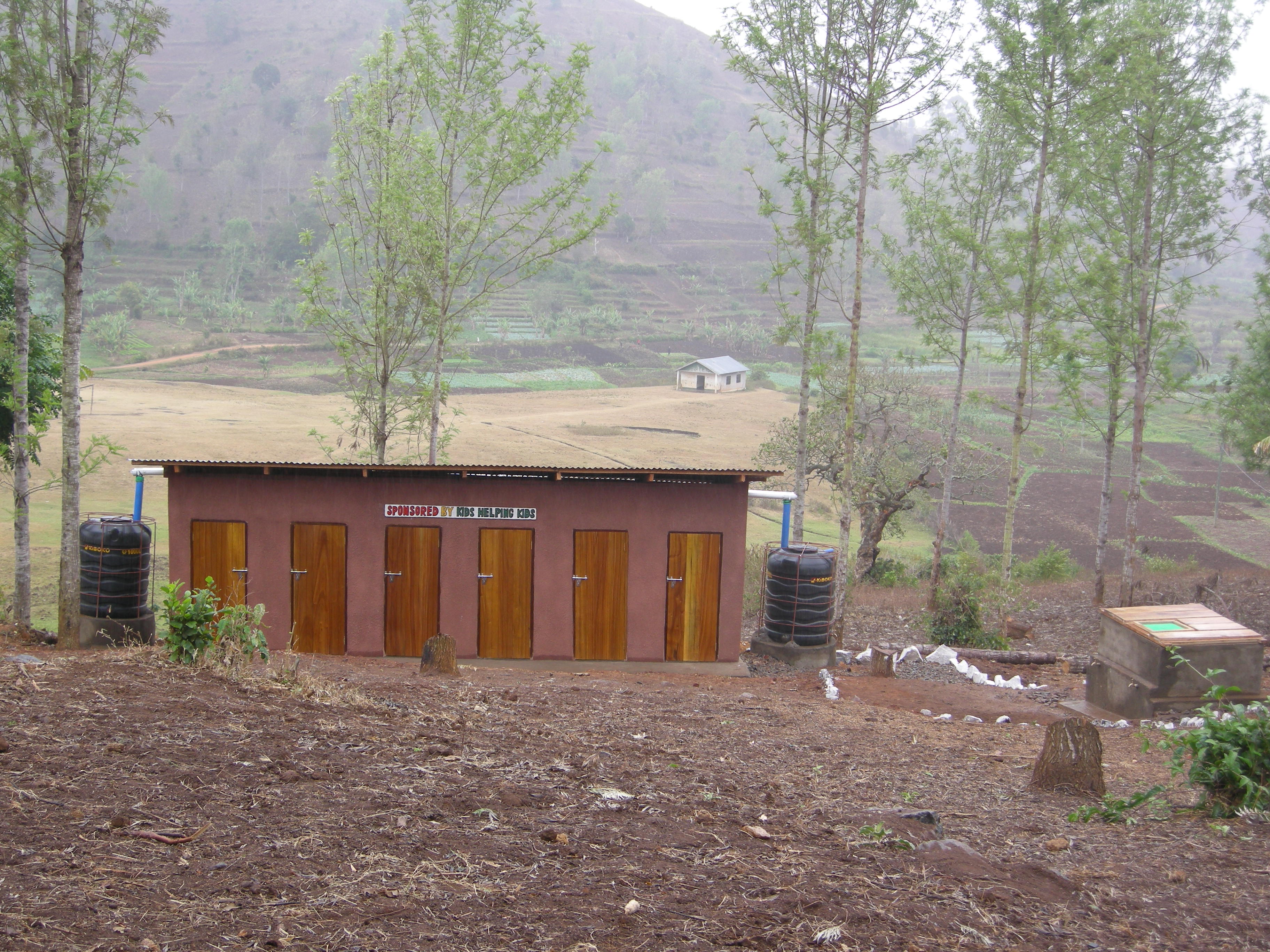
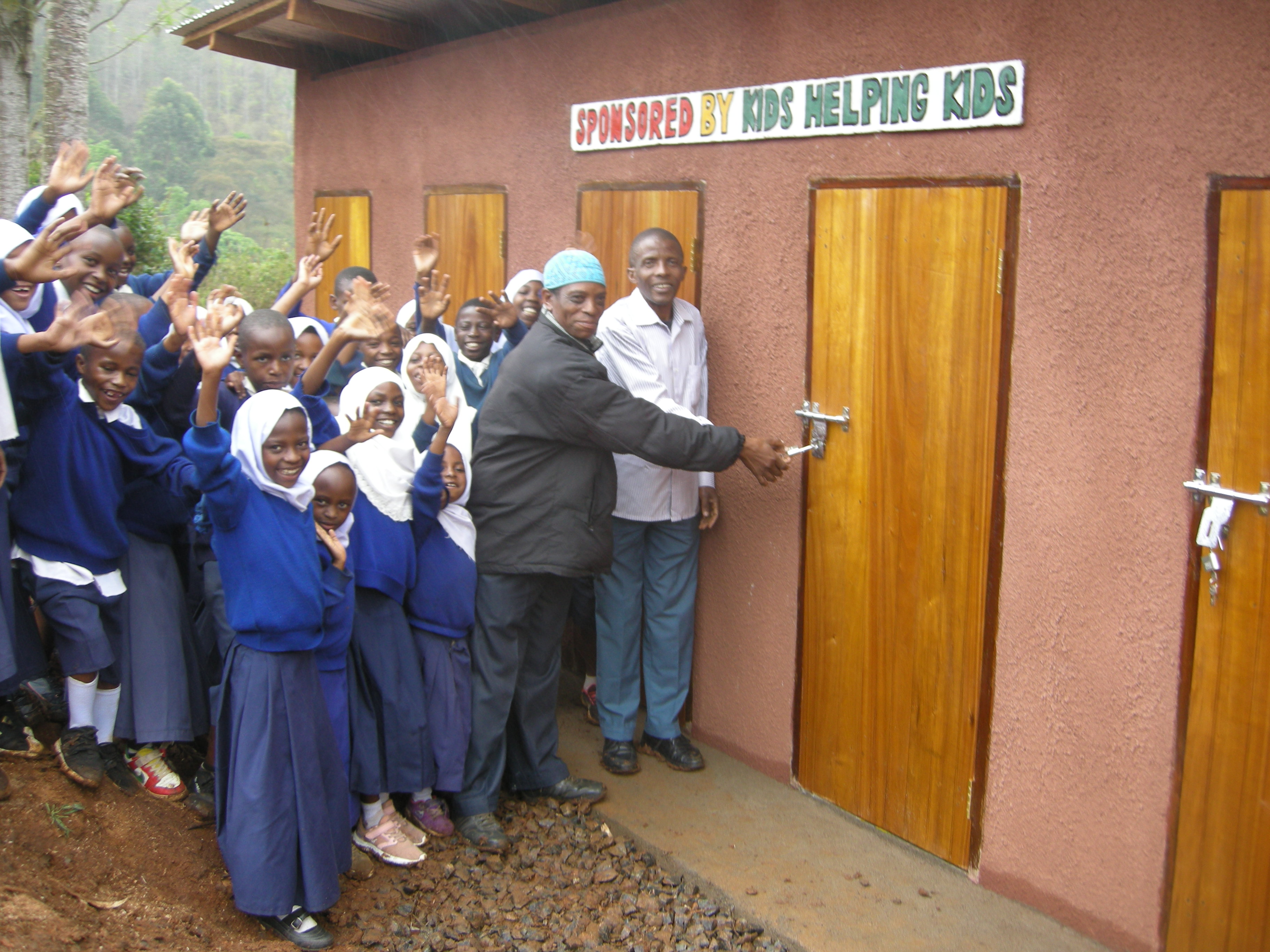
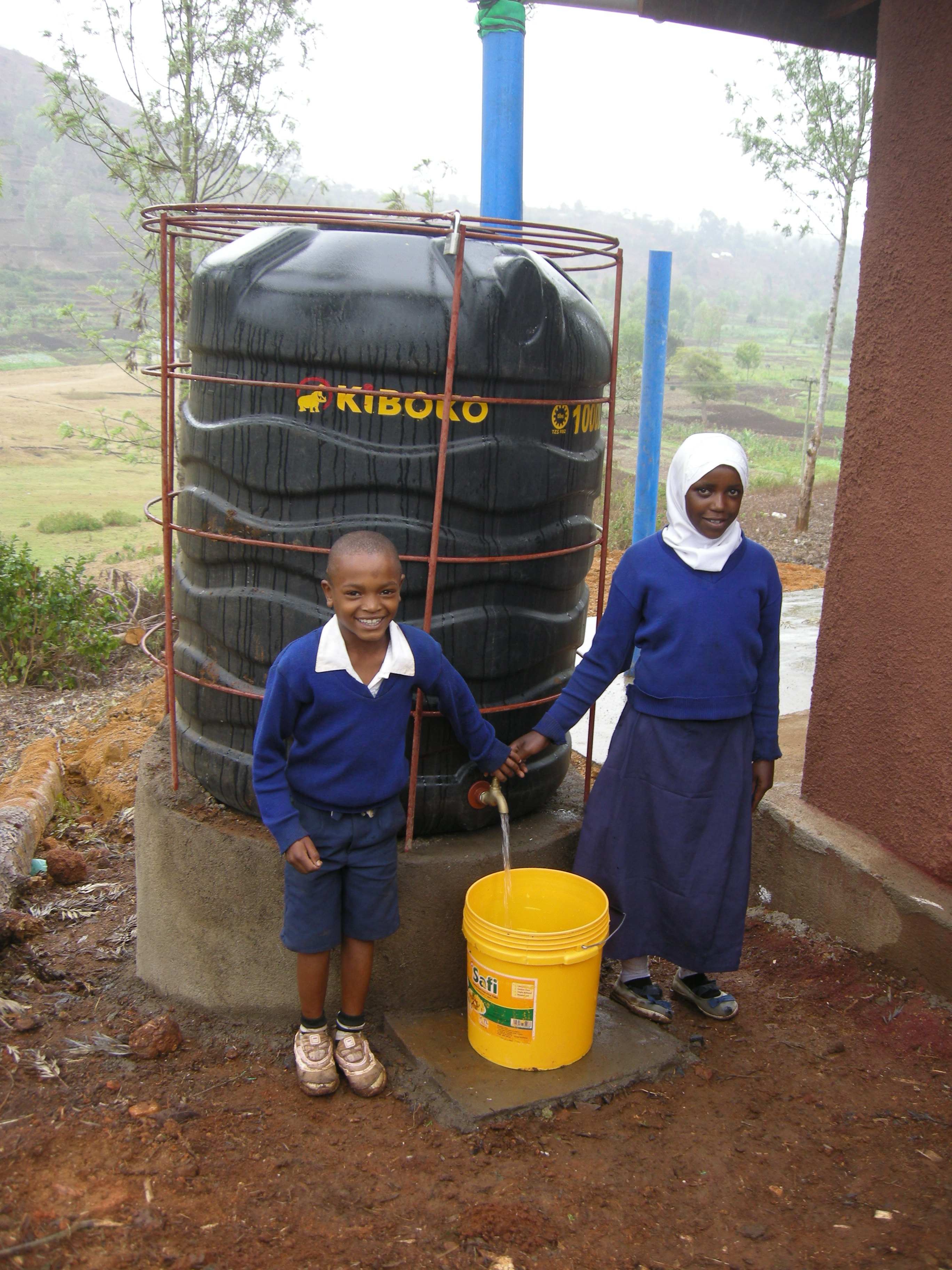

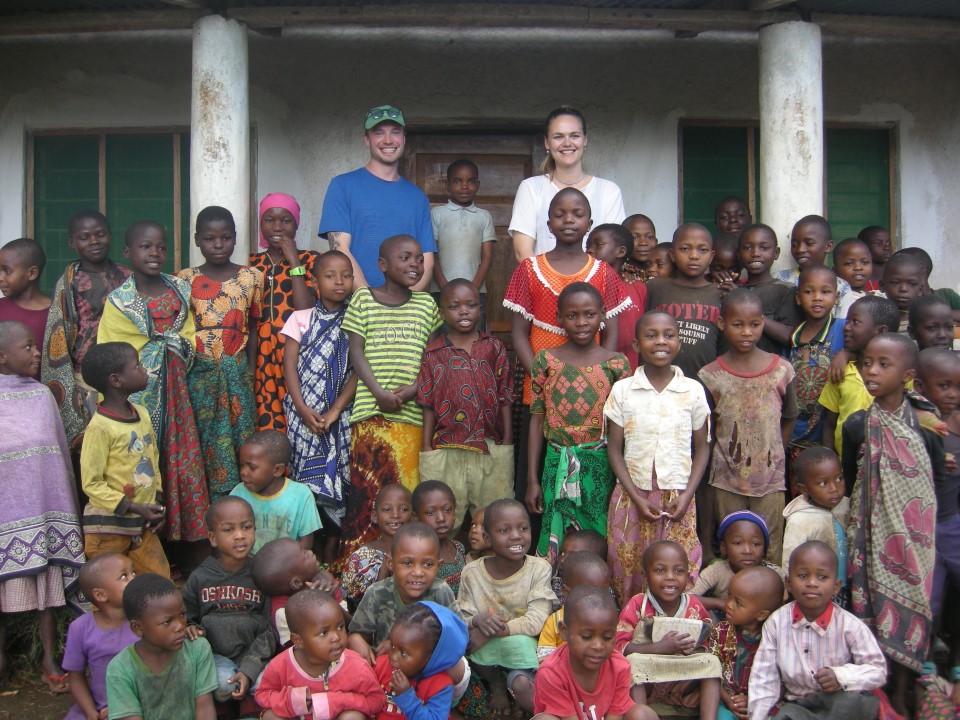
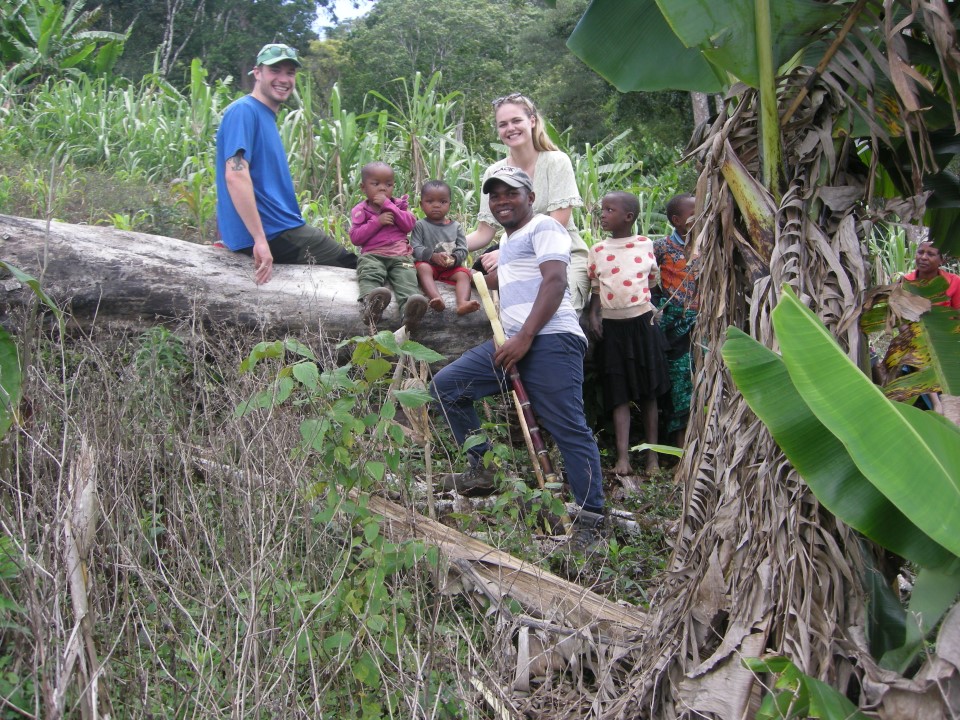
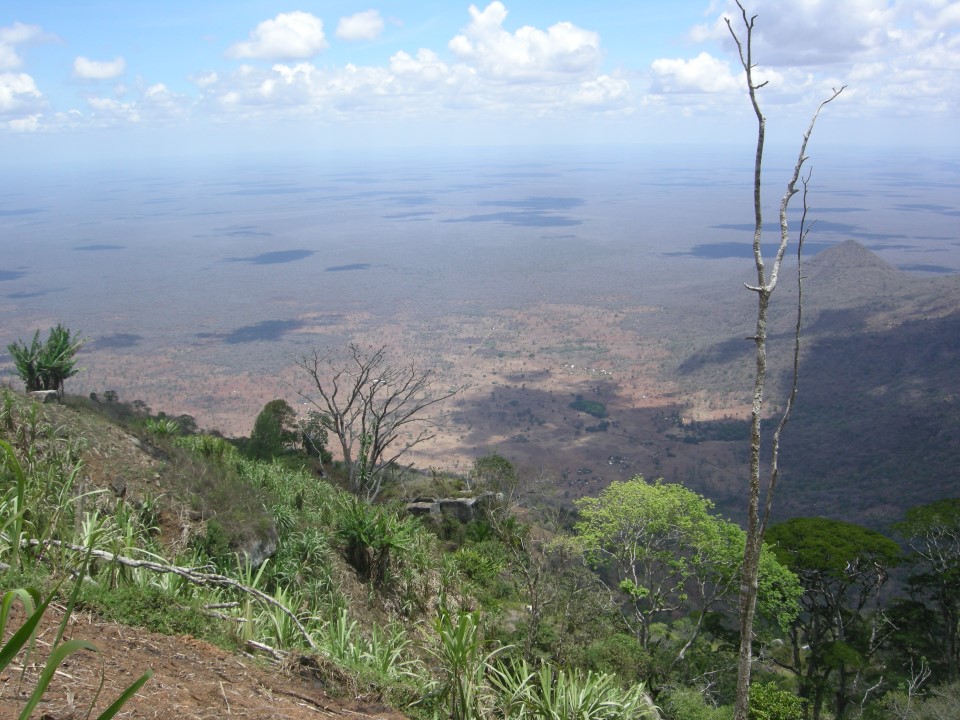

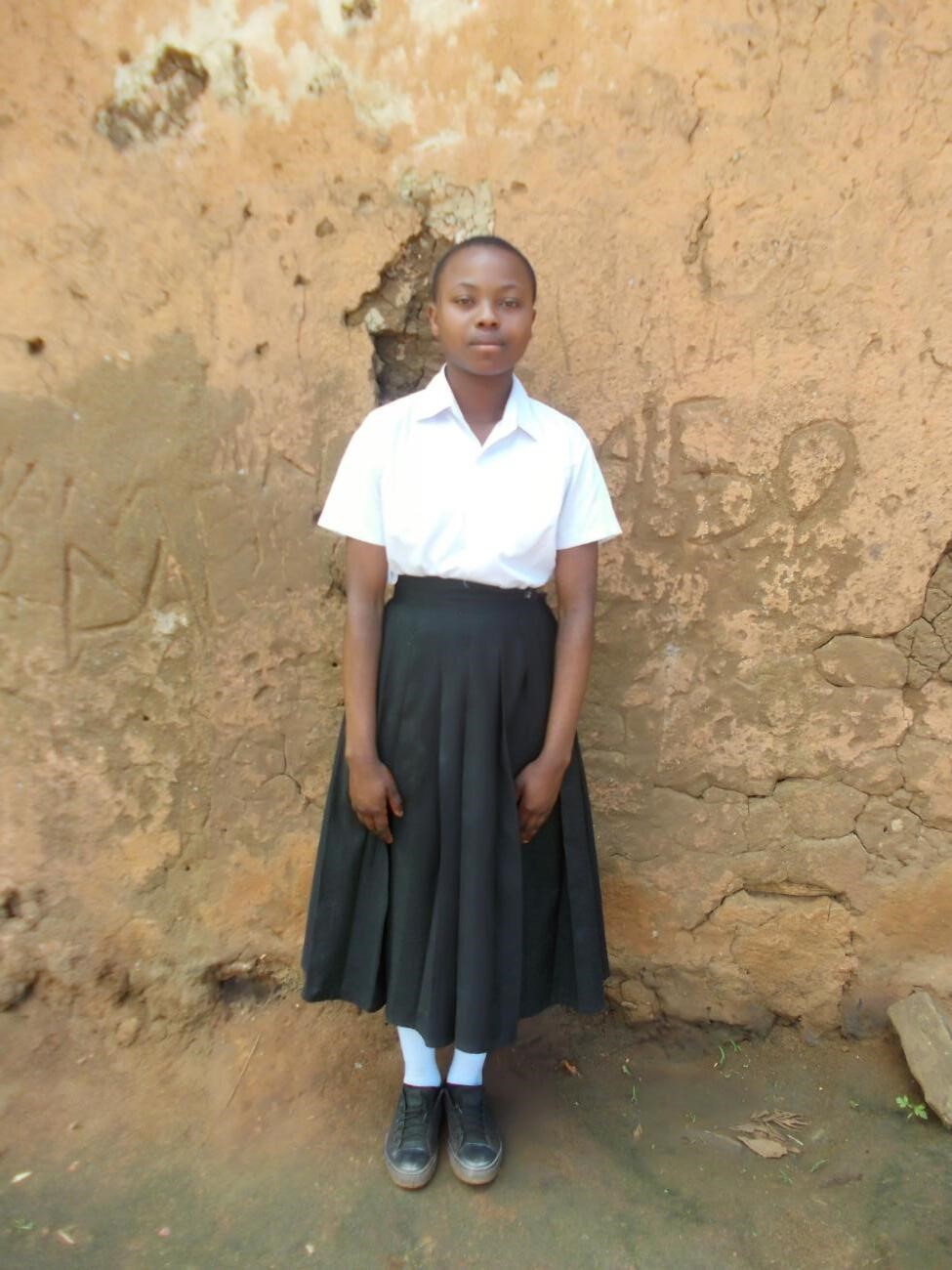
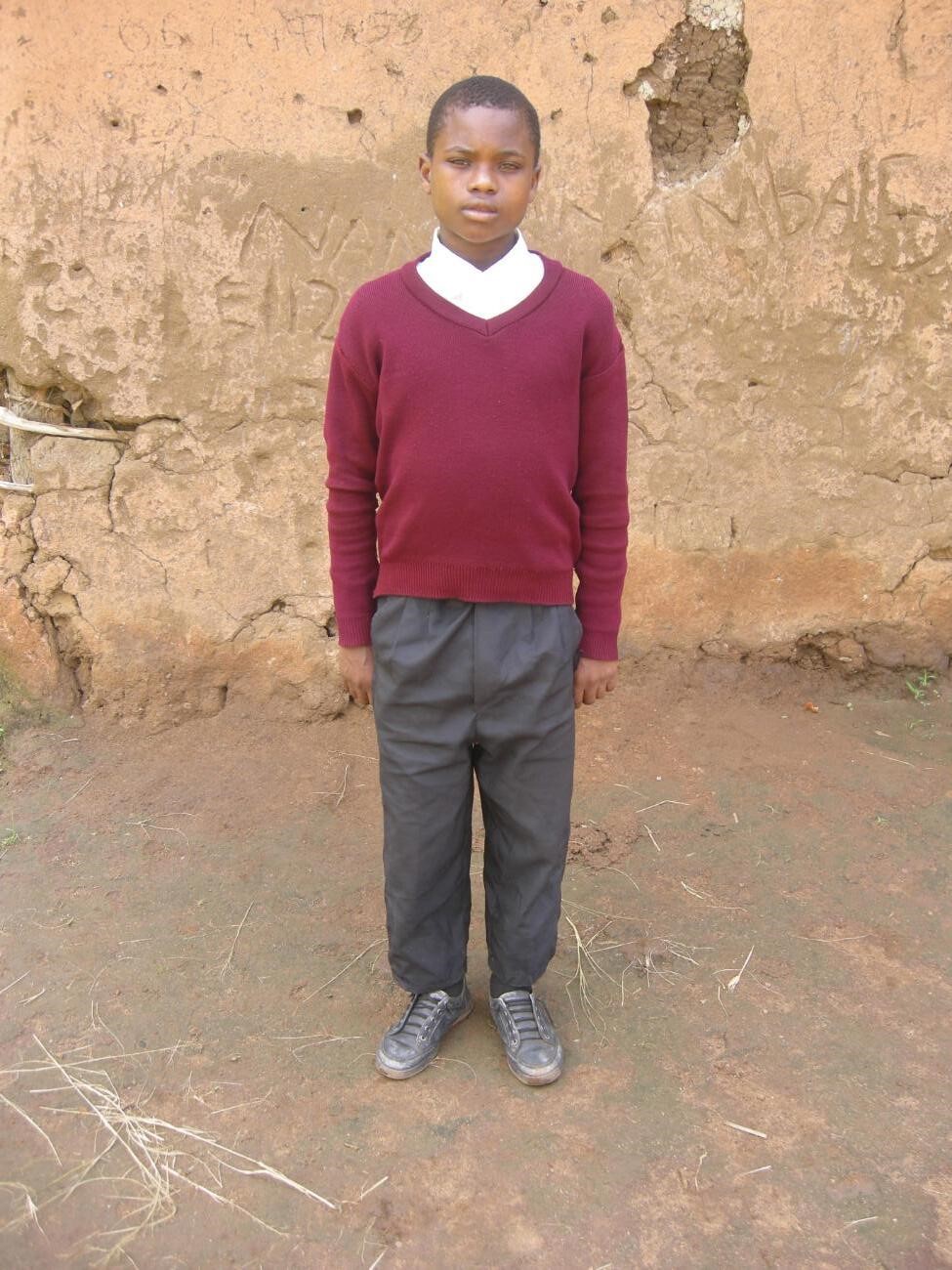
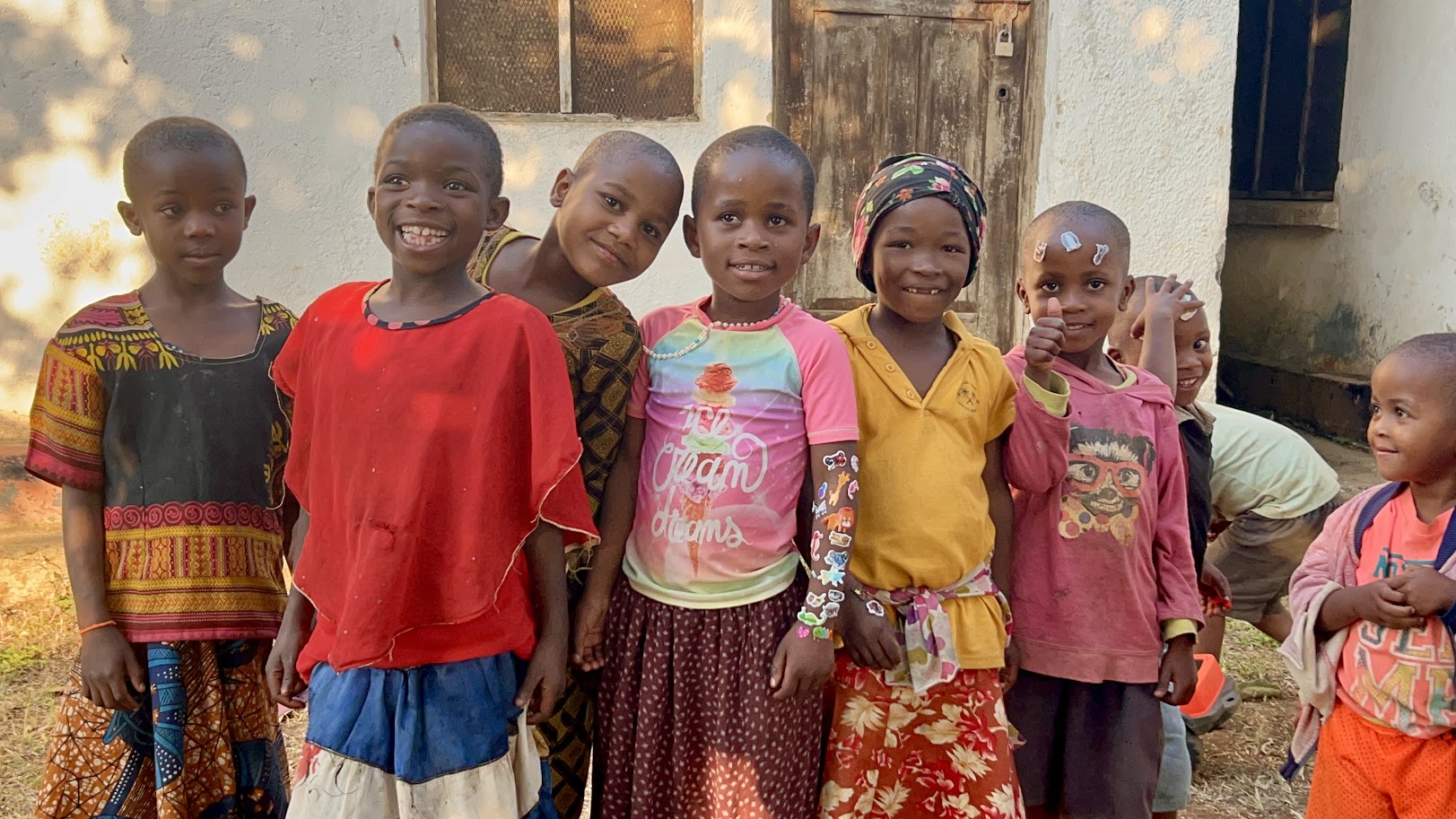
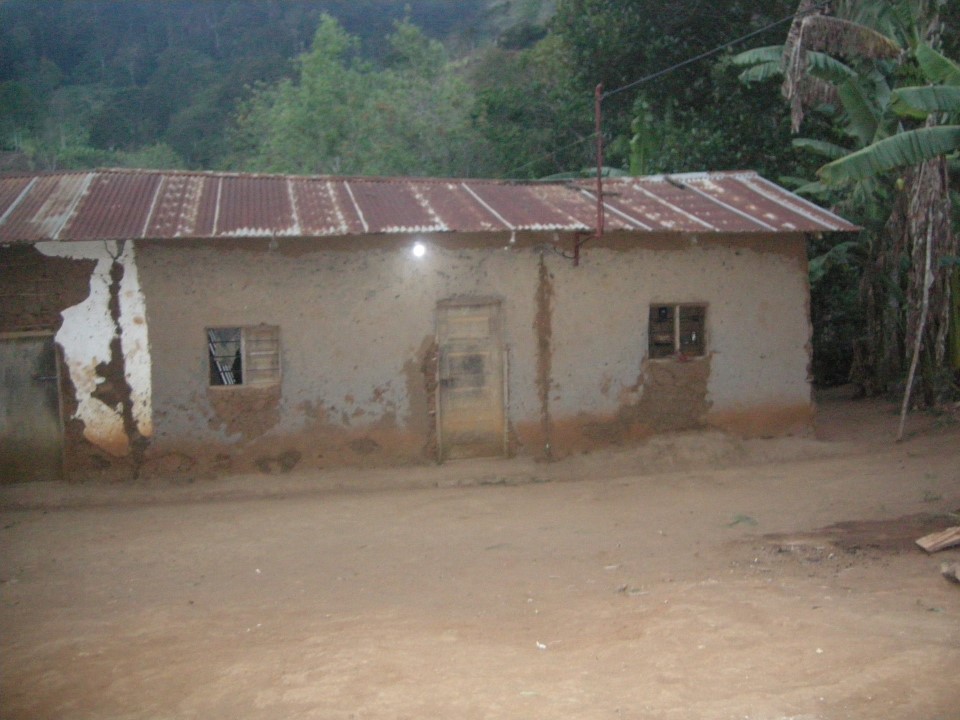
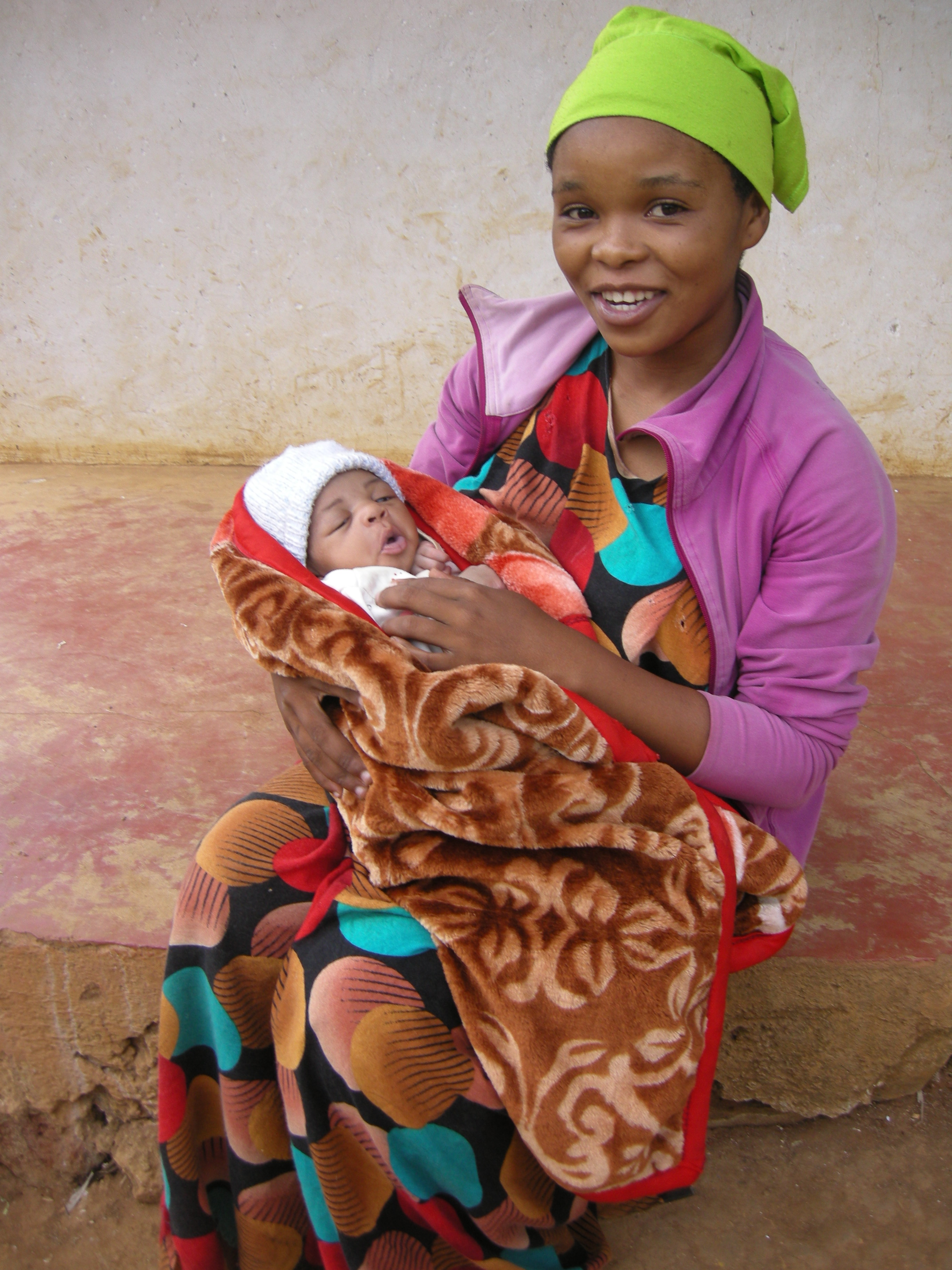

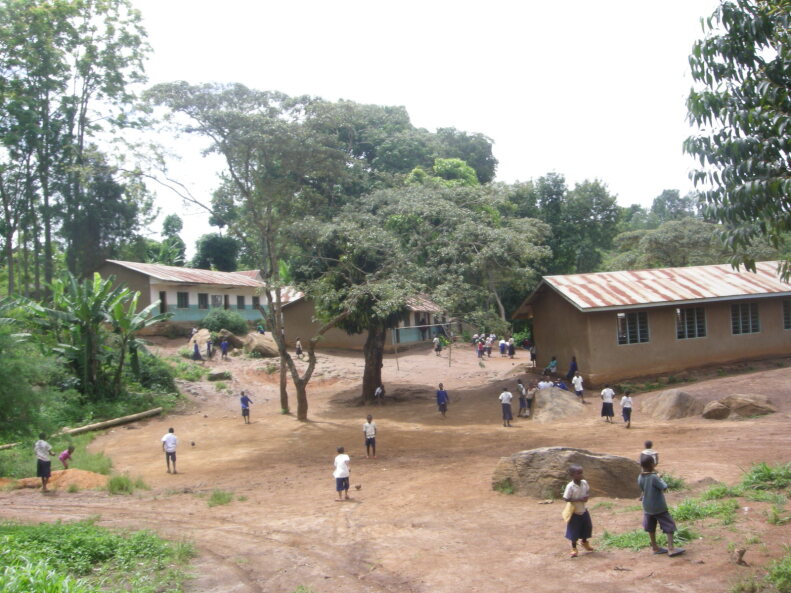
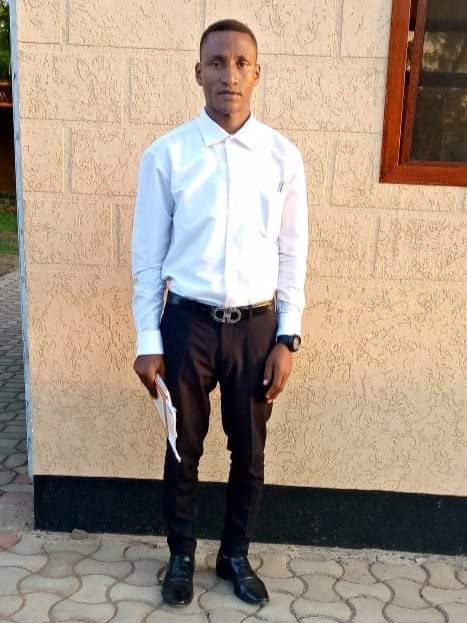
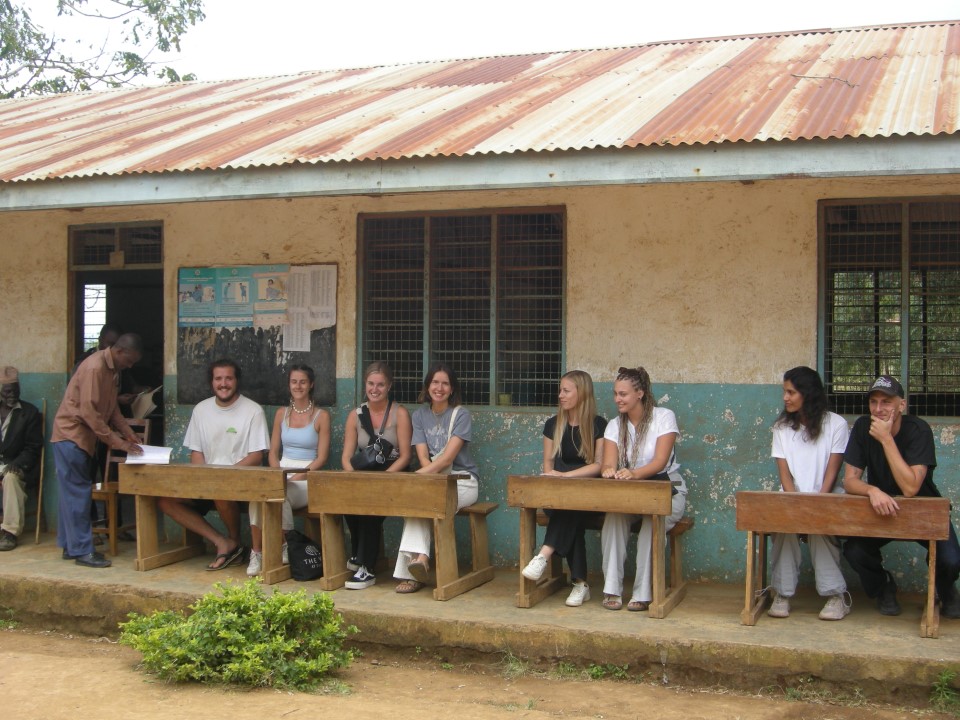
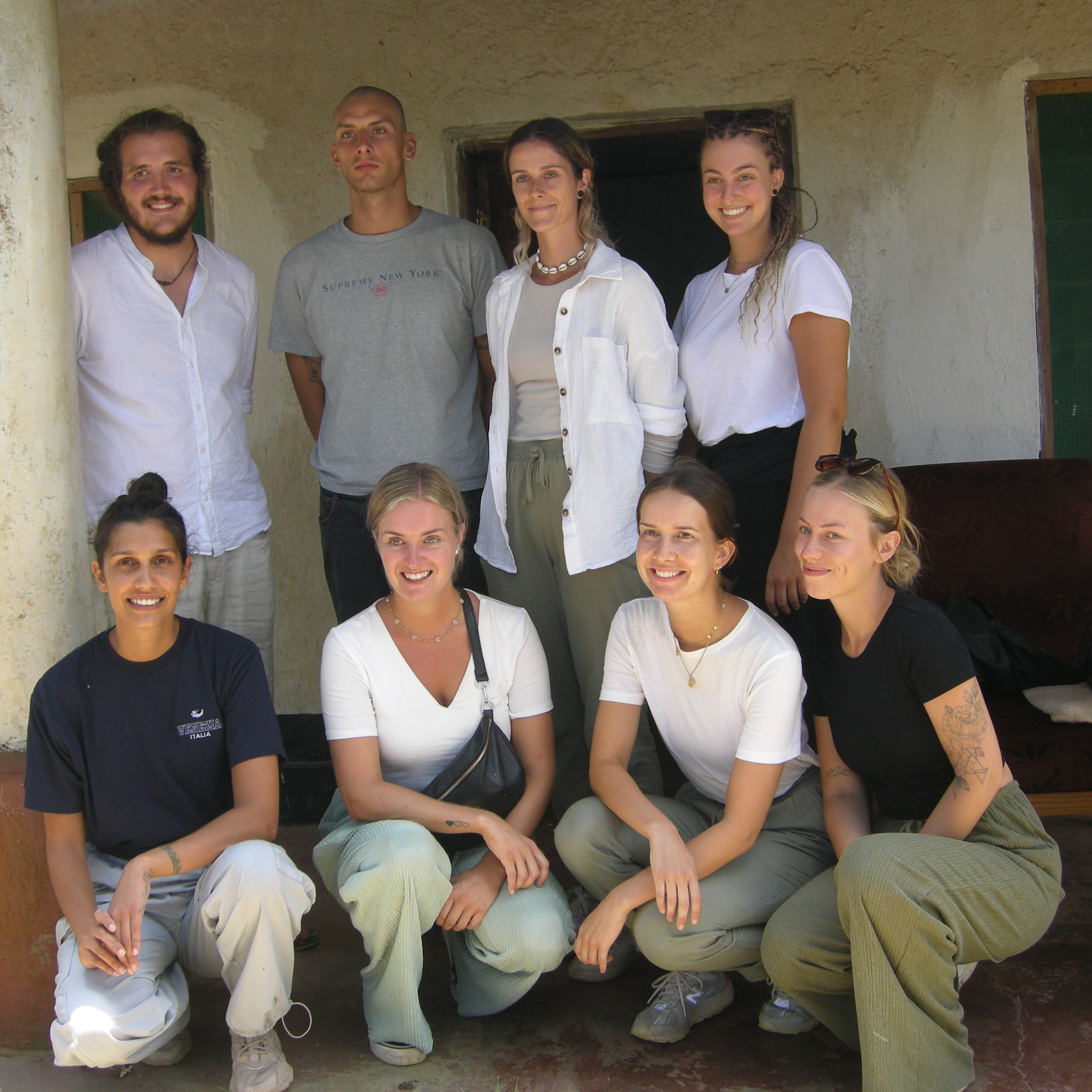
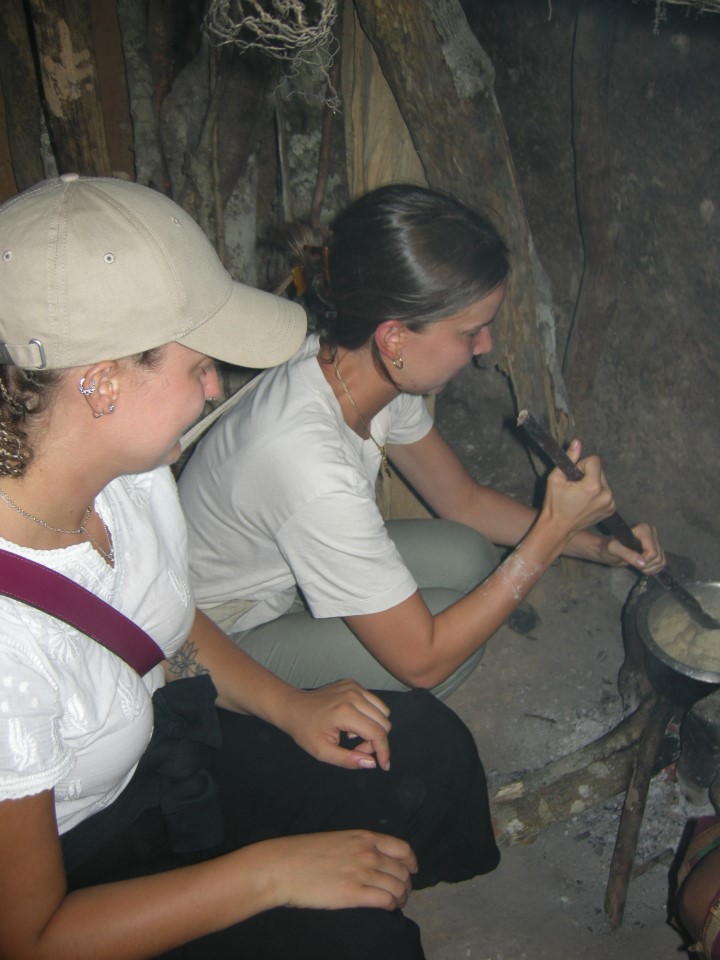
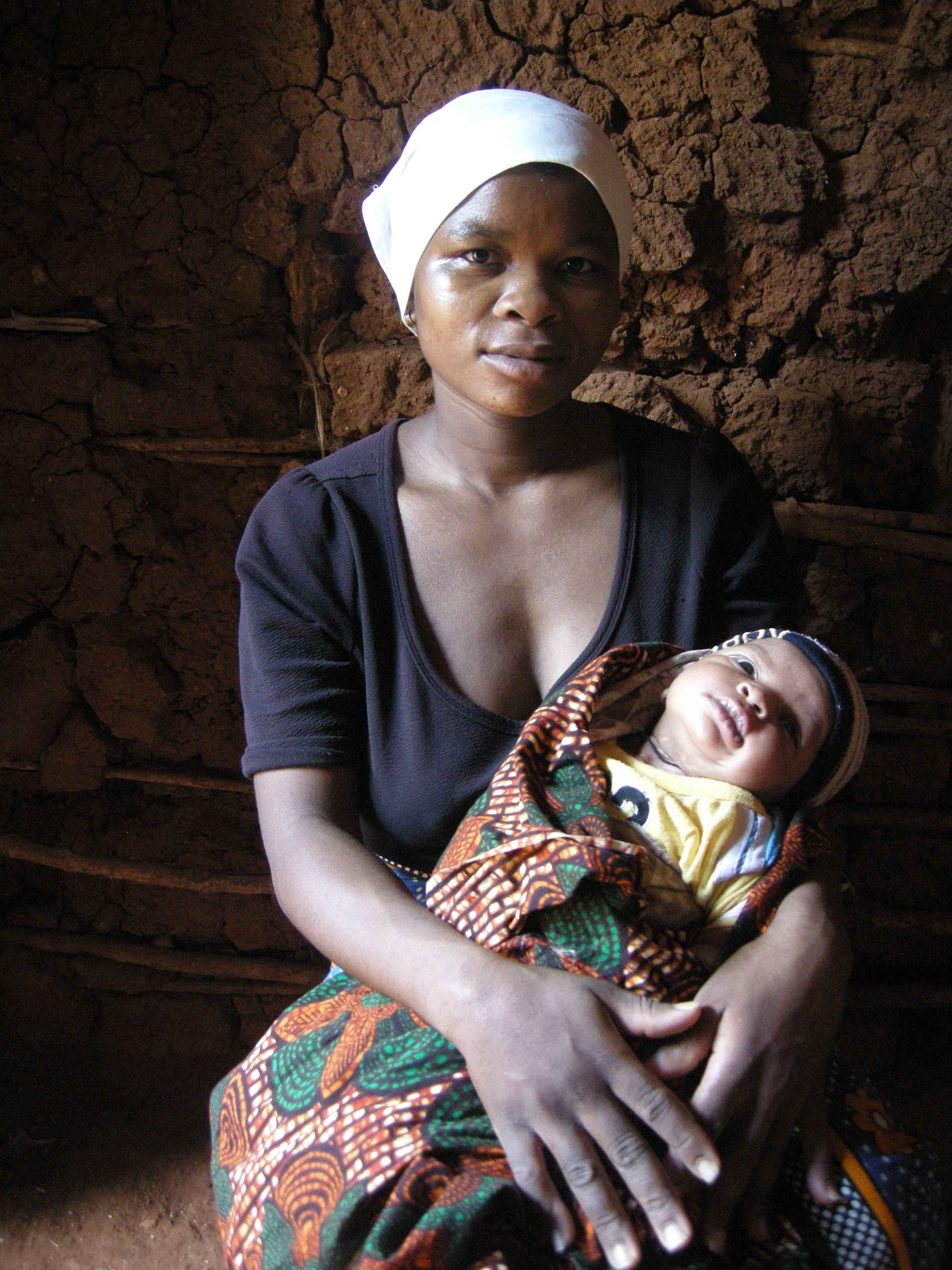
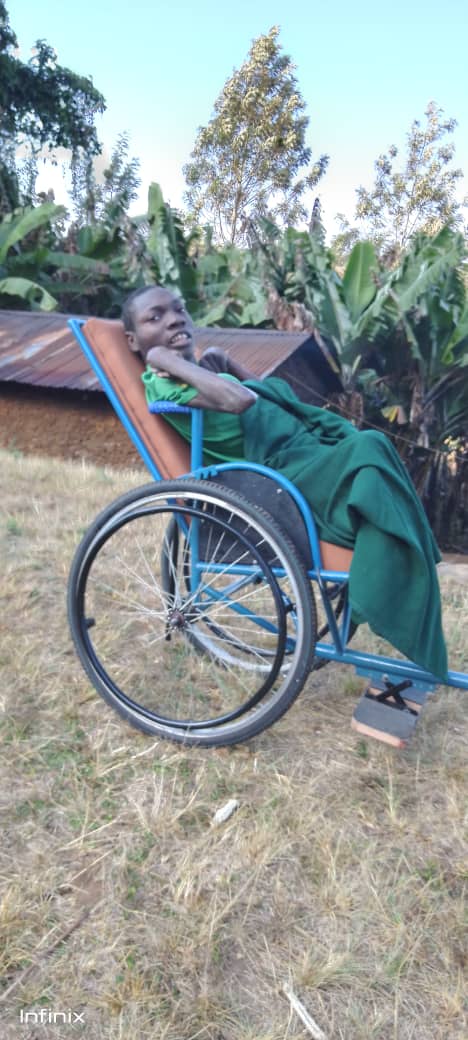
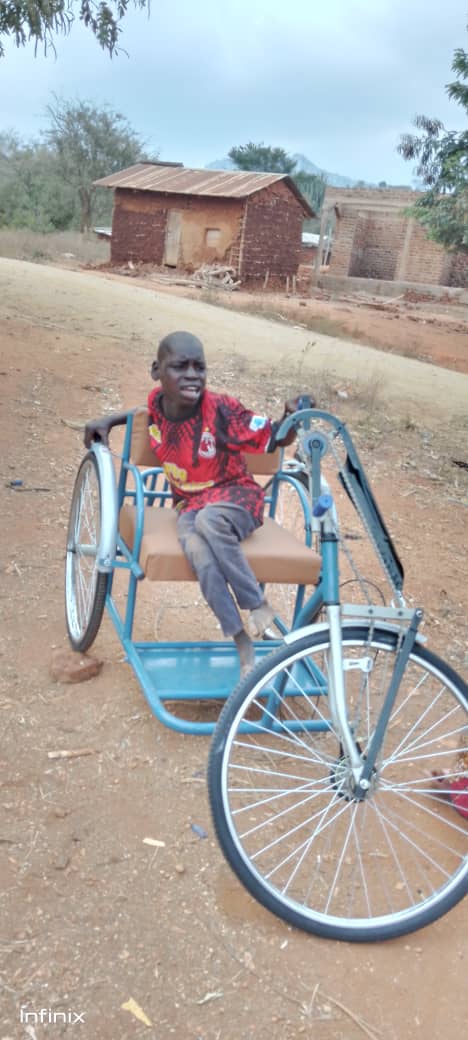
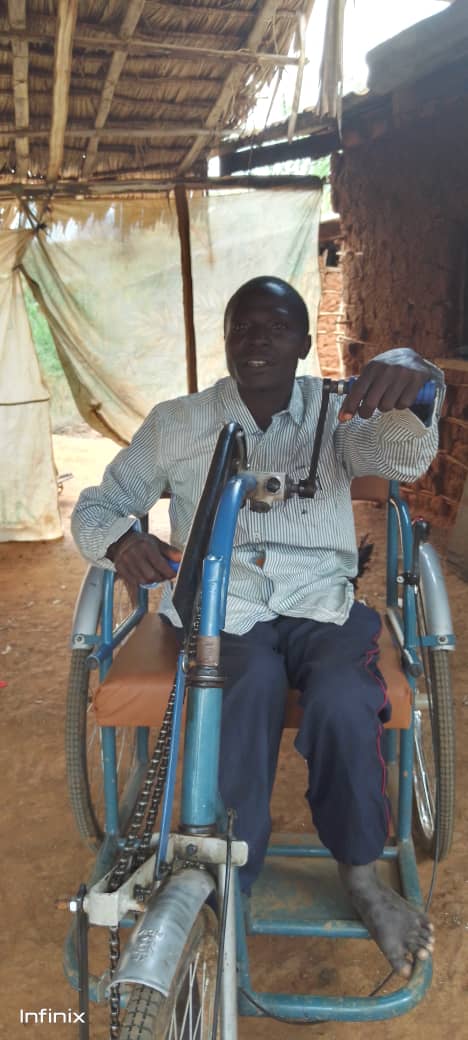
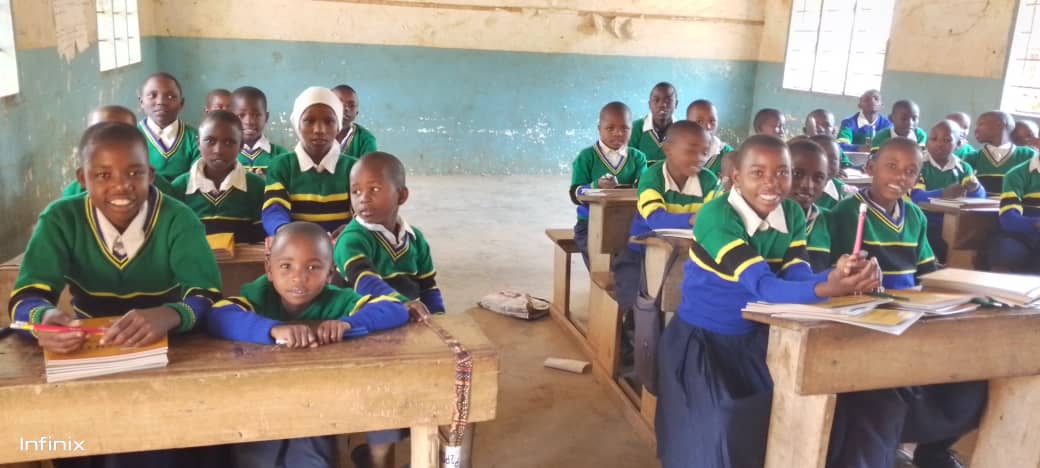
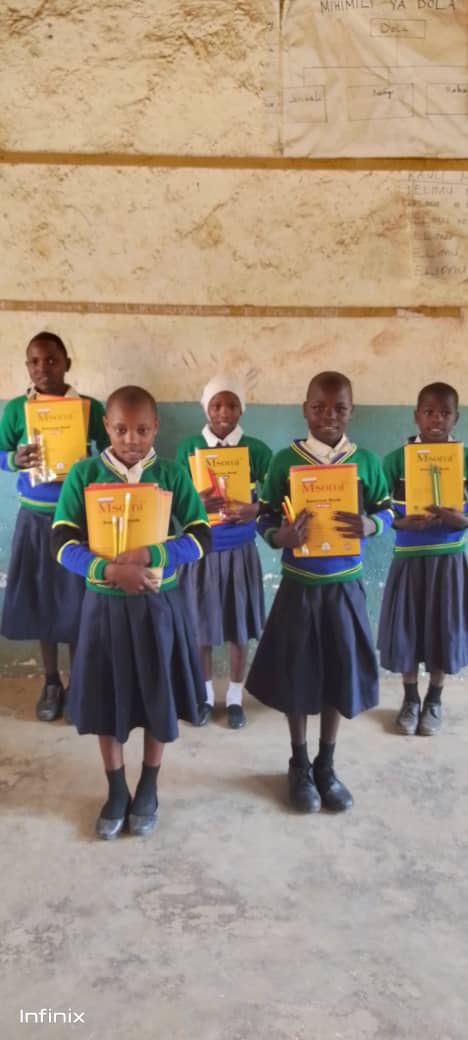

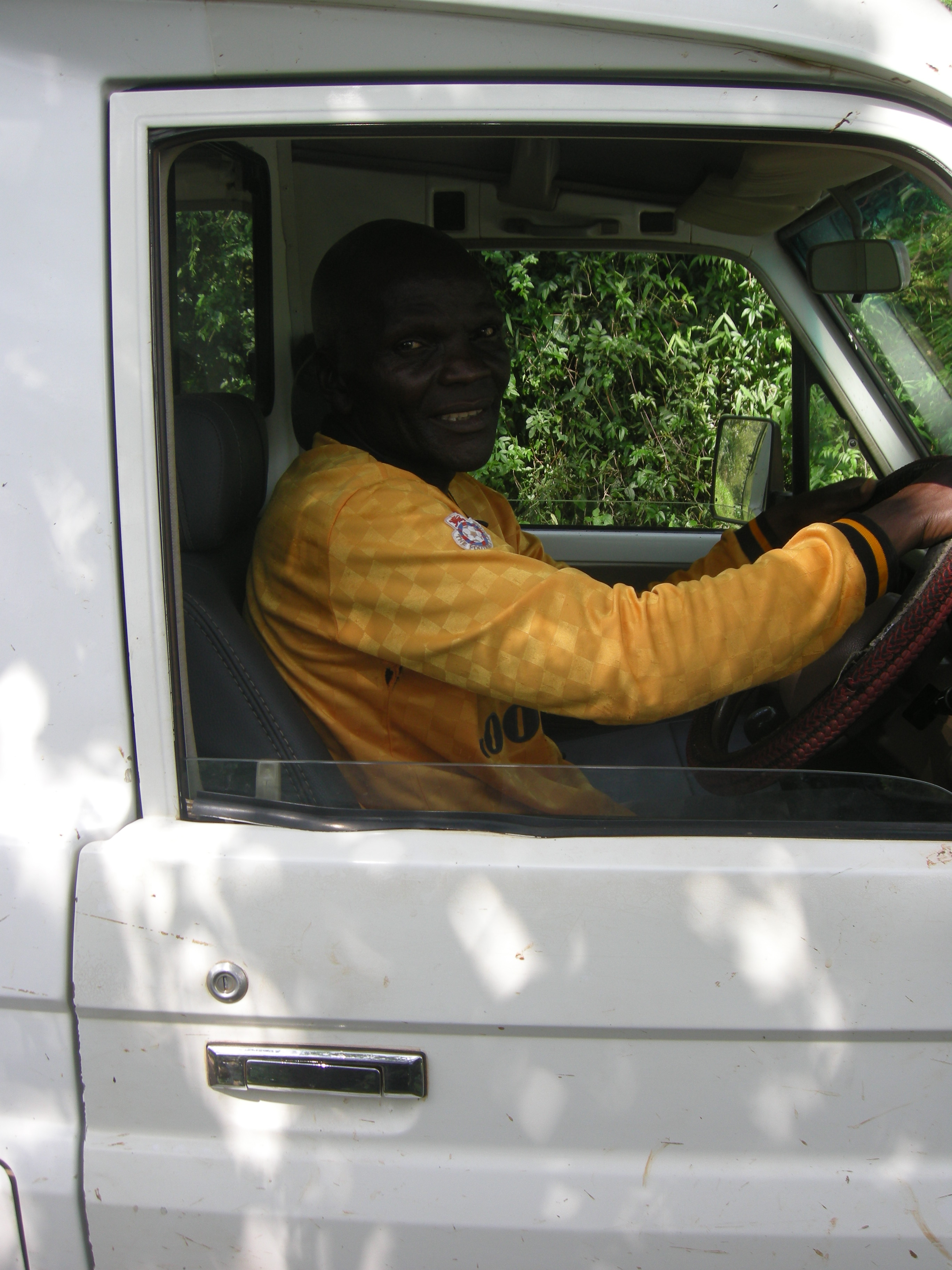
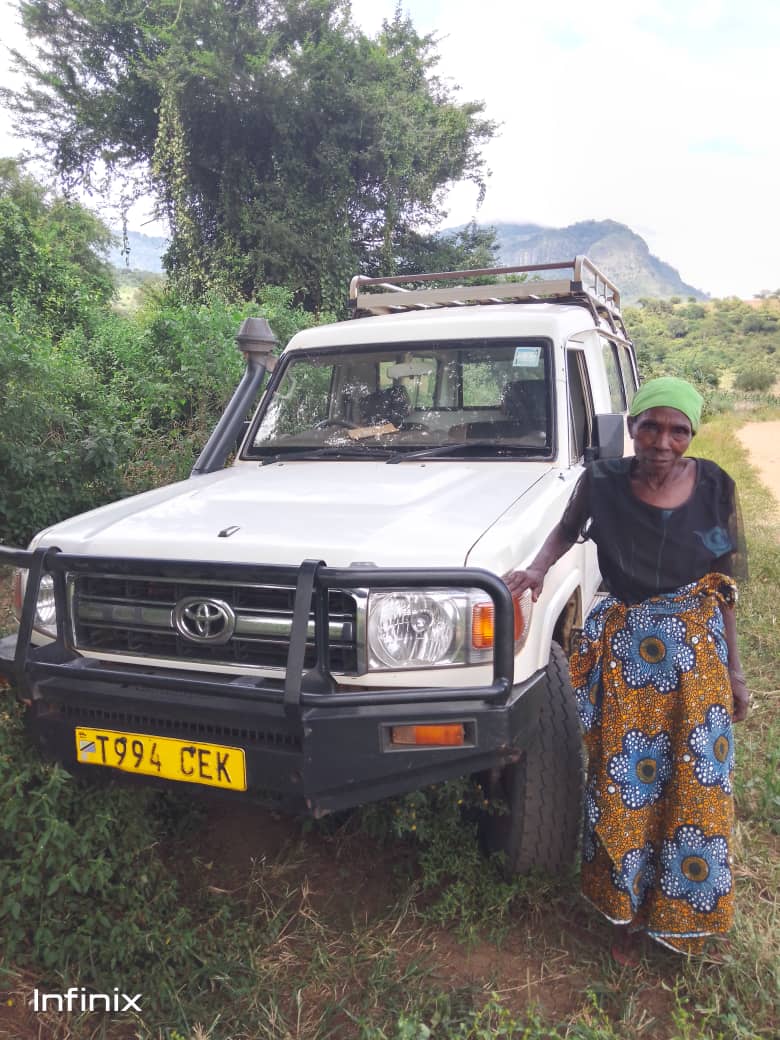
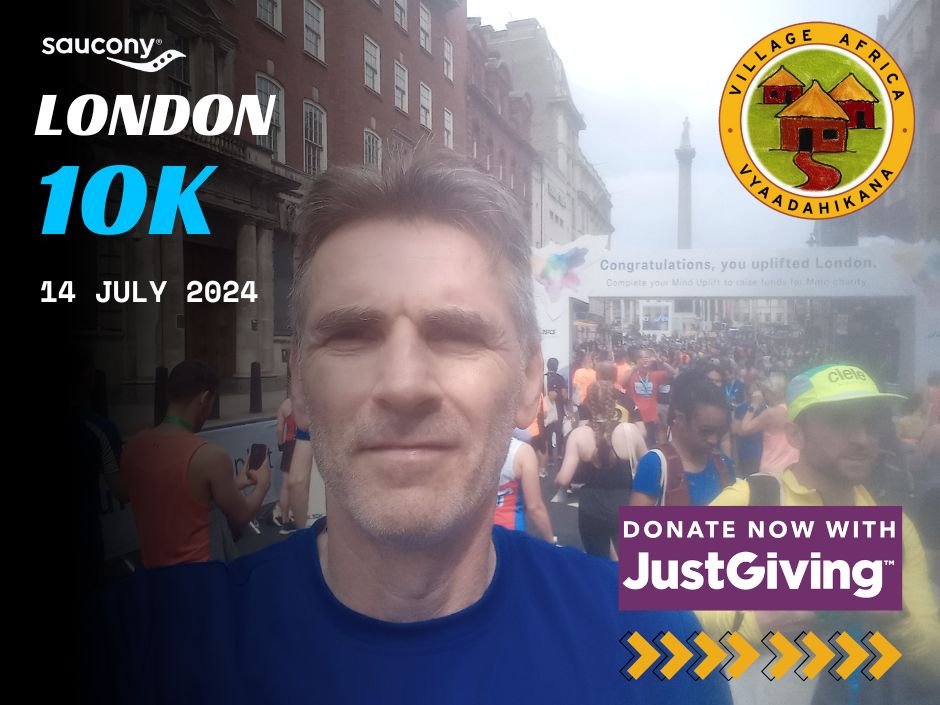
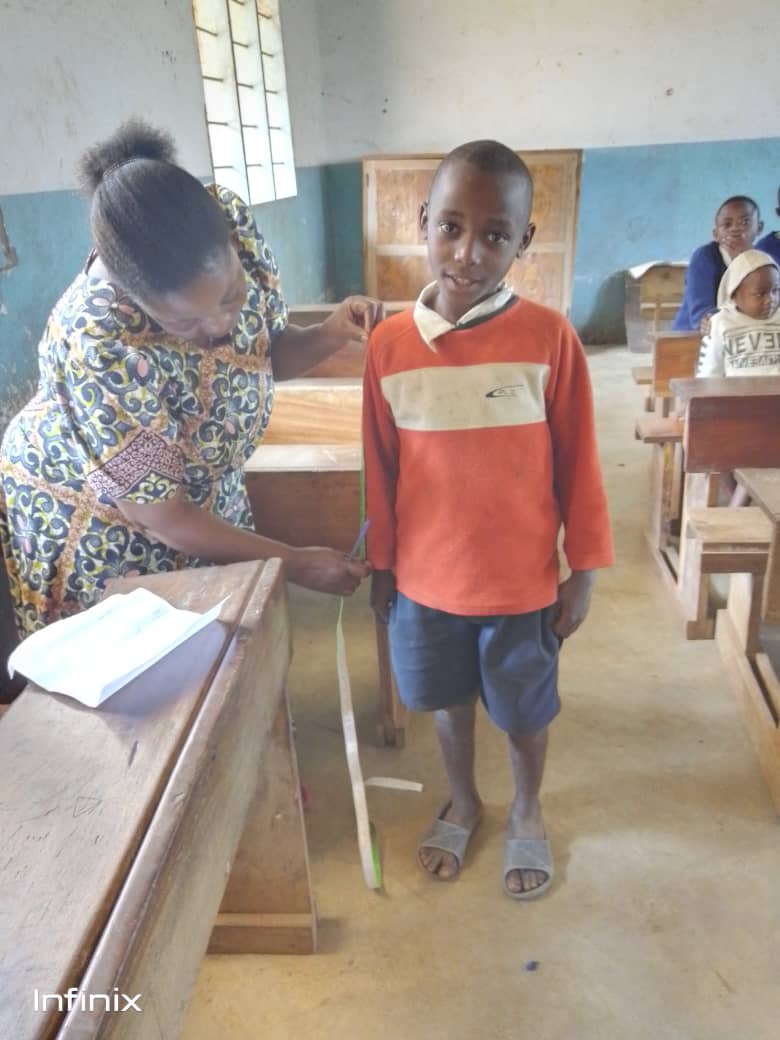
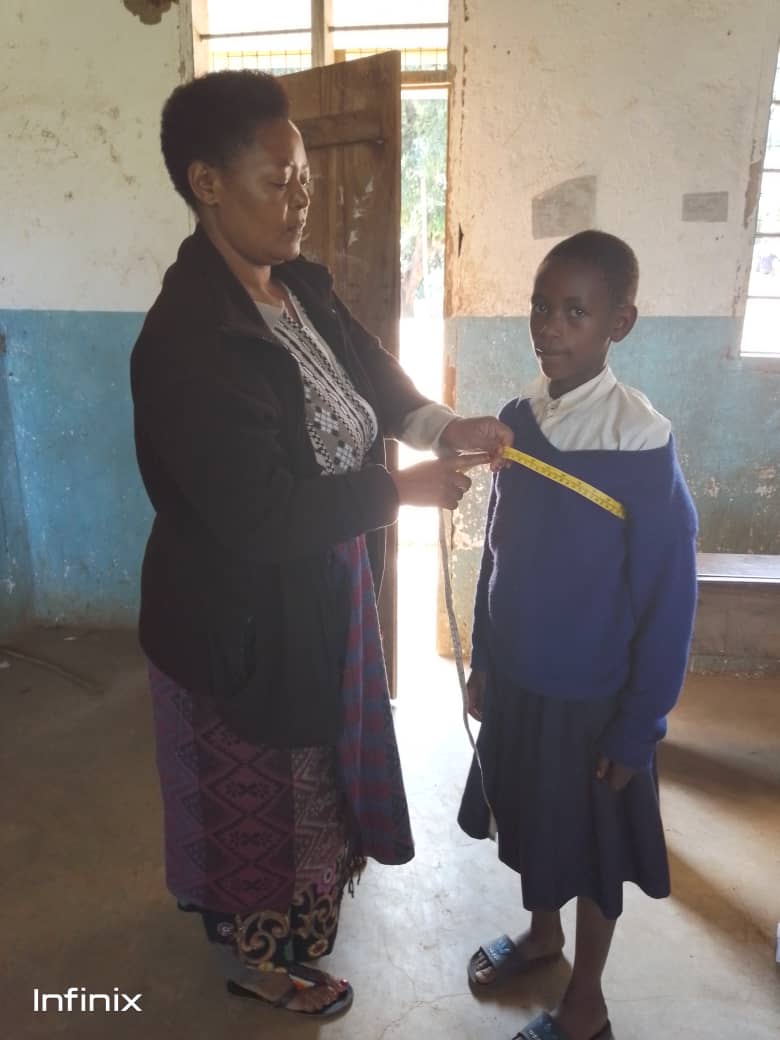
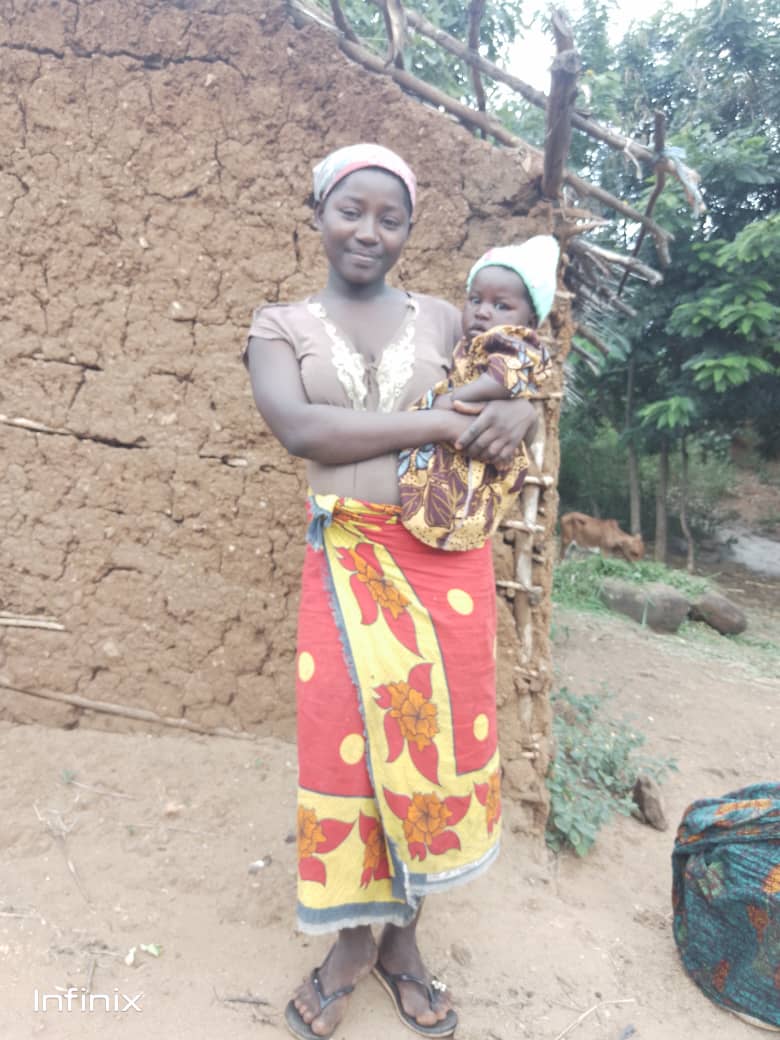
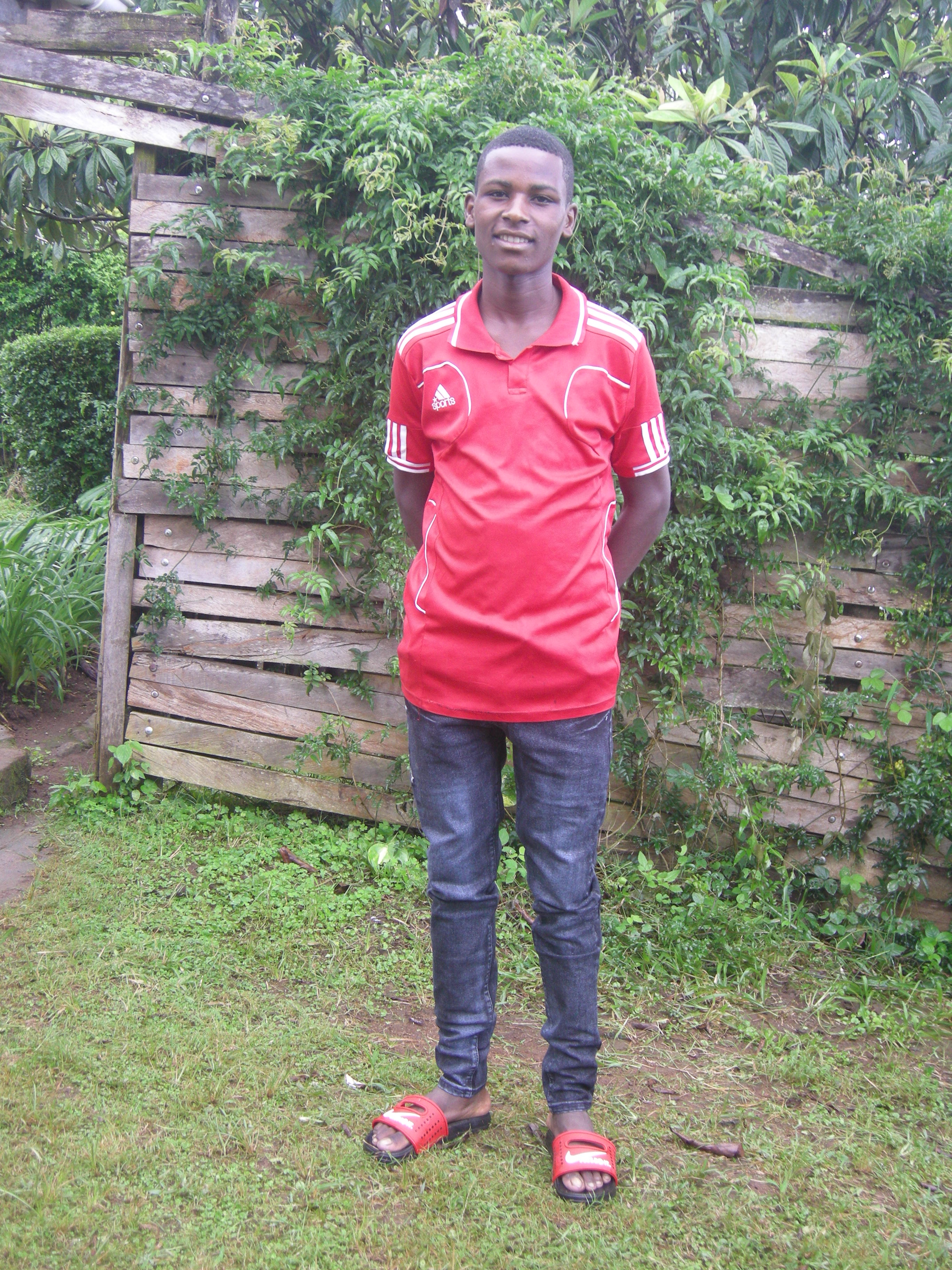


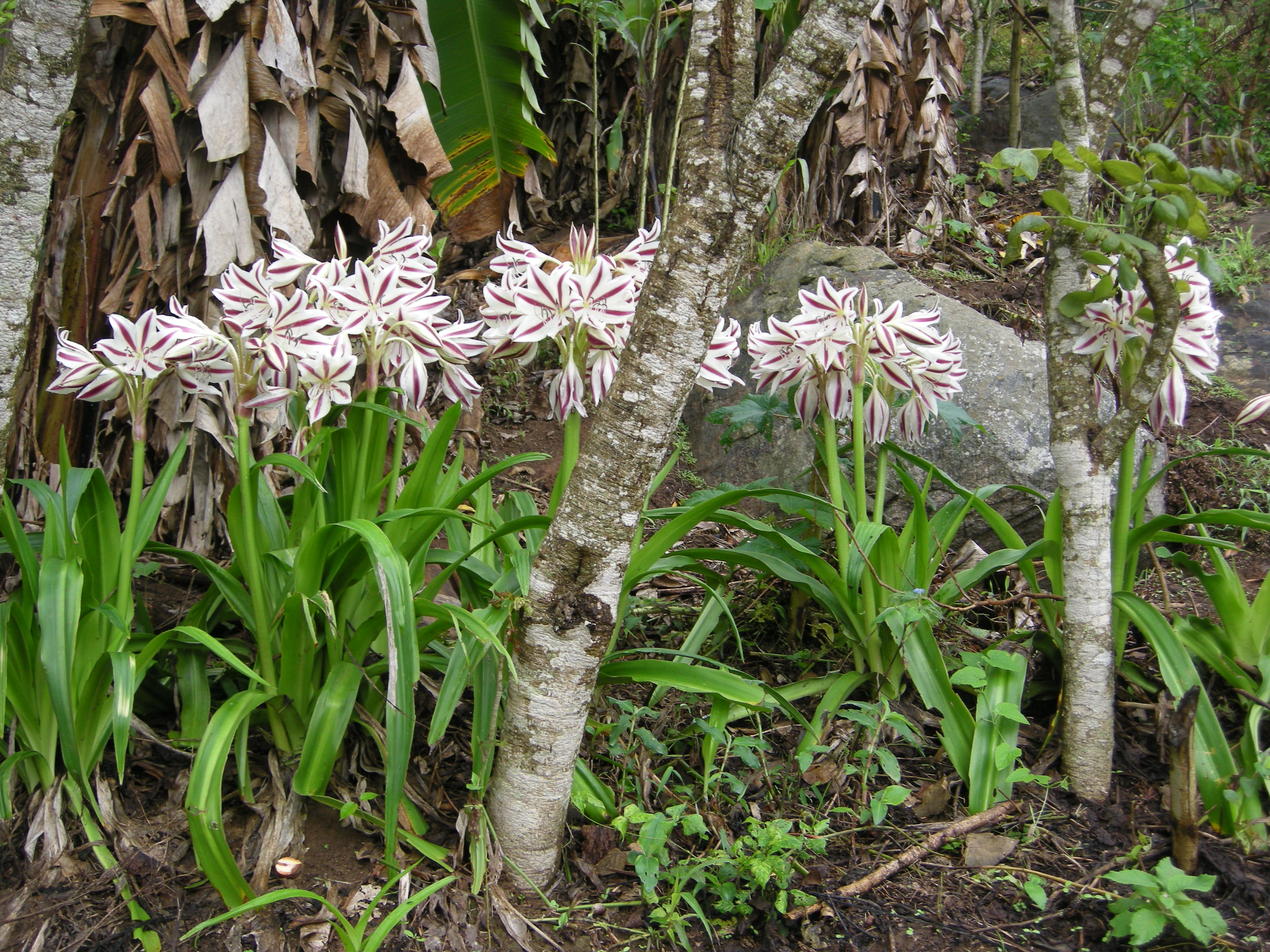
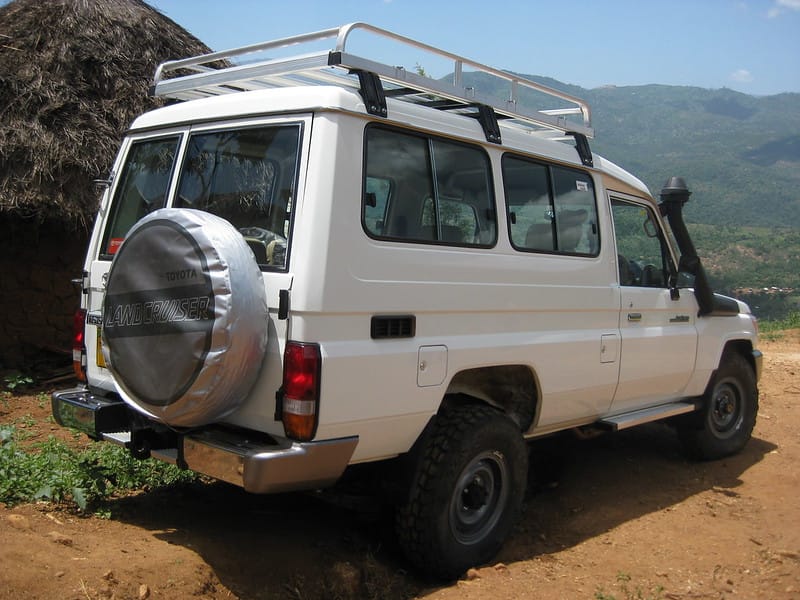
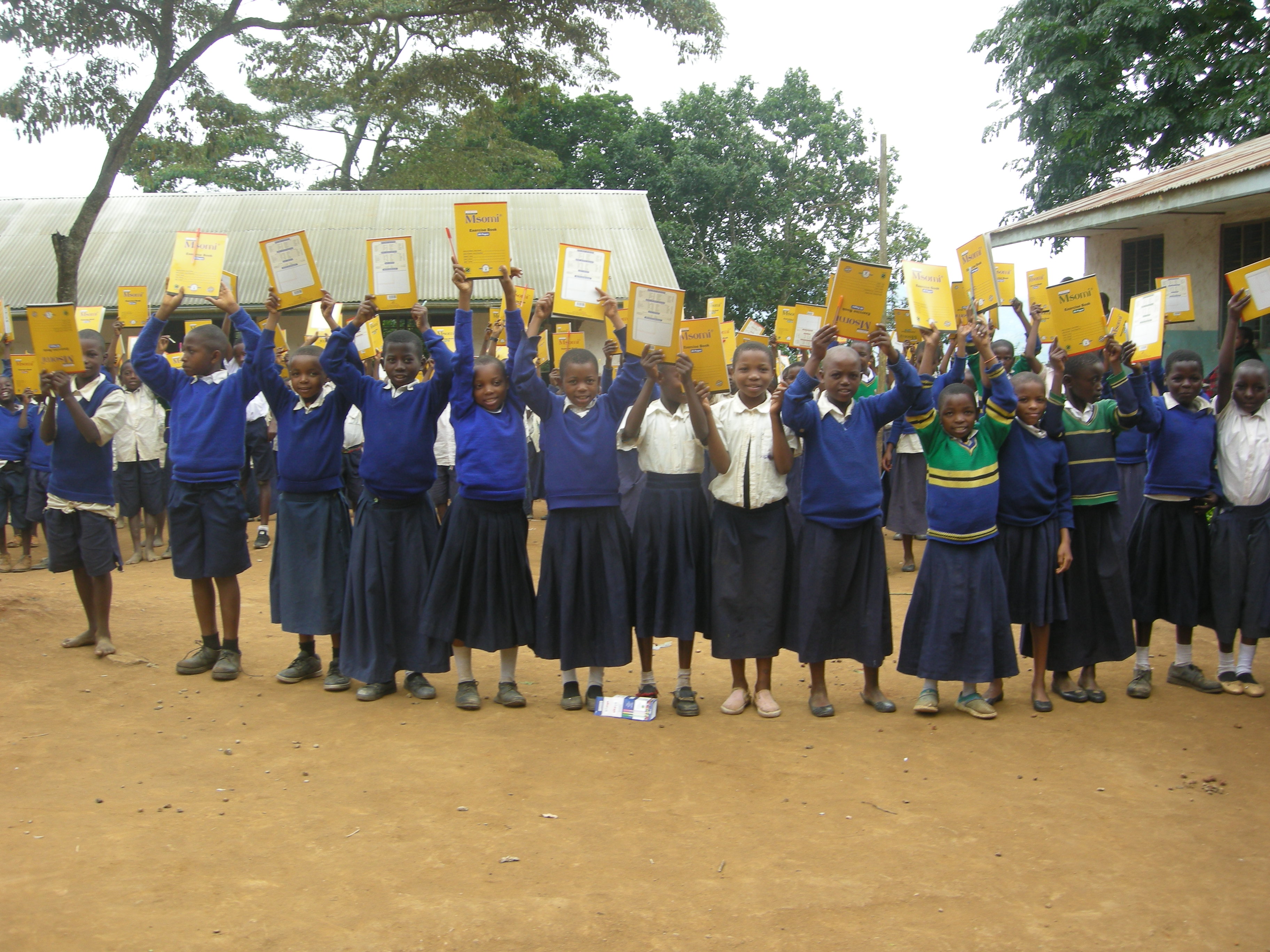
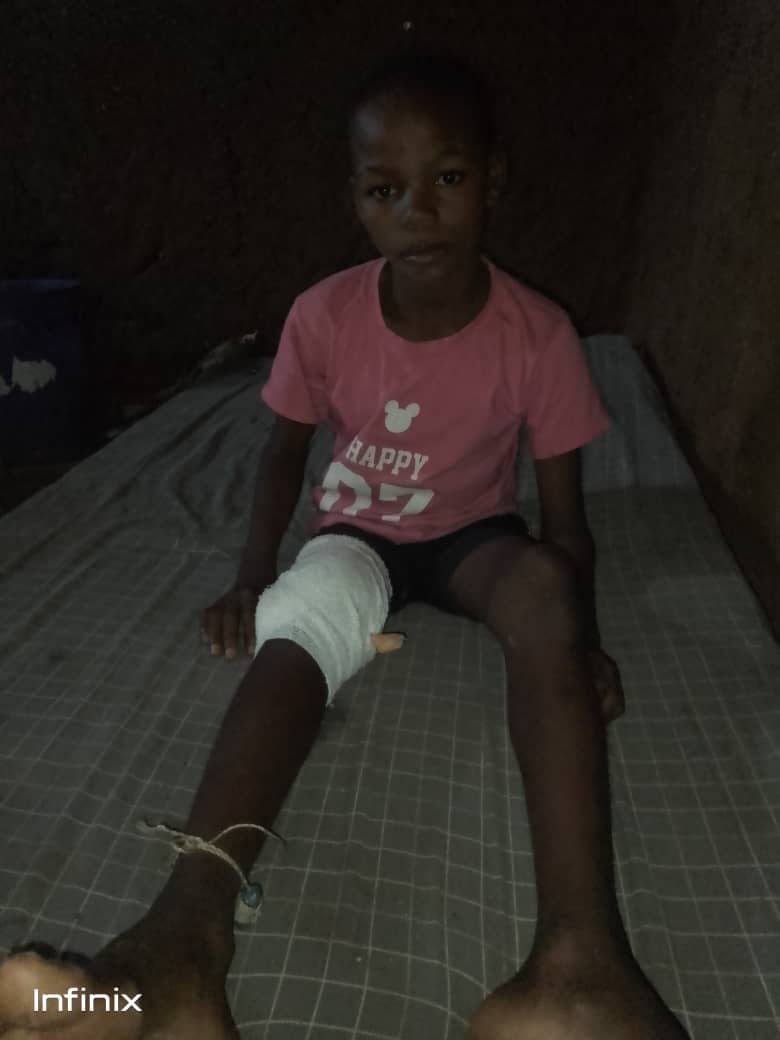
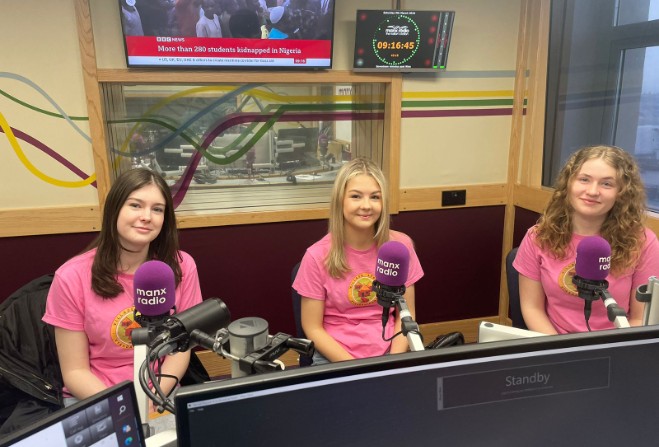
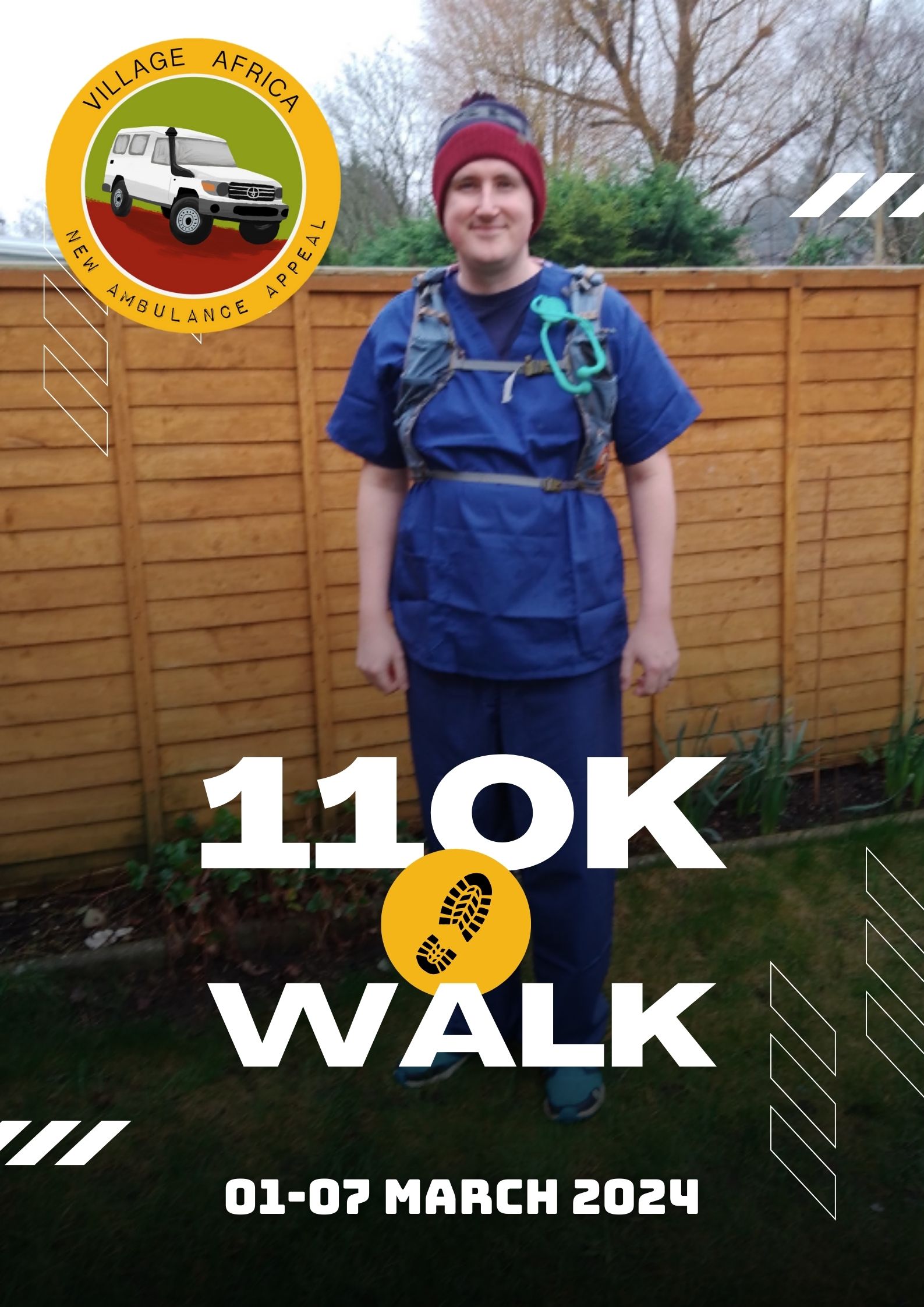
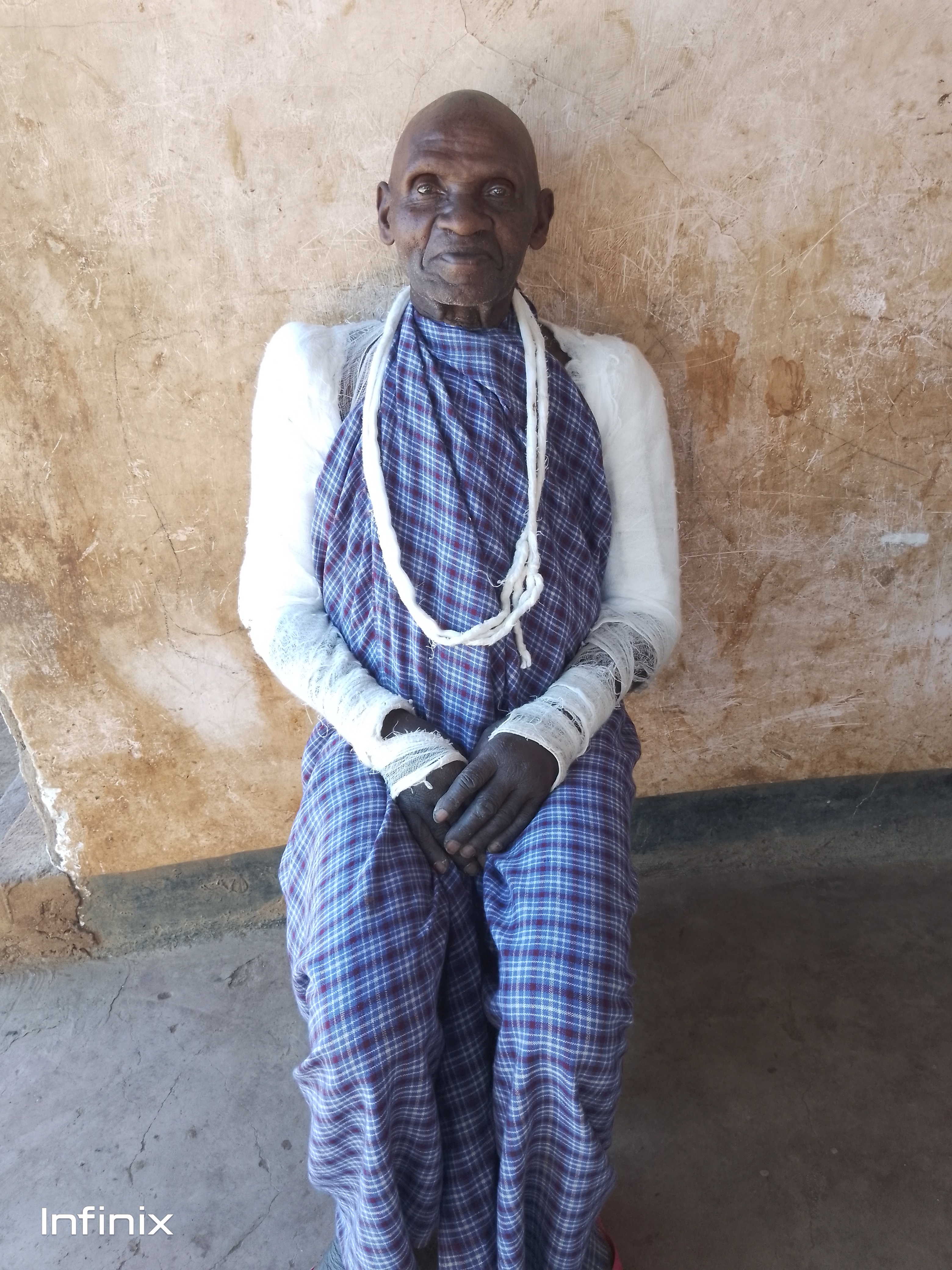
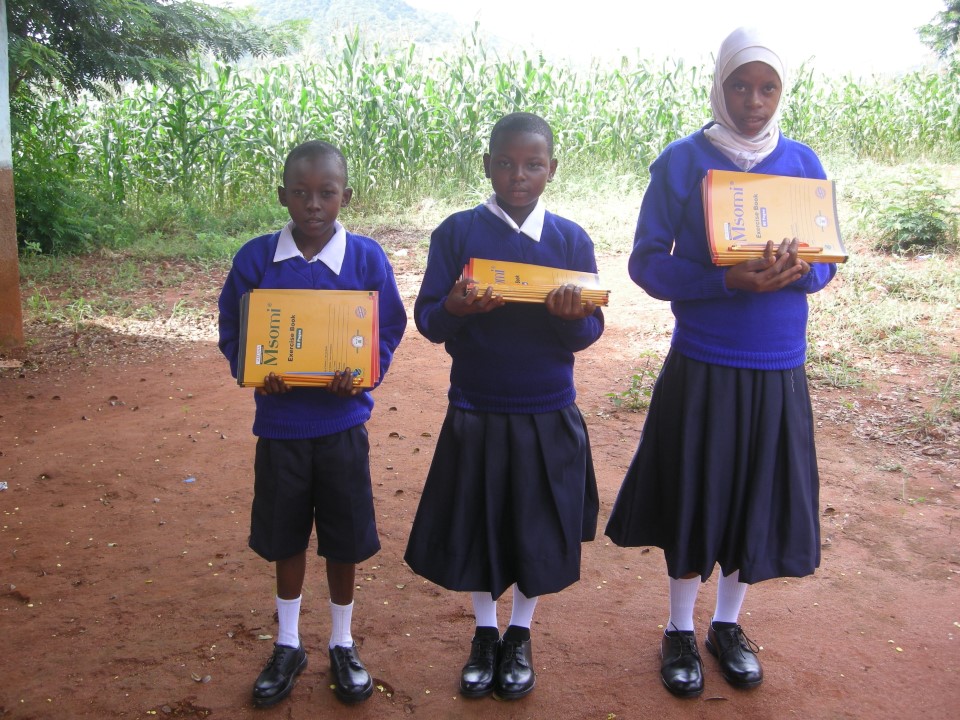
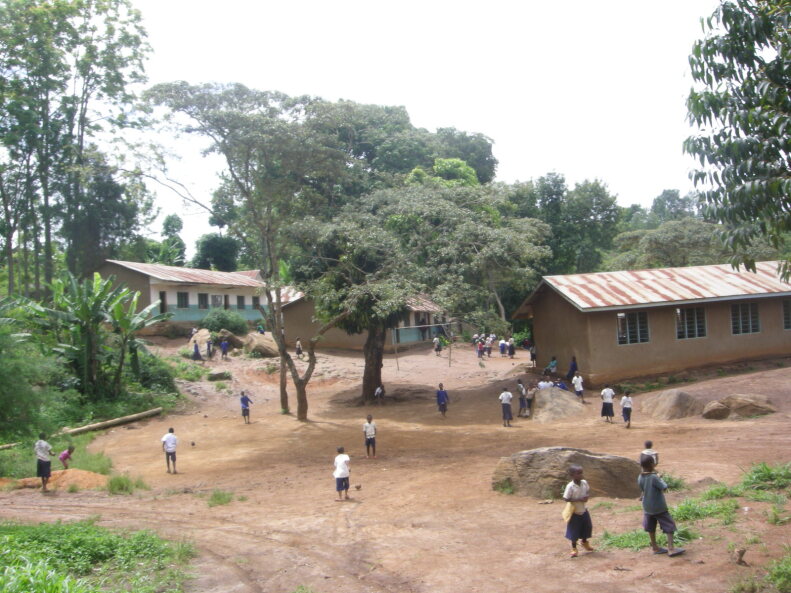
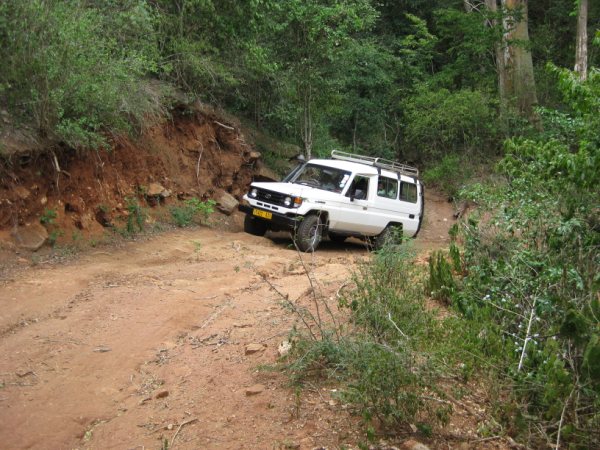

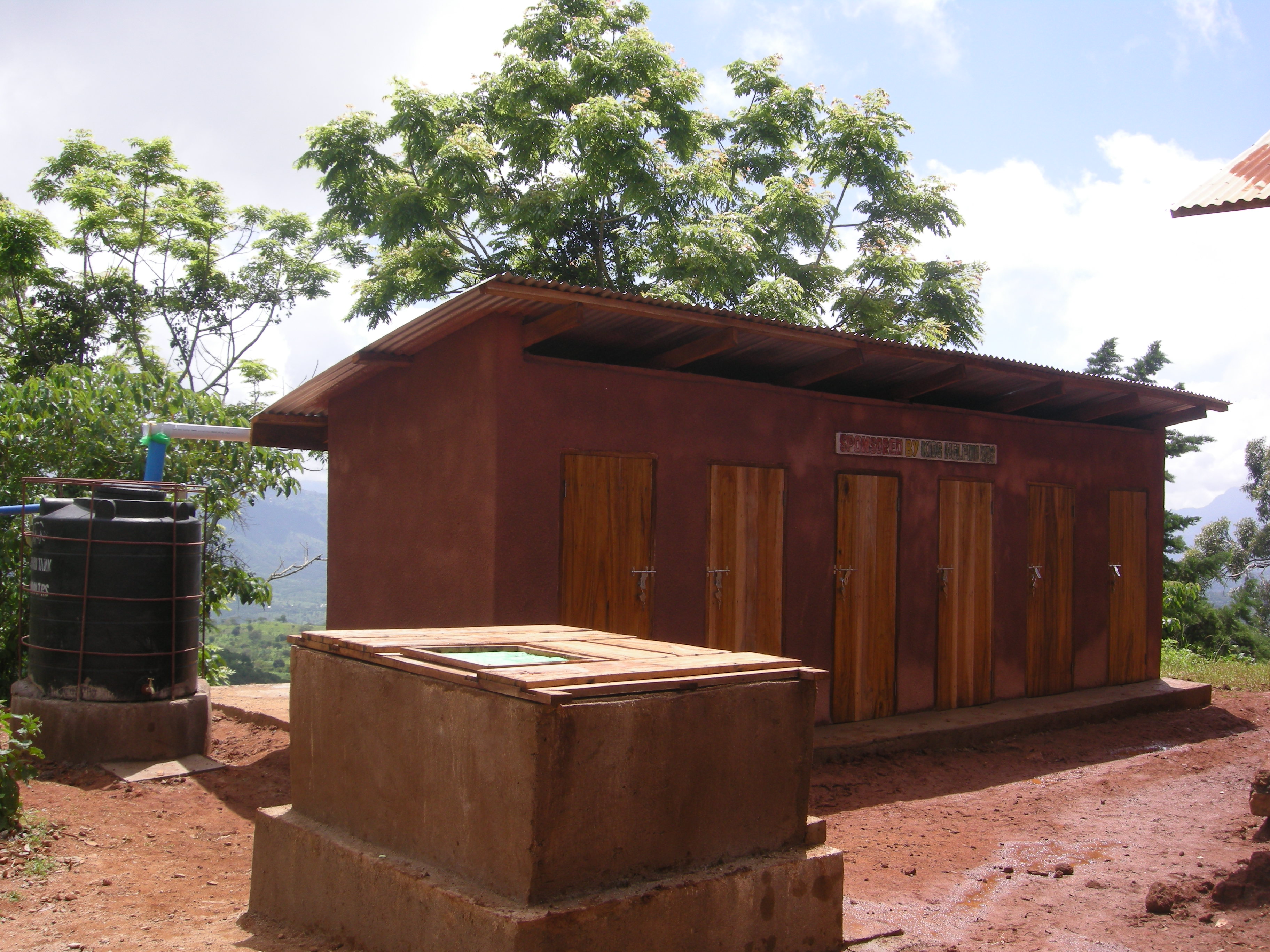
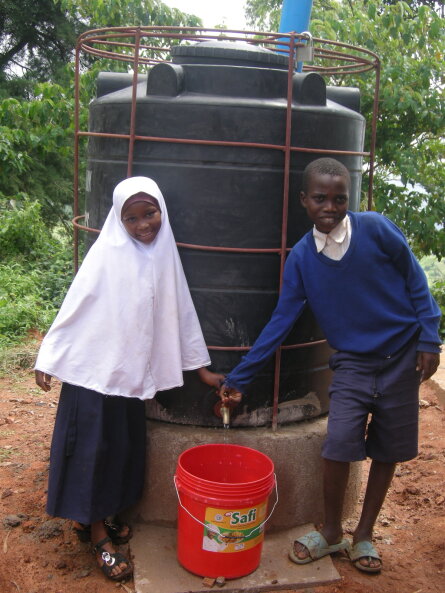
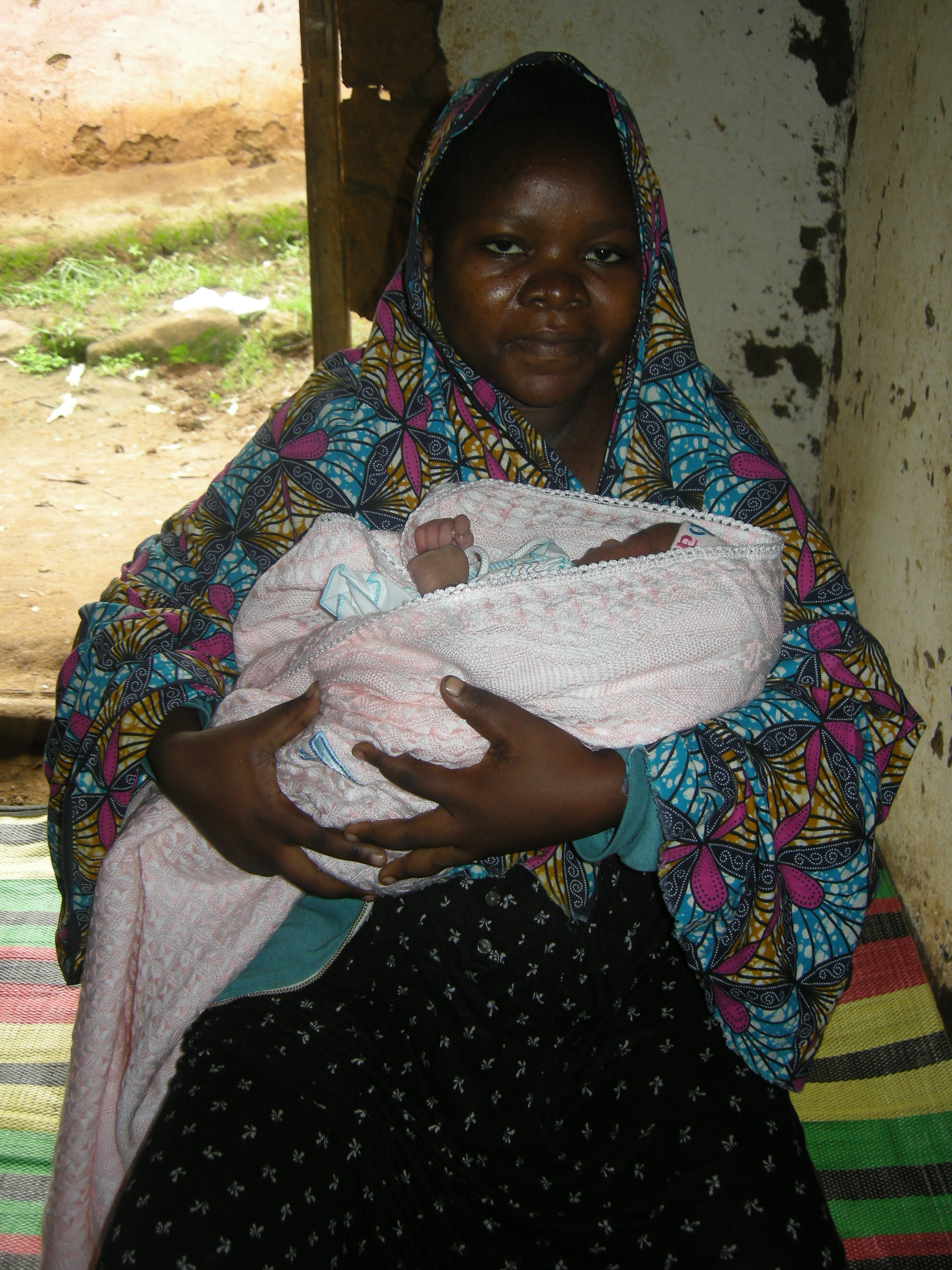
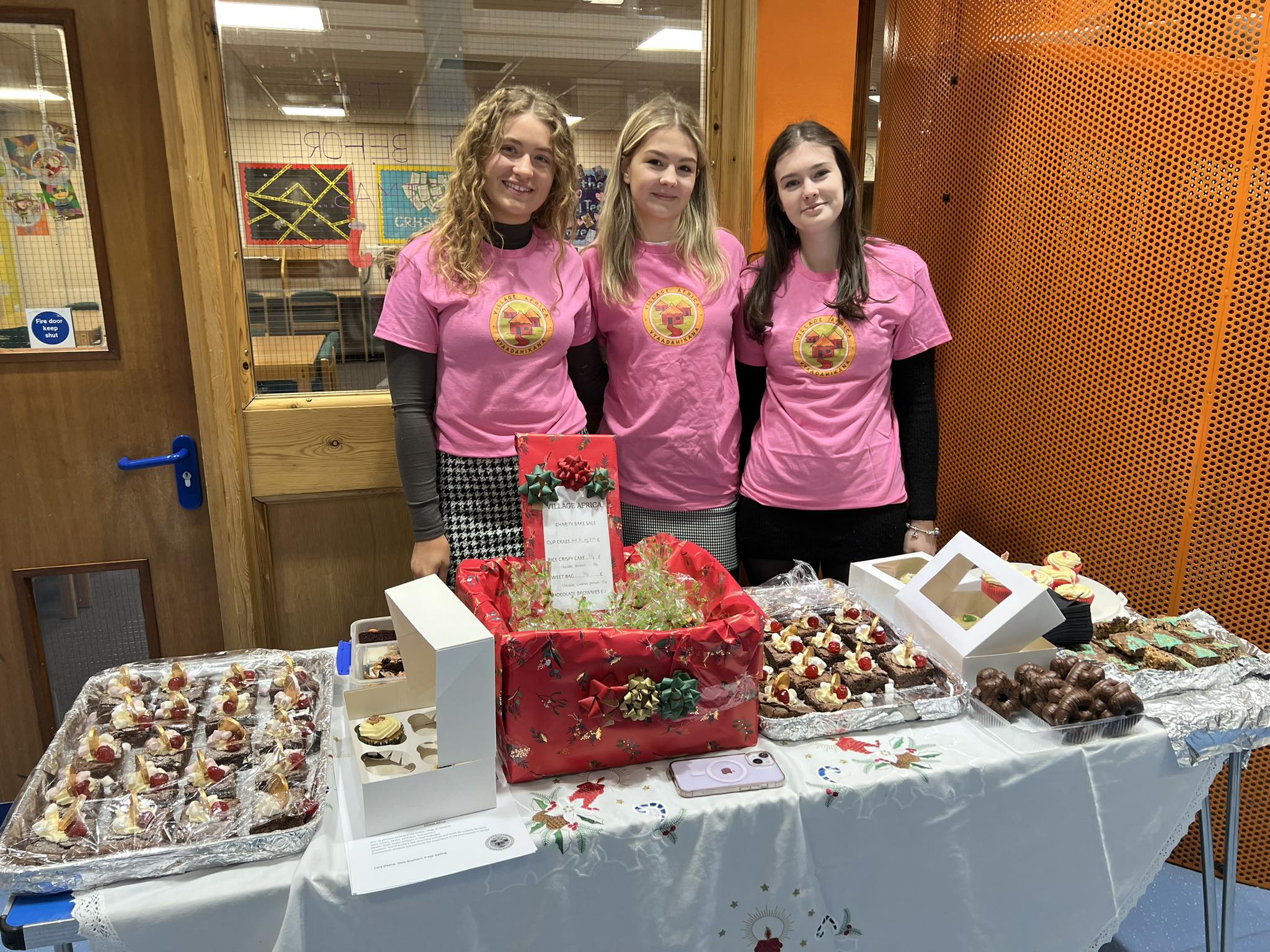
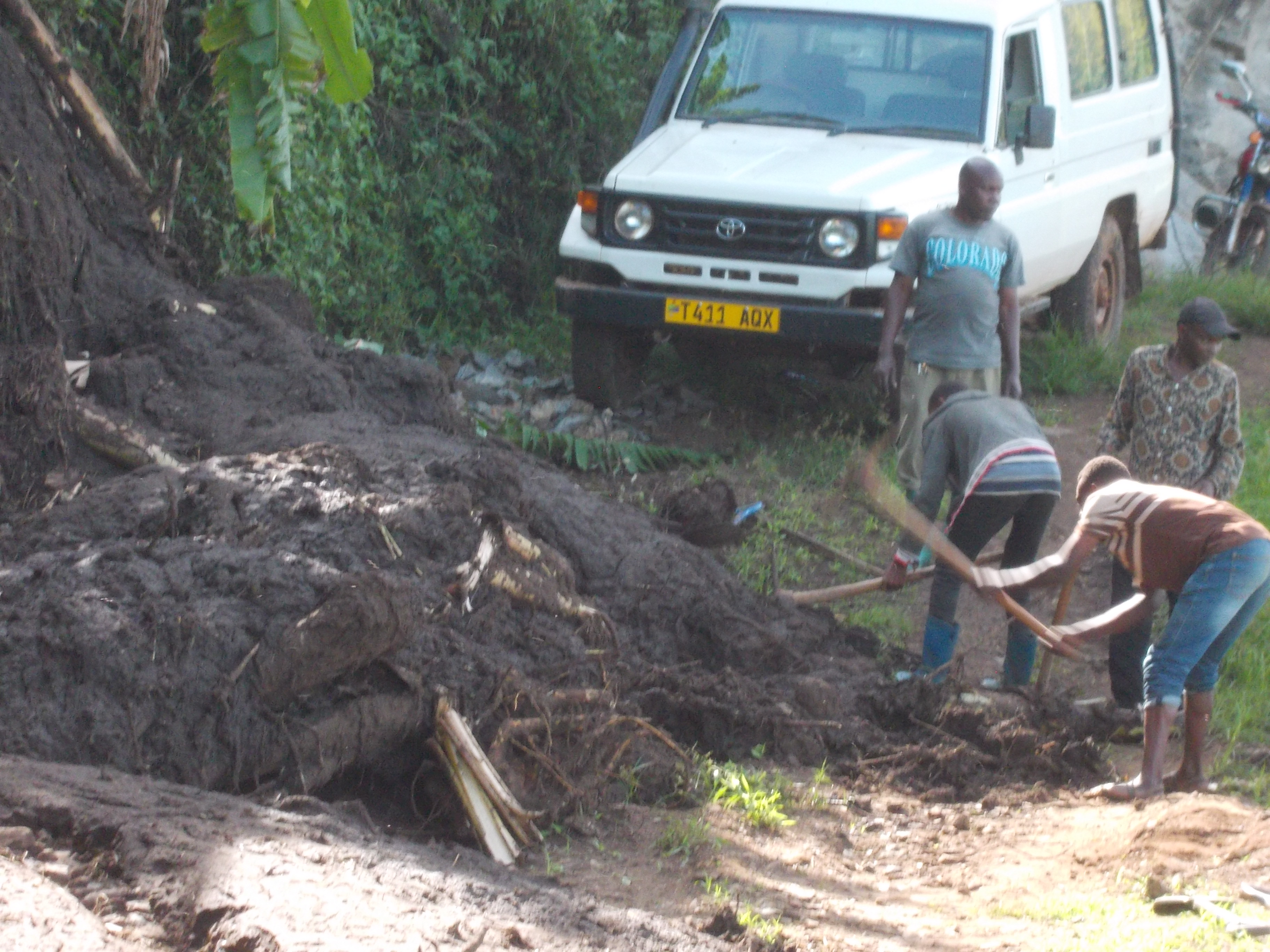
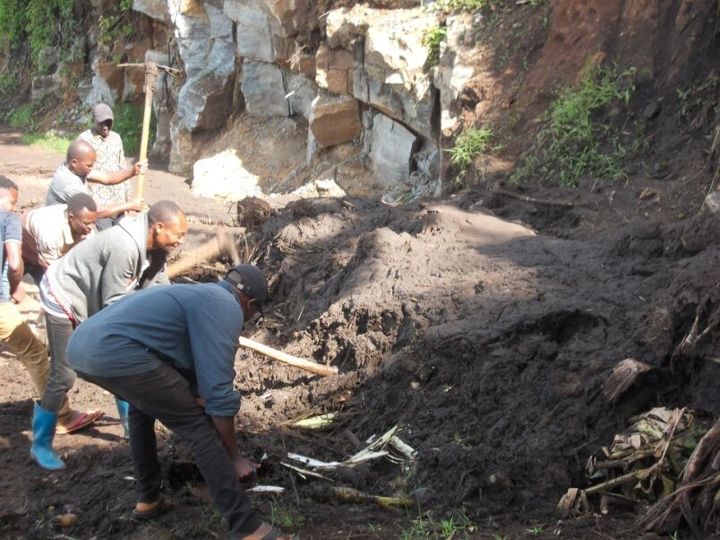
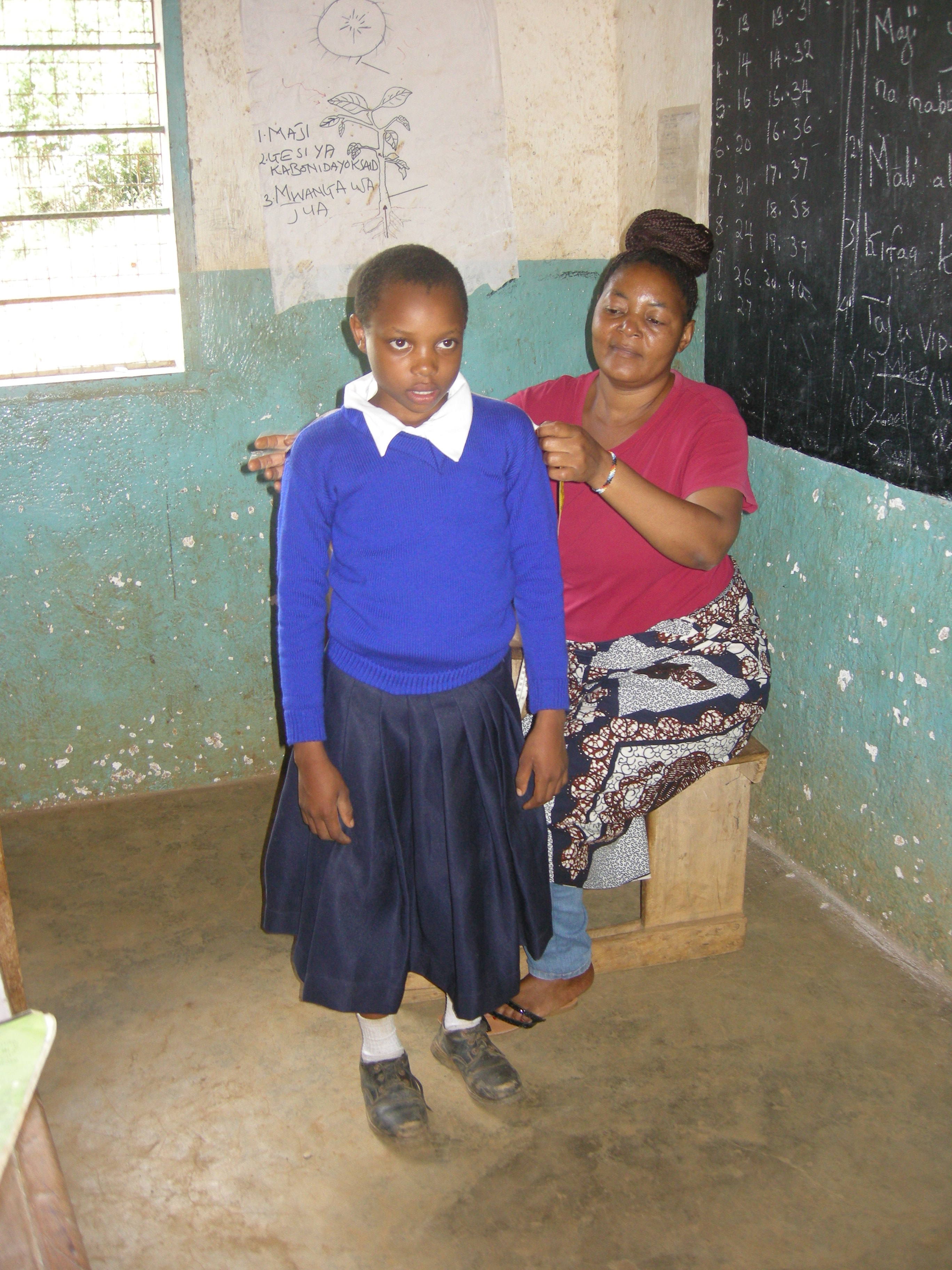
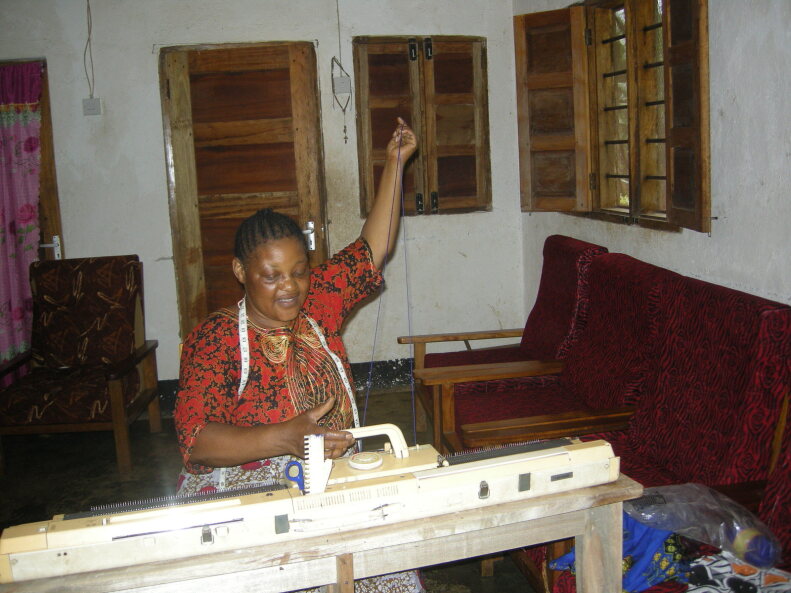
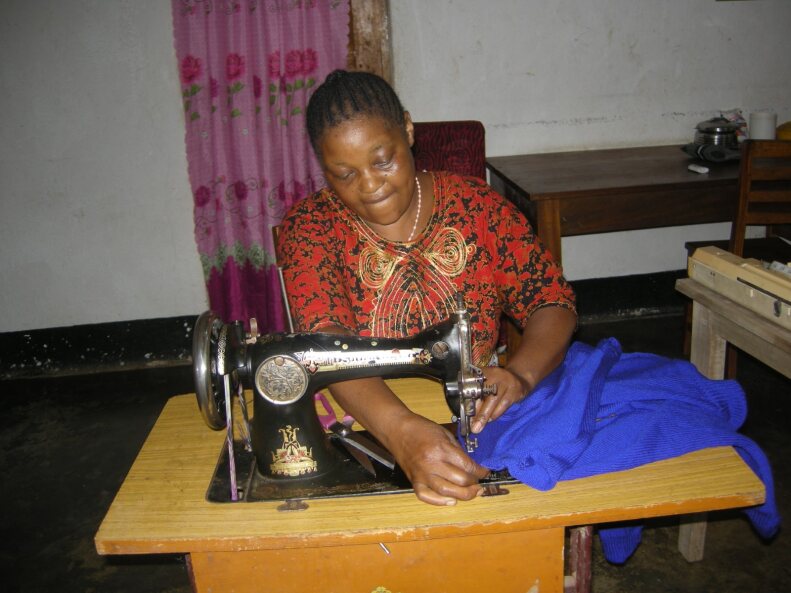



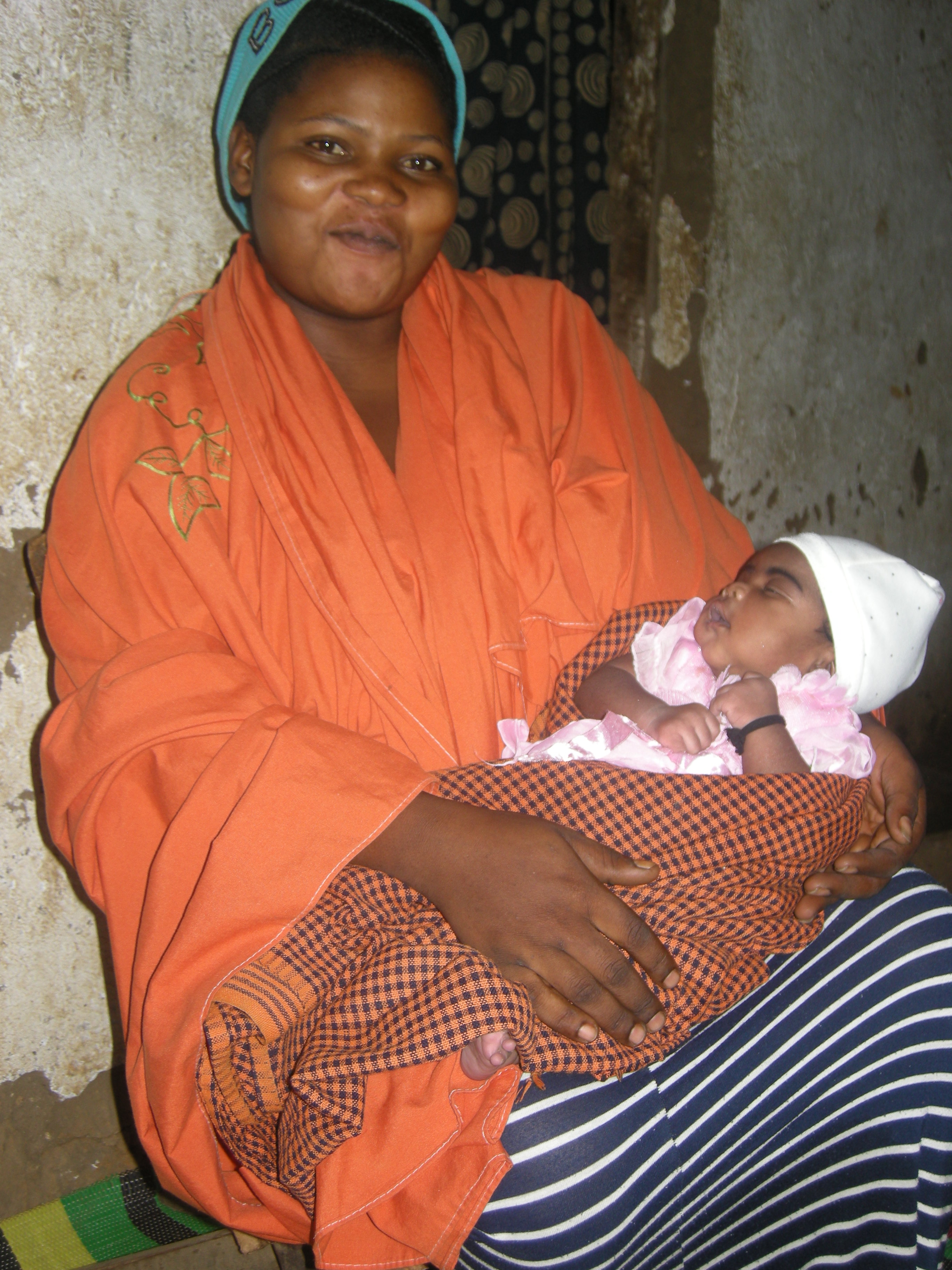
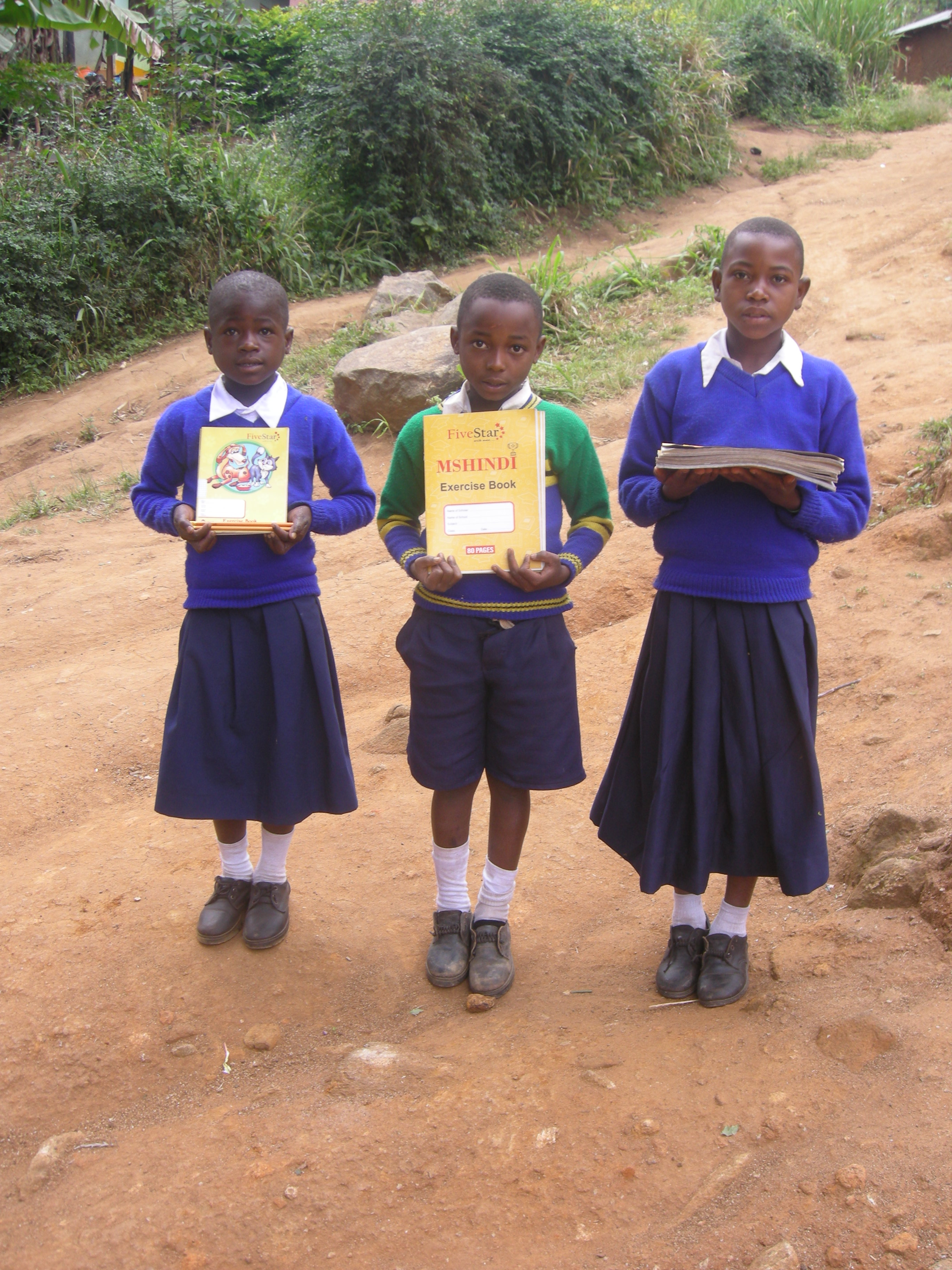


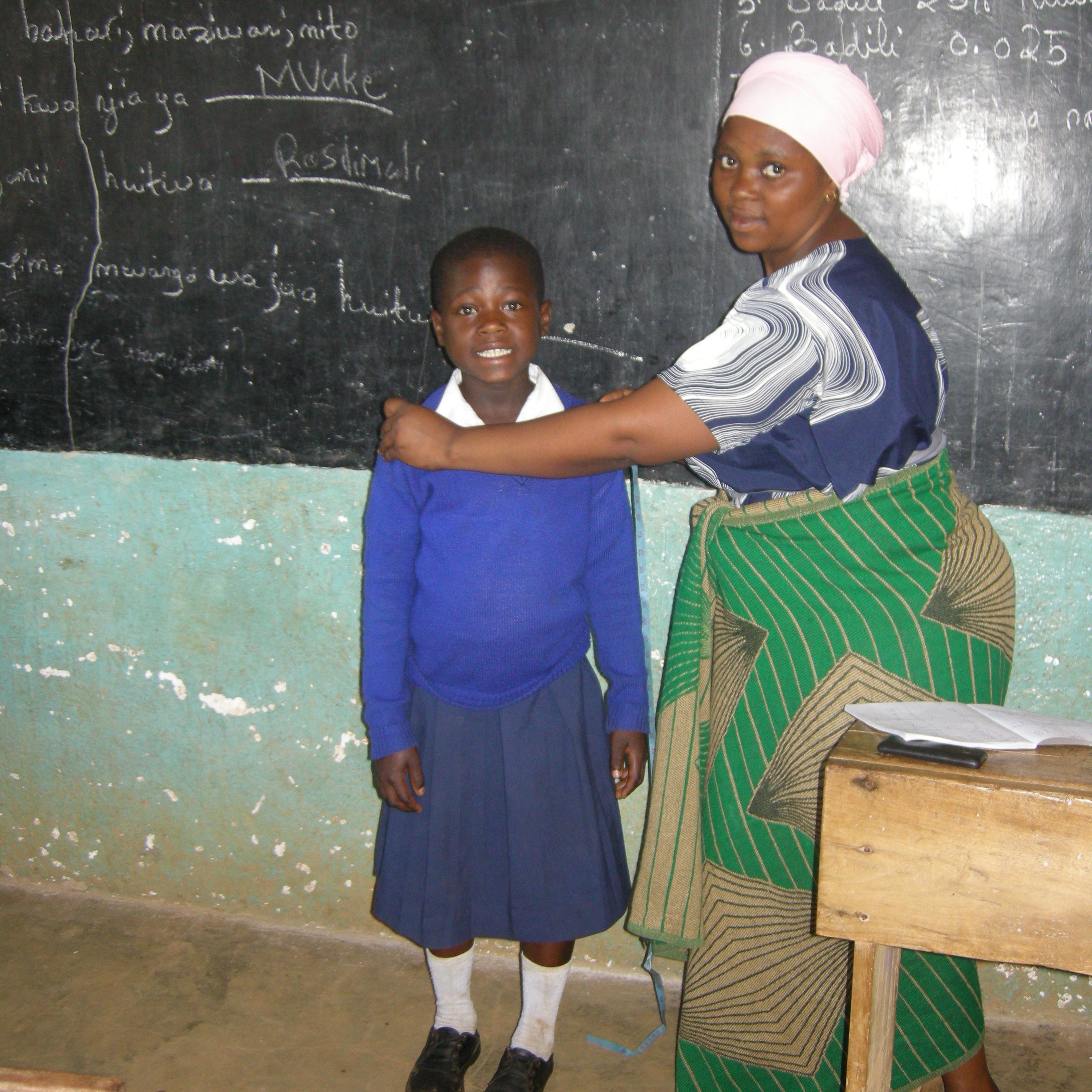

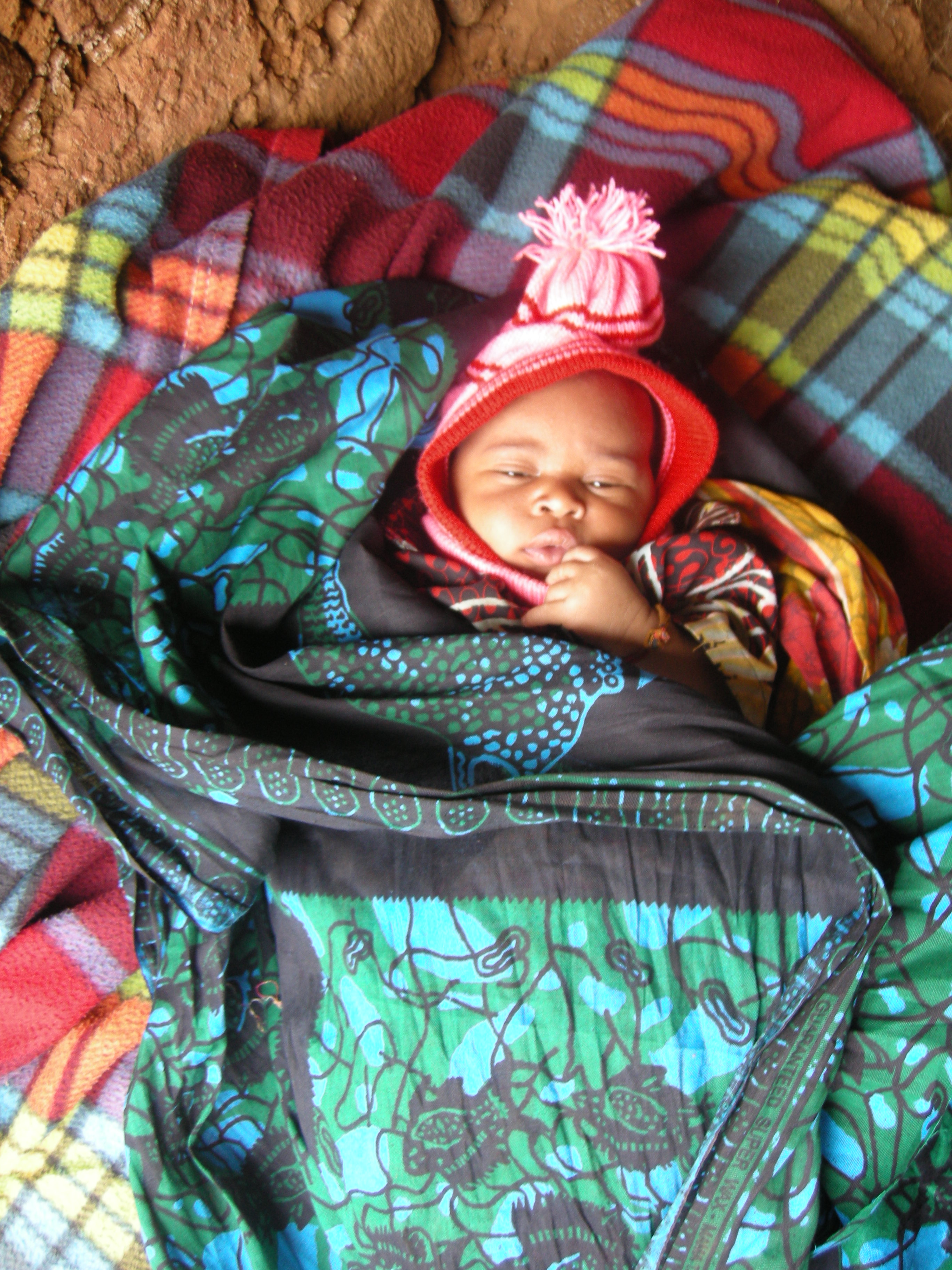

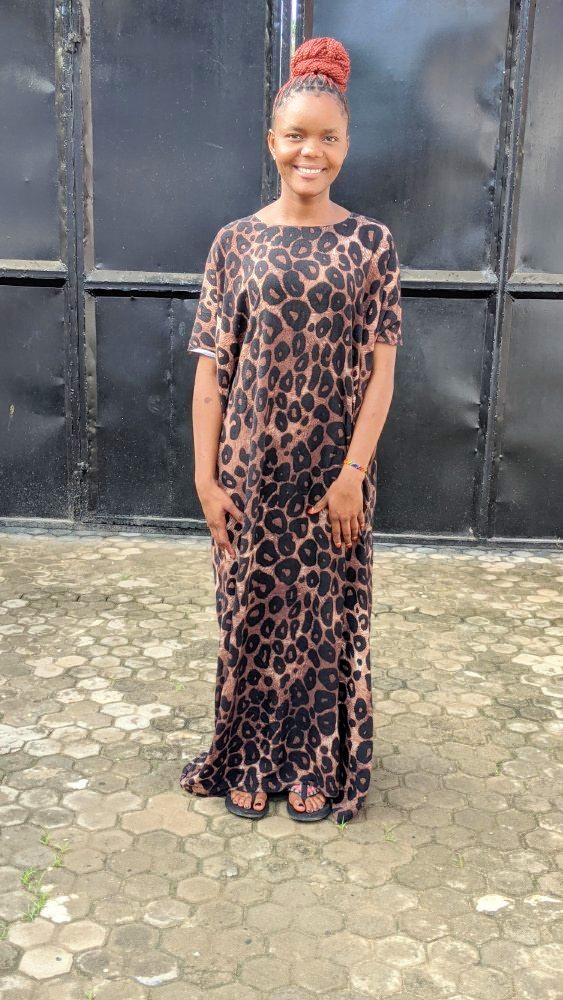
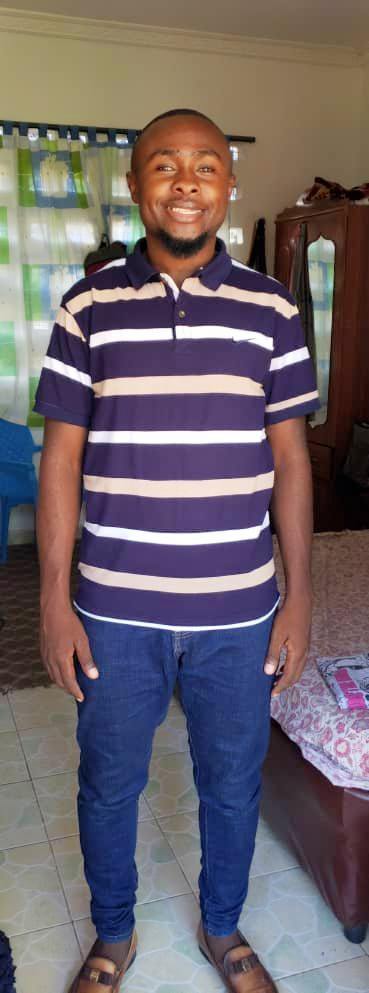
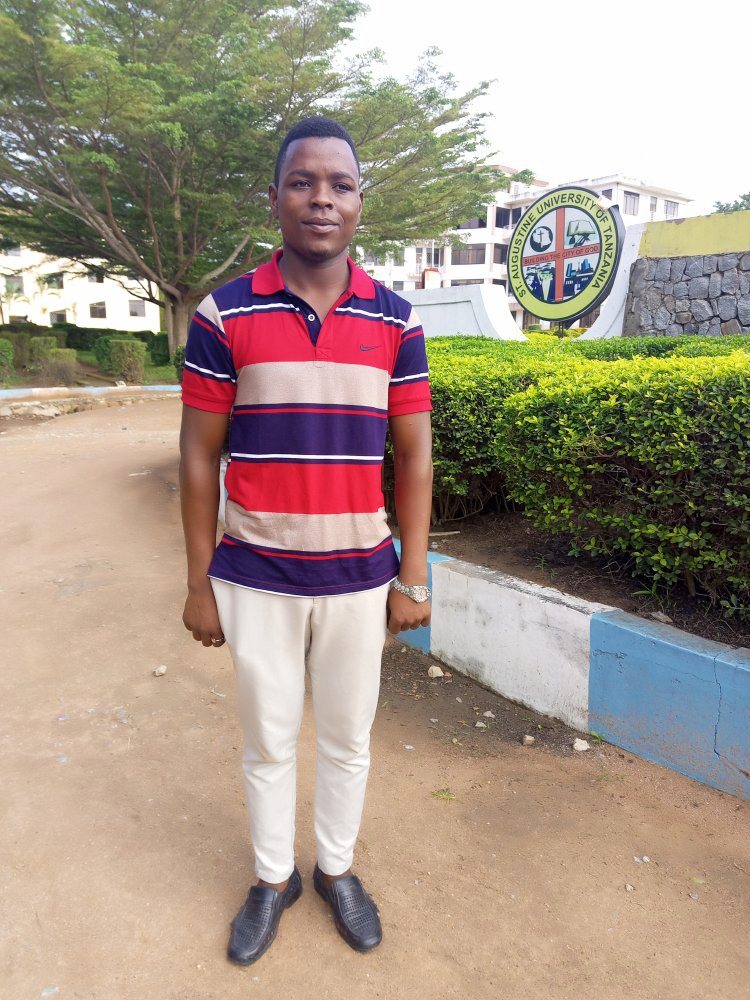
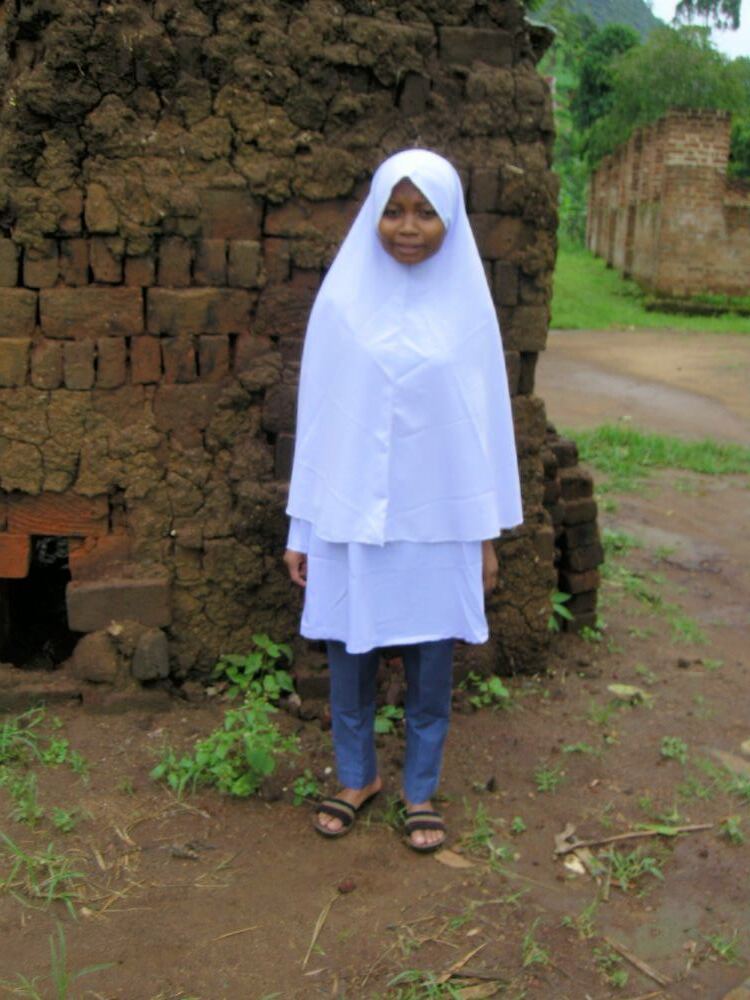
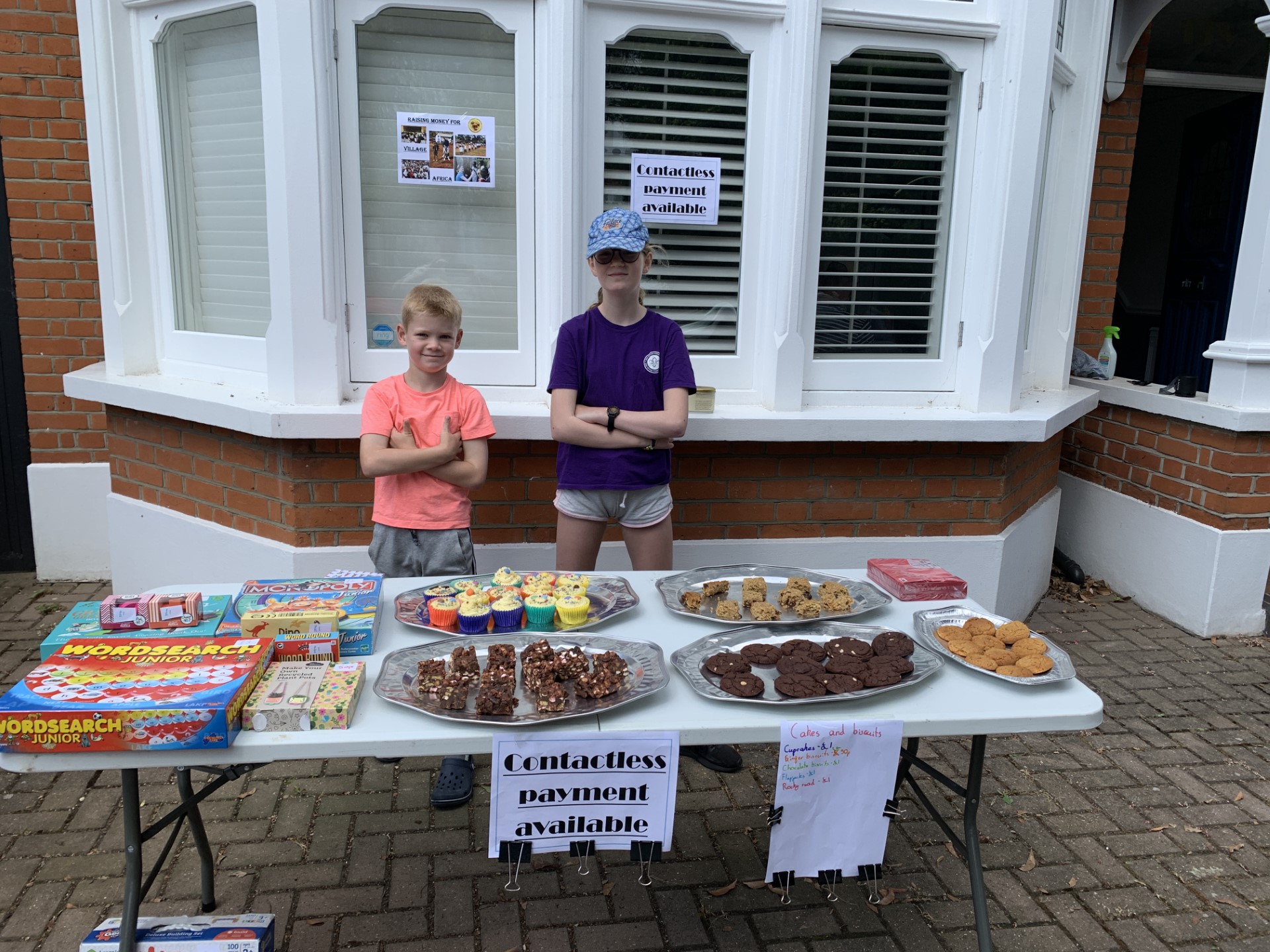
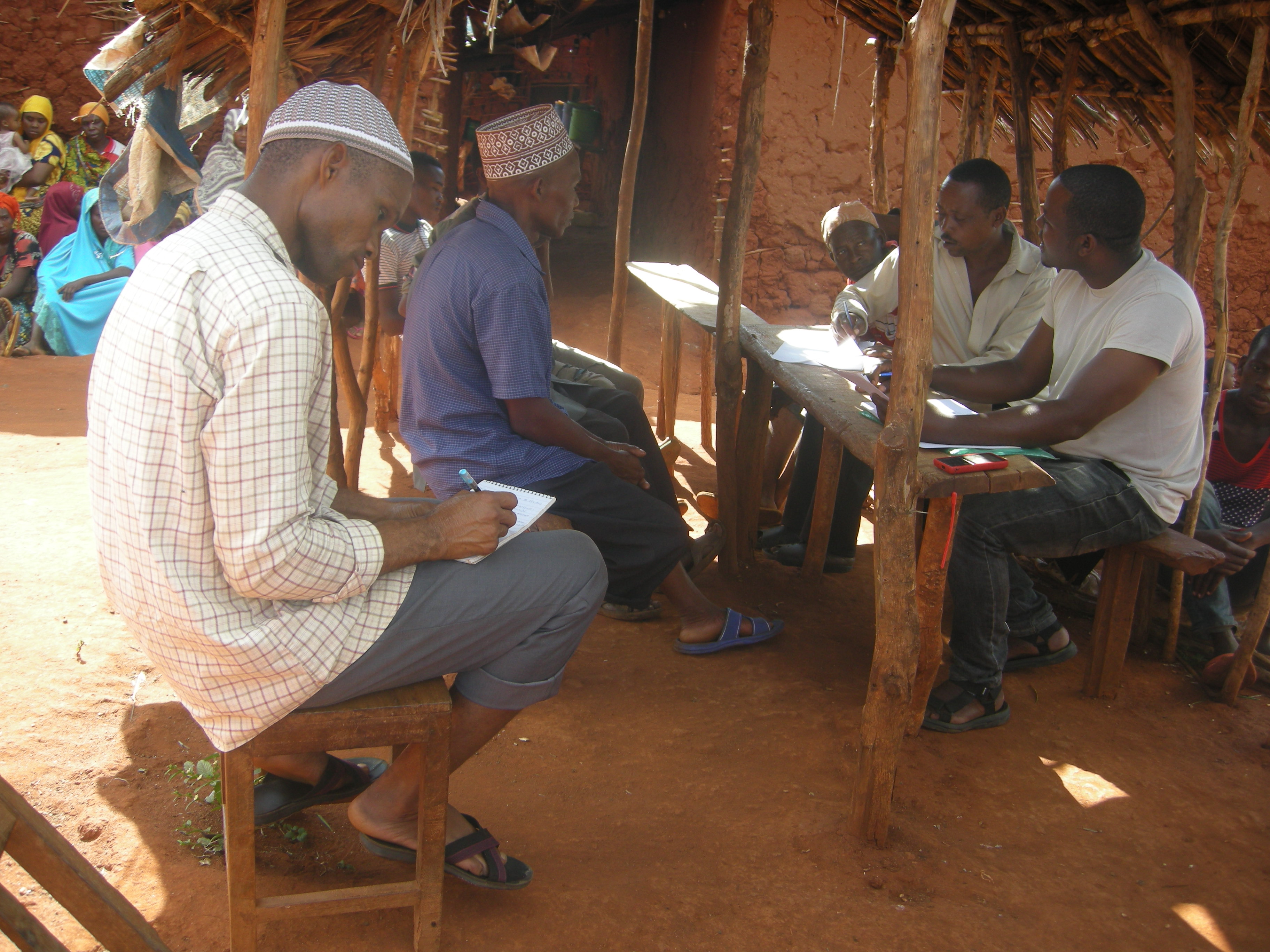


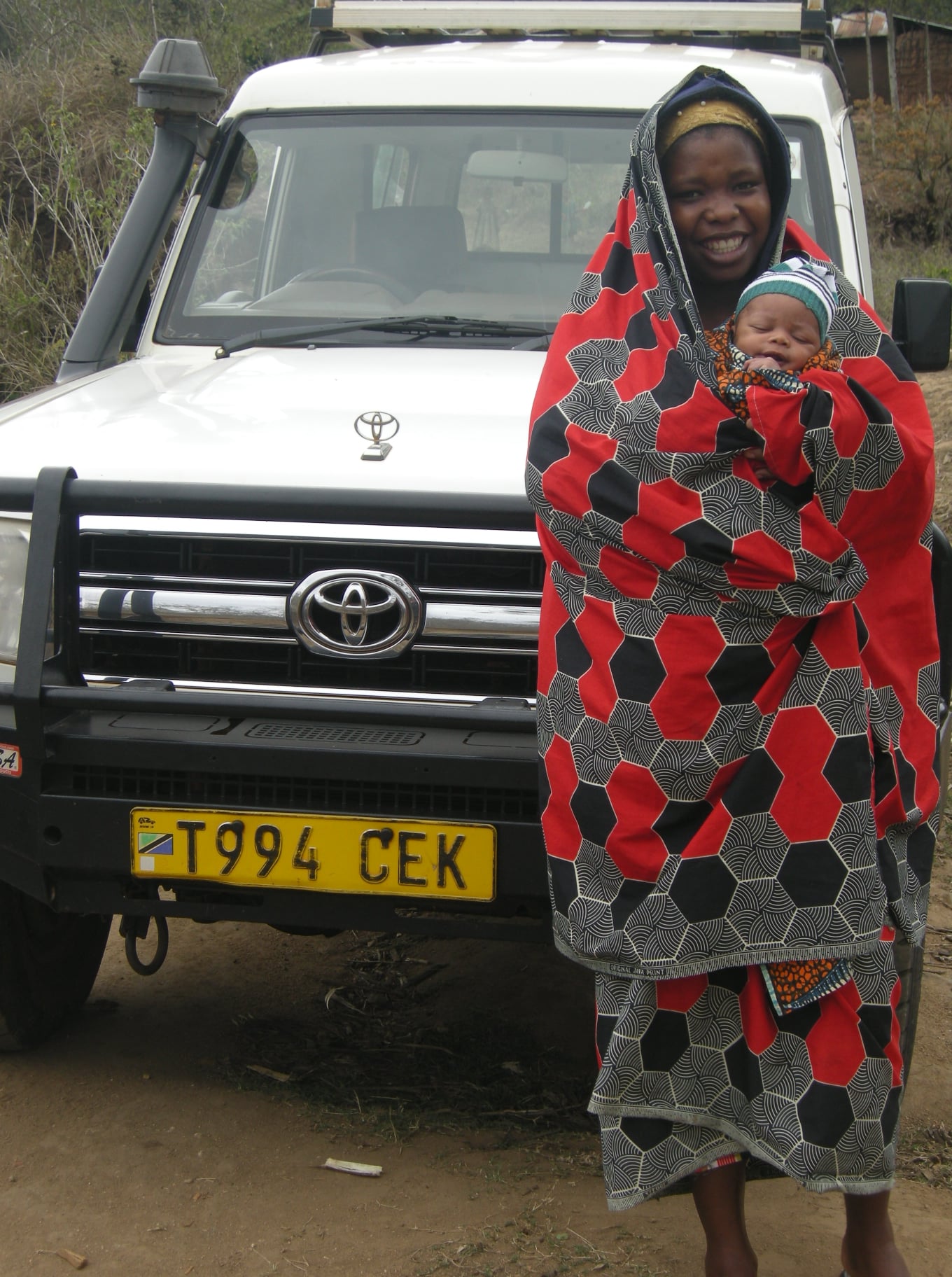
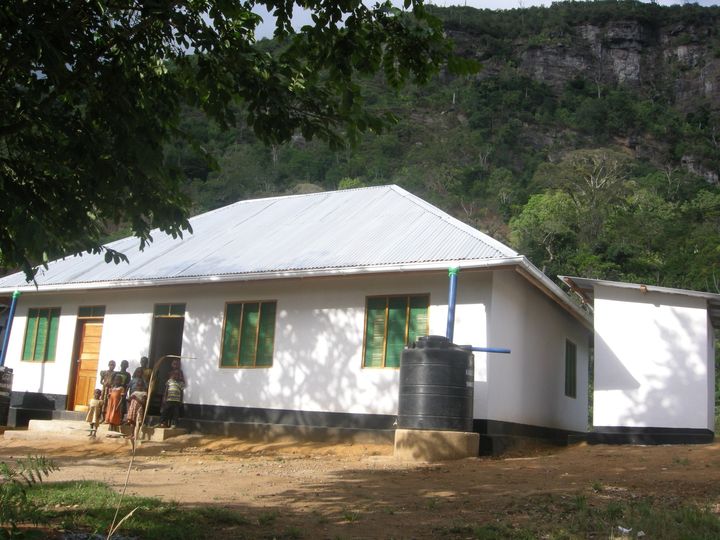
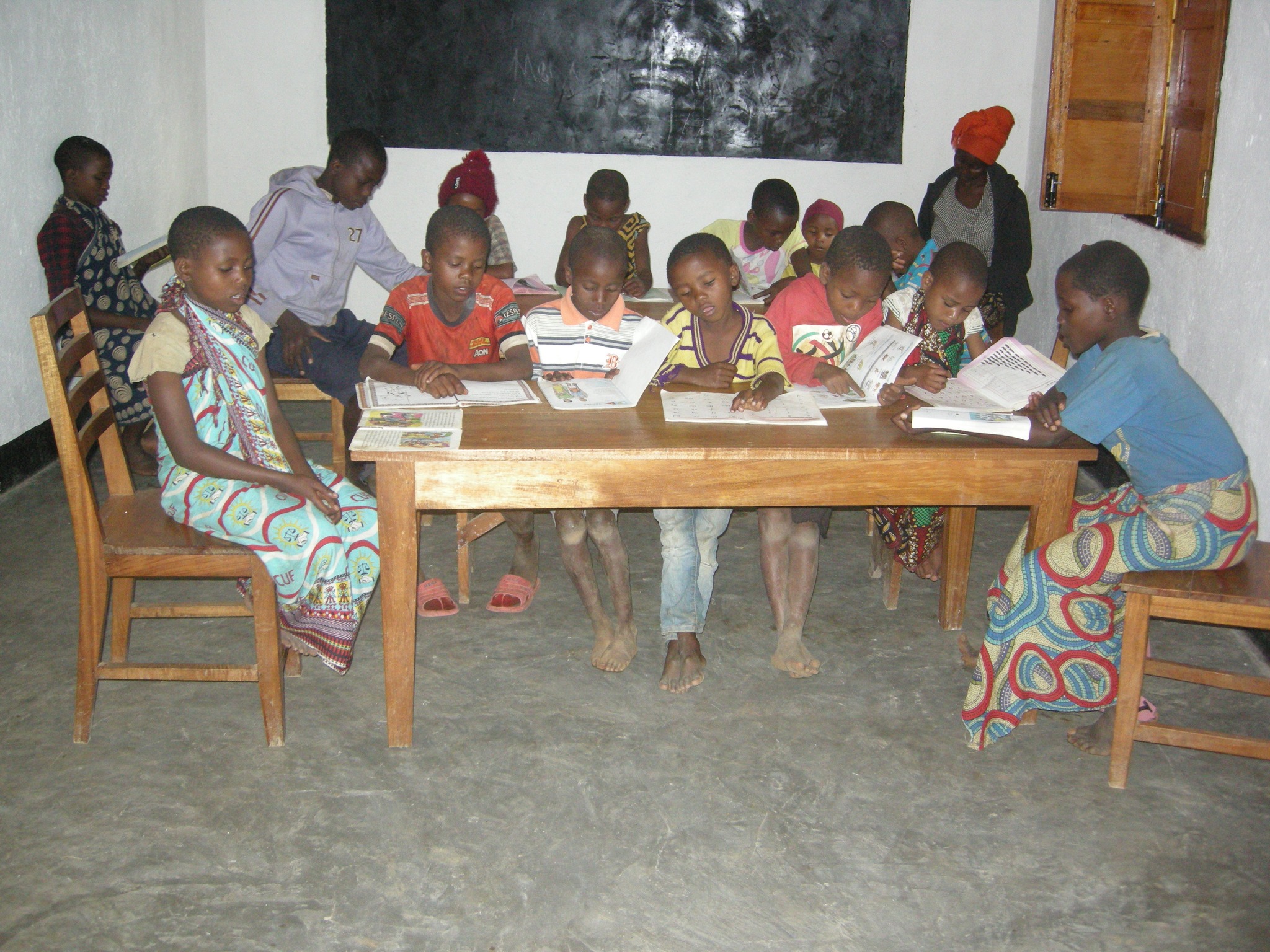

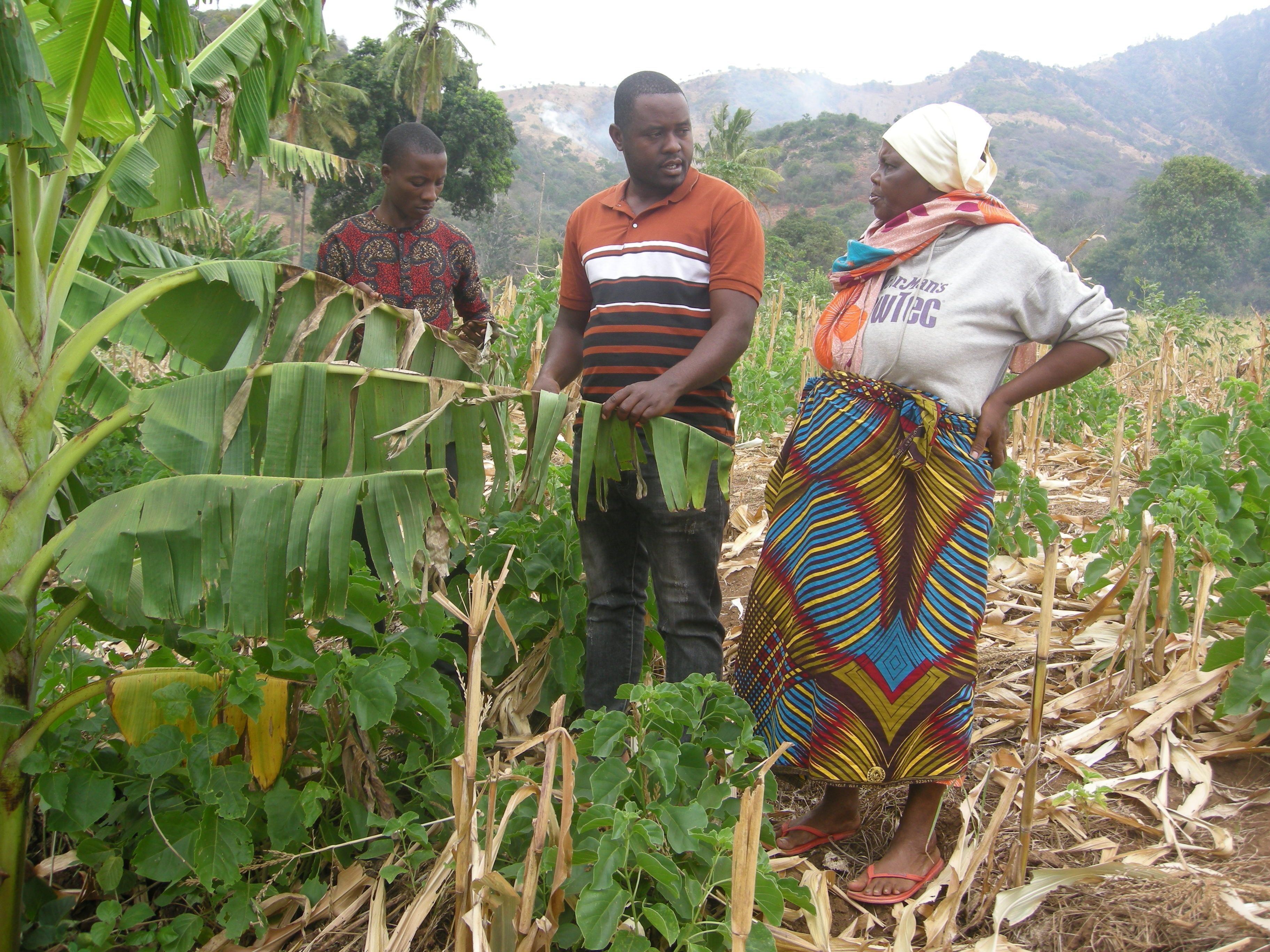
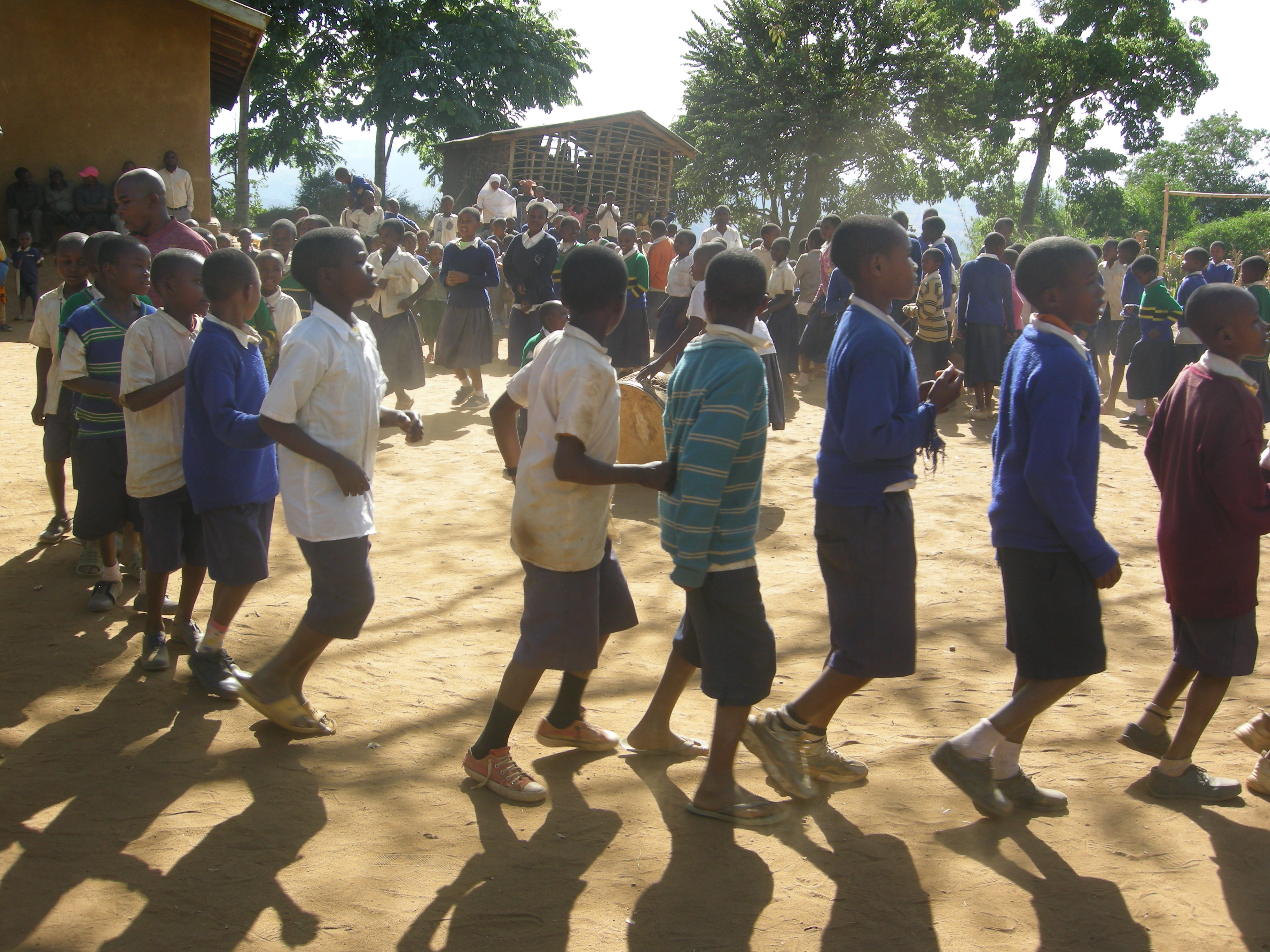
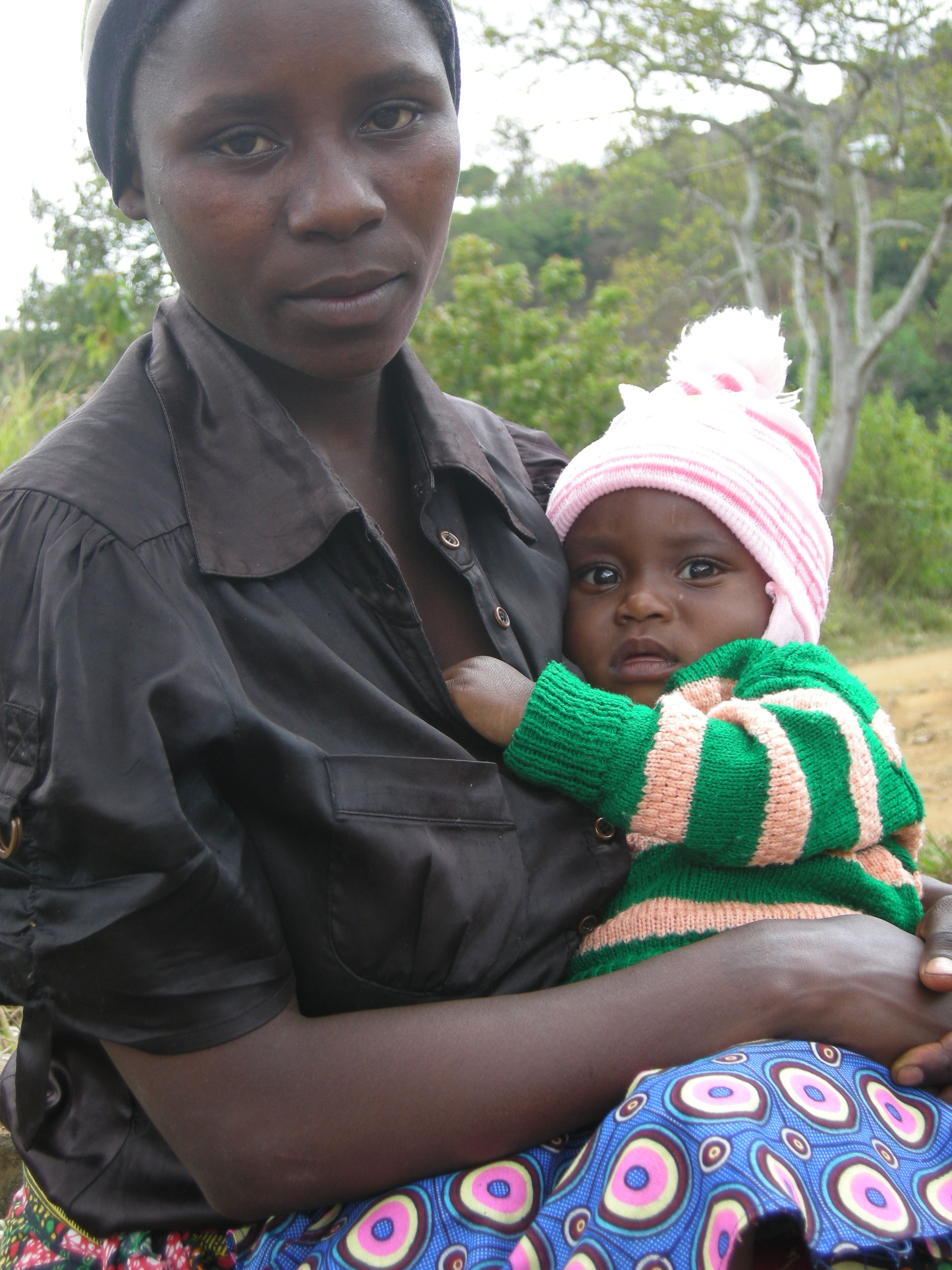
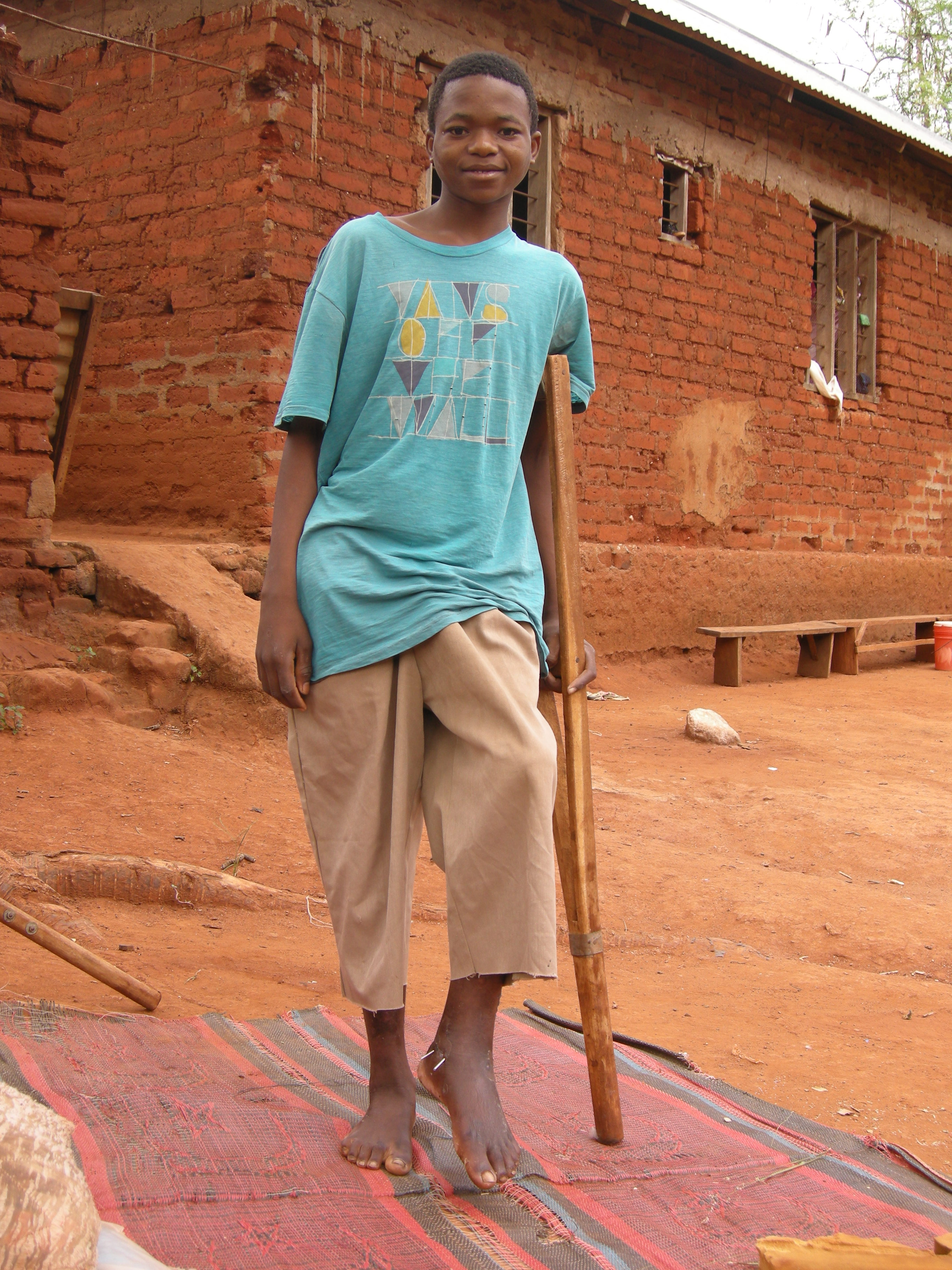
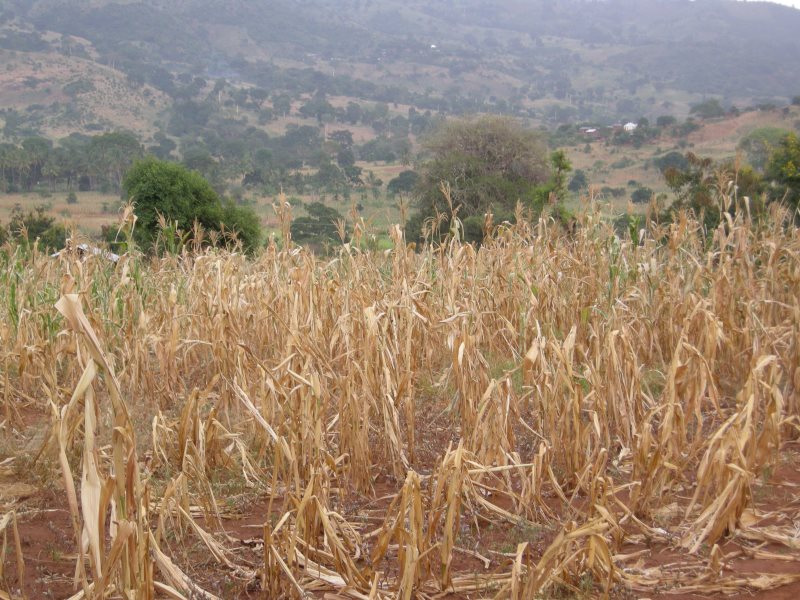
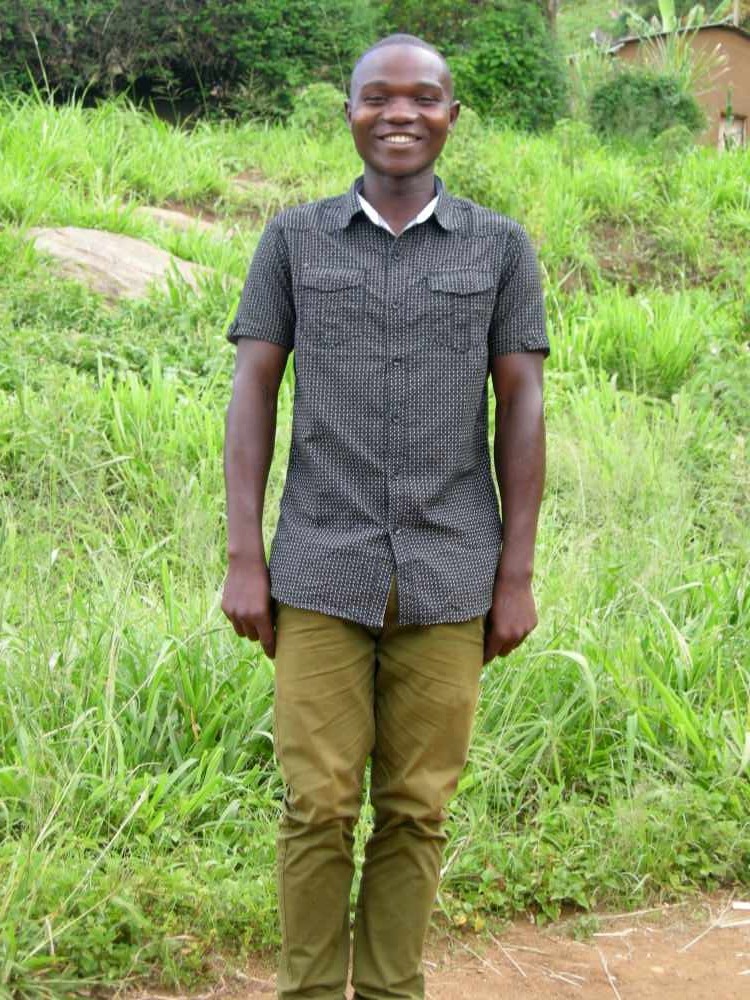
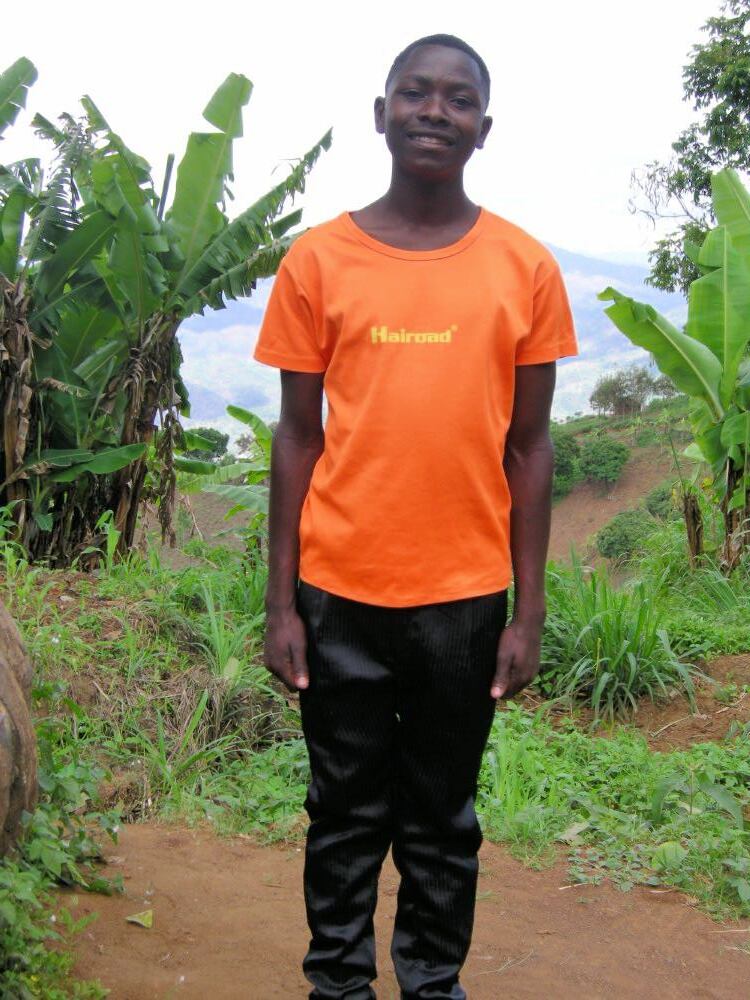
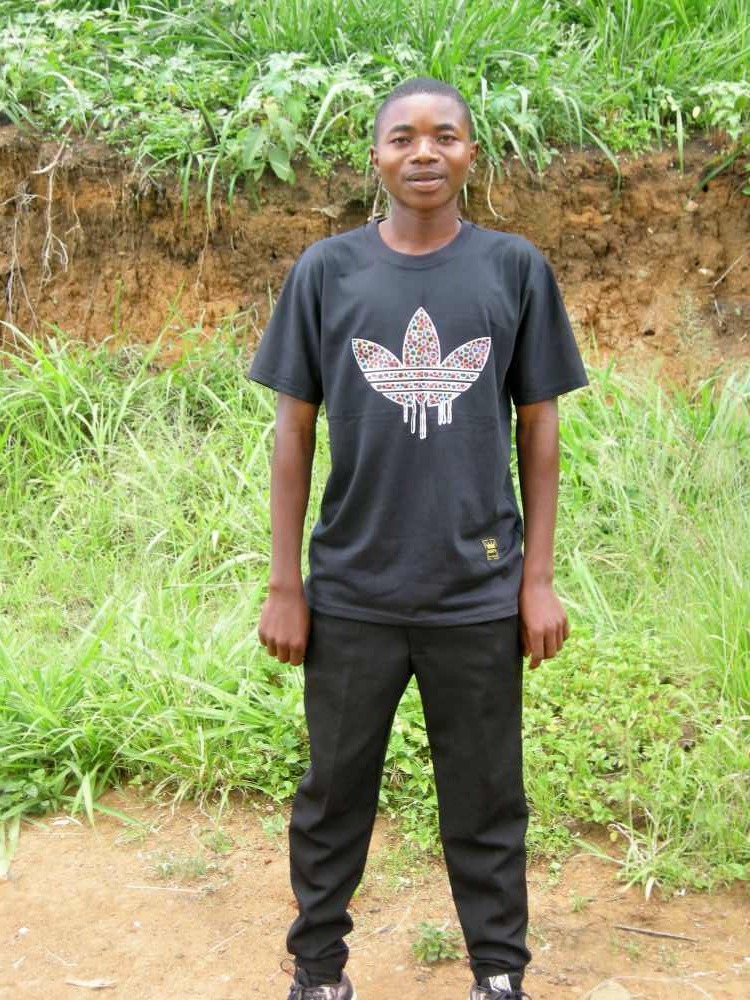
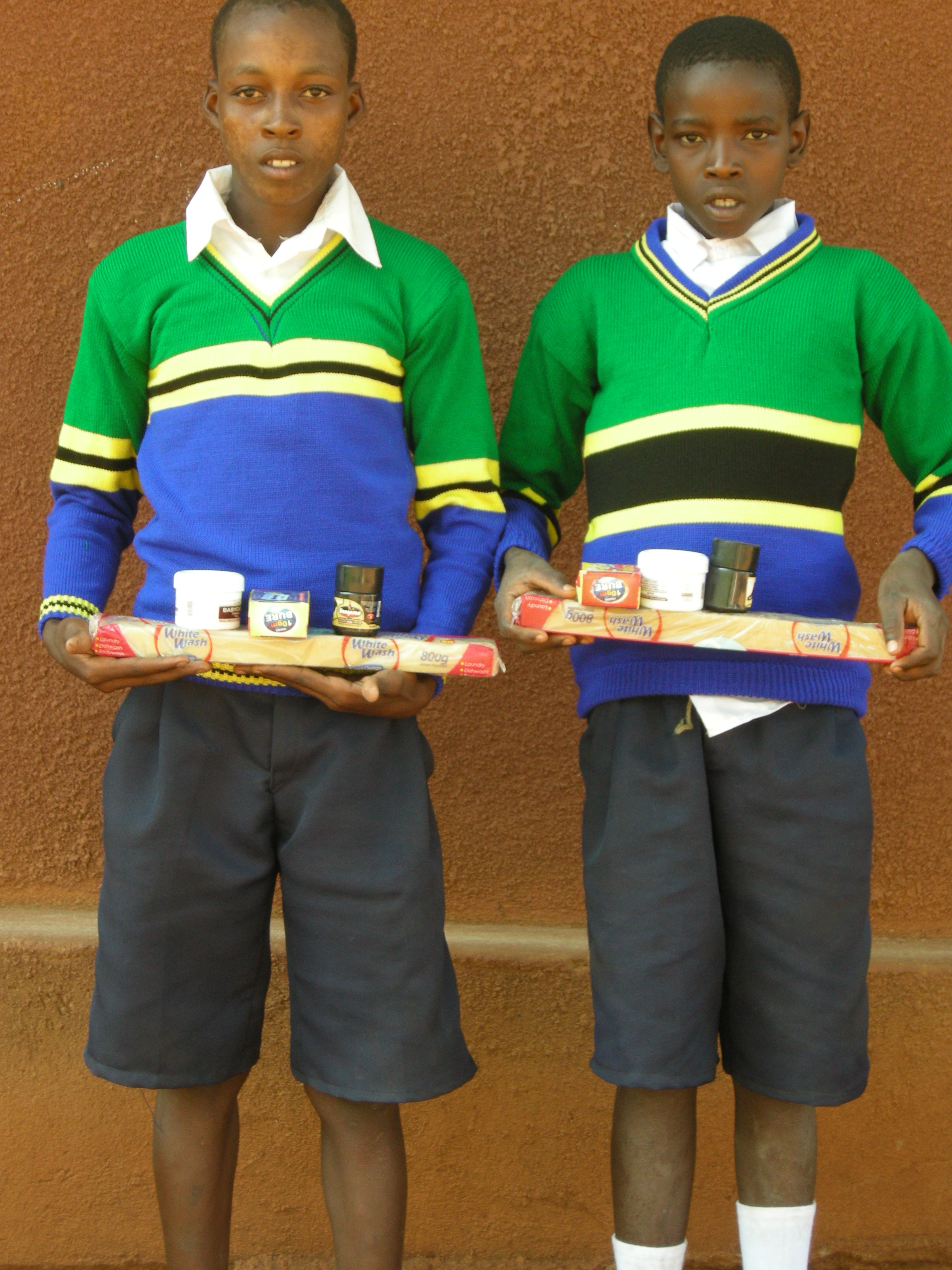
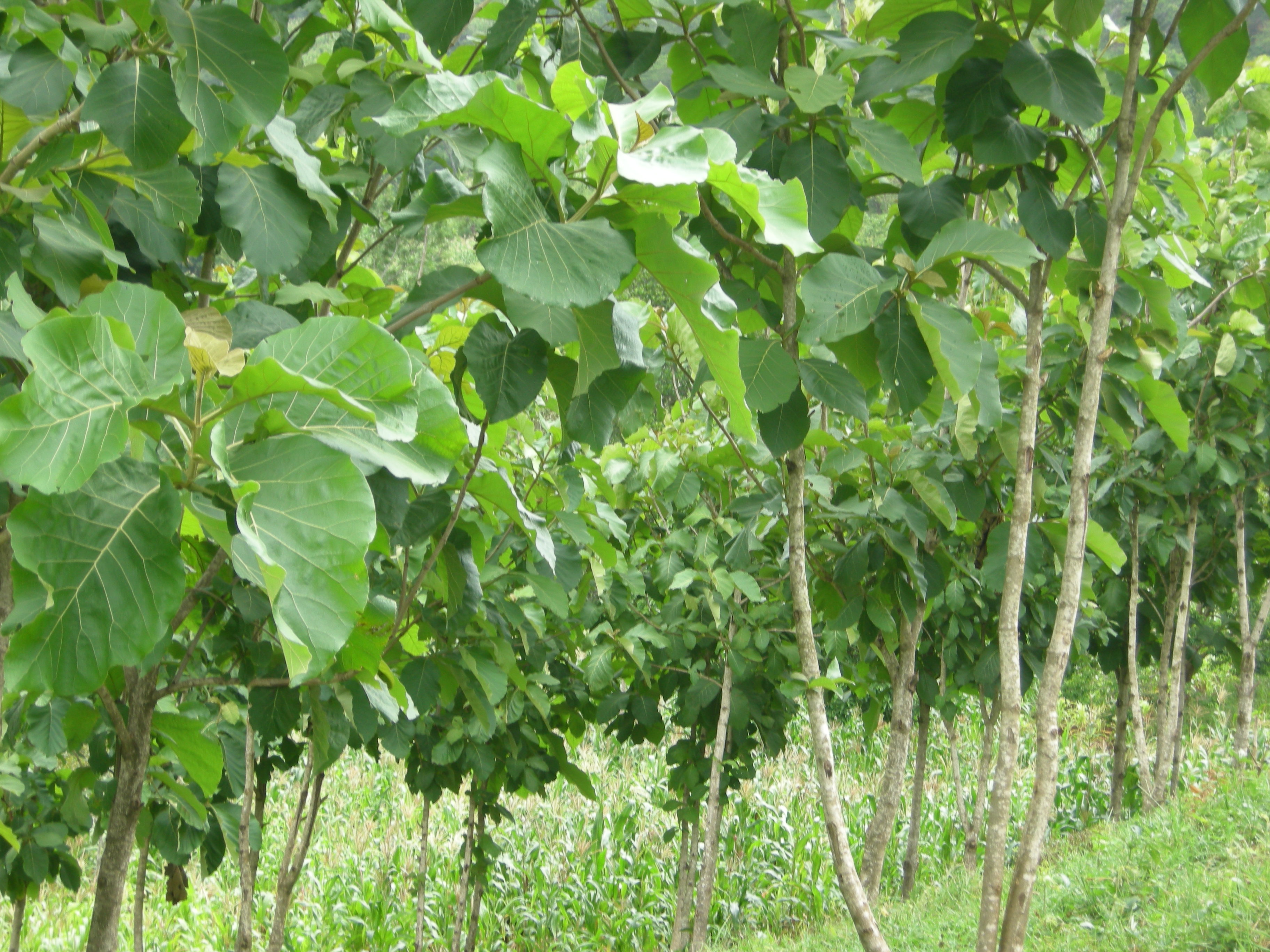

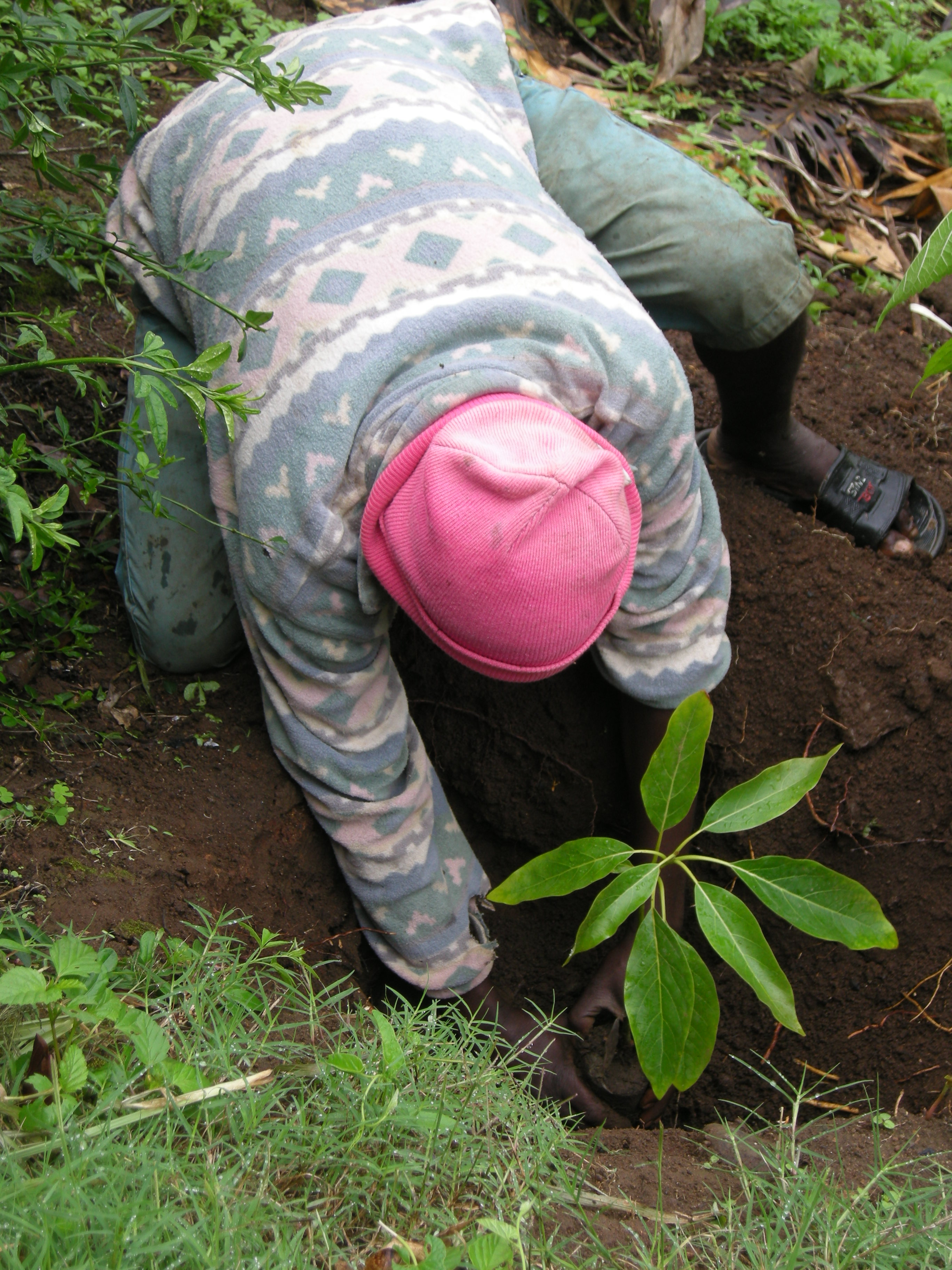

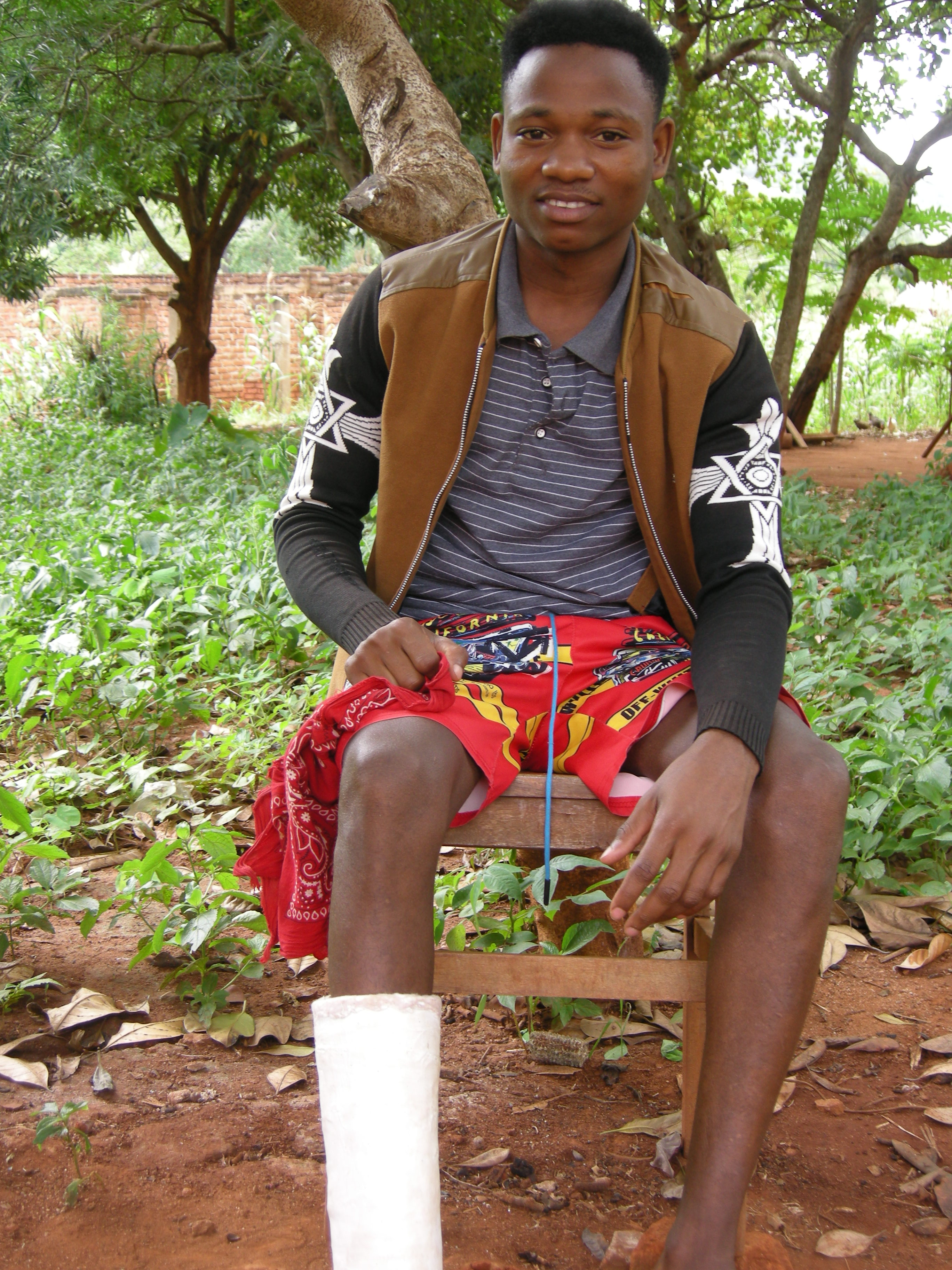

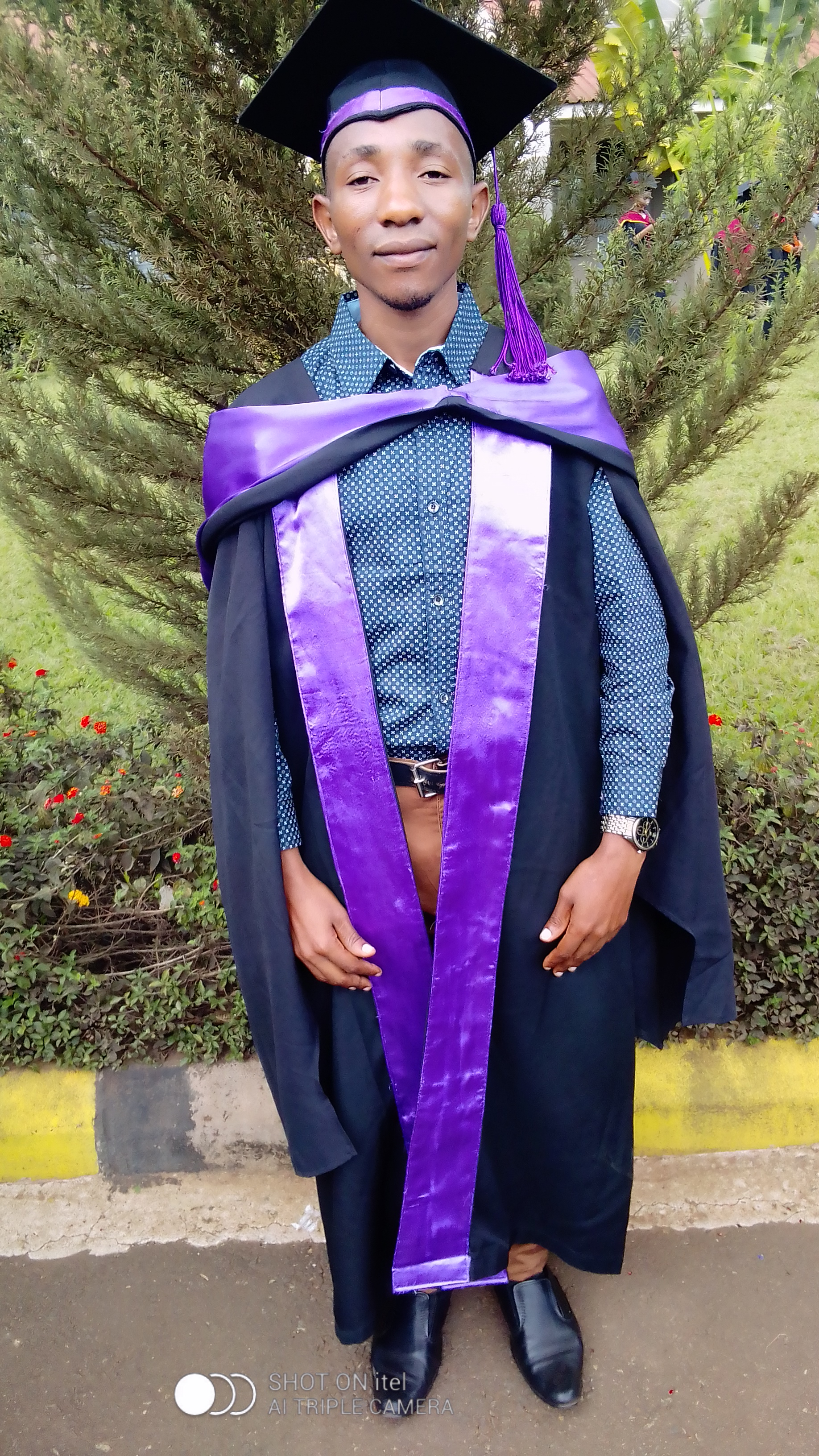


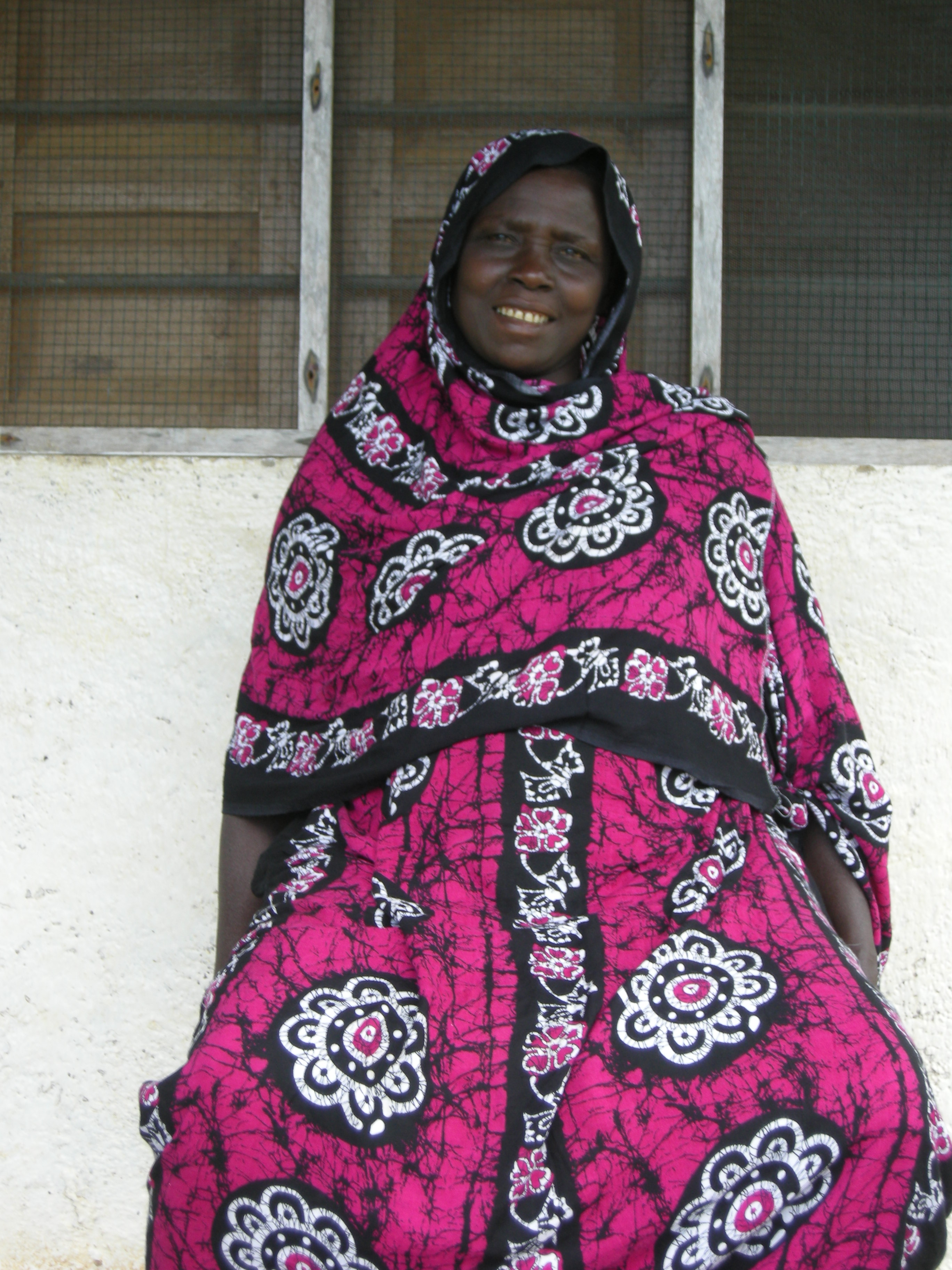
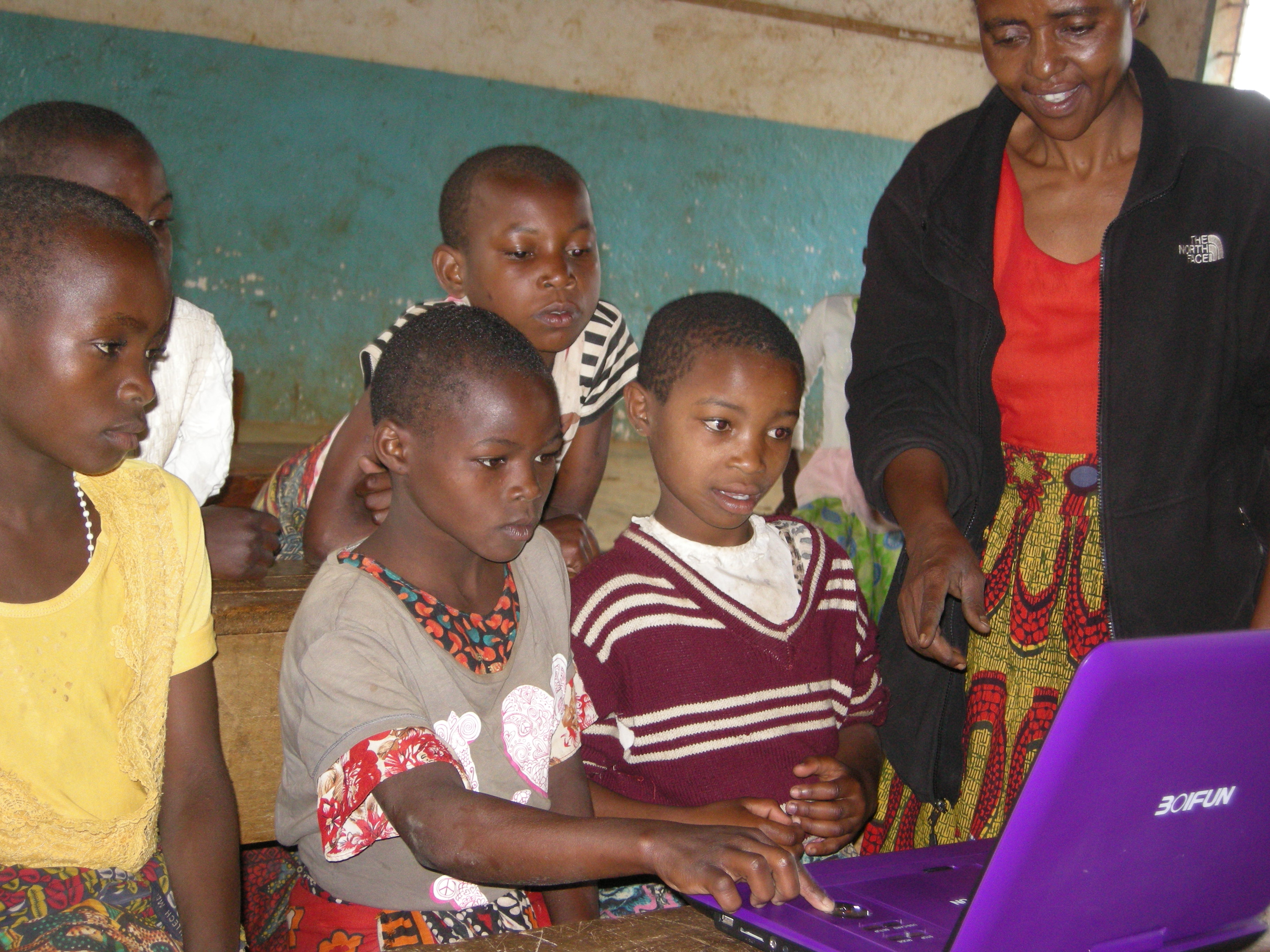
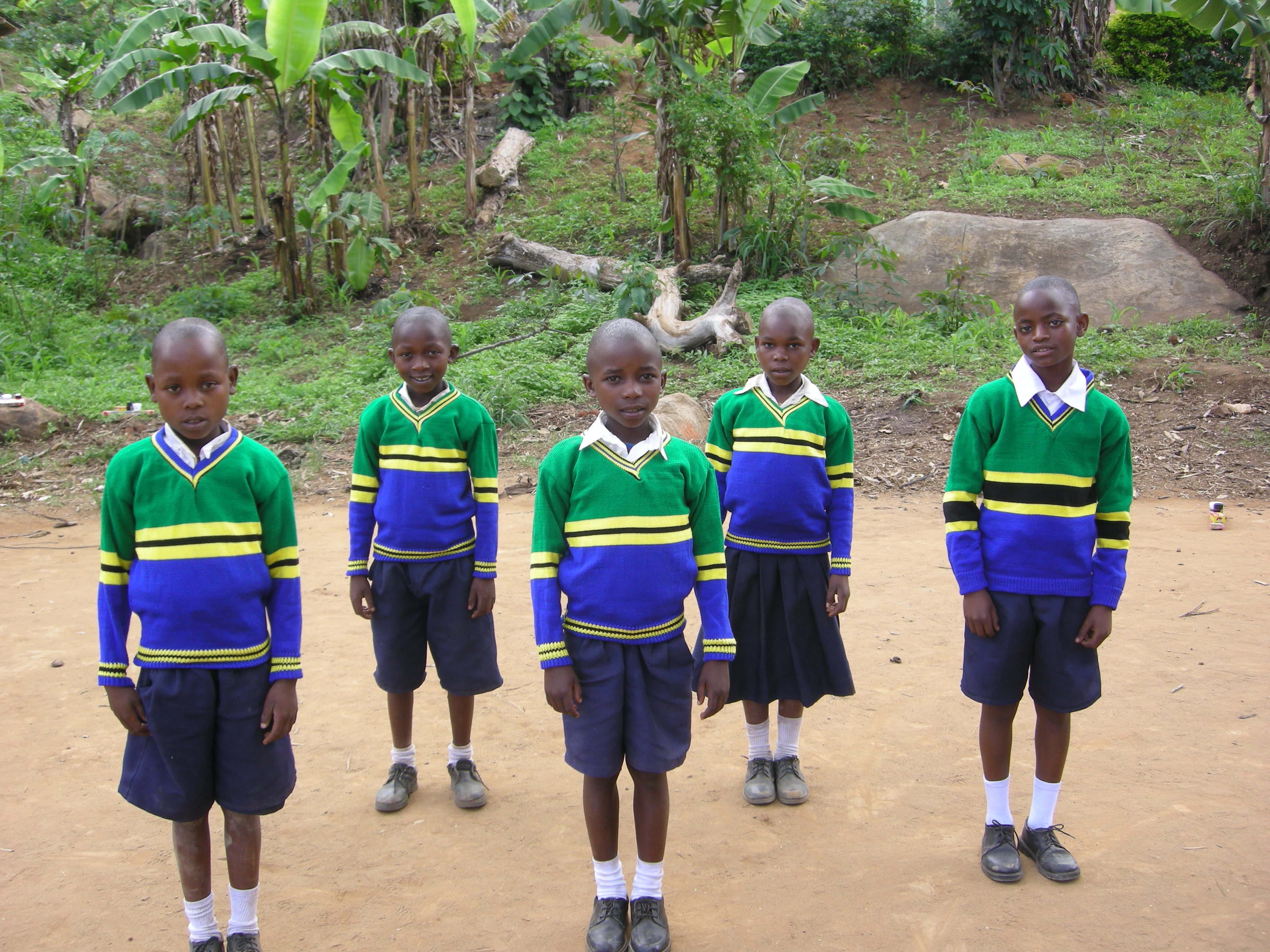
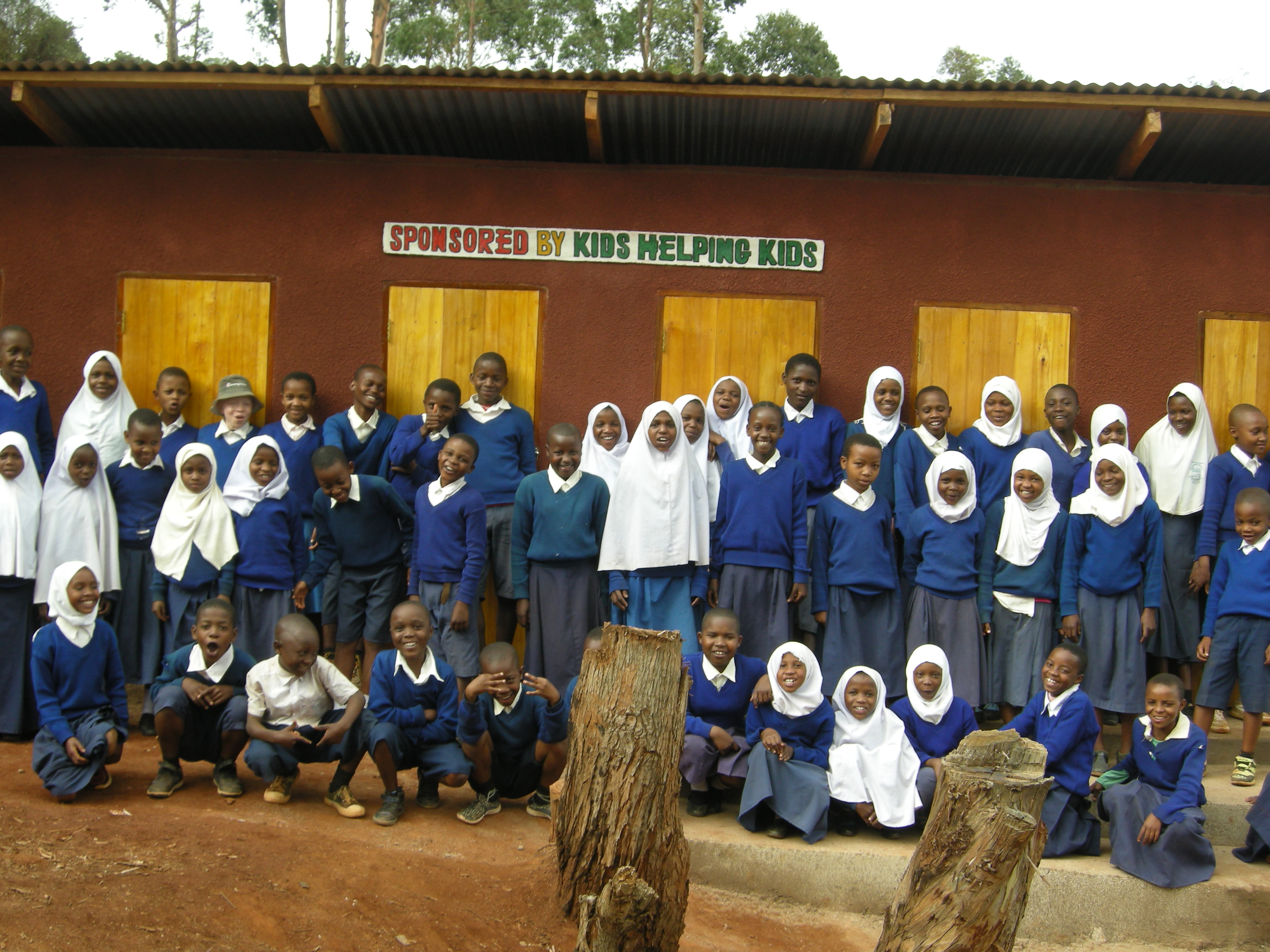

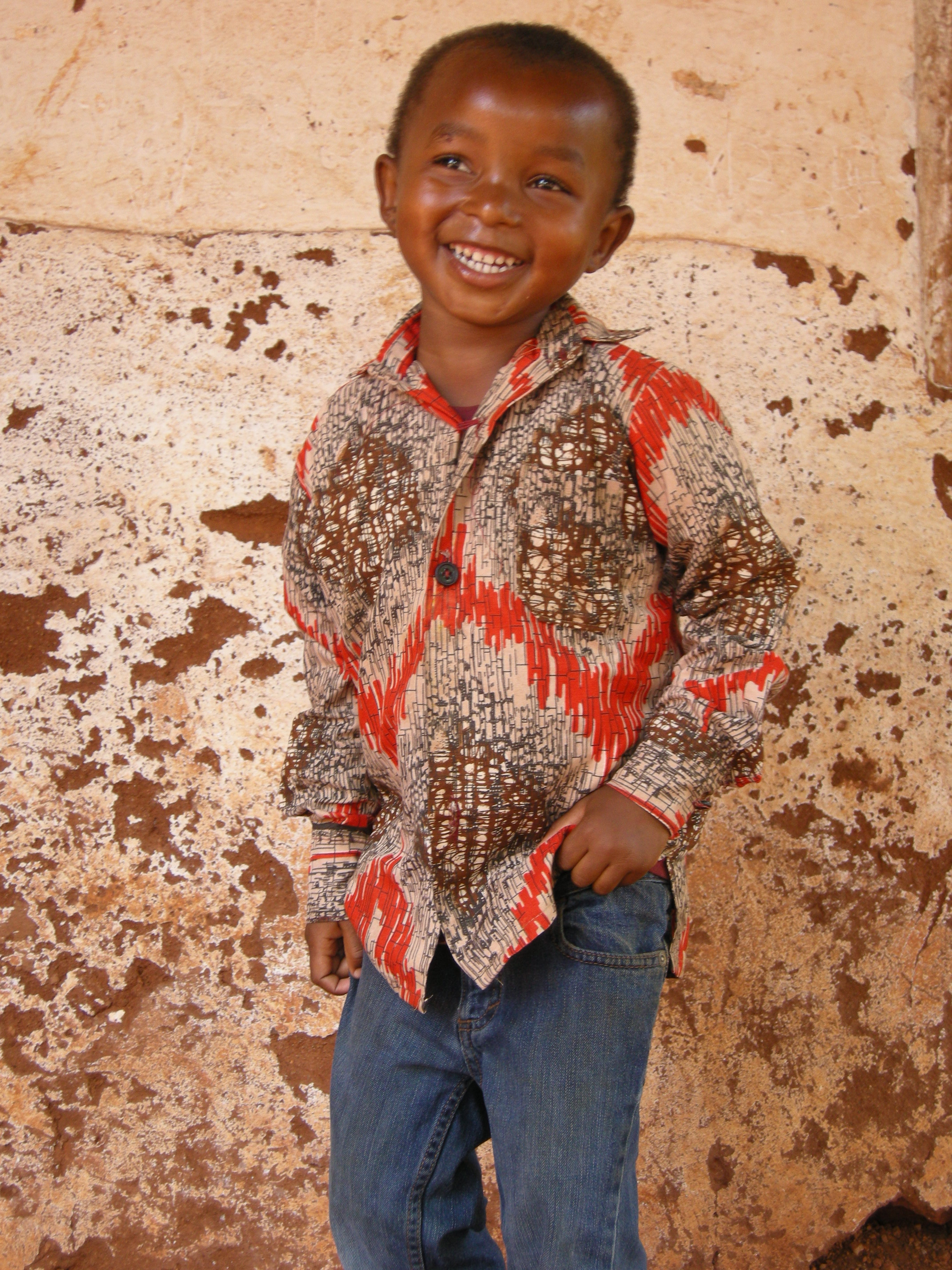
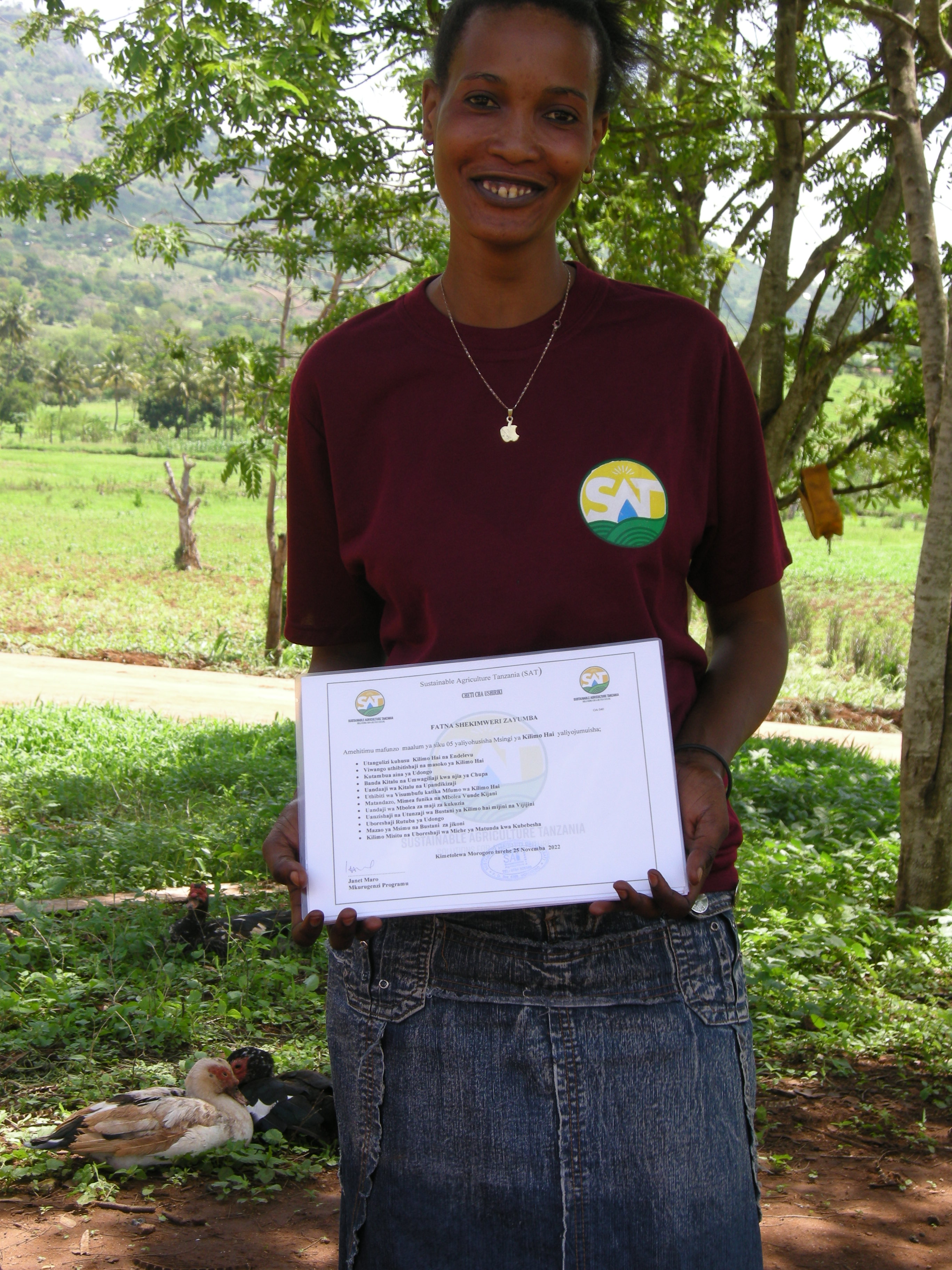
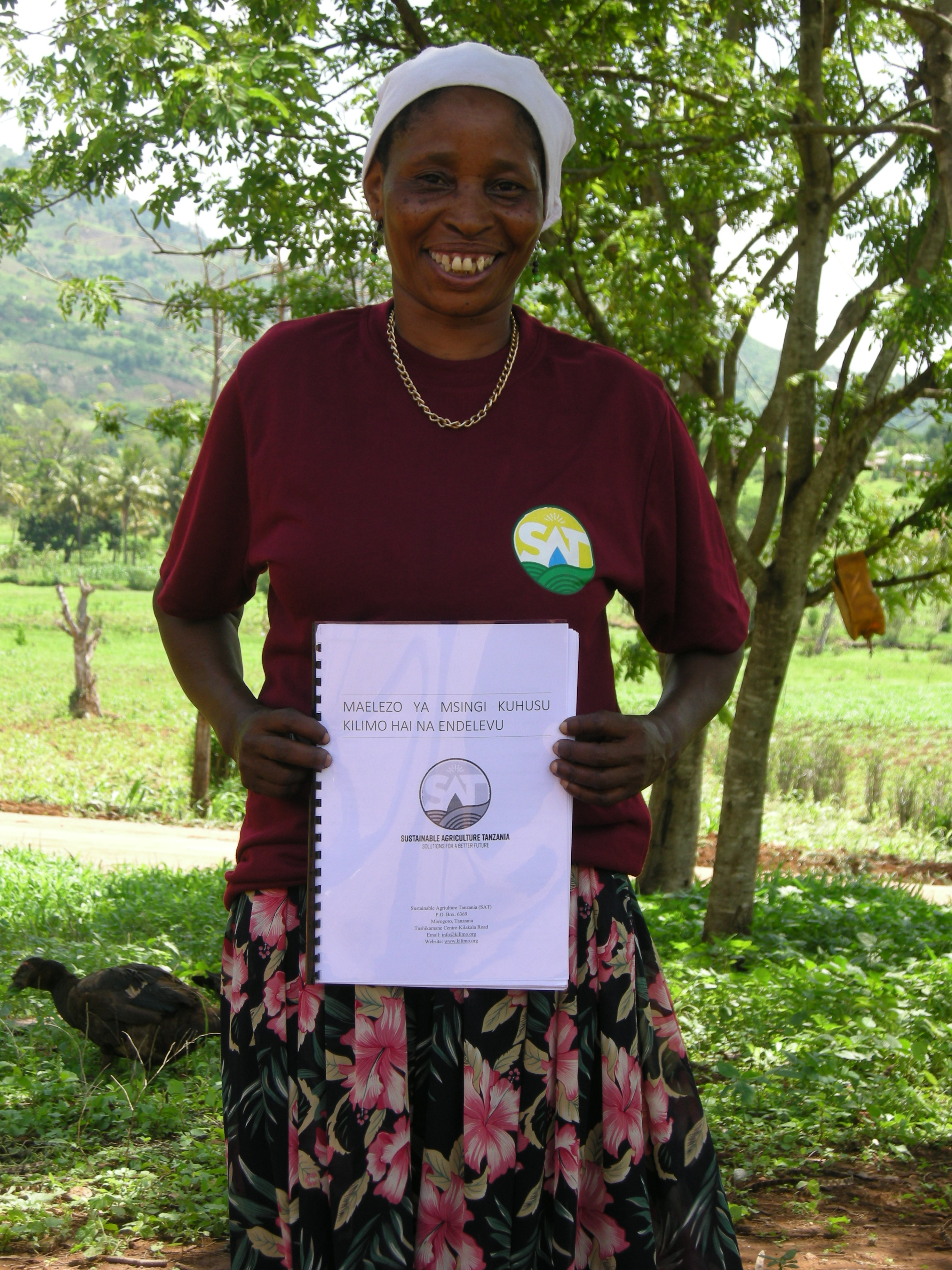

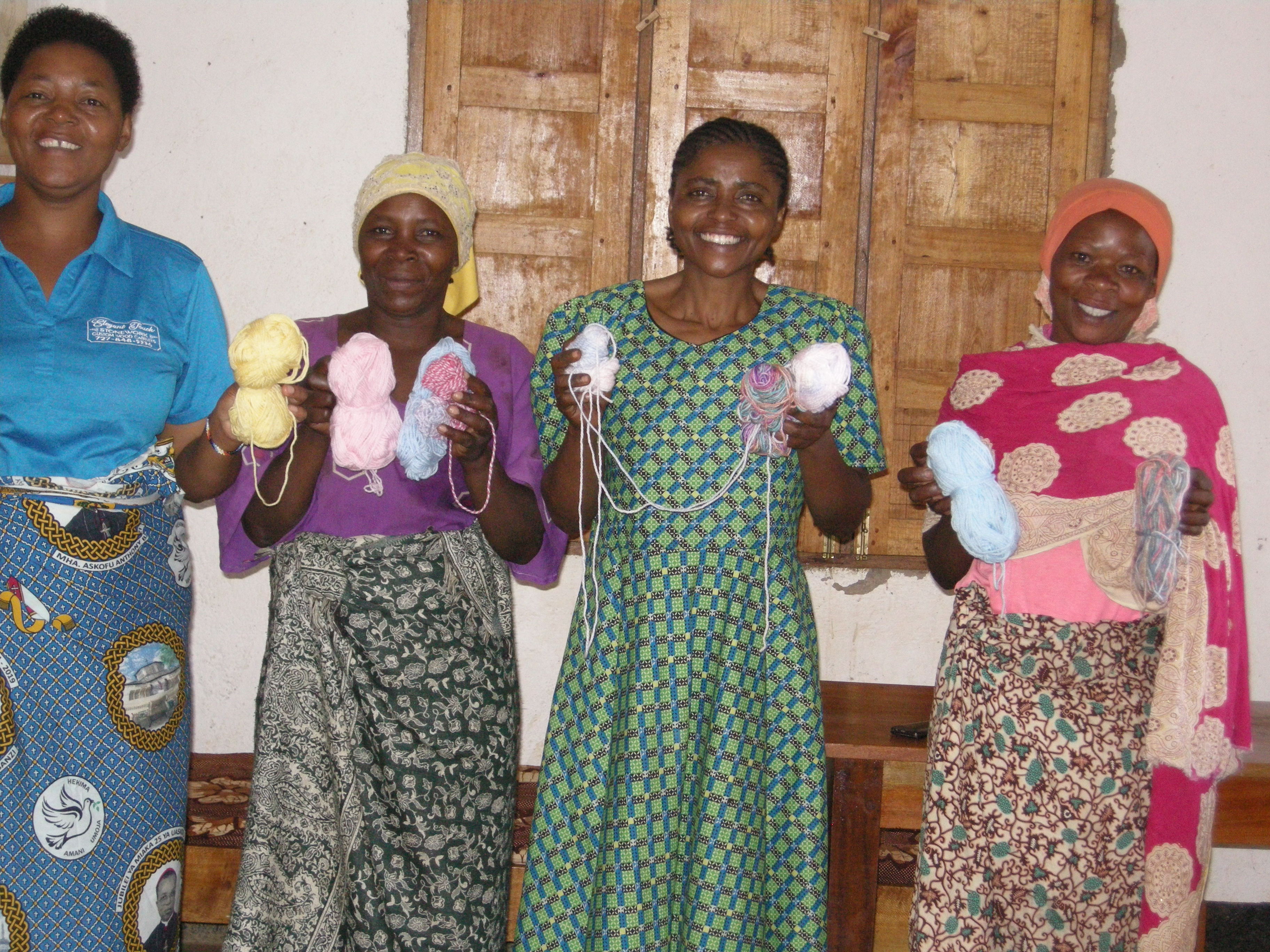




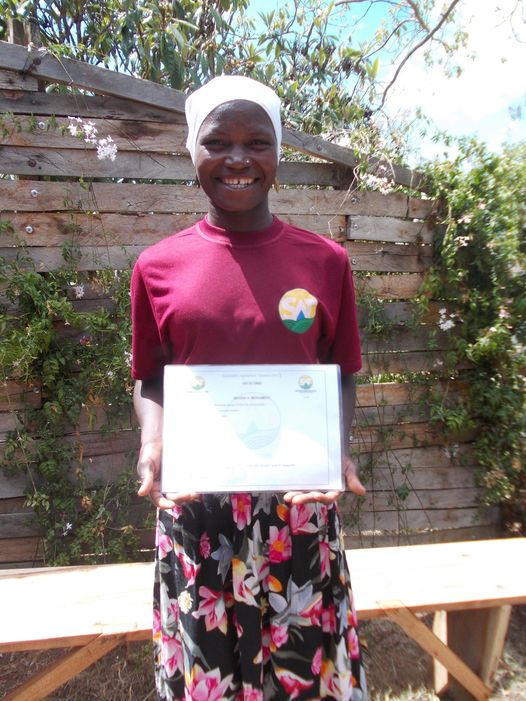
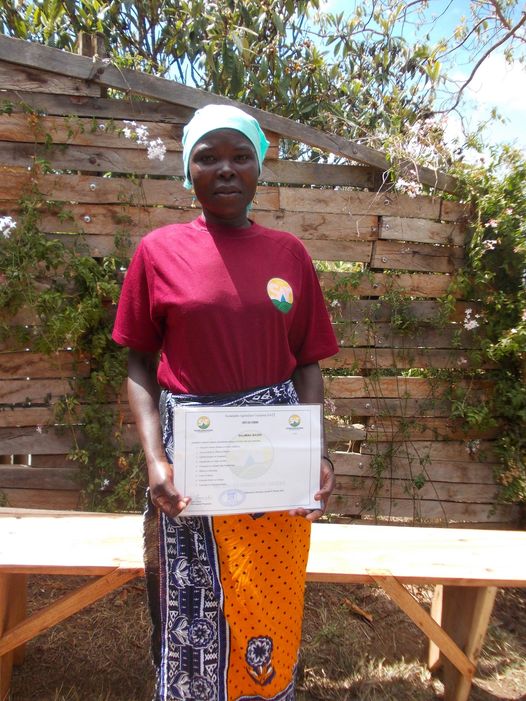




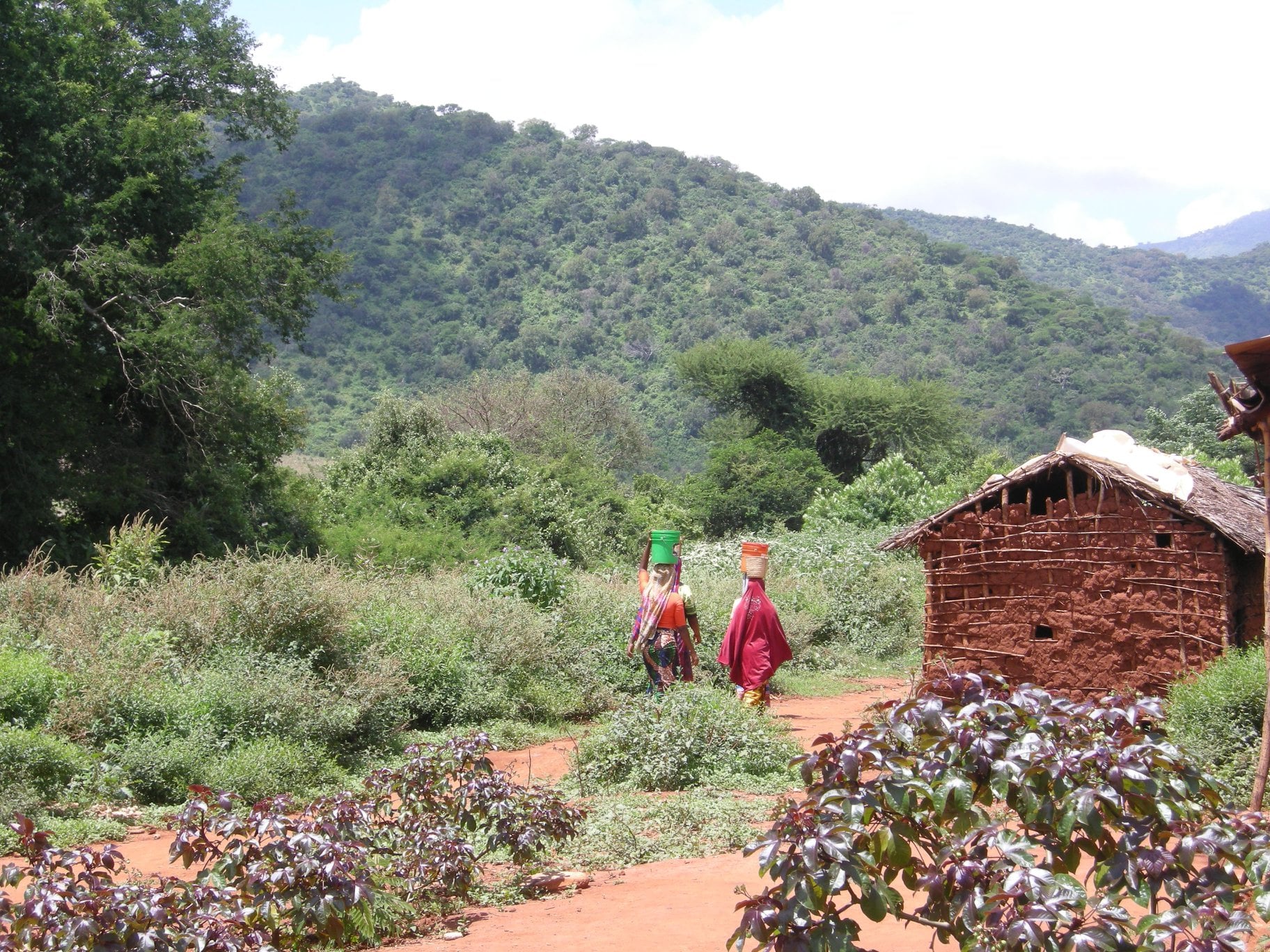
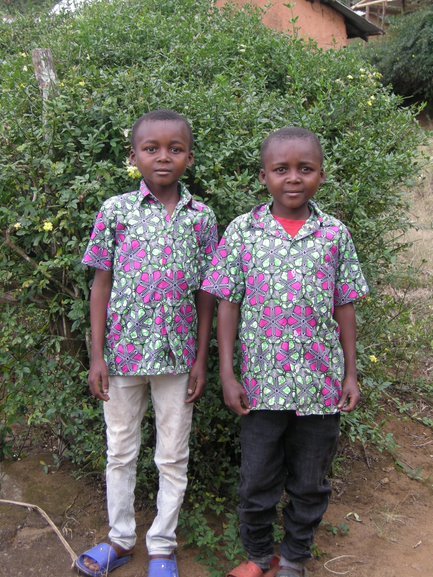
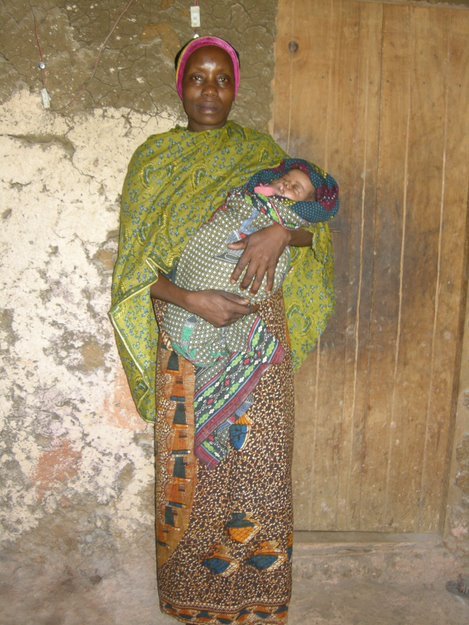
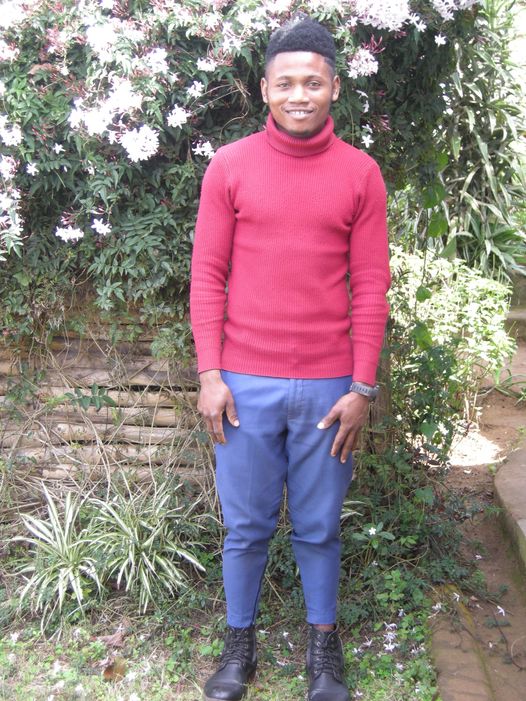
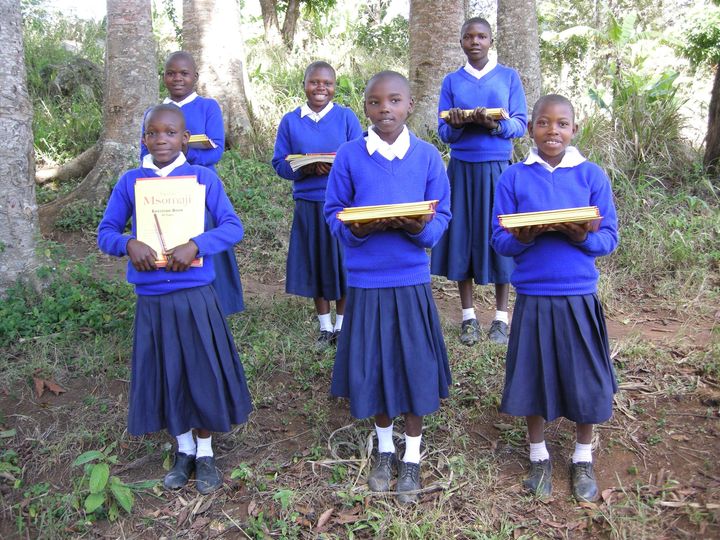

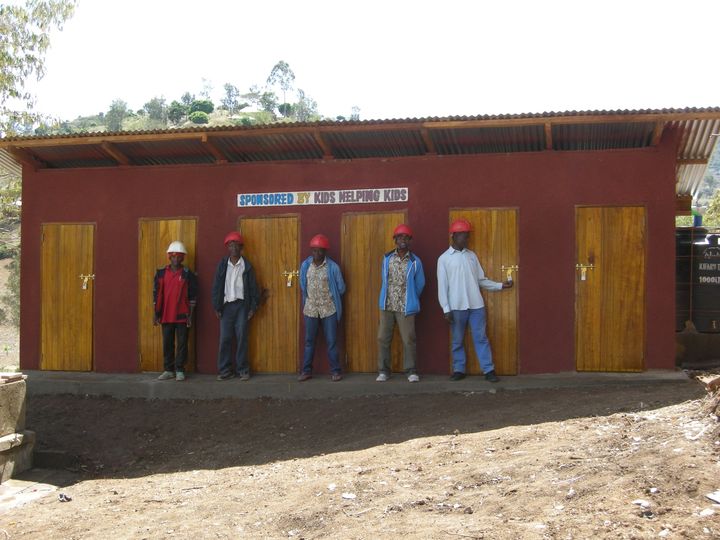
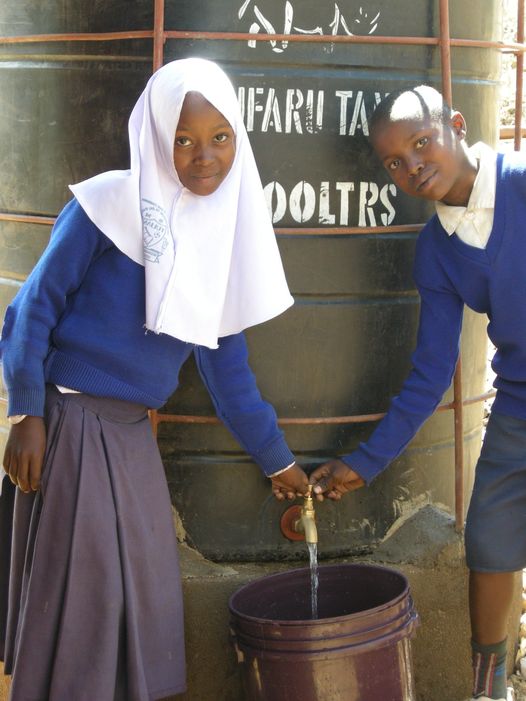
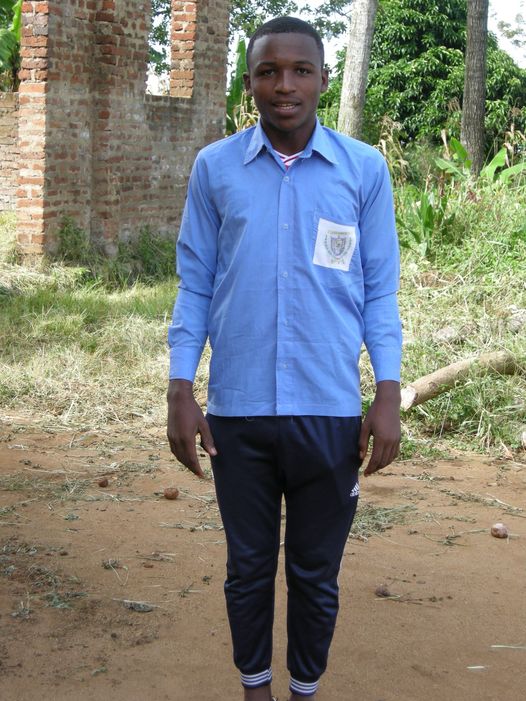
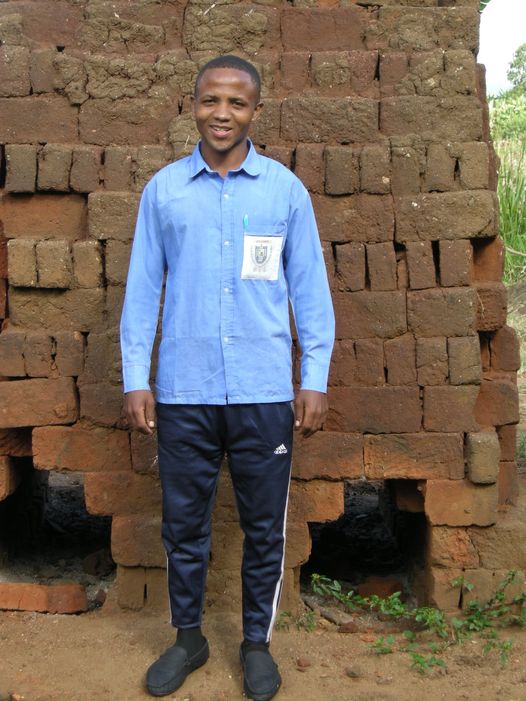
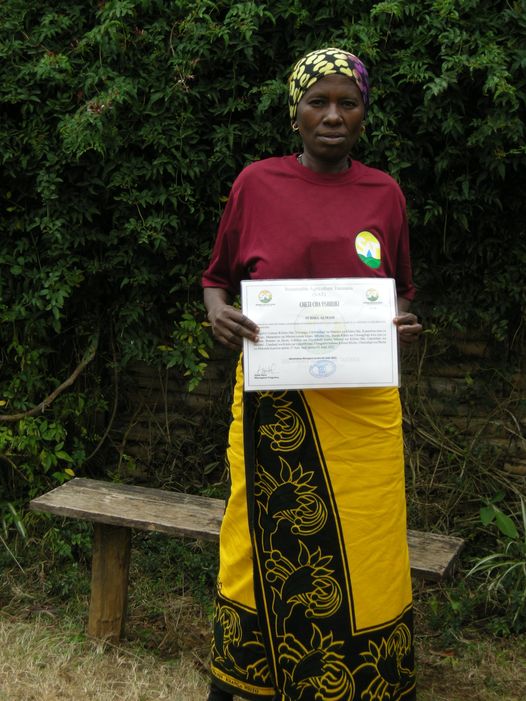

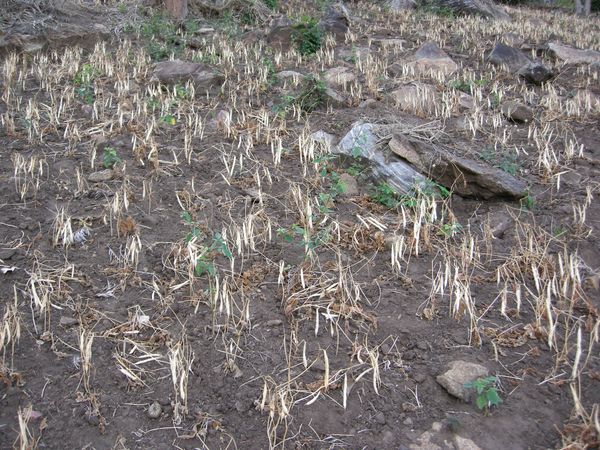
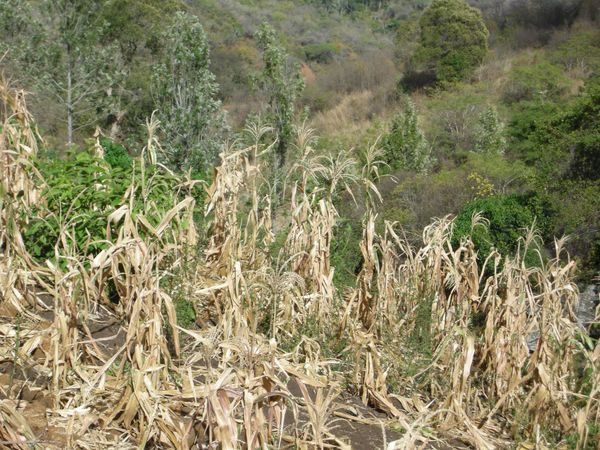


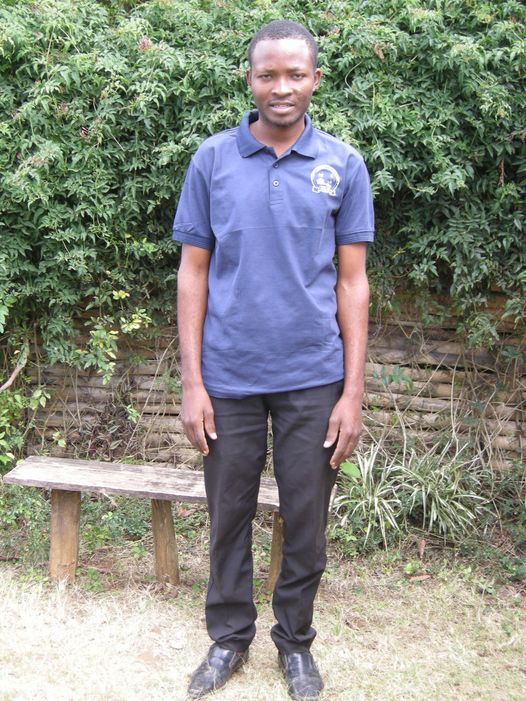
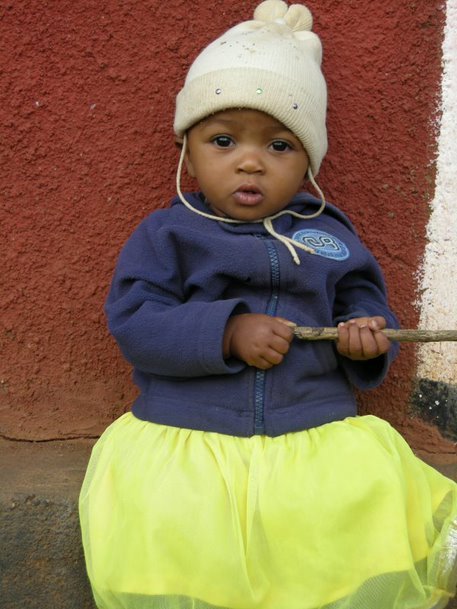

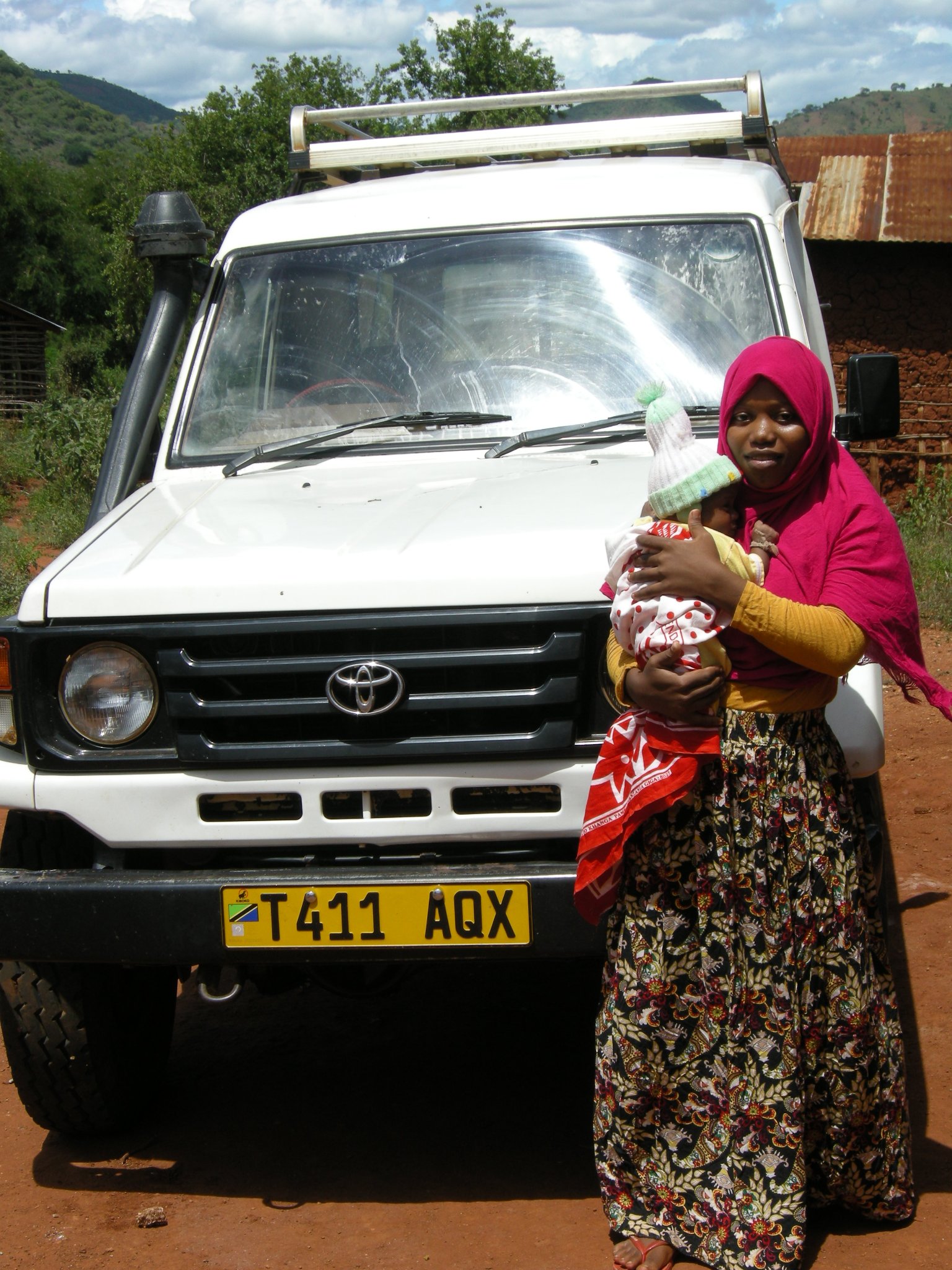


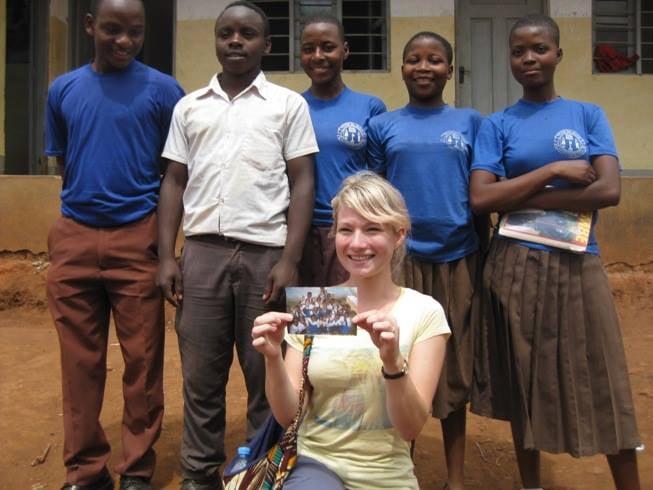
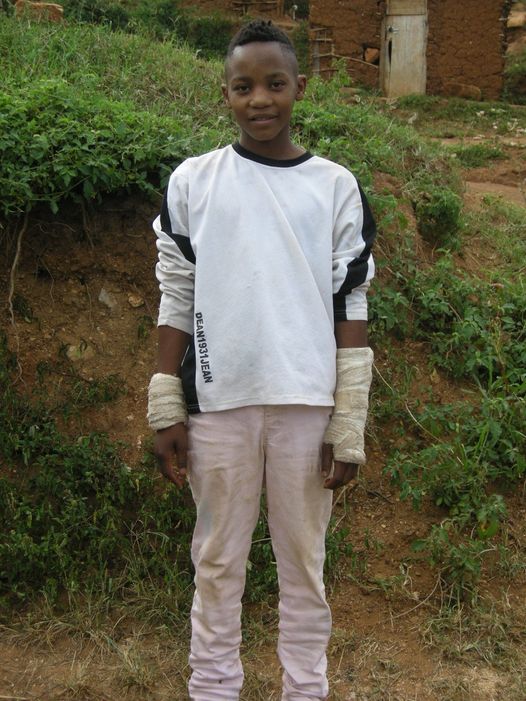
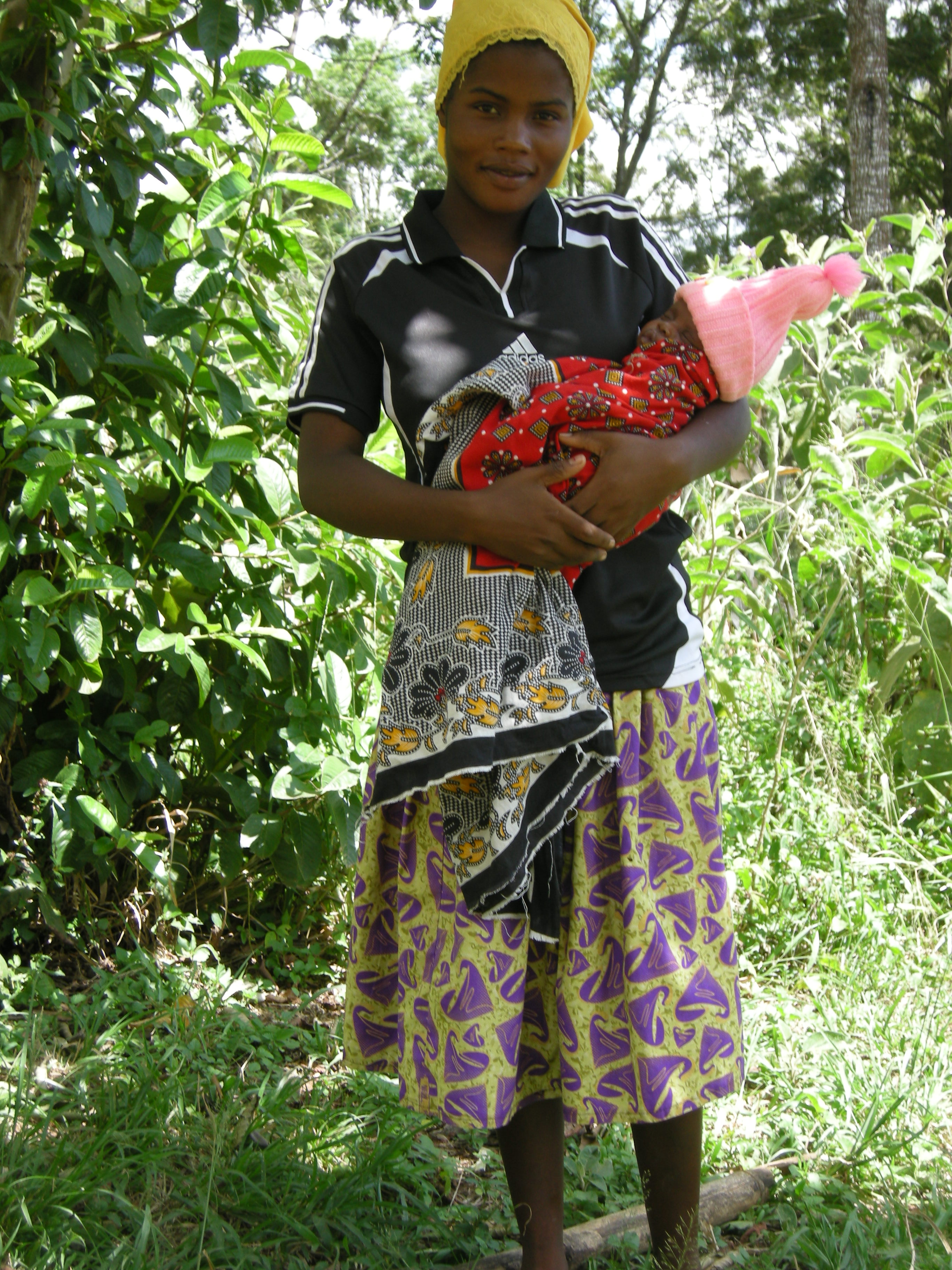

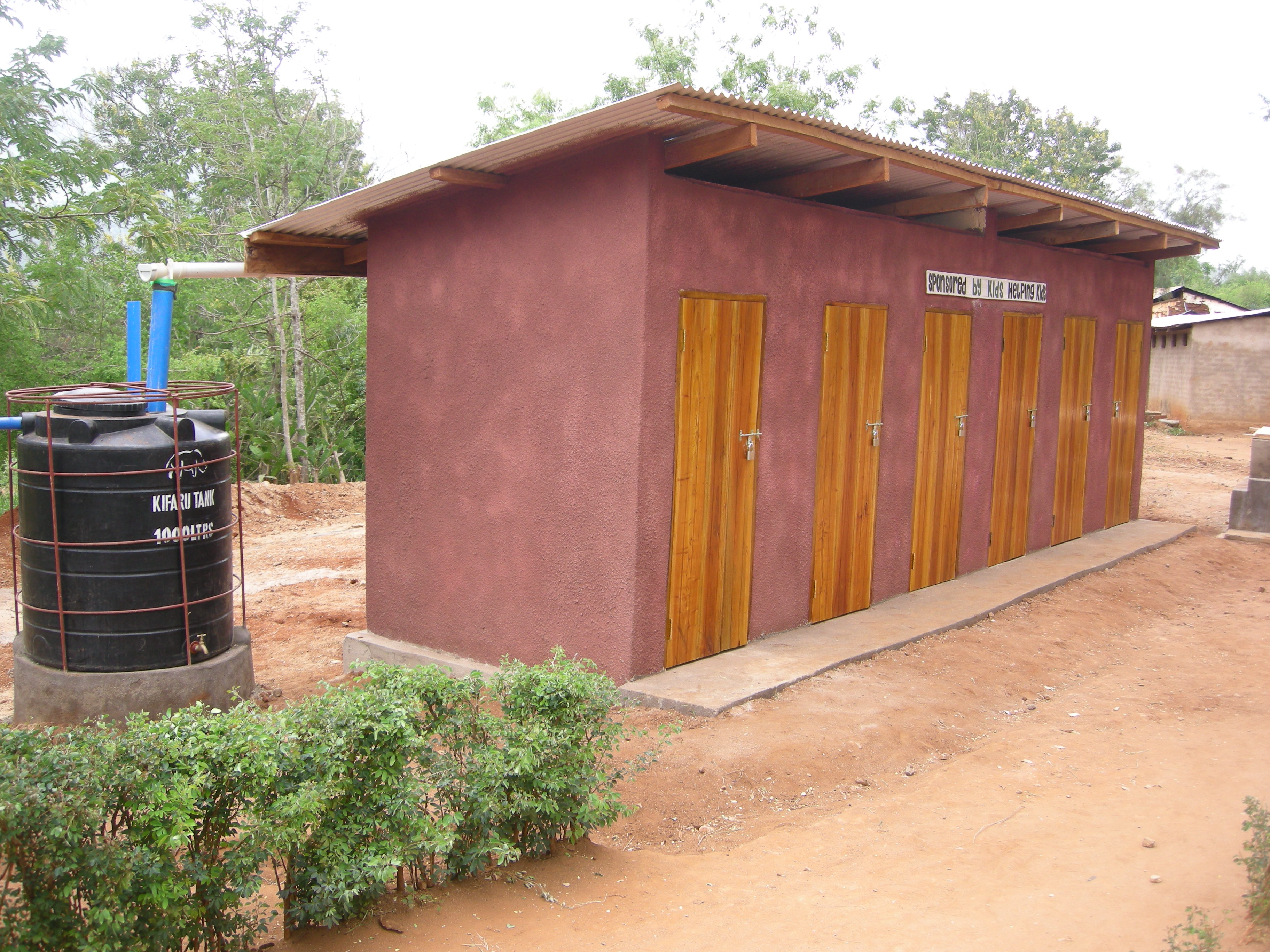
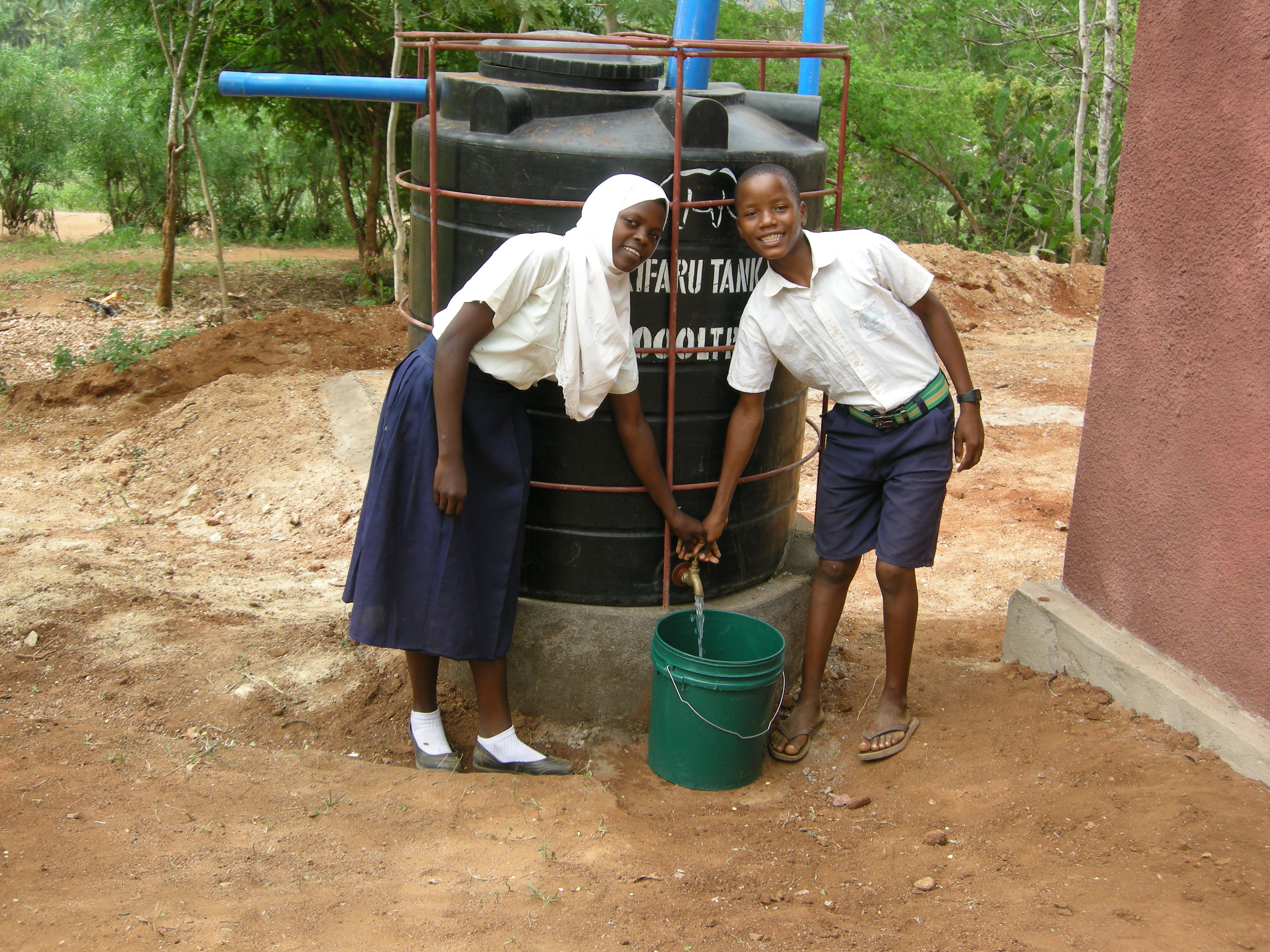

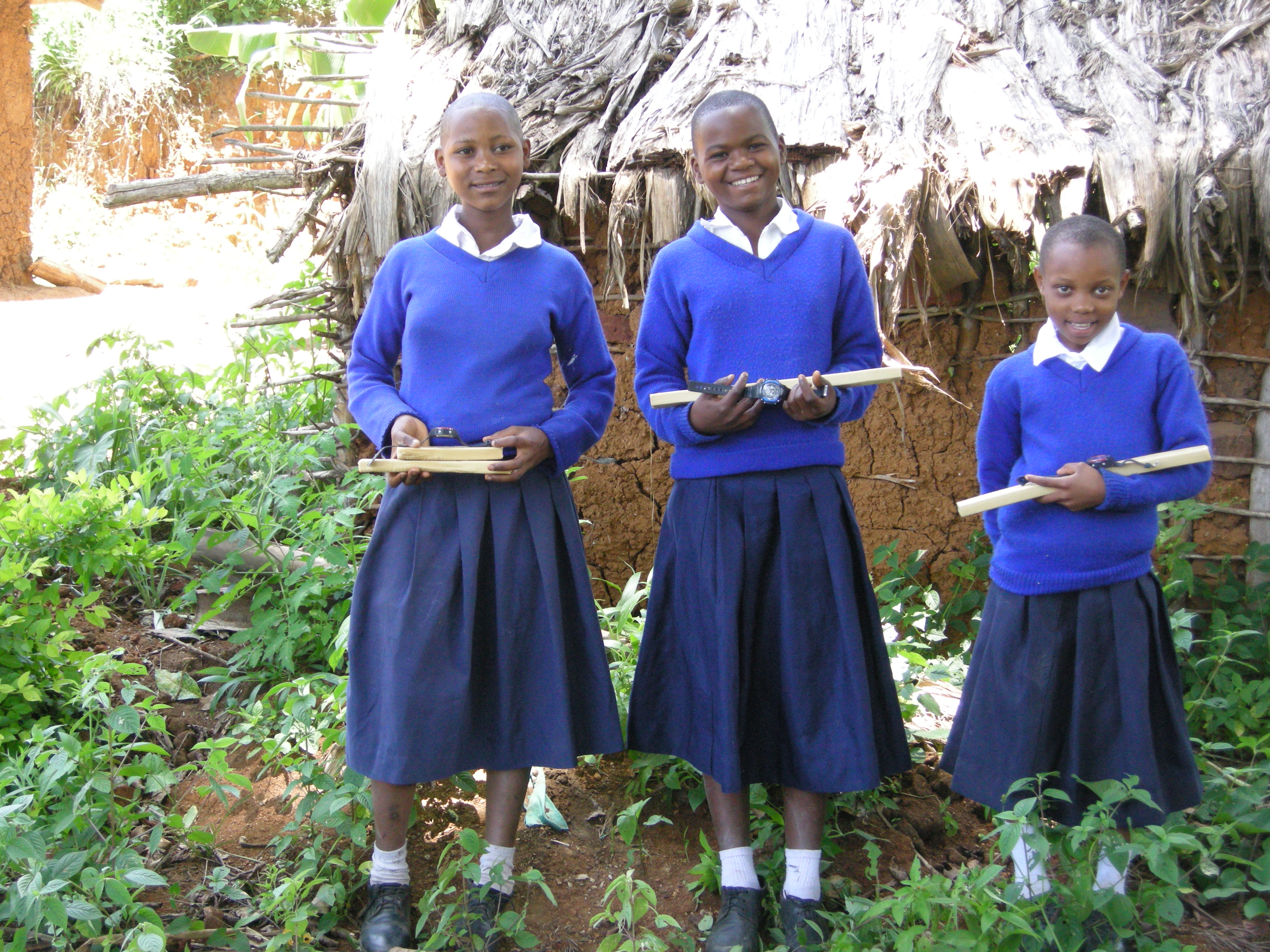
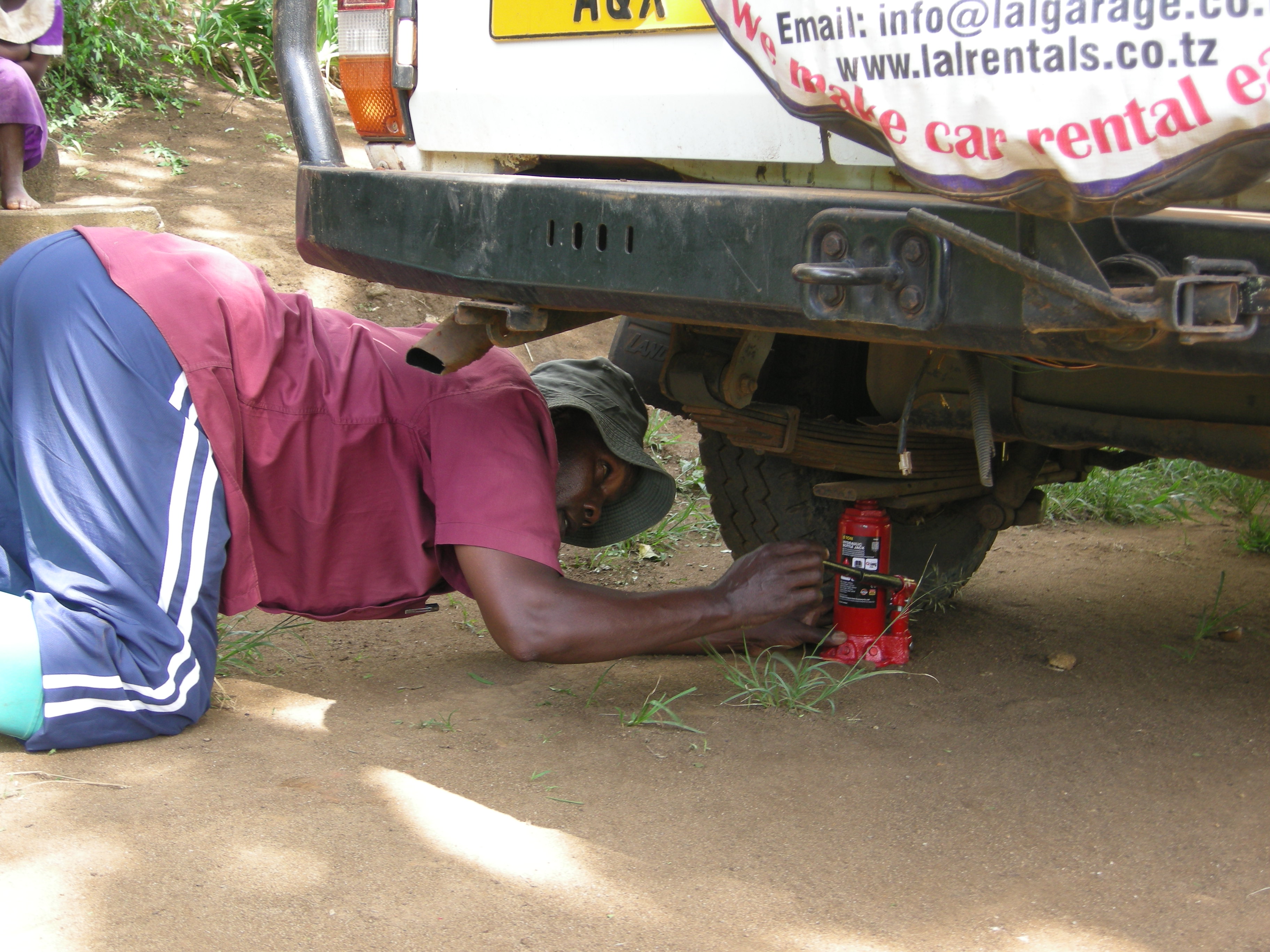
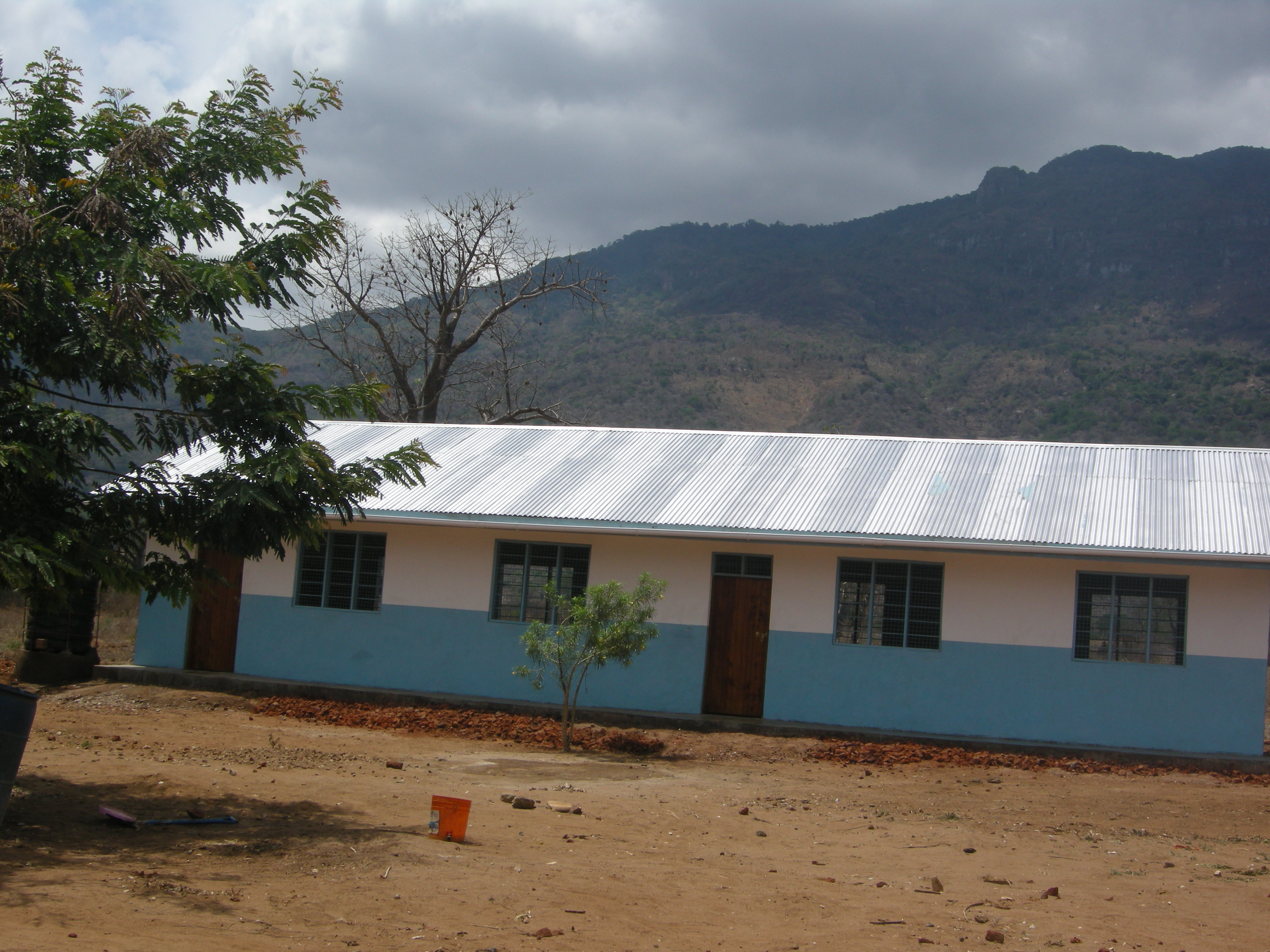
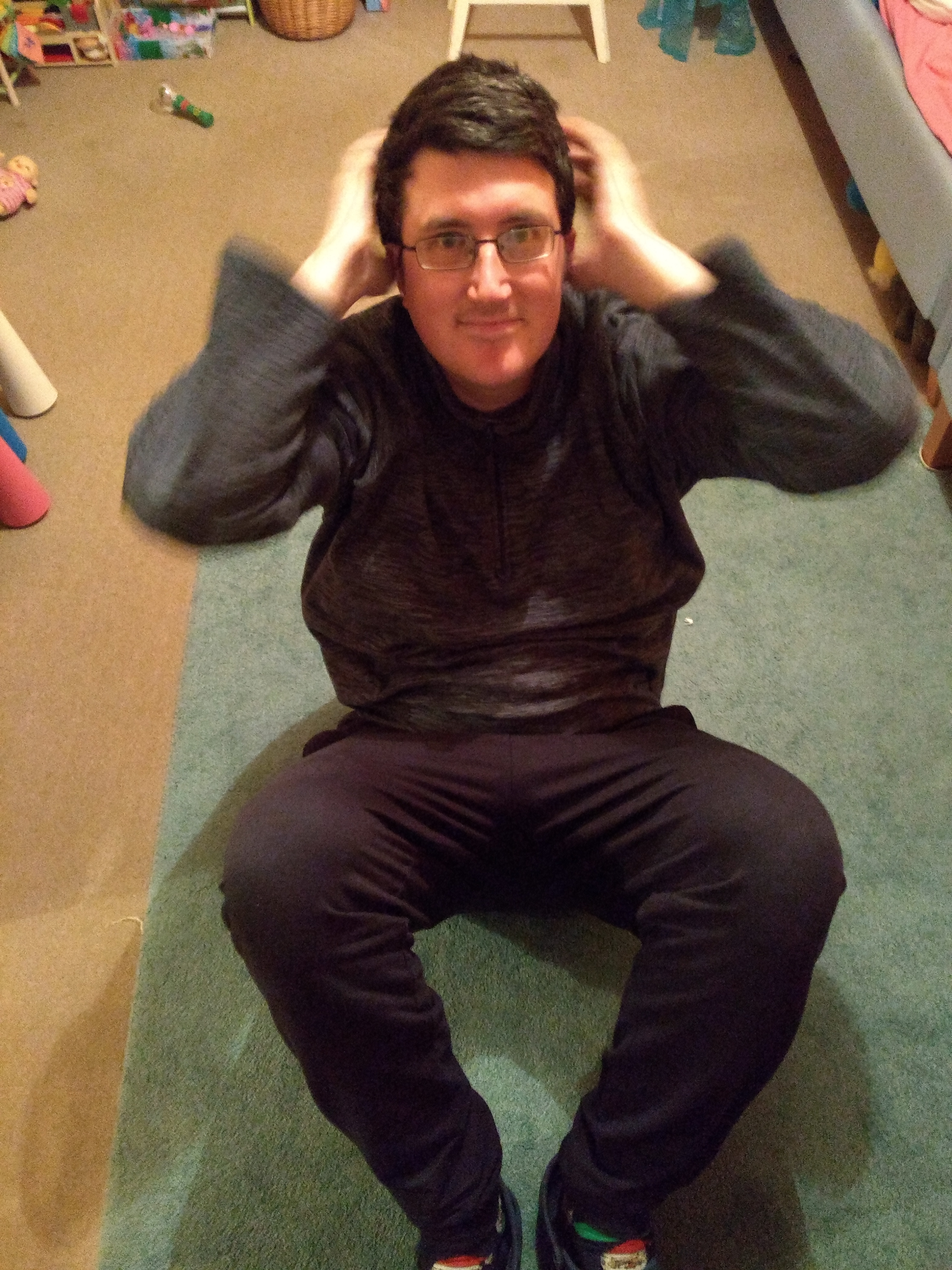
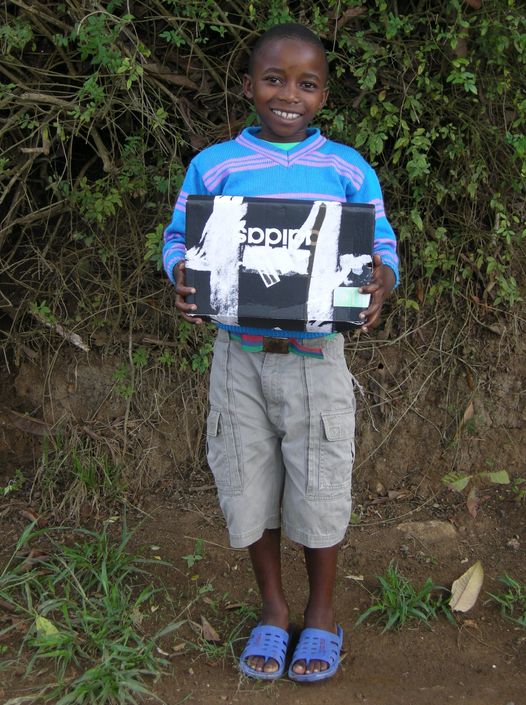
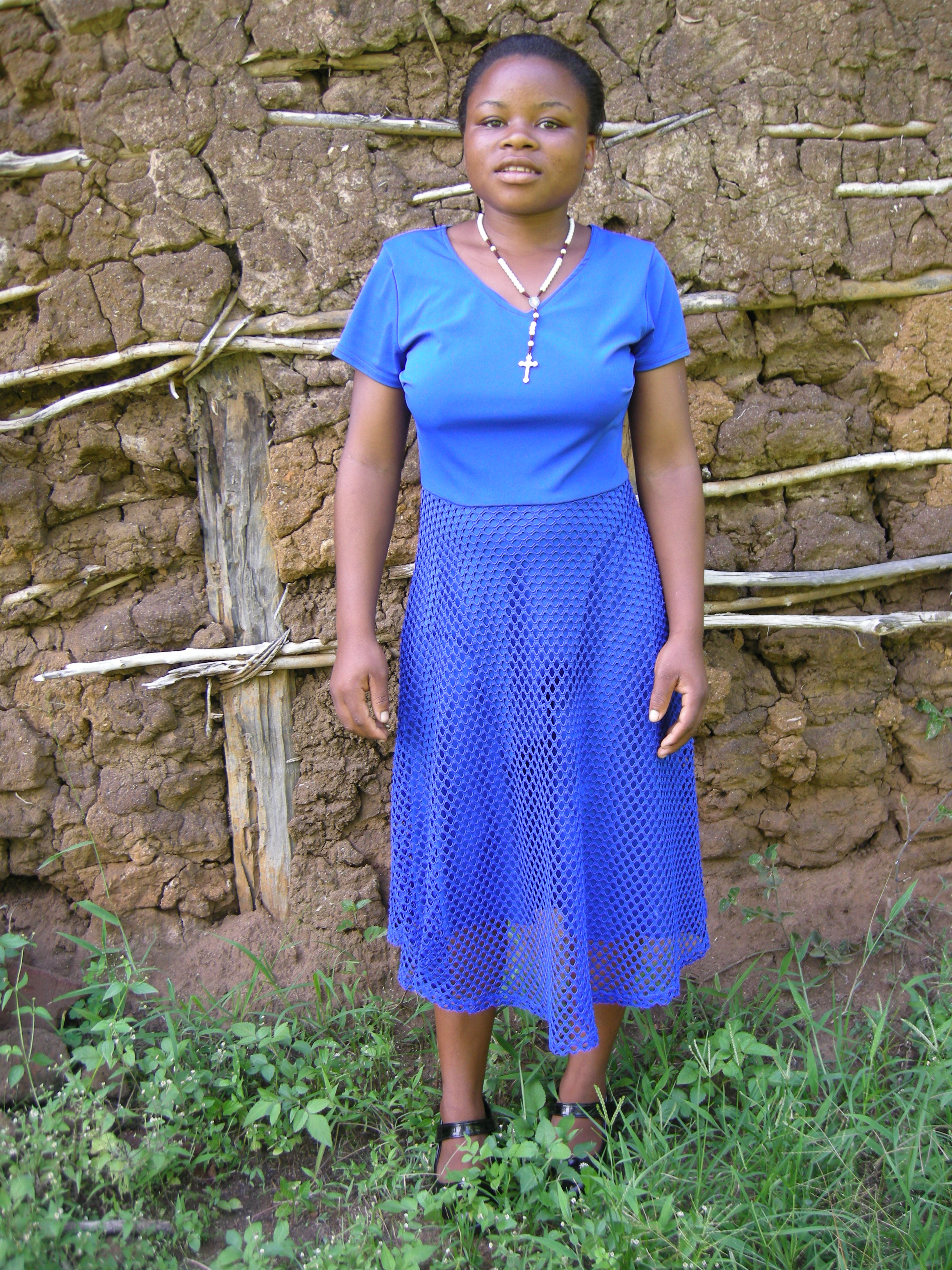




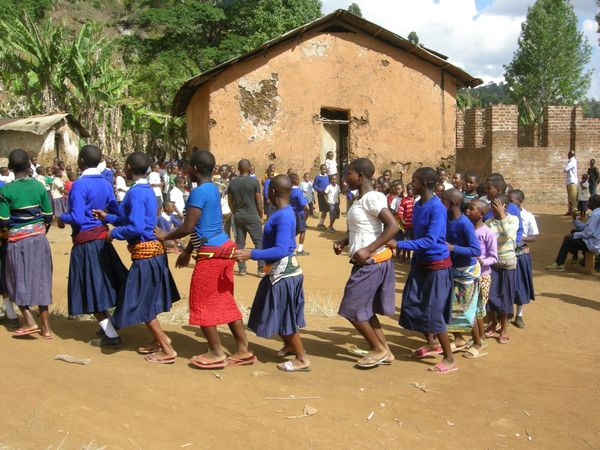

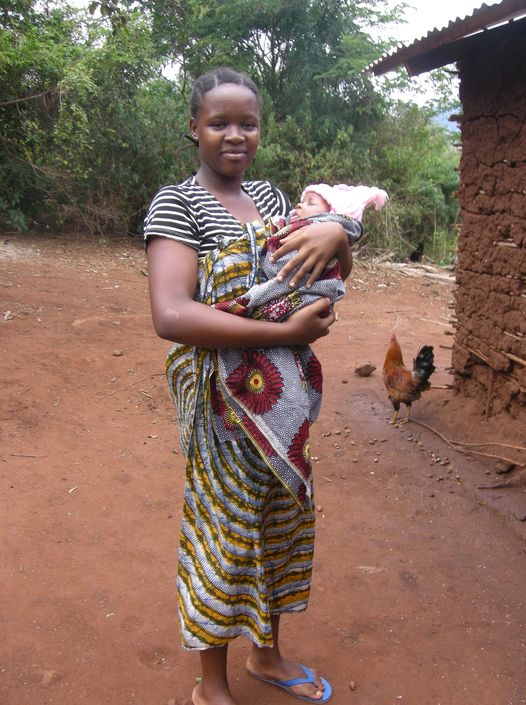
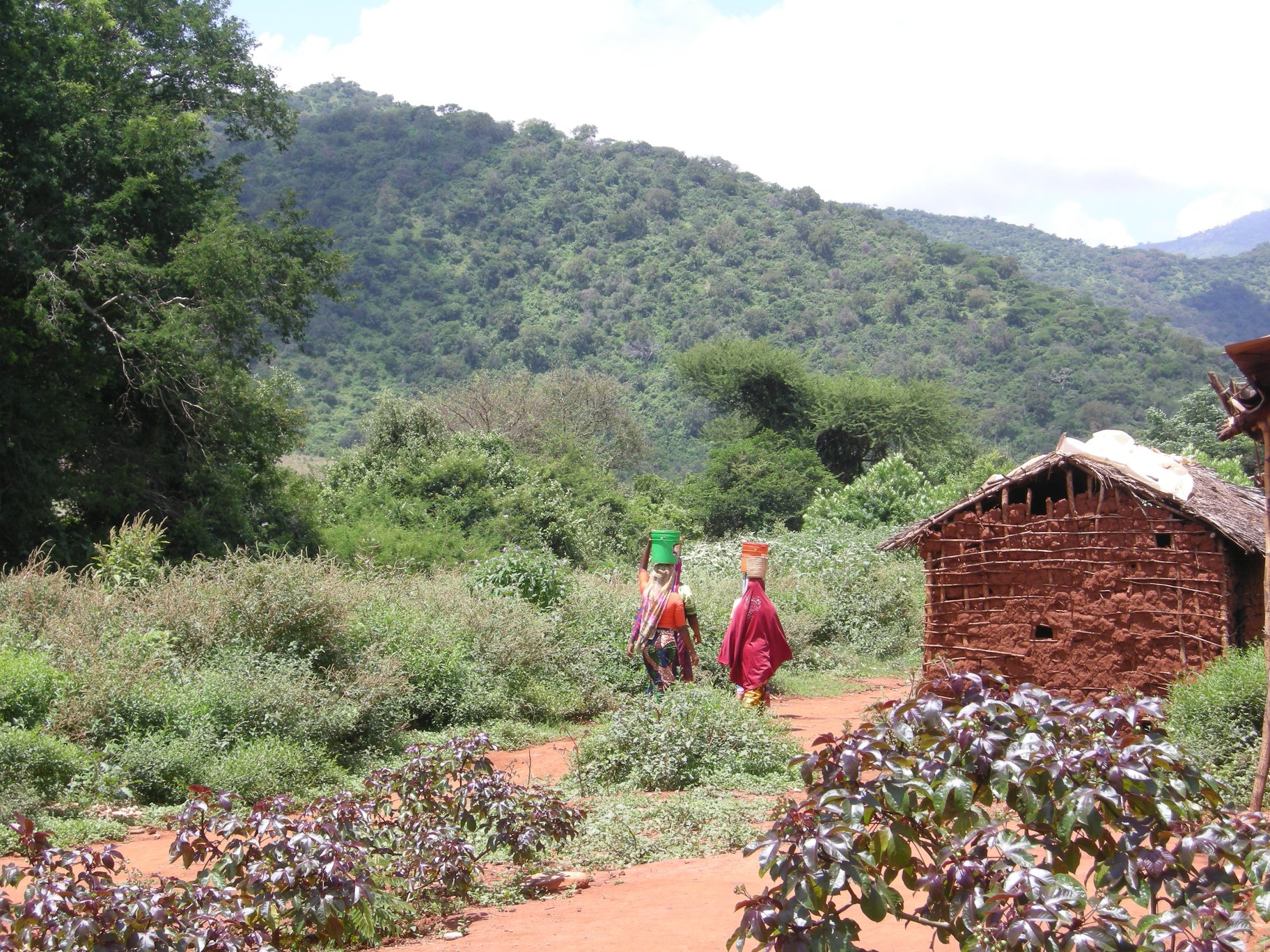

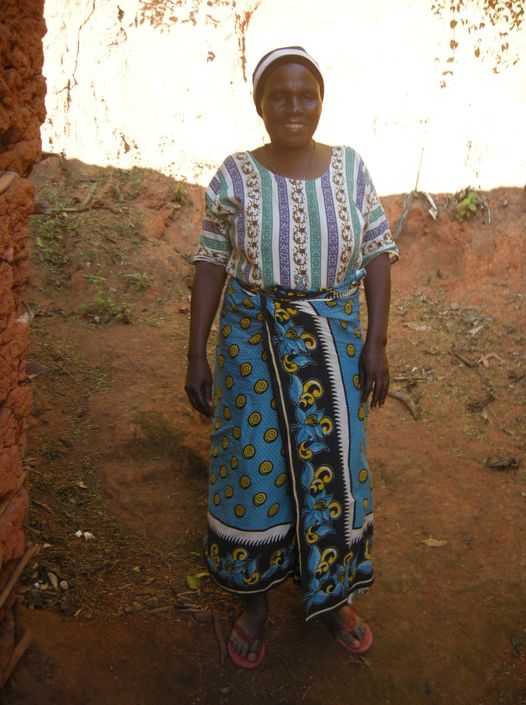

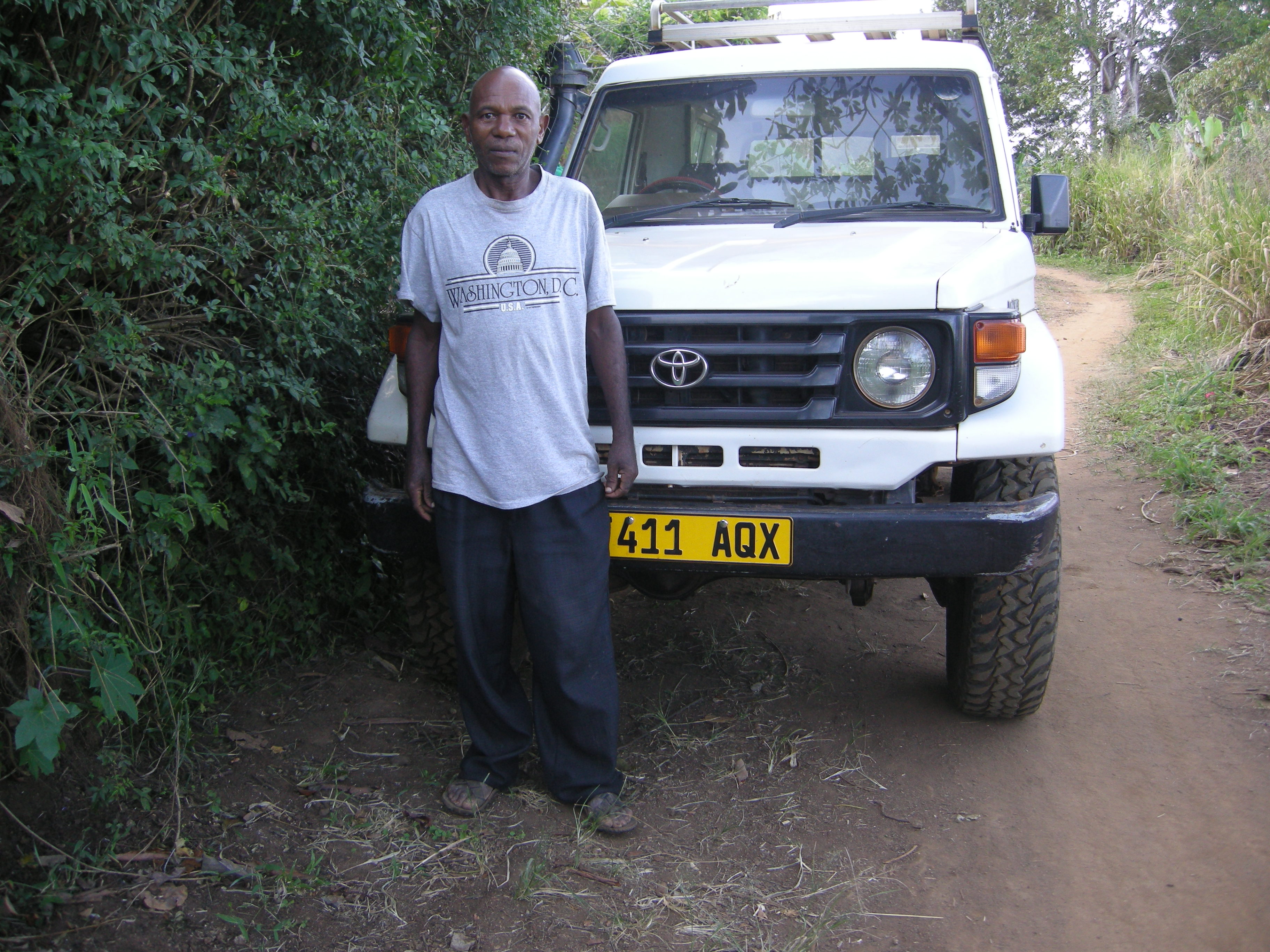
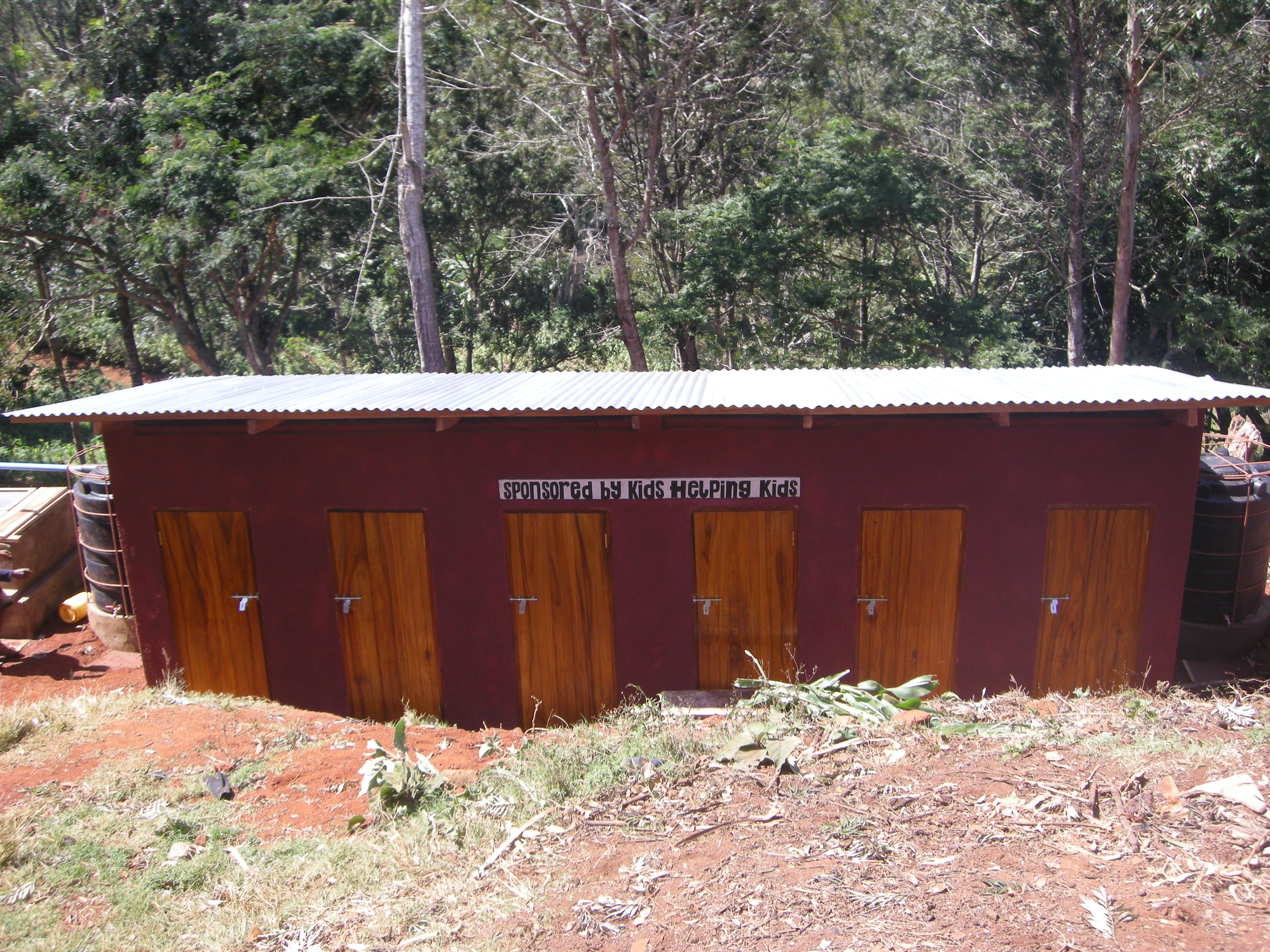
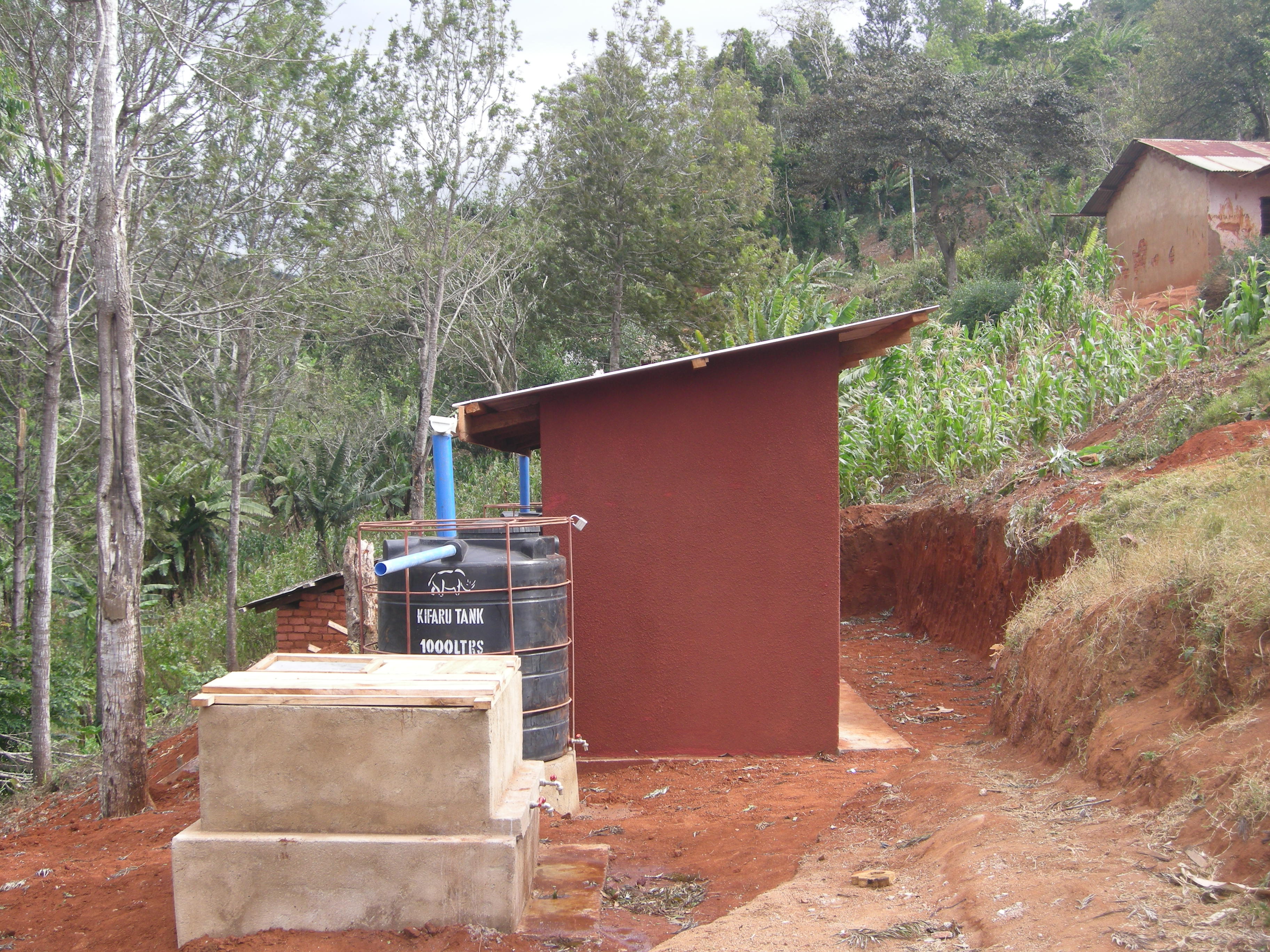
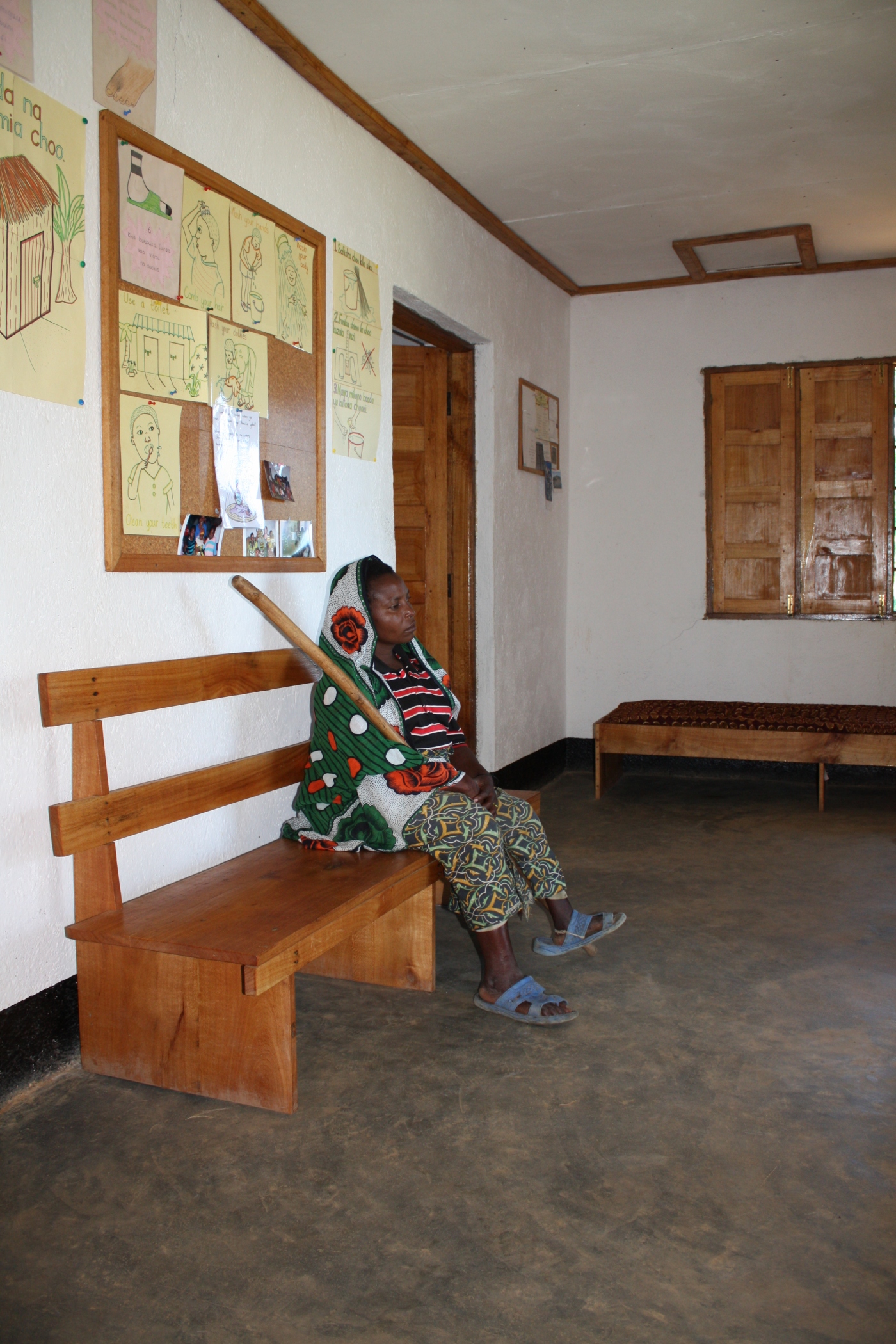
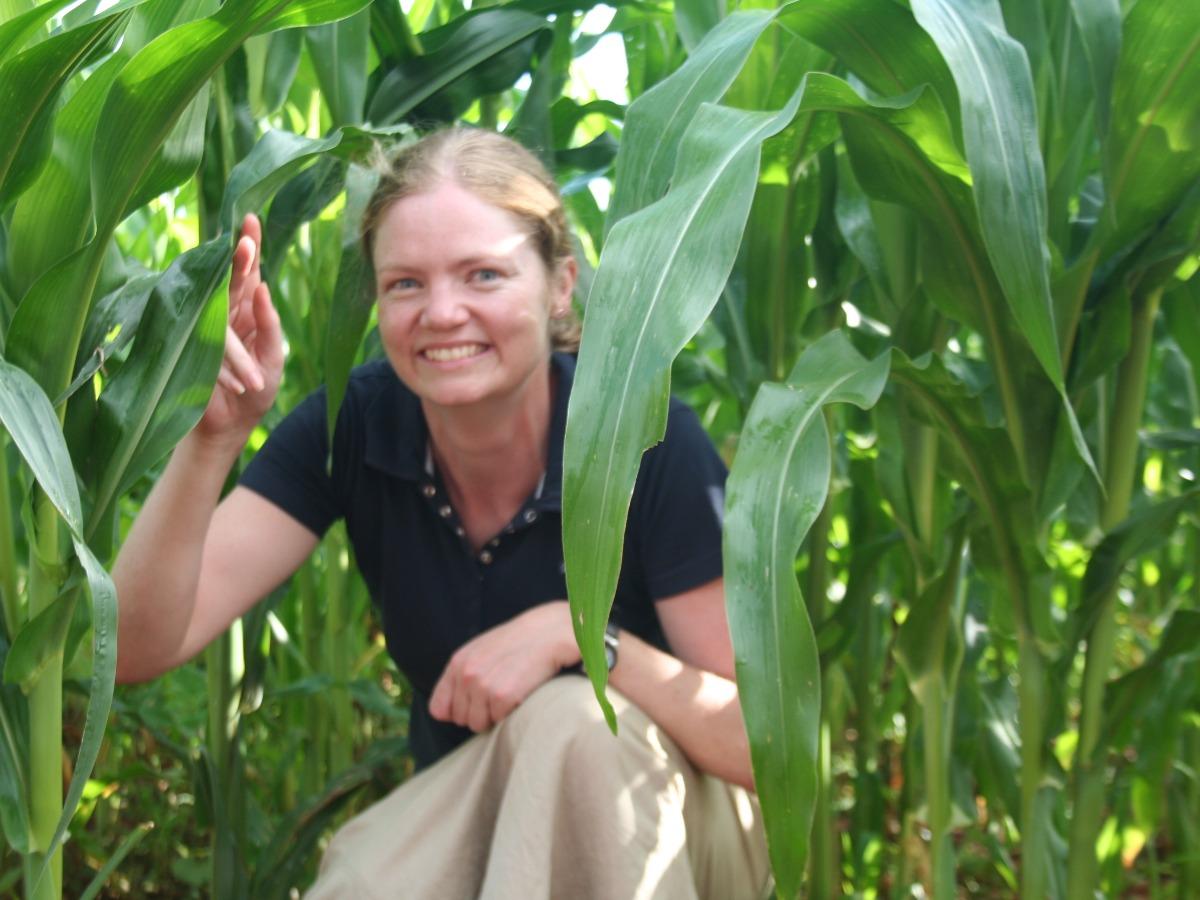
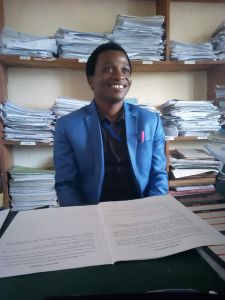
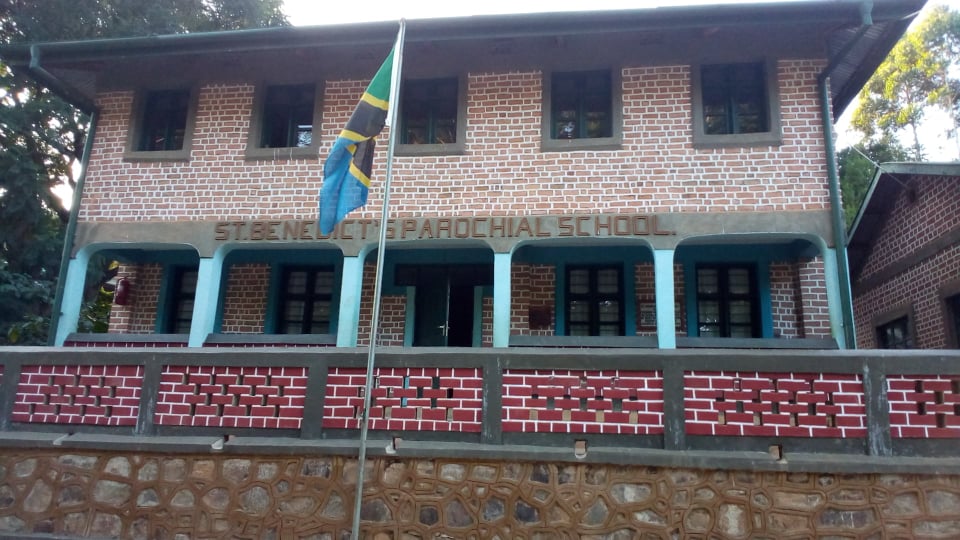
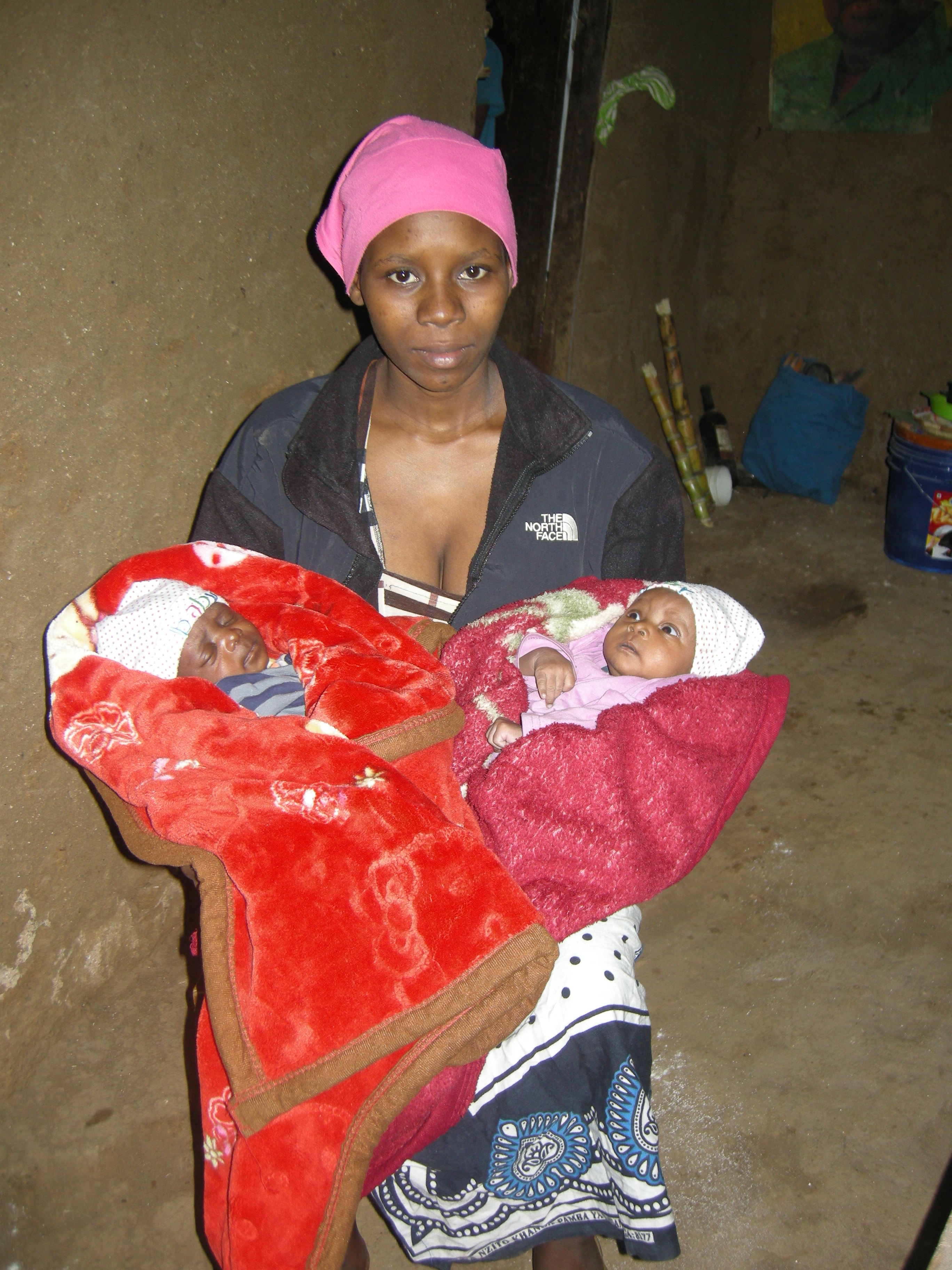
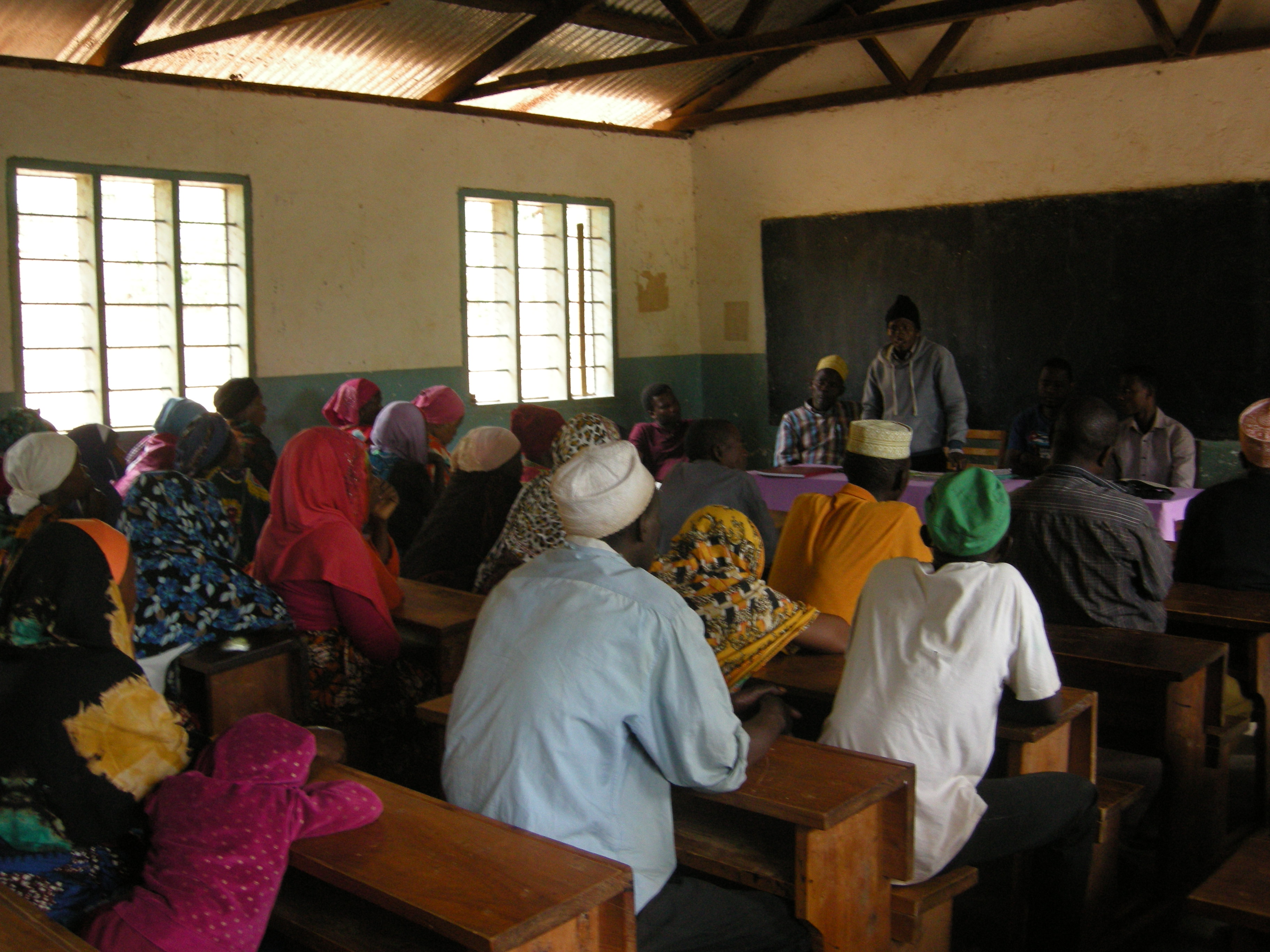
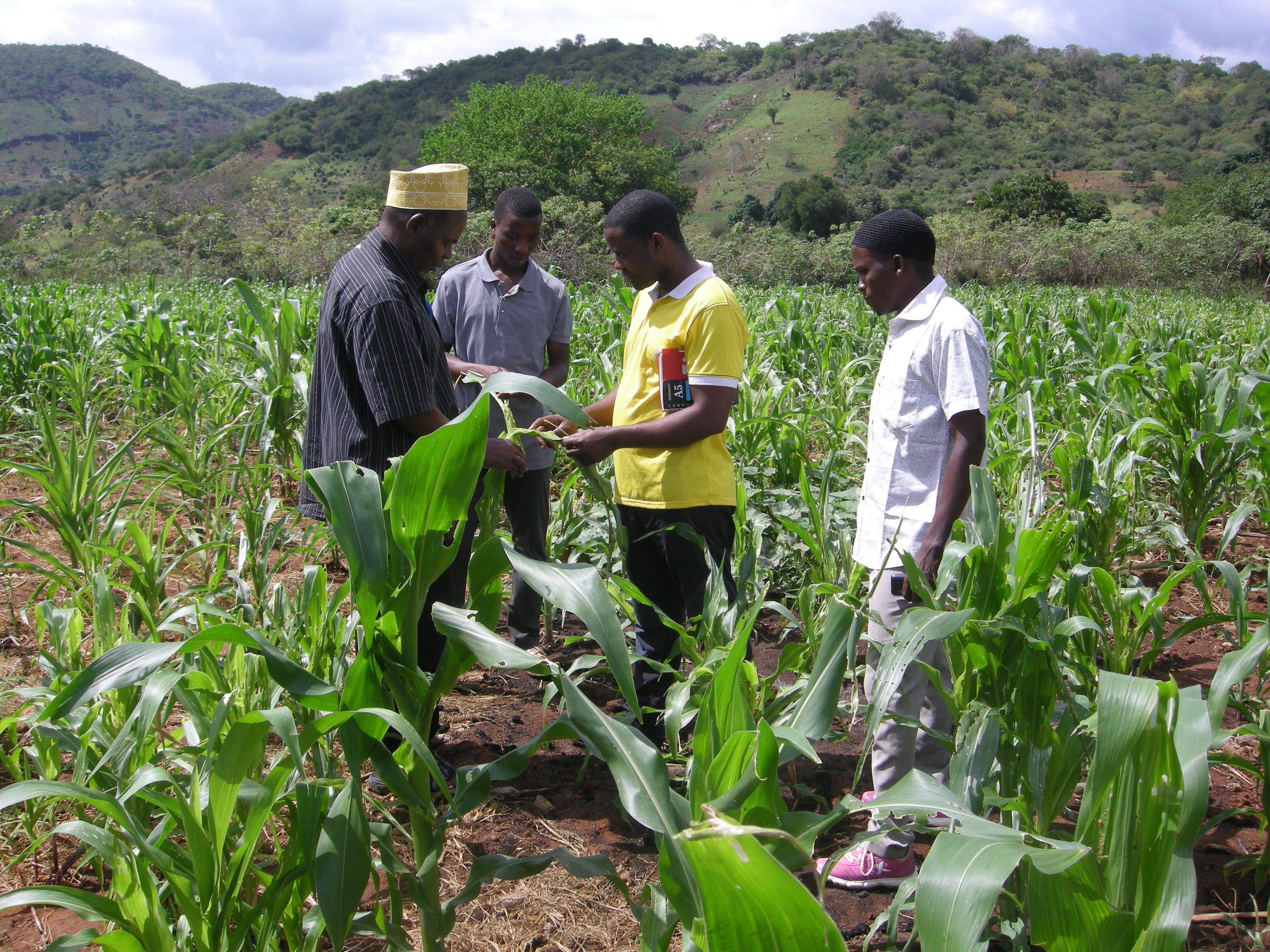
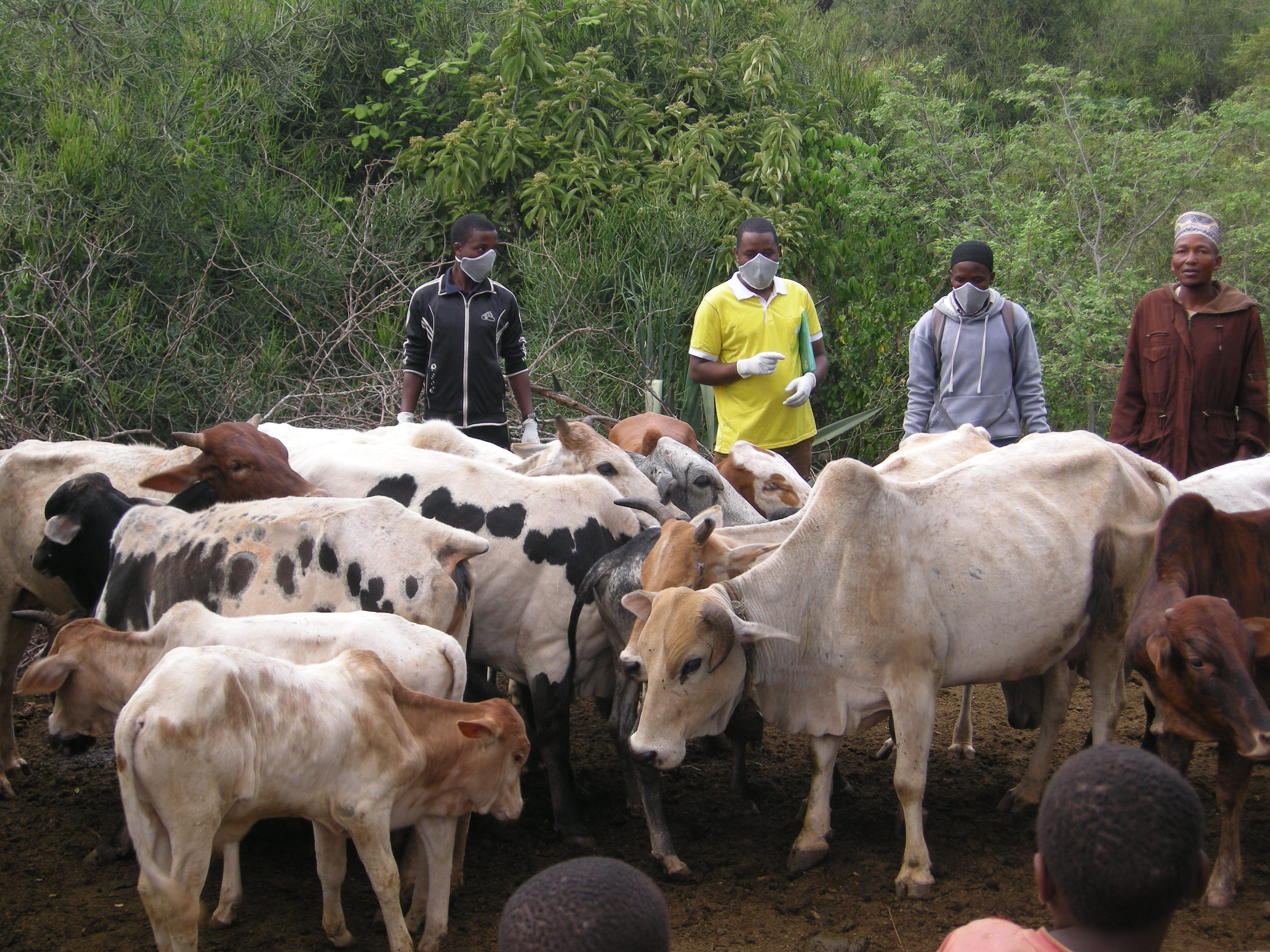
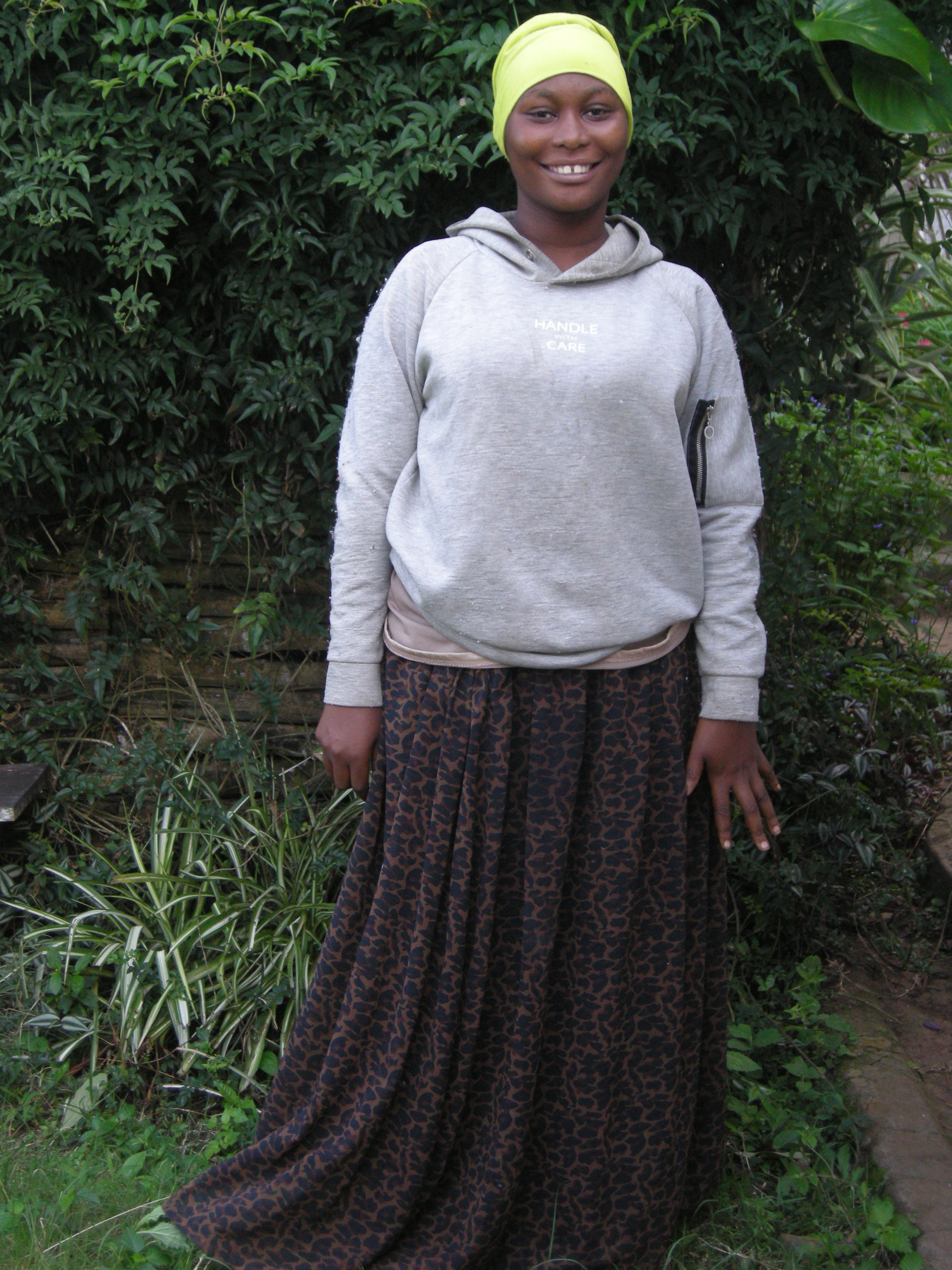
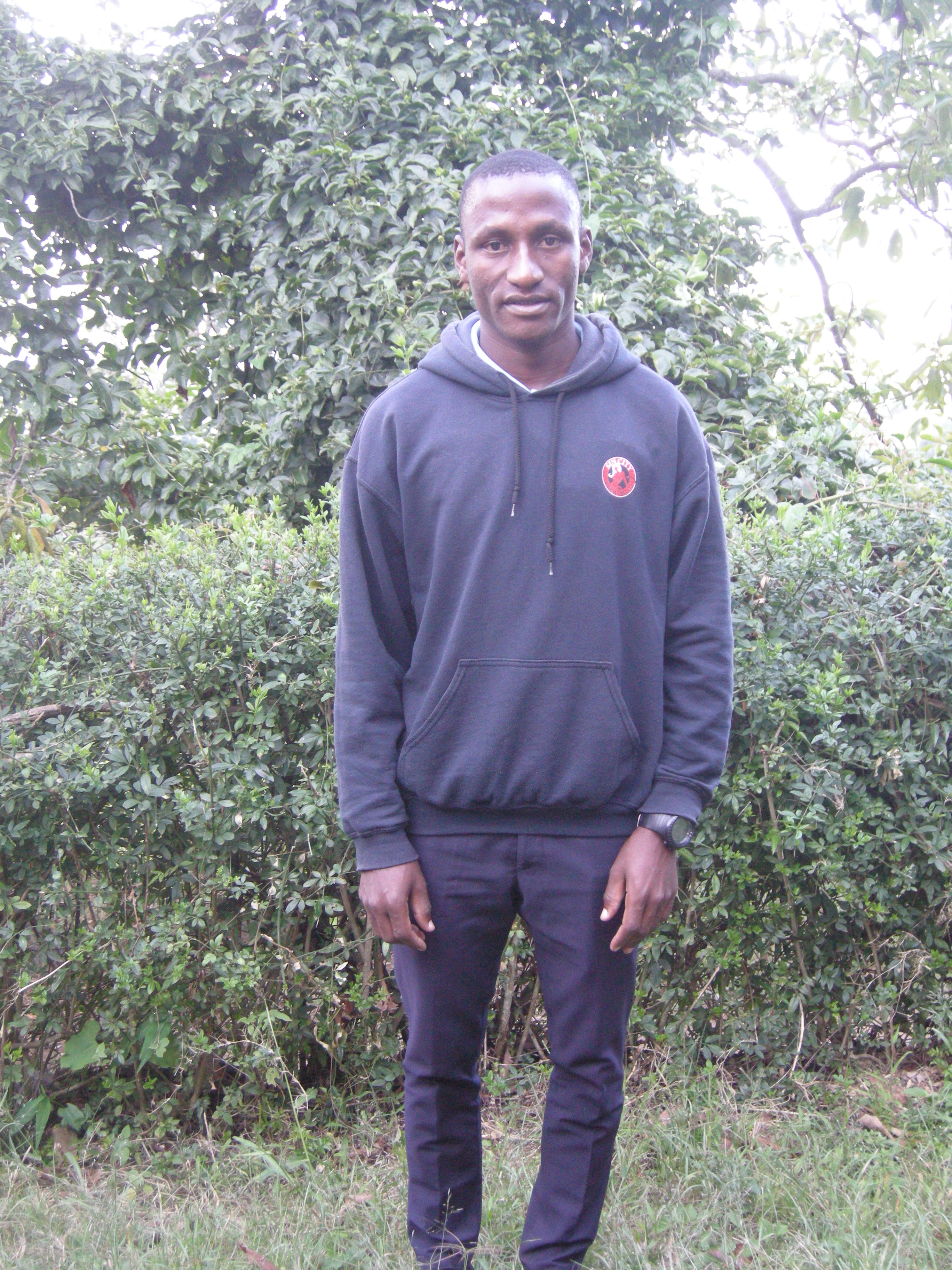
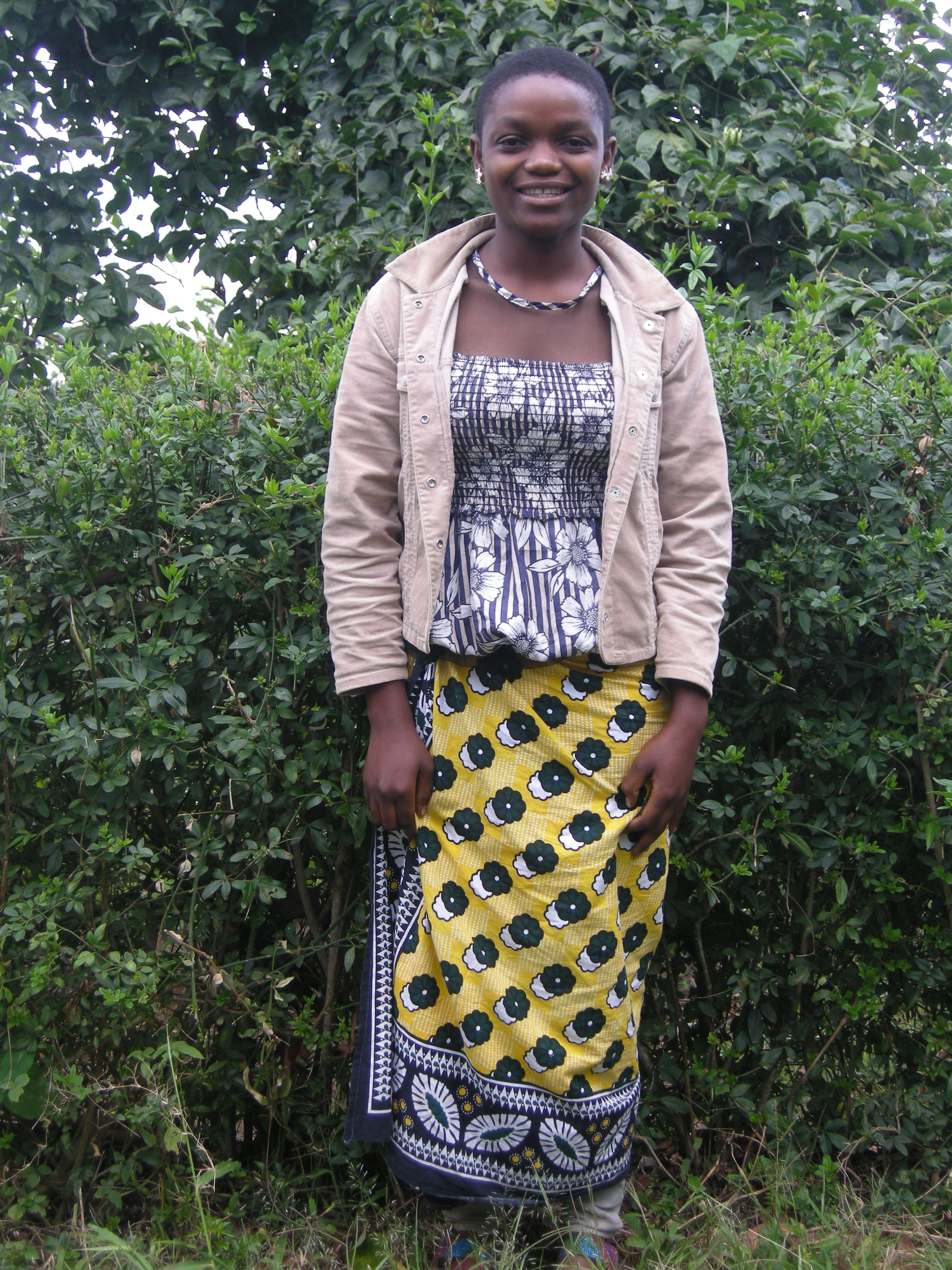
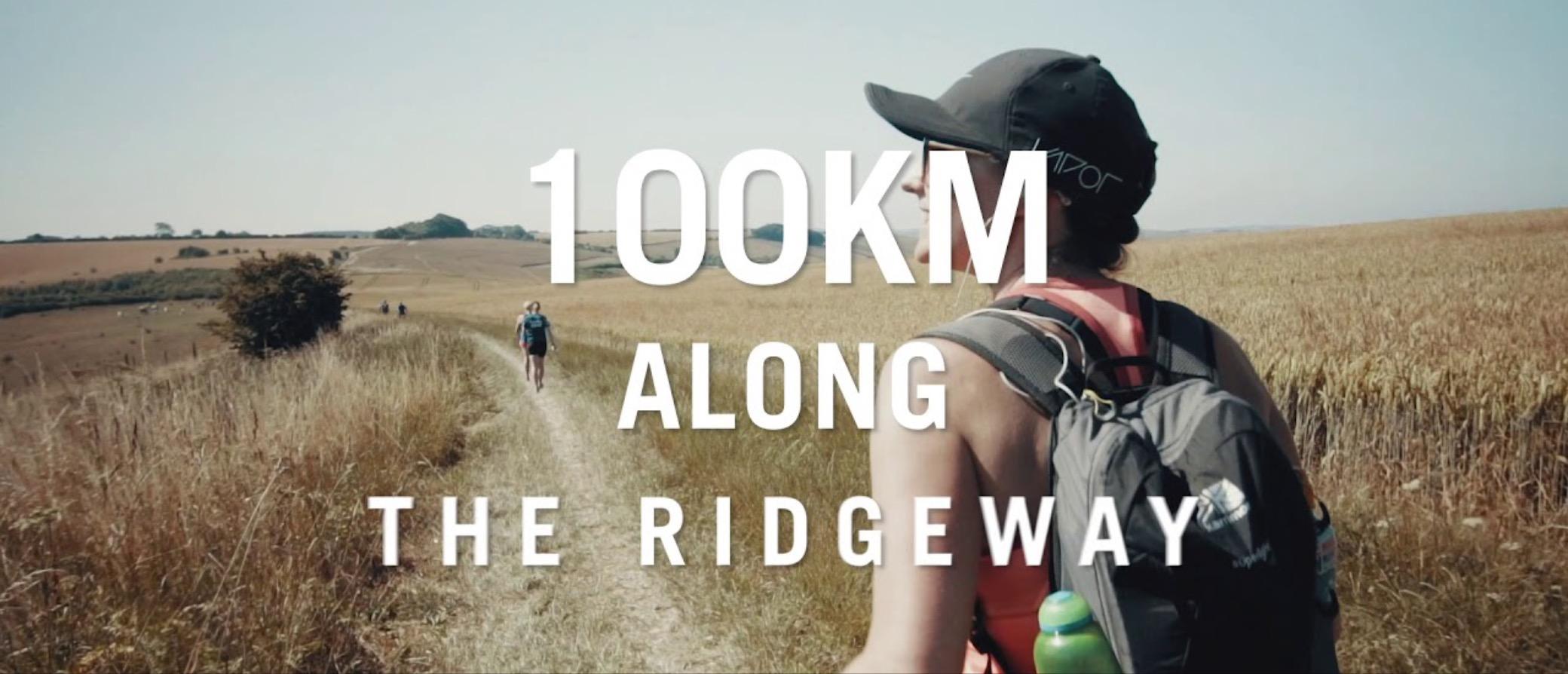
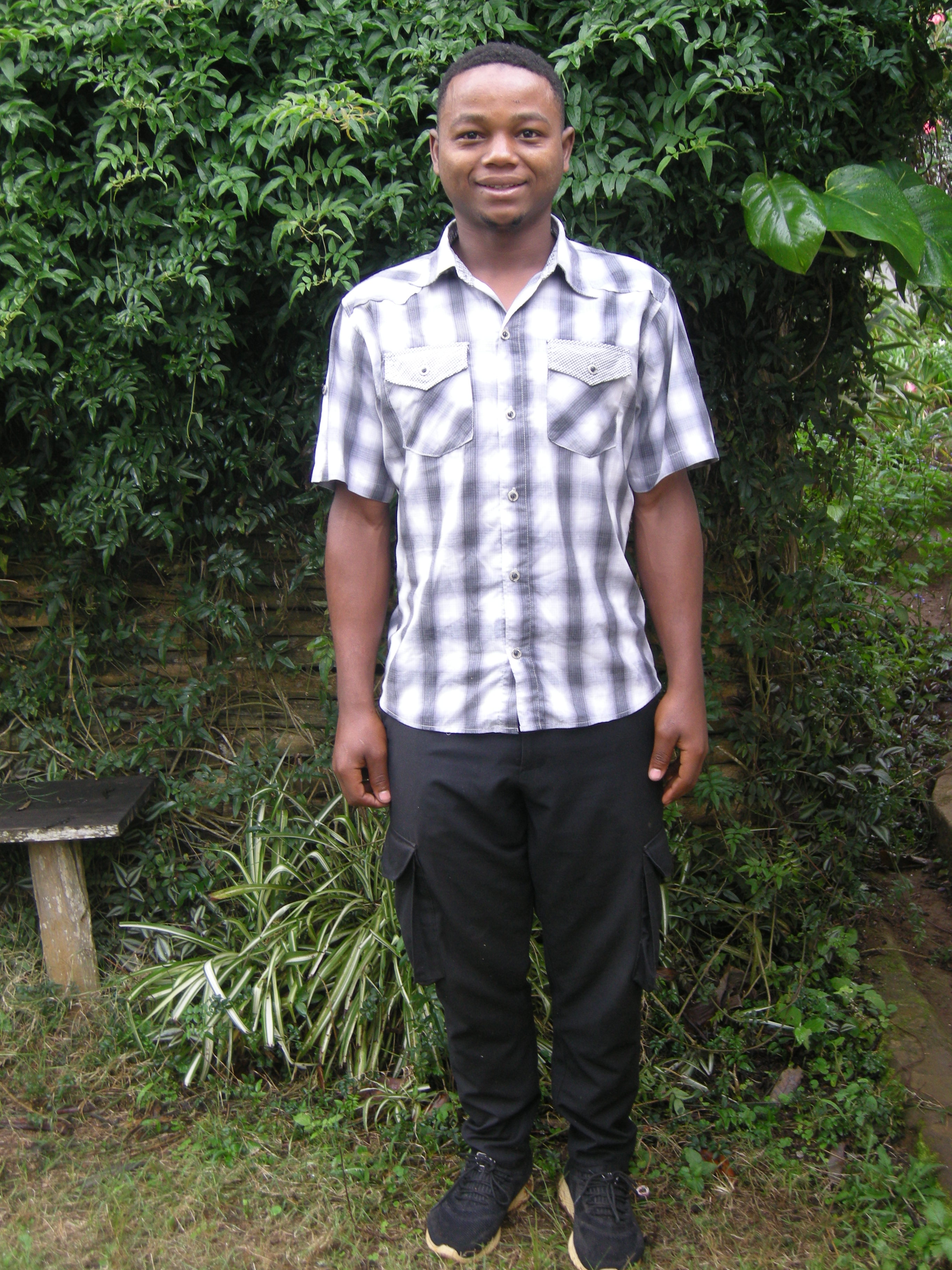
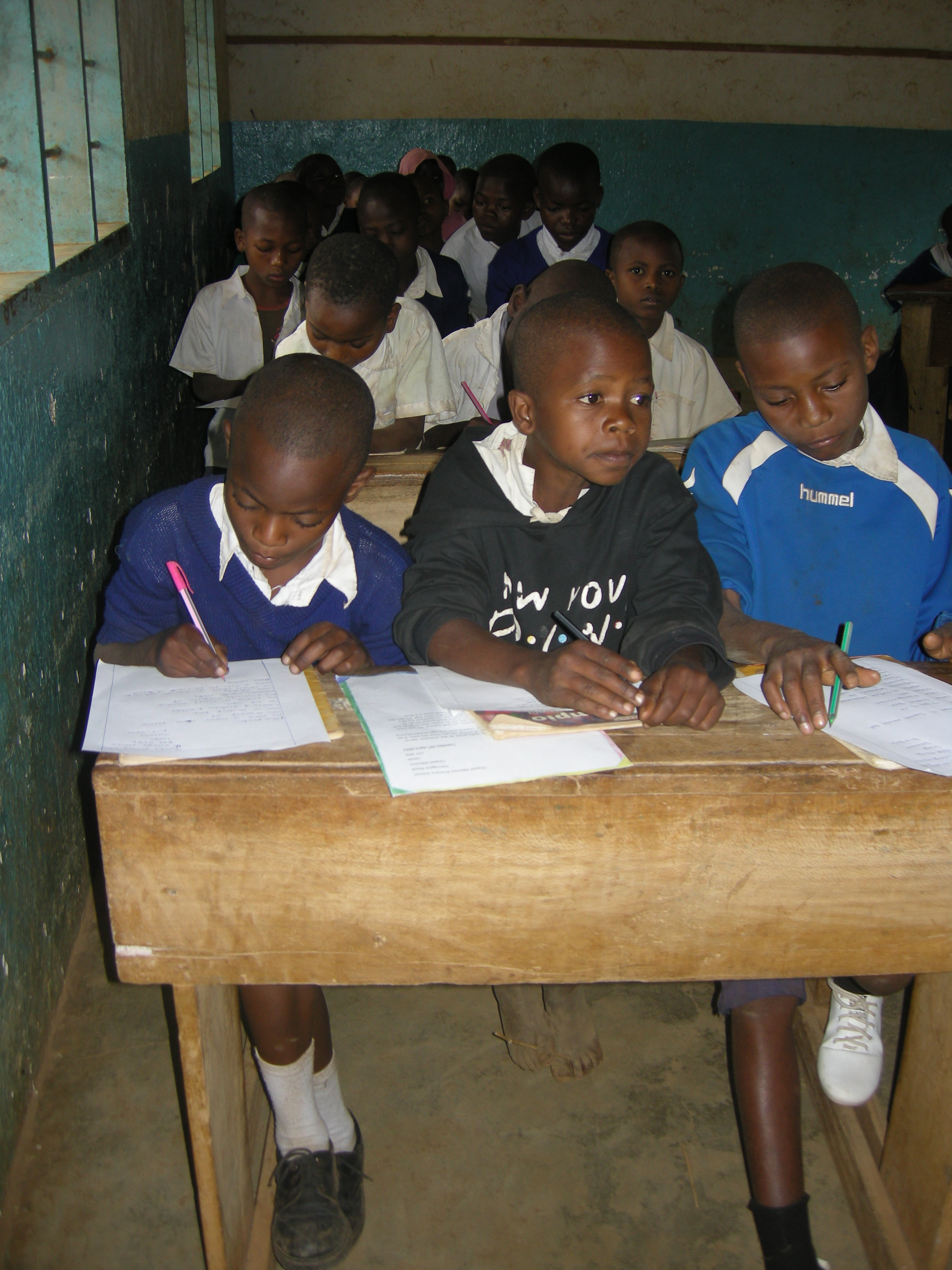






 Village Africa